


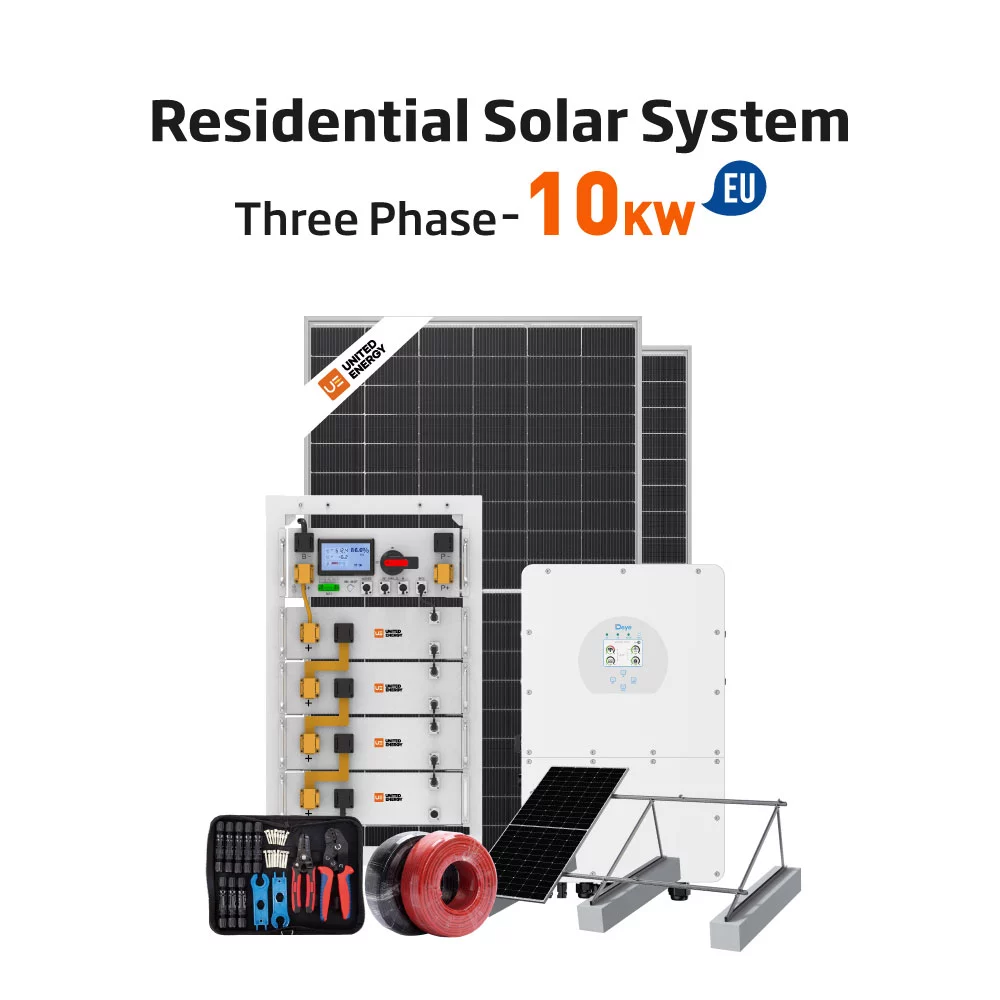
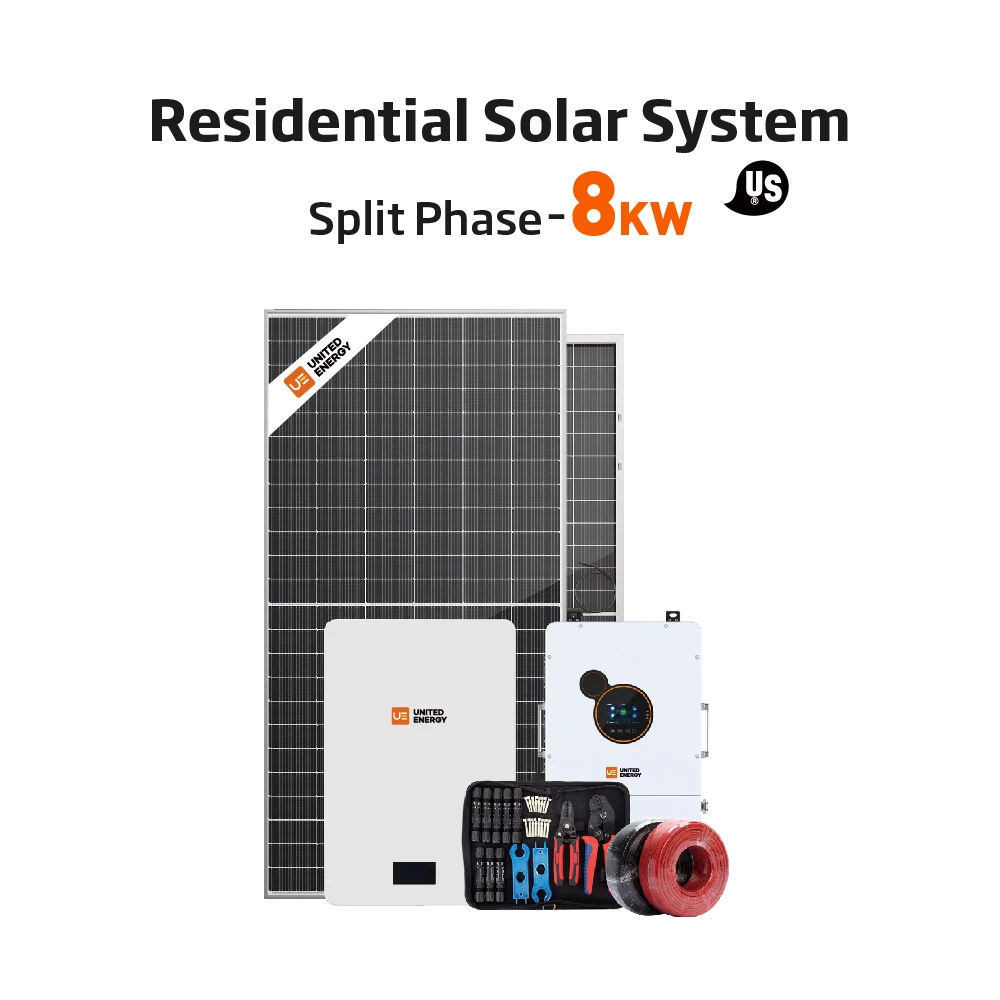
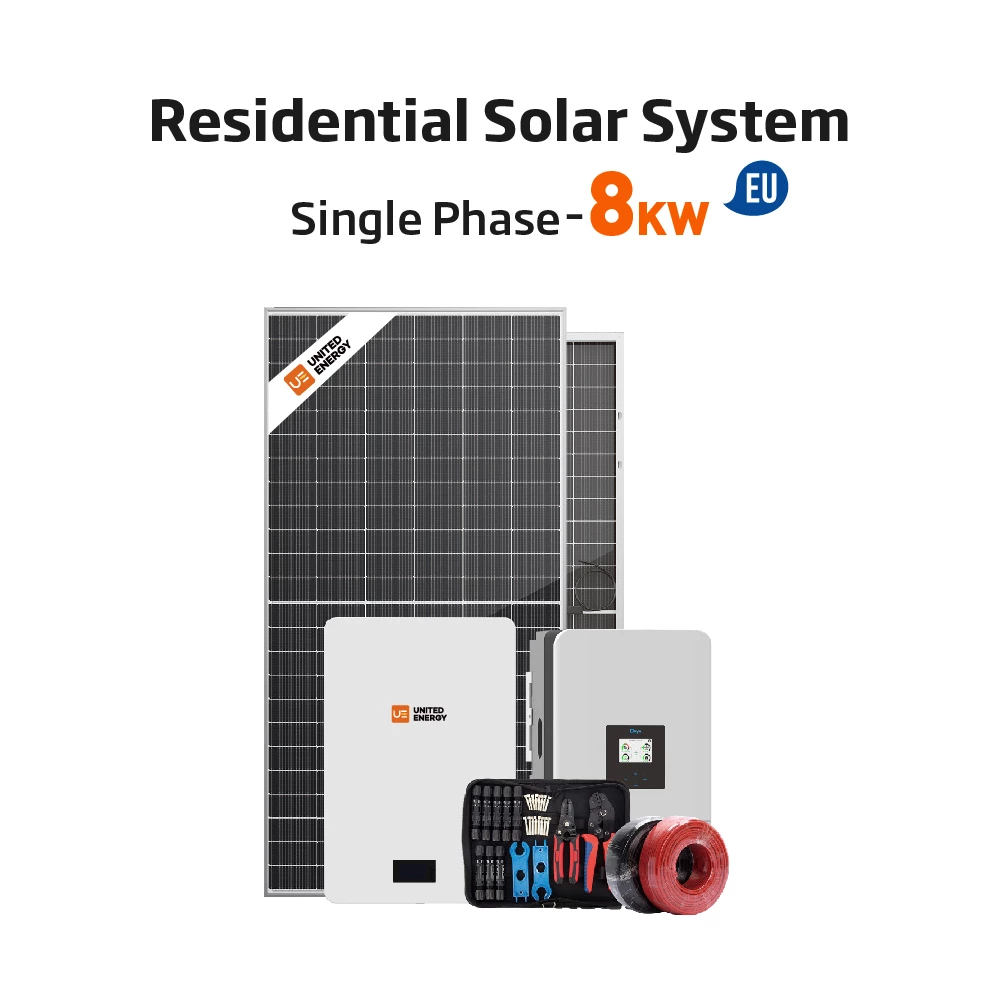
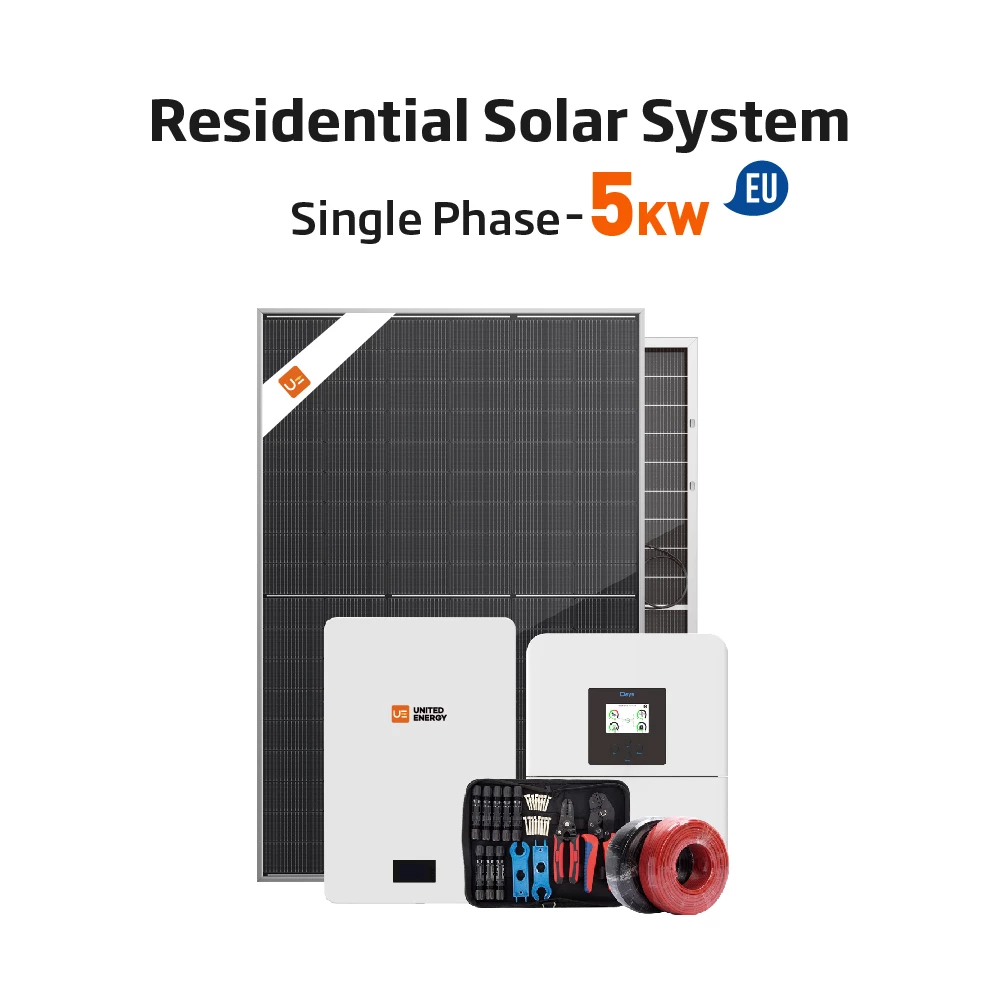
Installing a solar system is supposed to lower your electricity bill and get stable backup power. Yet many homeowners face the same confusing problem: “Why are my electricity bills still high even after installing a solar system?”
Below, we’ll detail five common reasons why your electricity bills remain elevated, alongside steps you can take to fix them.
The working principle of an ideal solar system:
Daytime: Your PV array powers household loads directly, with surplus energy charging the battery storage system.Nighttime: The battery discharges to keep your home running—slashing electricity bills instantly.
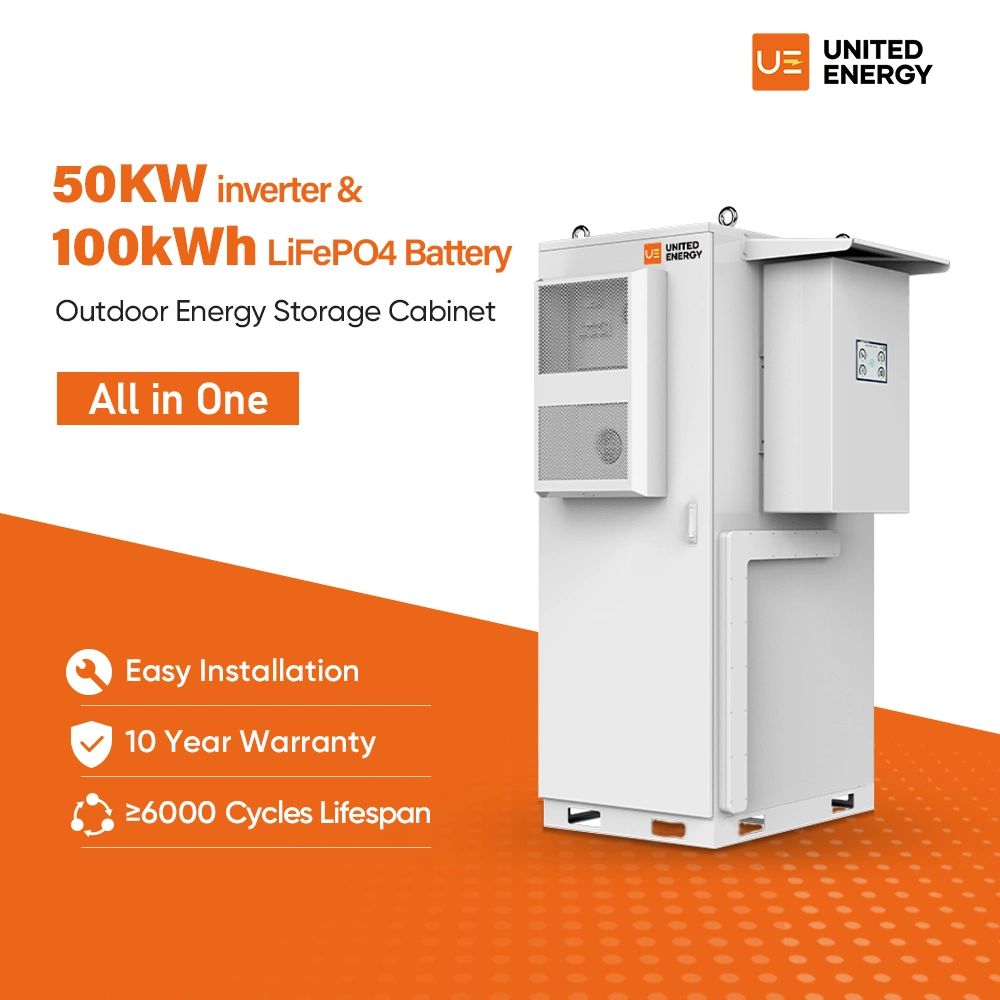
Plus, our battery storage system acts as a reliable backup during power outages, ensuring uninterrupted operations when you need it most.
If all components of the system are the right size and configured correctly, the system can cut monthly electricity costs to near zero. If savings fall short? It signals that there are deeper-seated issues.
Four Common Reasons
1.The solar generation is less than your actual energy needs
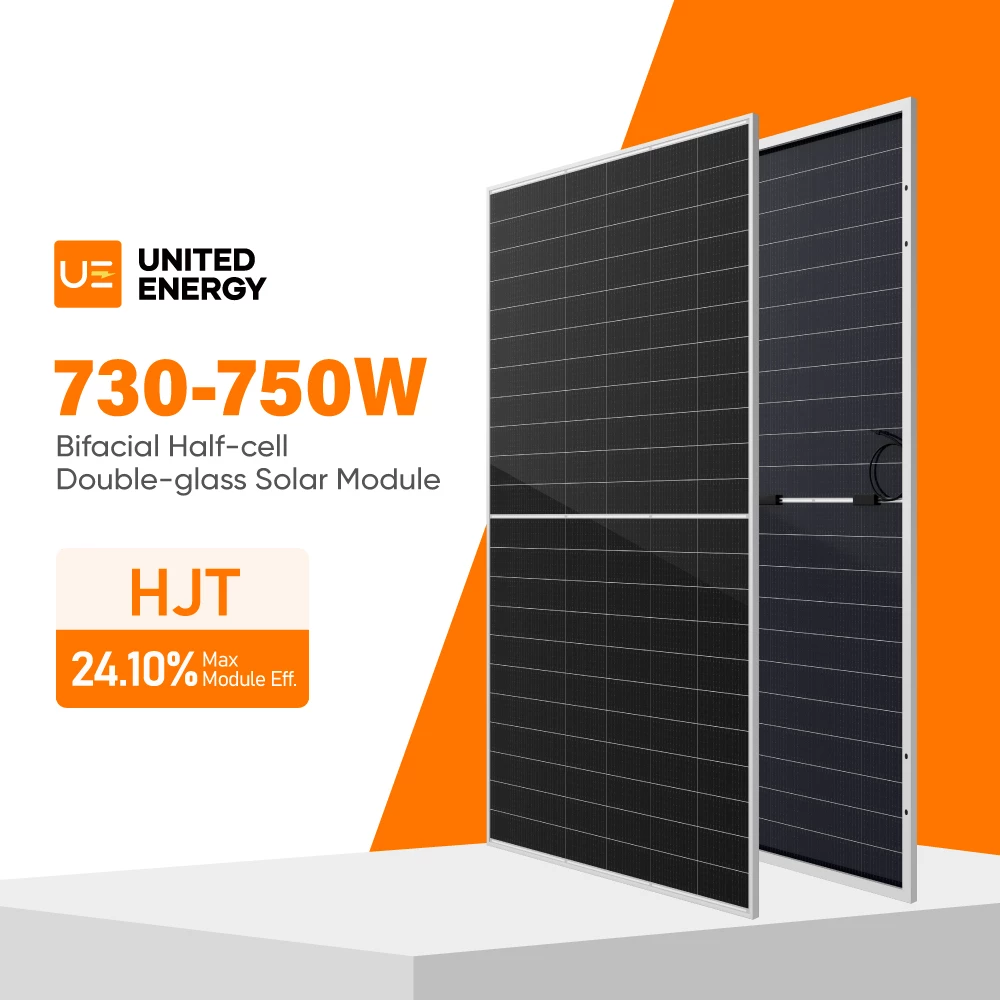
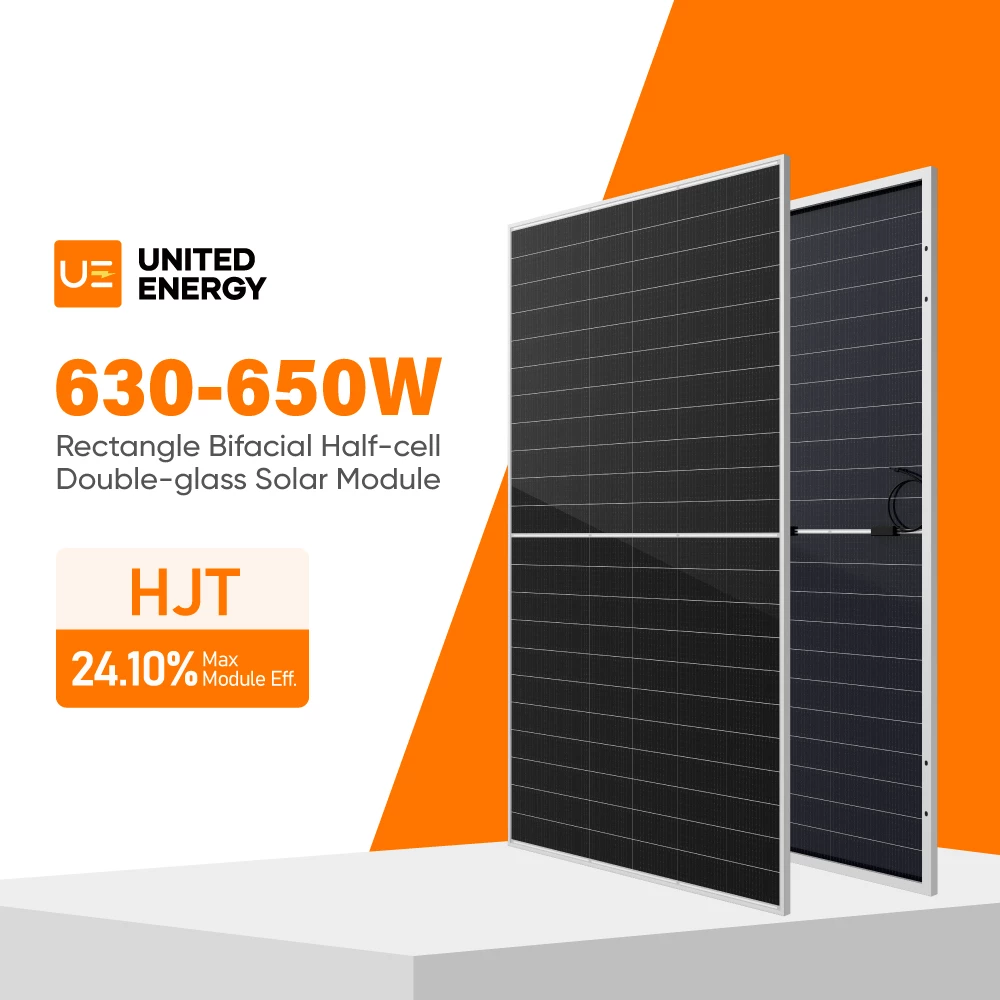
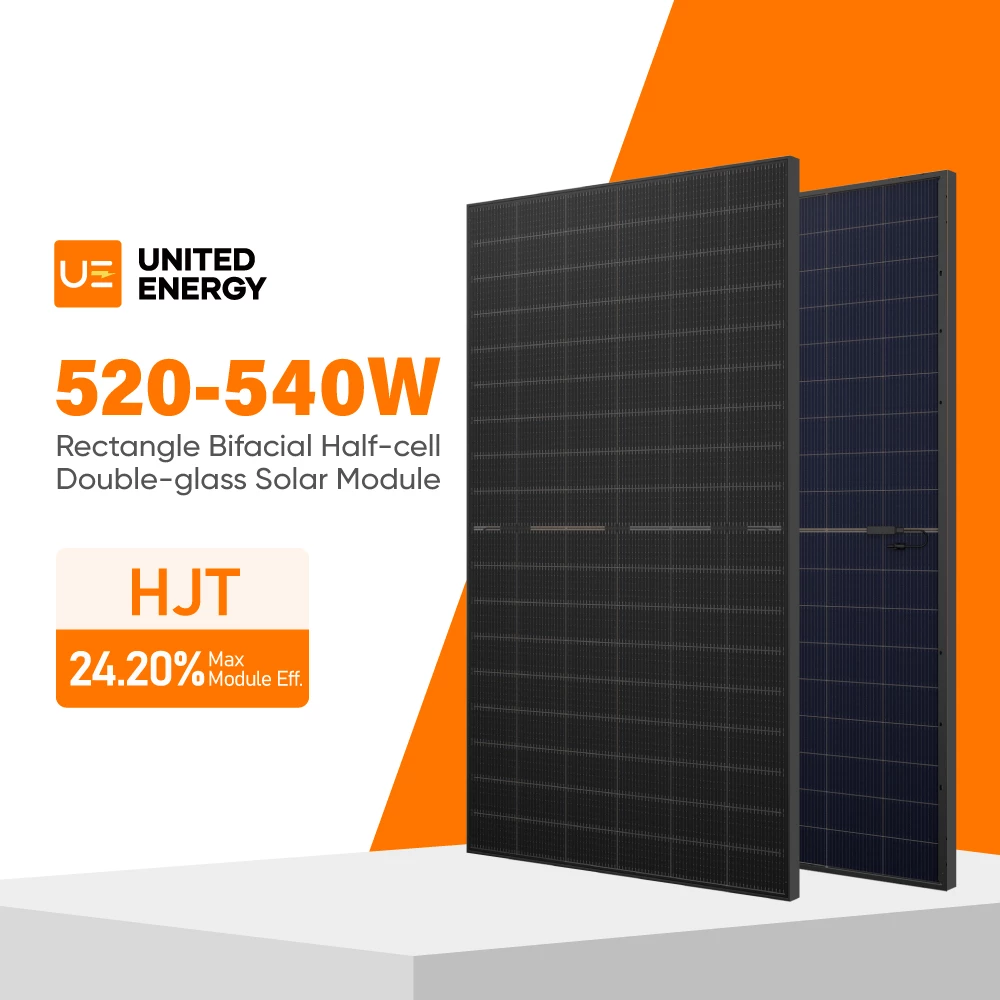
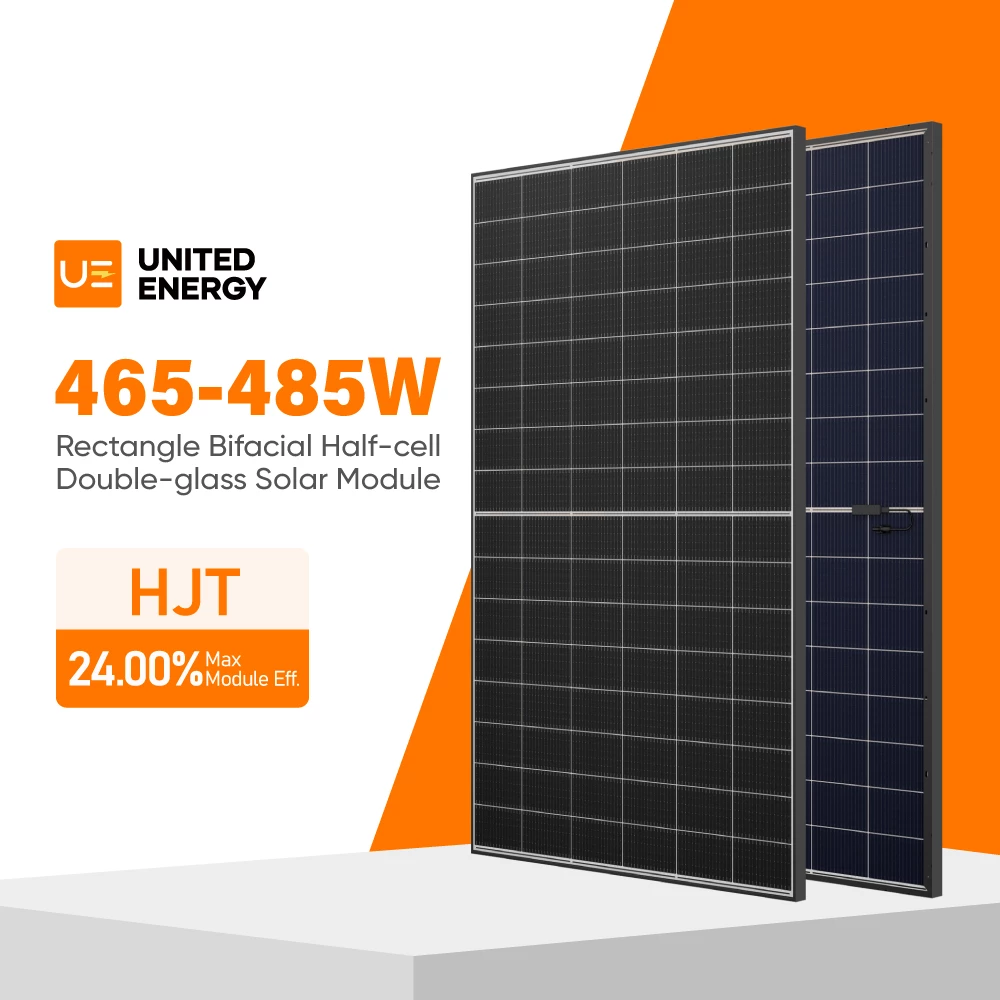
If your solar panels aren’t producing enough electricity, your battery storage system won’t have enough energy to store. This forces your home to buy power from the grid.
Causes of low solar generation:
- Dirty, shaded, or damaged panels
- Seasonal changes
- Faulty MPPT tracking
- Weak or mismatched panel arrays
What to check:
- Add more solar panels if your roof space and system allow.
- Clean panels regularly or trim overhanging trees to reduce shading.
- Consult your installer to inspect for inverter malfunctions or wiring problems.
2. Insufficient Battery Storage System Capacity
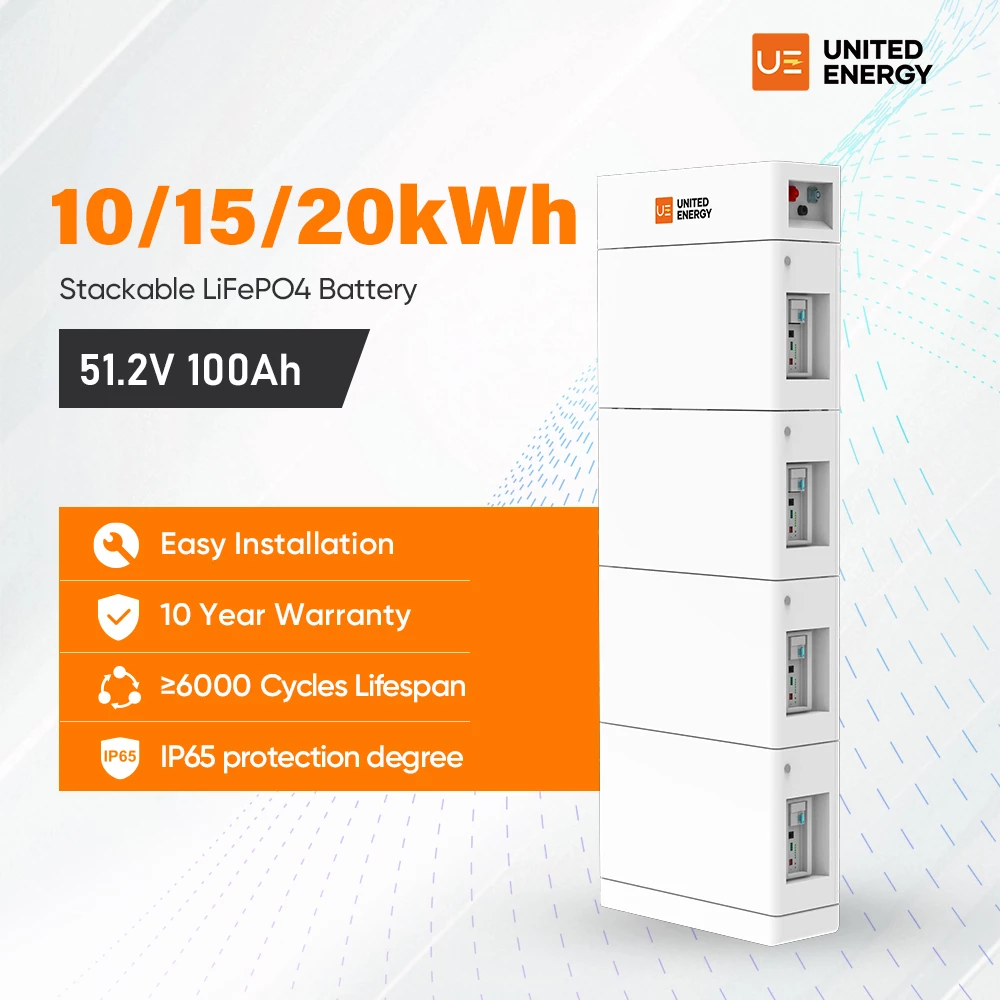
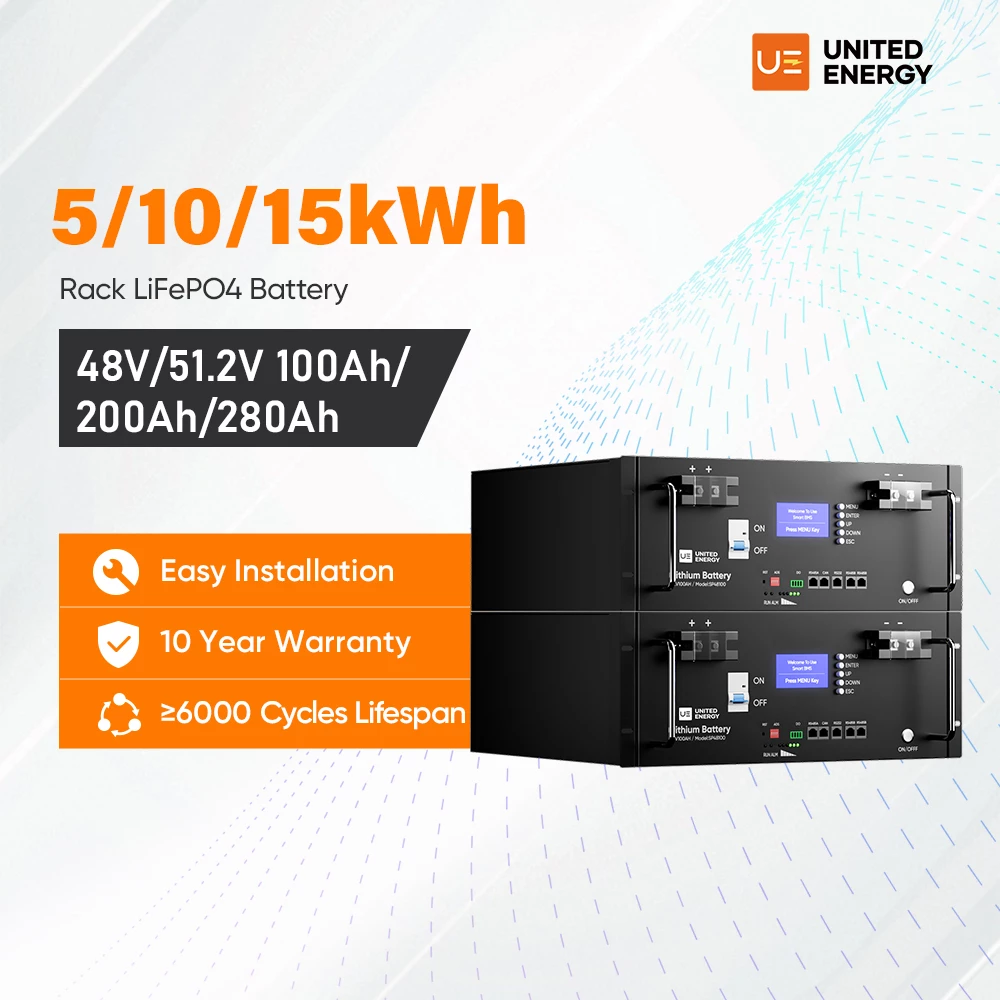
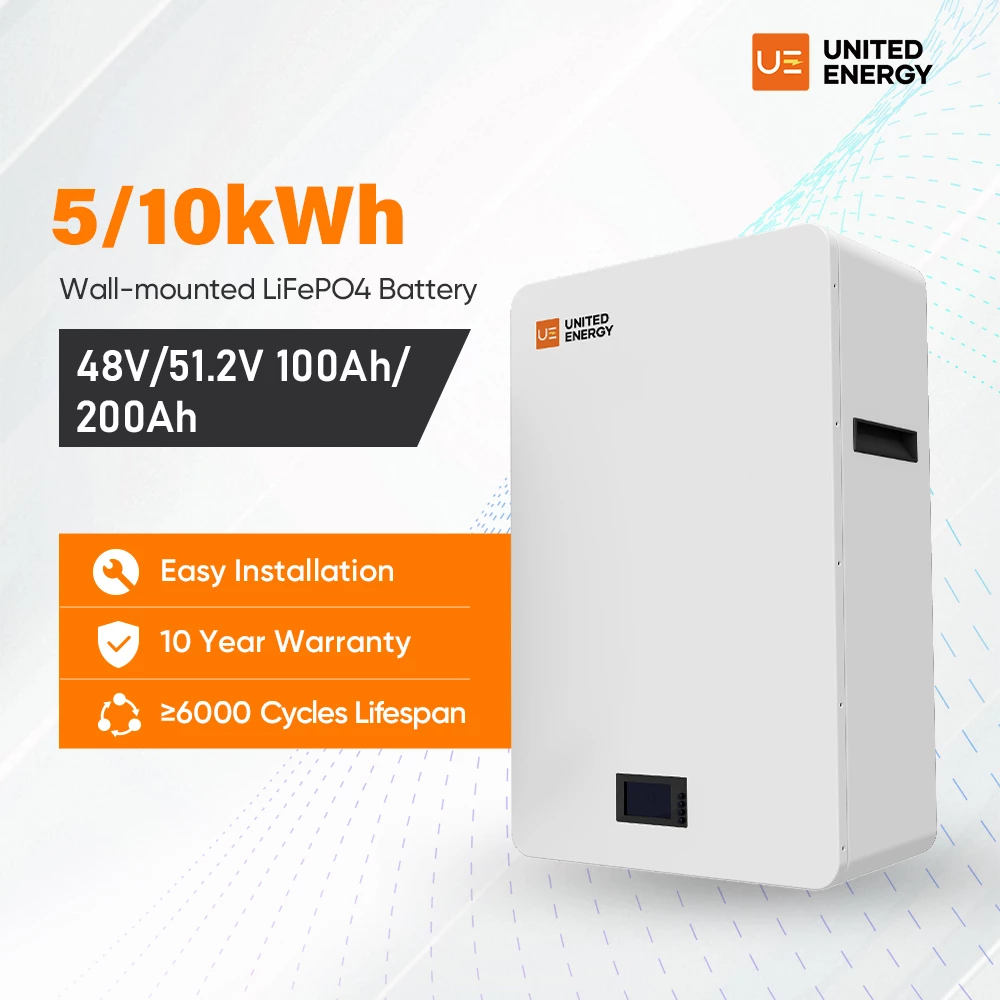
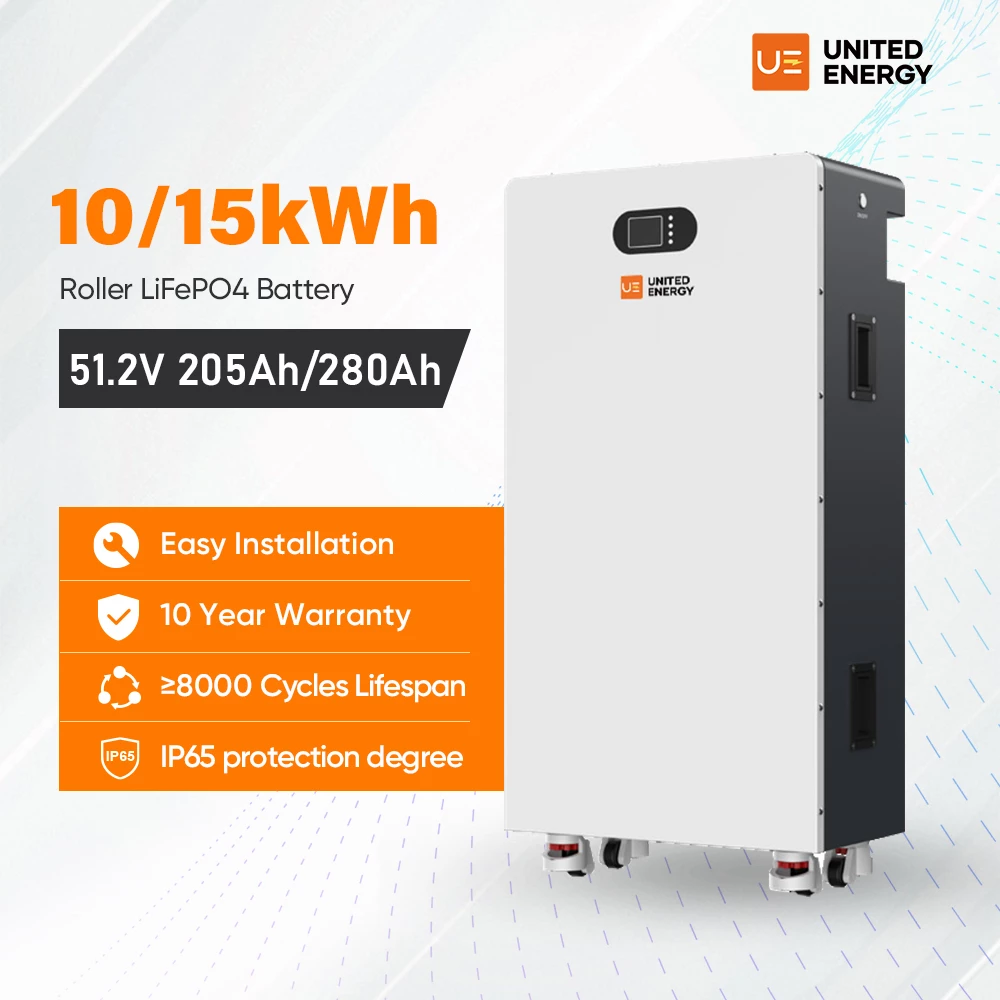
Capacity is crucial when choosing a battery. Some homeowners choose smaller capacity batteries to "save upfront costs," but this can lead to "higher long-term expenses"—because they cannot fully store the solar energy generated during the day, forcing them to pay higher grid electricity rates during peak nighttime usage.
Signs your battery is undersized
-You frequently see your battery reach 0% before midnight.
-Your solar exports a lot of power during the day, but you still buy grid energy at night.
What you can do
- Check your home’s peak consumption from your energy monitoring app.
- Review your storage depth and discharge patterns.
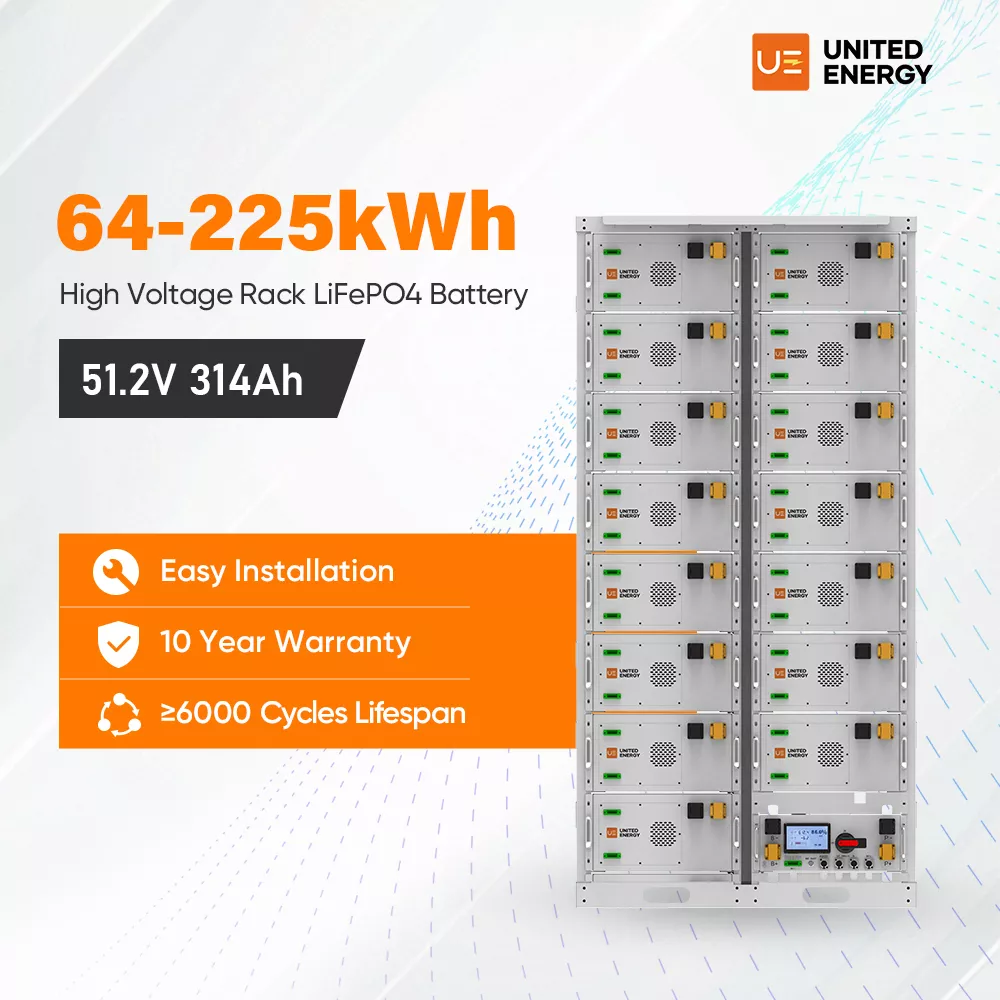
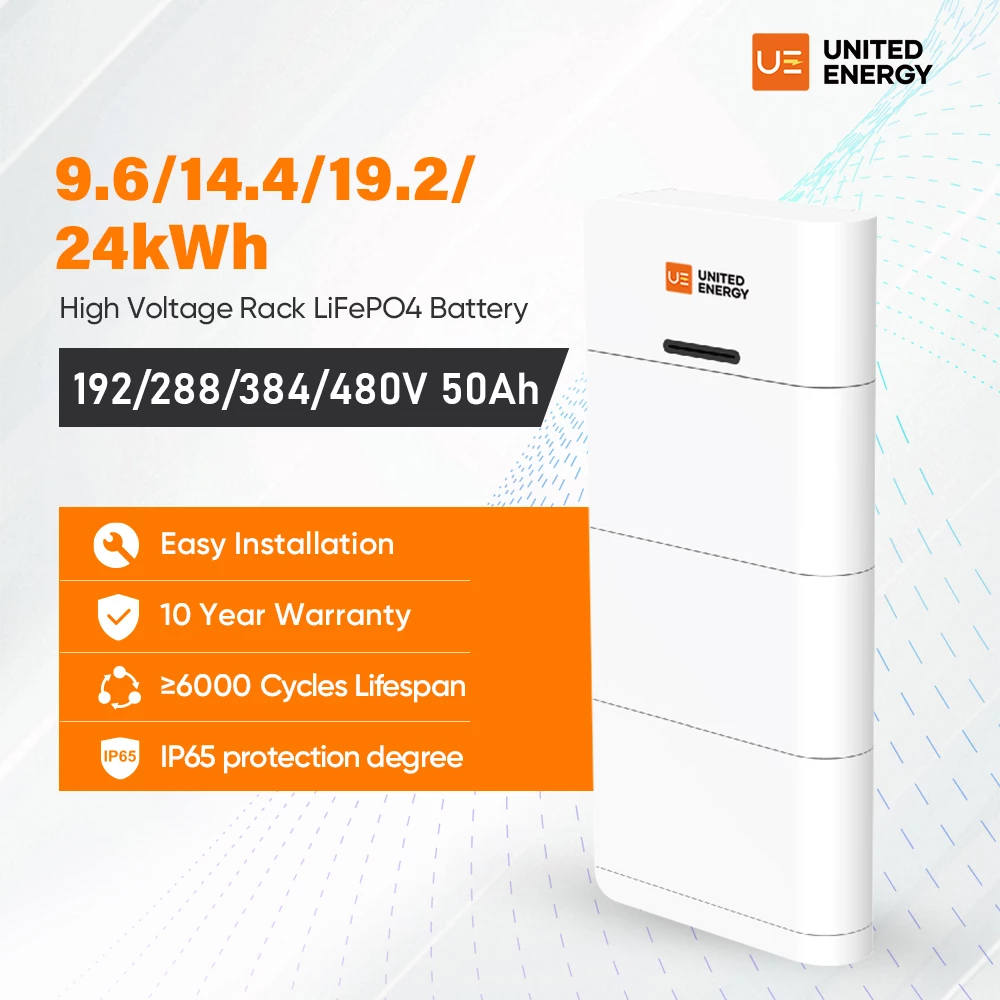
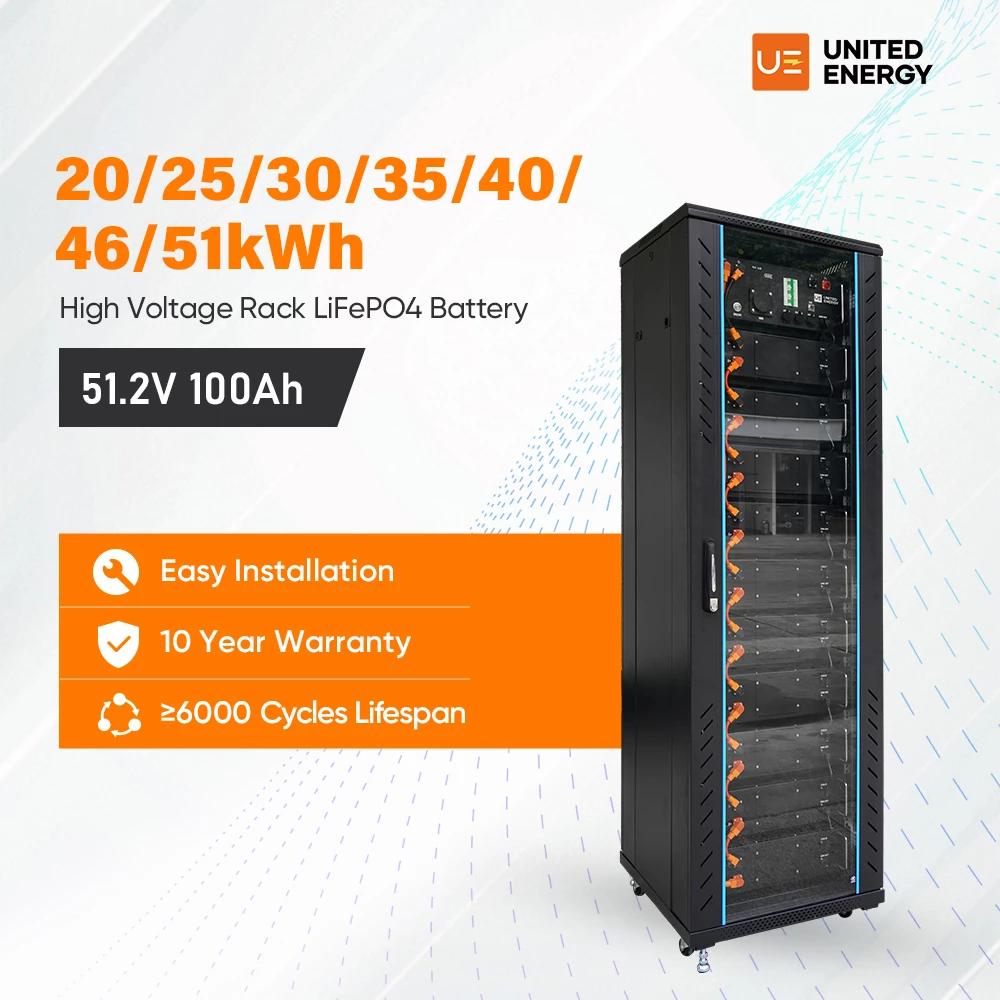
- Consider adding extra battery modules if your system supports expansion.
- If upgrading, choose a battery energy storage system with high usable capacity.
3.Improper Battery System Settings
Common Configuration Issues:
- Excessive backup reserve level
- Incorrect time-of-use (TOU) rate programming
- “Self-consumption mode” disabled
- Discharge limit set too low
How to Optimize:
- Align with TOU rates: Program the battery to discharge during peak pricing hours.
- Minimize backup reserve: Reduce the reserve level unless outage protection is critical.
- Enable smart charging: Use automatic modes to sync battery cycles with solar production.
4. Increased Energy Consumption After Installation
It’s surprisingly common for energy consumption to rise after installing solar system. Homeowners often assume: “I have solar system with batteries now—I can use more electricity freely.” But a few additional high-load devices(Electric water heaters, EV charging) can drain your energy storage system prematurely.
How to Take Back Control
Shift heavy loads to peak sunlight hours
Use smart plugs to identify hidden energy hogs
Check your energy app for nighttime usage spikes
Preventive Tips to Avoid Future Issues
Periodic maintenance and checking operational data can help avoid potential problems. Regularly reviewing system performance metrics (e.g., solar generation output, battery charge/discharge cycles, and grid energy usage) and conducting routine upkeep (such as panel cleaning, wiring inspections, and firmware updates) will ensure your solar system operates at peak efficiency over time.
Proactive monitoring allows you to spot subtle issues (like declining panel performance or abnormal battery behavior) before they escalate into costly grid-reliant problems.
Conclusion
High electricity bills after solar installation don’t have to be permanent. Most problems stem from mismatches between your system’s design and your actual energy needs, or easily adjustable settings.
If you’re unsure where to start, consult your solar installer or contact us to conduct a comprehensive system audit. With the right adjustments, you’ll soon see the lower electricity bills you expected from your solar investment.