HomeNewsDoes Rooftop Solar Reduce Factory Roof Heat?

Does Rooftop Solar Reduce Factory Roof Heat?

News2026-06-01

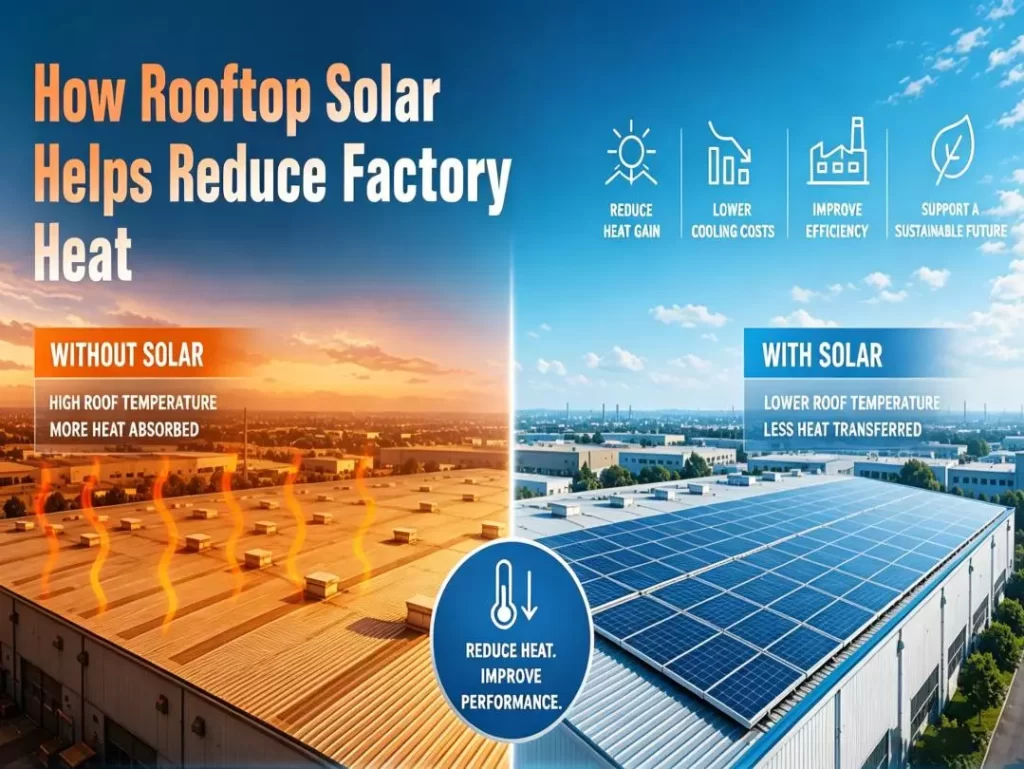
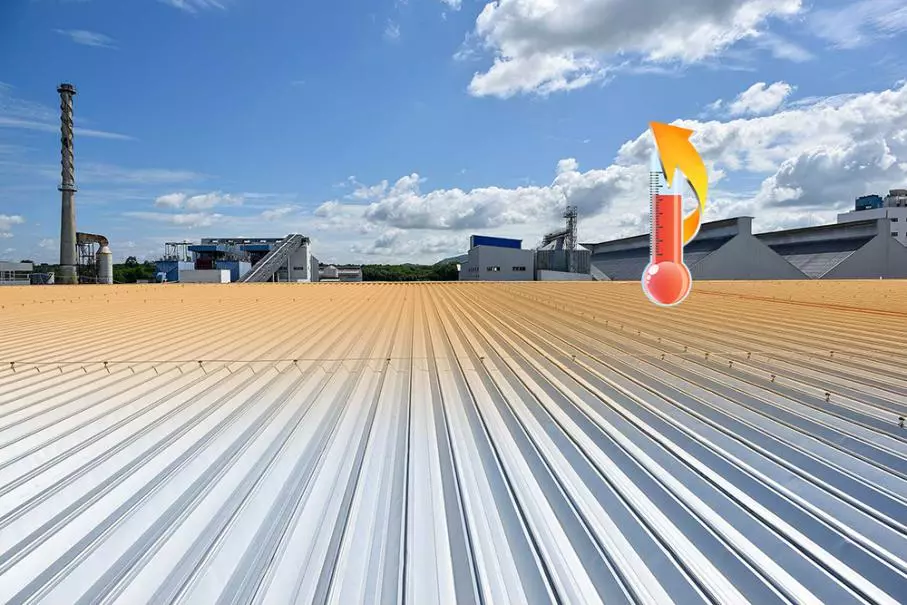
As global temperatures rise, industrial buildings are overheating. Metal rooftops in many manufacturing facilities, warehouses, and logistics centers absorb intense solar radiation — reaching 65°C (149°F) or more during peak summer.

This leads to:

  • Higher cooling costs
  • Reduced worker comfort
  • Lower equipment performance
  • Increased operational pressure

But rooftop solar offers a solution — beyond just electricity savings.

Why Do Industrial Buildings Get So Hot?

Most factories and warehouses use metal roofs, which rapidly absorb and transfer heat under direct sunlight.

In hot-climate regions, this creates a “heat trap” effect — indoor spaces stay hot all day, increasing:

  • Cooling electricity consumption
  • Thermal stress on electrical equipment
  • Worker fatigue
  • Inventory risks for heat-sensitive products

Managing indoor heat is now a critical operational challenge for many industrial businesses.

How Rooftop Solar Panels Reduce Factory Roof Heat

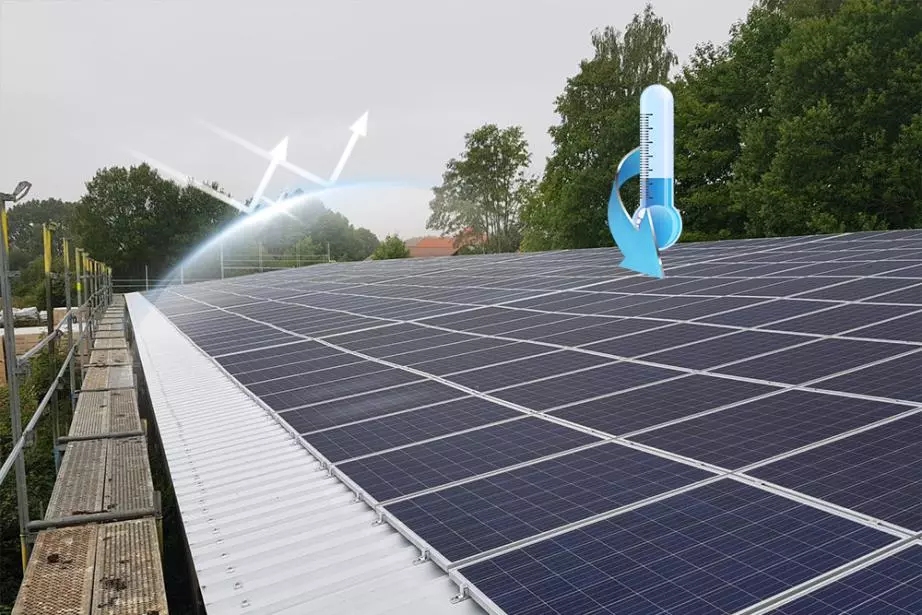
Rooftop solar systems act as a protective thermal barrier between sunlight and the roof.

Instead of solar radiation hitting the metal roof directly, photovoltaic (PV) modules absorb most of the sunlight first. Part of that energy is converted into electricity — the rest is prevented from transferring into the building.

Two key cooling mechanisms:

1. Solar Panels as a Thermal Shield

  • Panels function like a canopy, shading the roof from direct radiation
  • Compared to exposed metal roofs, solar-covered rooftops stay significantly cooler during peak sunlight hours

2. Air Gap Passive Cooling

  • Most industrial solar systems are installed with a gap between modules and roof surface
  • Continuous airflow removes rising hot air, reducing heat buildup on the roof structure

✅ Real-world result: Lower roof surface temperature = lower indoor temperature + lower cooling load

Real Benefits for Factories & Warehouses (Beyond Energy Savings)

1. Lower Energy & Cooling Costs

  • Industrial cooling systems consume大量 electricity — especially during peak hours
  • Solar reduces both grid electricity and cooling-related consumption
  • For daytime factories → substantial long-term savings

2. Improved Working Environments

  • Excessive heat reduces concentration, comfort, and productivity

  • Stable indoor temperatures benefit labor-intensive industries like:
    • Textile manufacturing
    • Food processing
    • Packaging
    • Warehousing

3. Better Protection for Equipment & Inventory

  • Temperature-sensitive machinery lasts longer
  • Heat-vulnerable products (coatings, chemicals, electronics) stay safer
  • Reduces heat-related operational risks during extreme summer periods

Best Solar Modules for Hot Climates: What to Look For

Not all solar panels perform equally in high temperatures.

Key selection criteria:

  • Low temperature coefficient (less efficiency loss as heat rises)
  • Stable high-temperature performance
  • Durability under prolonged UV and thermal cycling
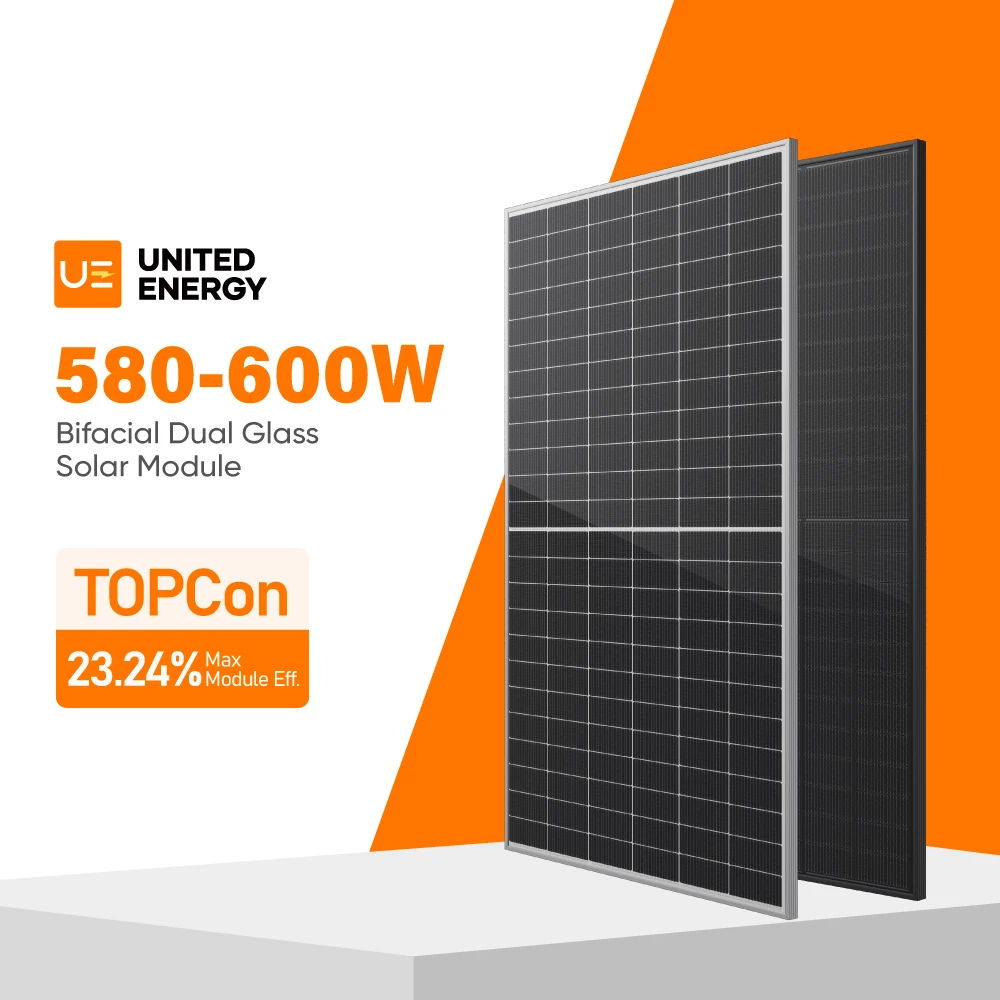
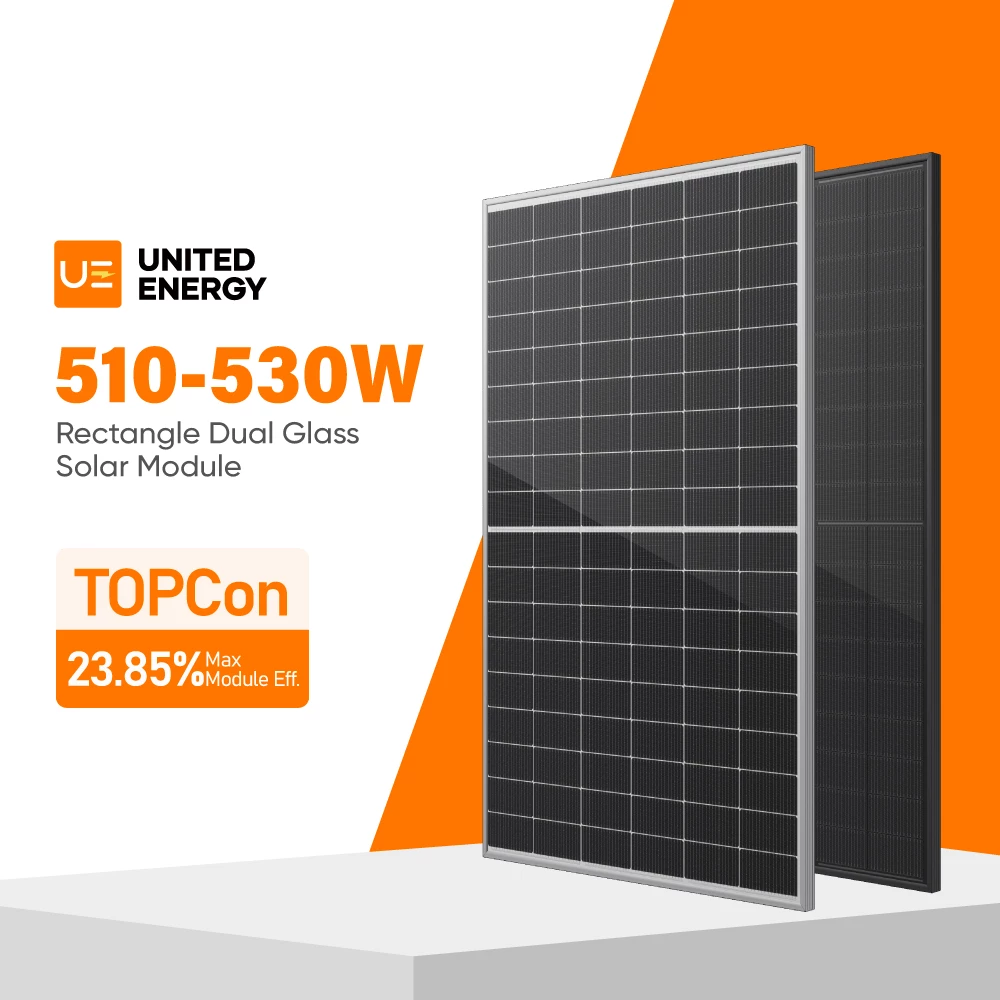
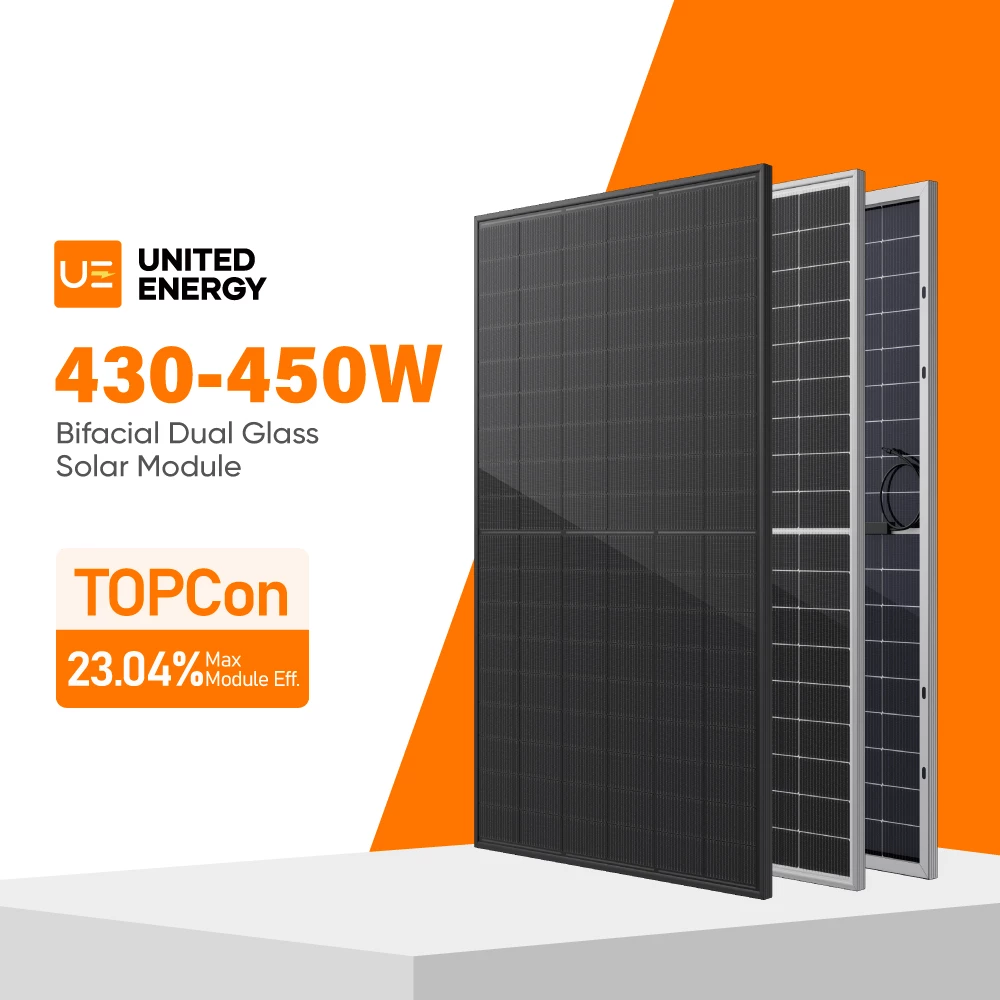
✅ N-Type TOPCon modules are increasingly preferred for industrial rooftop projects in hot regions.

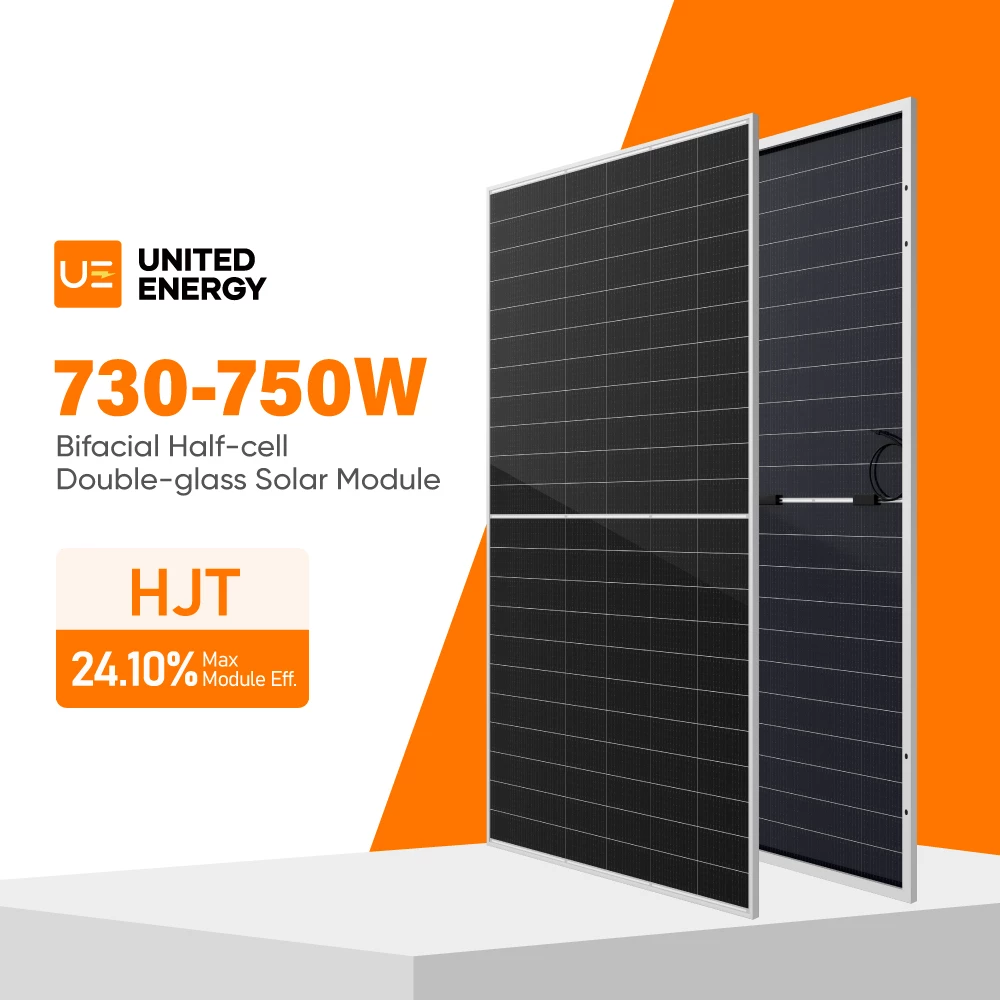
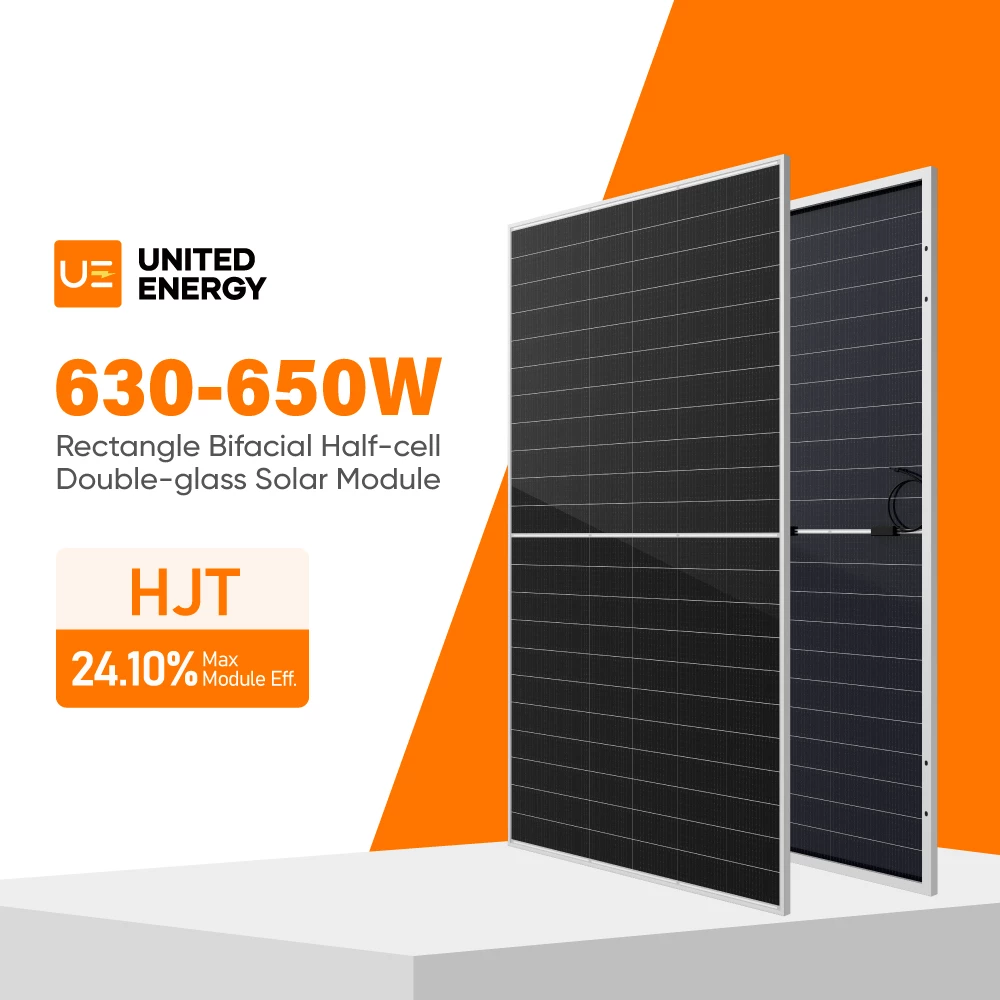
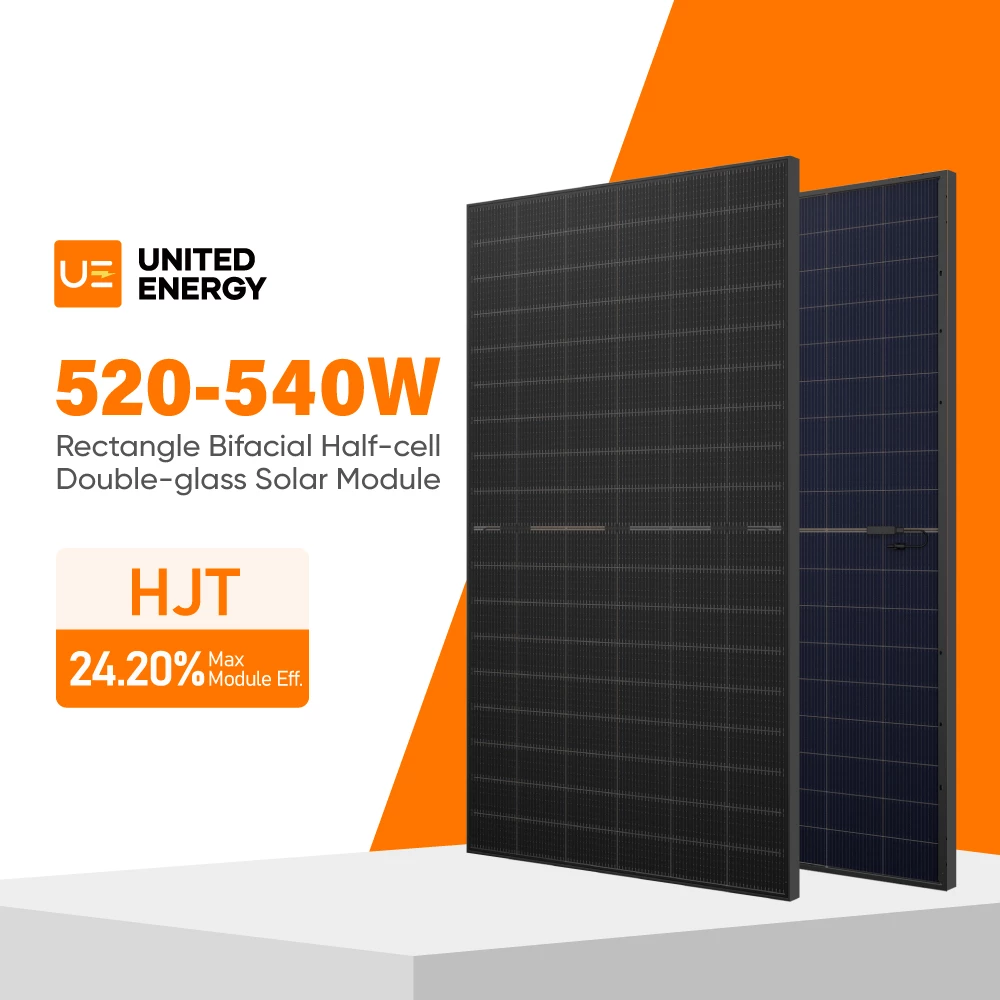
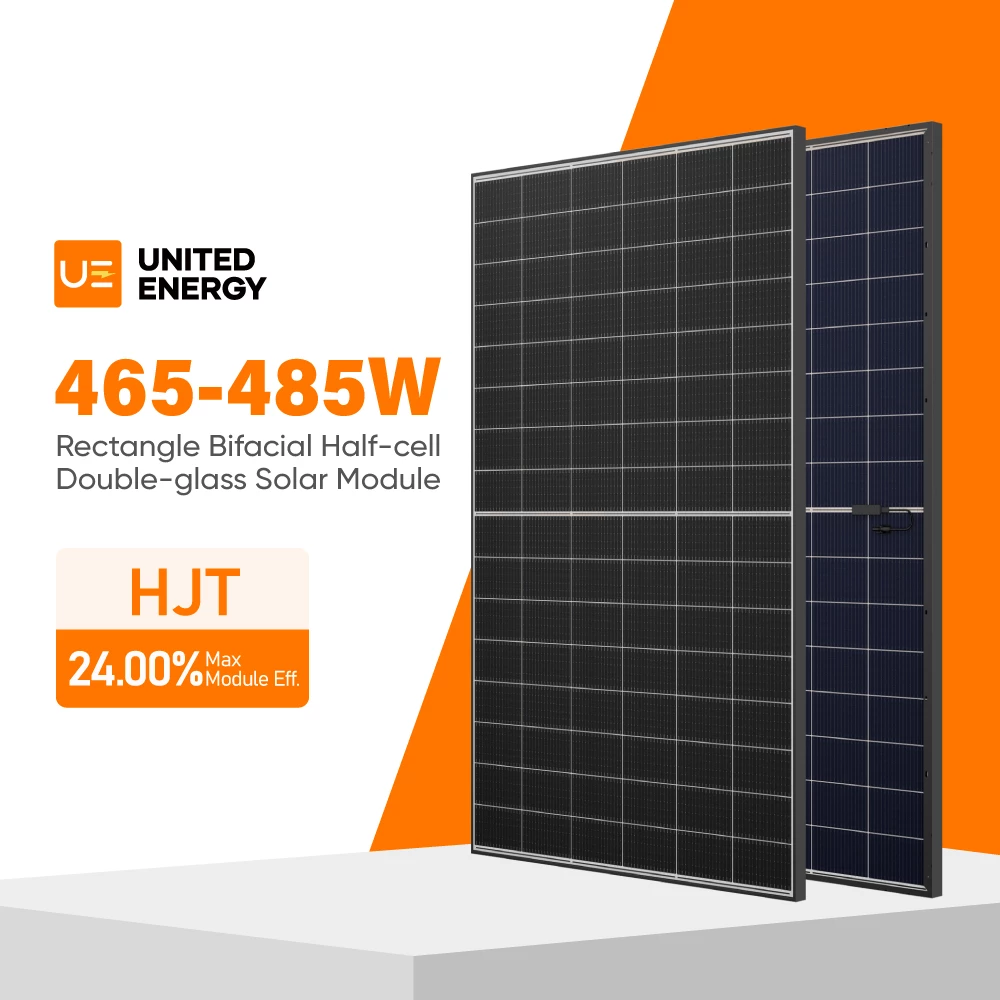
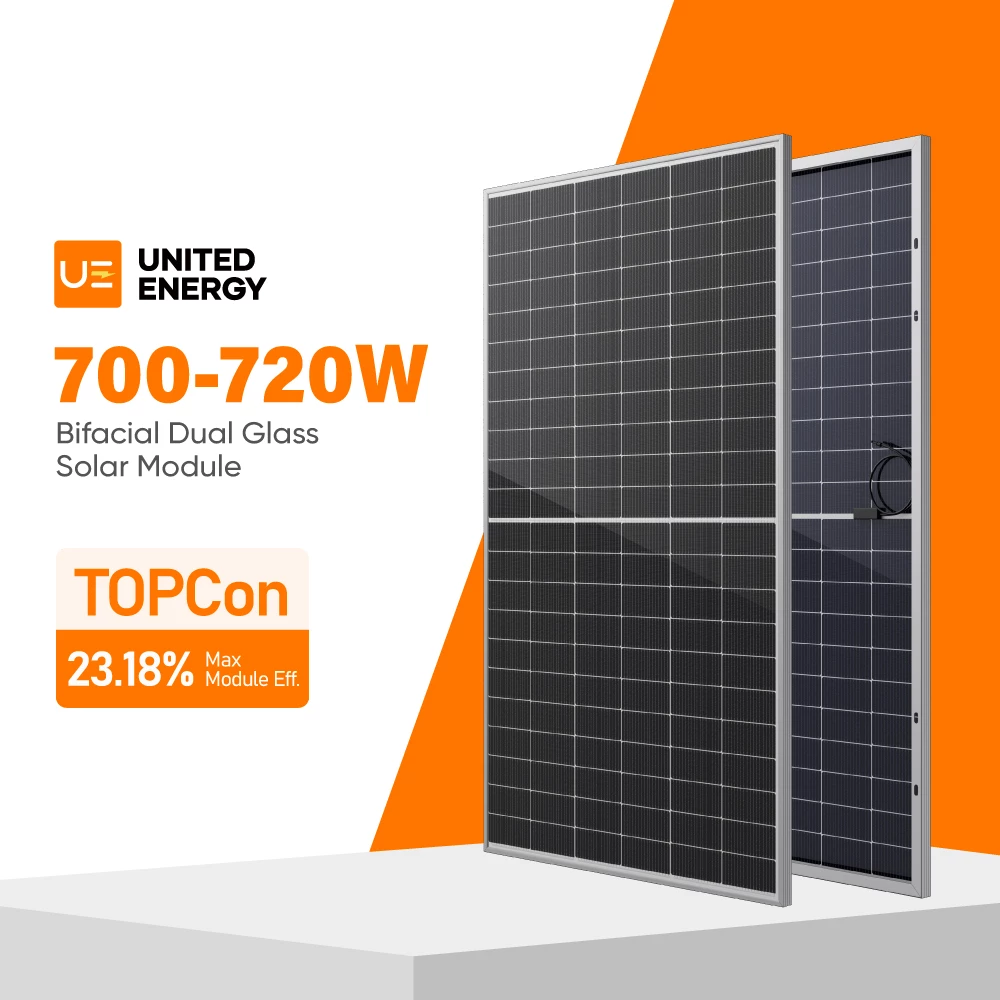
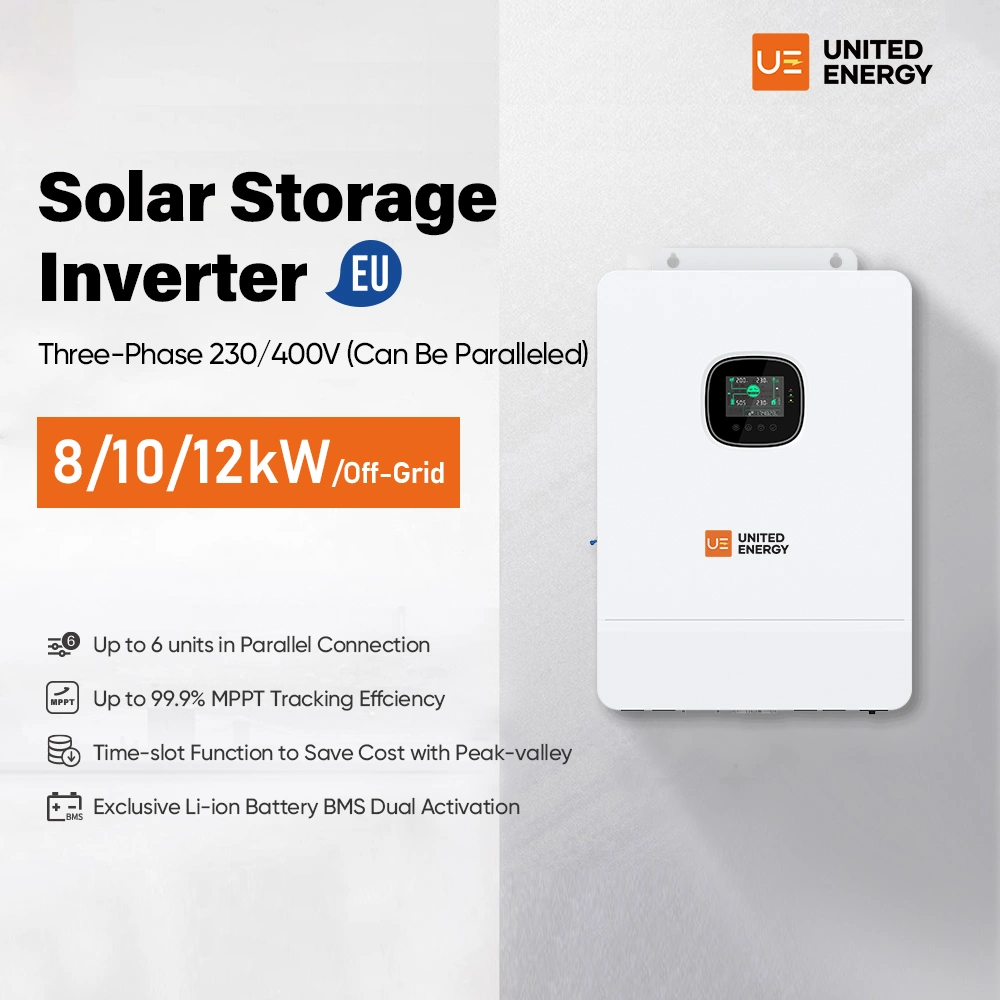
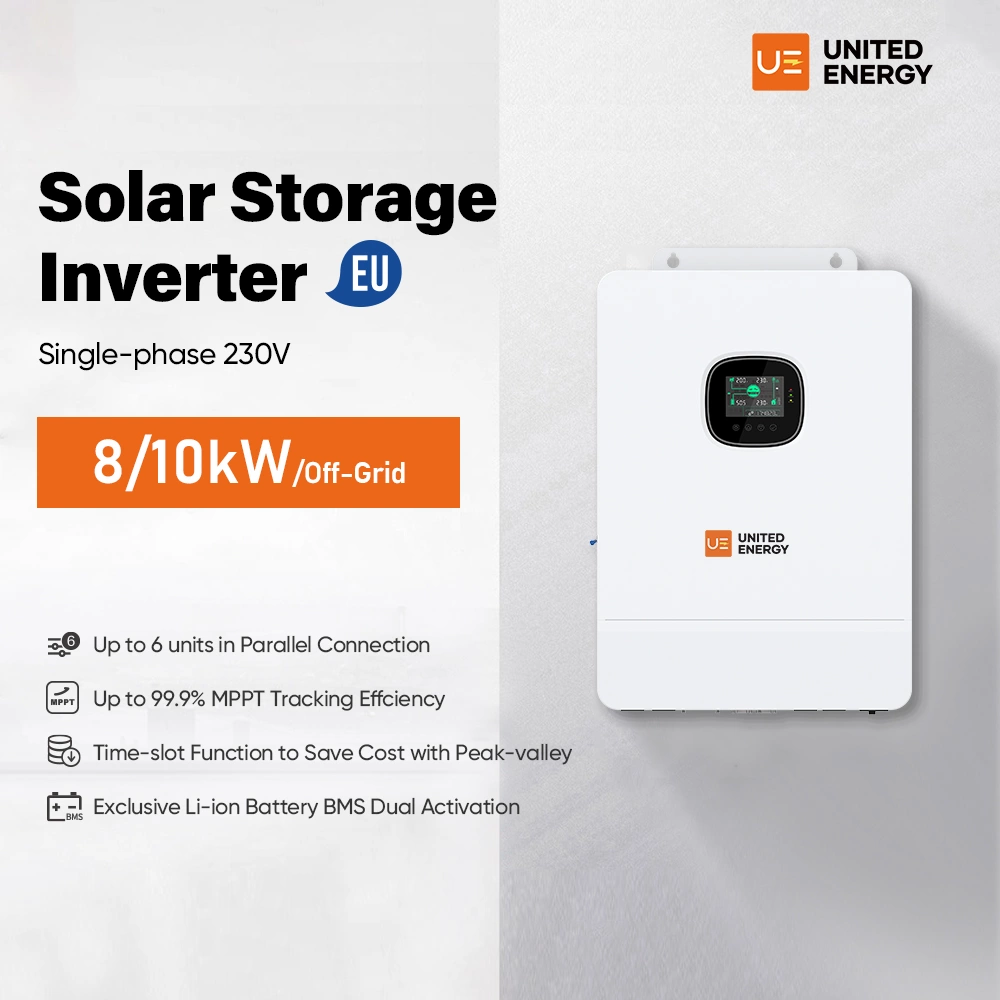
Example: United Energy 720W TOPCon Bifacial Dual Glass PV Module

  • Designed for large-scale commercial/industrial rooftops
  • Bifacial + dual-glass structure → better durability and energy yield
  • Suitable for high-temperature & high-irradiation regions

Pro tip: Pair with proper mounting ventilation and anti-soiling glass coatings to improve efficiency and reduce maintenance in dusty environments.

Rooftop Solar as a Heat Management Strategy (Not Just Electricity Savings)

Traditionally, factories invested in solar mainly to cut electricity costs.

Now, rising temperatures and operational pressure are changing that calculation.

Rooftop solar is evolving from a cost-saving asset into a long-term infrastructure investment for:

  • Energy efficiency
  • Indoor heat reduction
  • Operational stability
  • Better working conditions

As extreme heat events become more frequent worldwide, industrial rooftop solar is becoming a practical, long-term heat management solution.

Conclusion: Rooftop Solar Helps Factories Stay Cooler & More Competitive

For industrial facilities facing rising temperatures and cooling costs, rooftop solar delivers two critical benefits:

  1. On-site power generation
  2. Reduced roof heat gain

By turning unused rooftops into productive energy assets, businesses can:

  • Lower electricity consumption
  • Improve building thermal performance
  • Support long-term operational efficiency

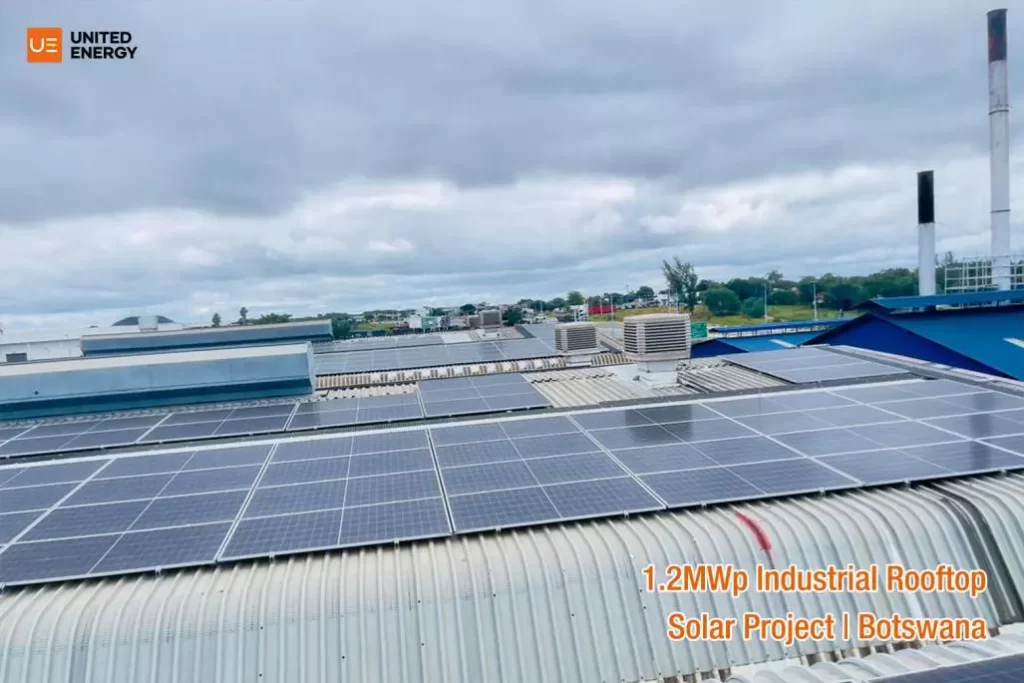
United Energy provides customized rooftop solar solutions for factories, warehouses, and industrial buildings in high-temperature regions worldwide.