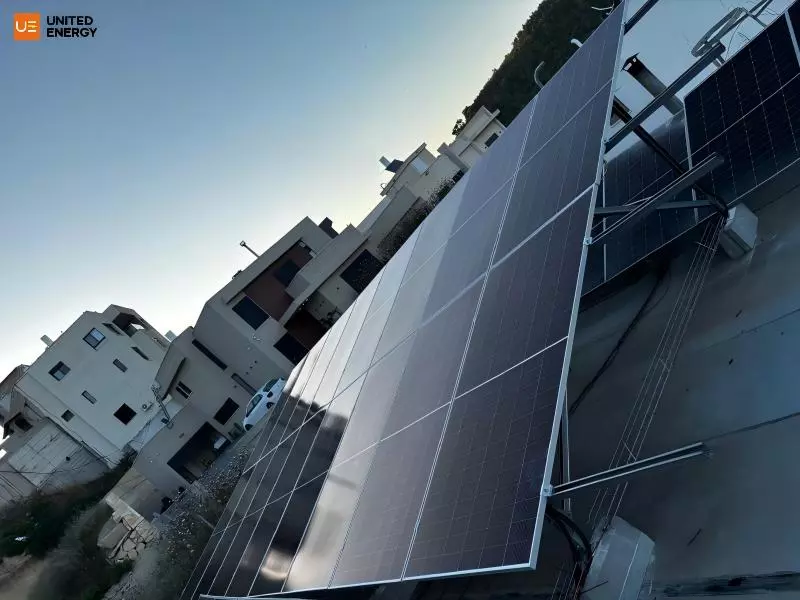
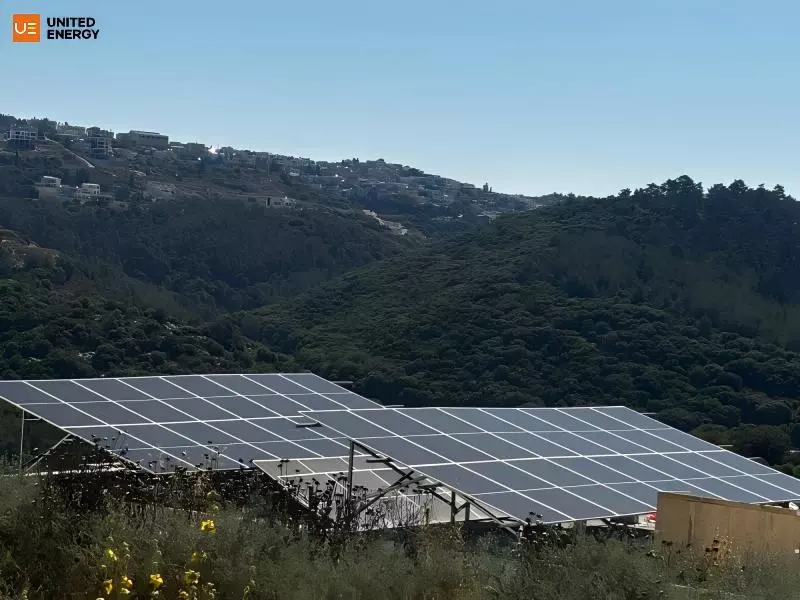
High electricity costs. Unreliable grid power. Tough weather conditions.
When David came to us, he was struggling with exorbitant electricity bills and a highly unreliable suburban power grid.
As an experienced local electrician and the owner of a small family dairy farm, David knew exactly what stable power meant to his livelihood. With over 30 dairy cows, the farm was his family's primary source of income. It relied heavily on energy-intensive equipment like automatic milking machines, cold storage, and ventilation systems, driving his monthly electricity costs to around $700. To make matters worse, located at the very end of the grid, his power supply was highly unstable. He had to rely on a diesel generator as a backup, but running this "money pit" was draining his profits.
David was determined to change this and ensure the farm could operate stably and efficiently for the next 20 years, even under harsh local conditions. Being an expert in the field, he knew exactly what to look for in a system: product quality, system compatibility, installation conditions, and long-term maintenance were all non-negotiable.
So, the question was never, “What is the cheapest system we can provide?” It was: “What system makes the absolute most sense for David and his farm?”
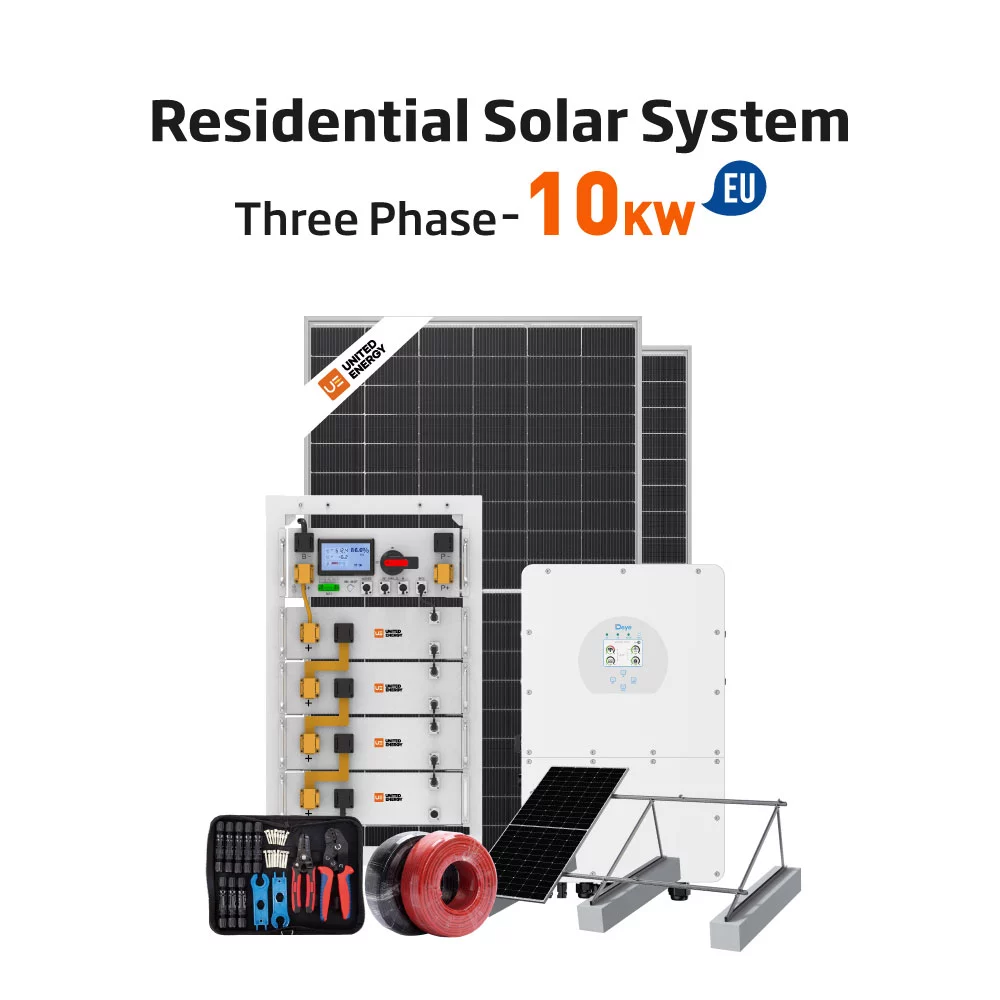
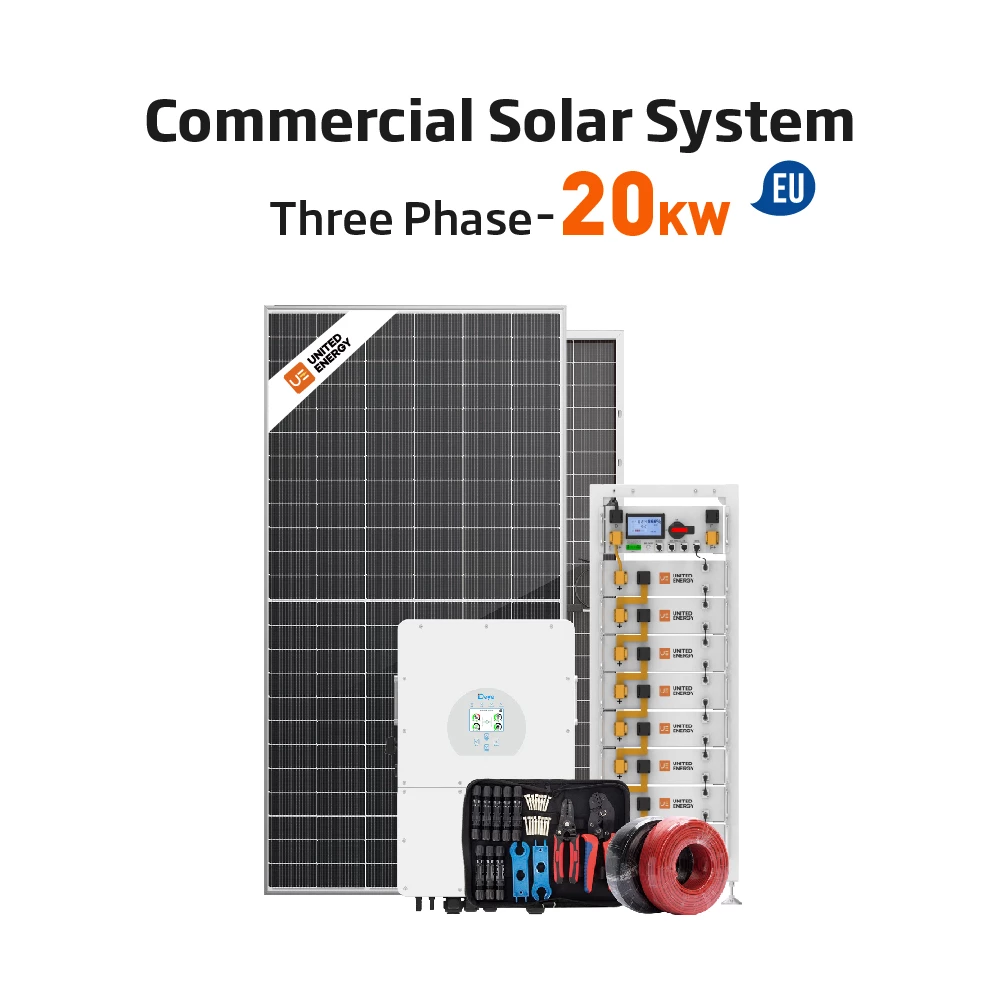
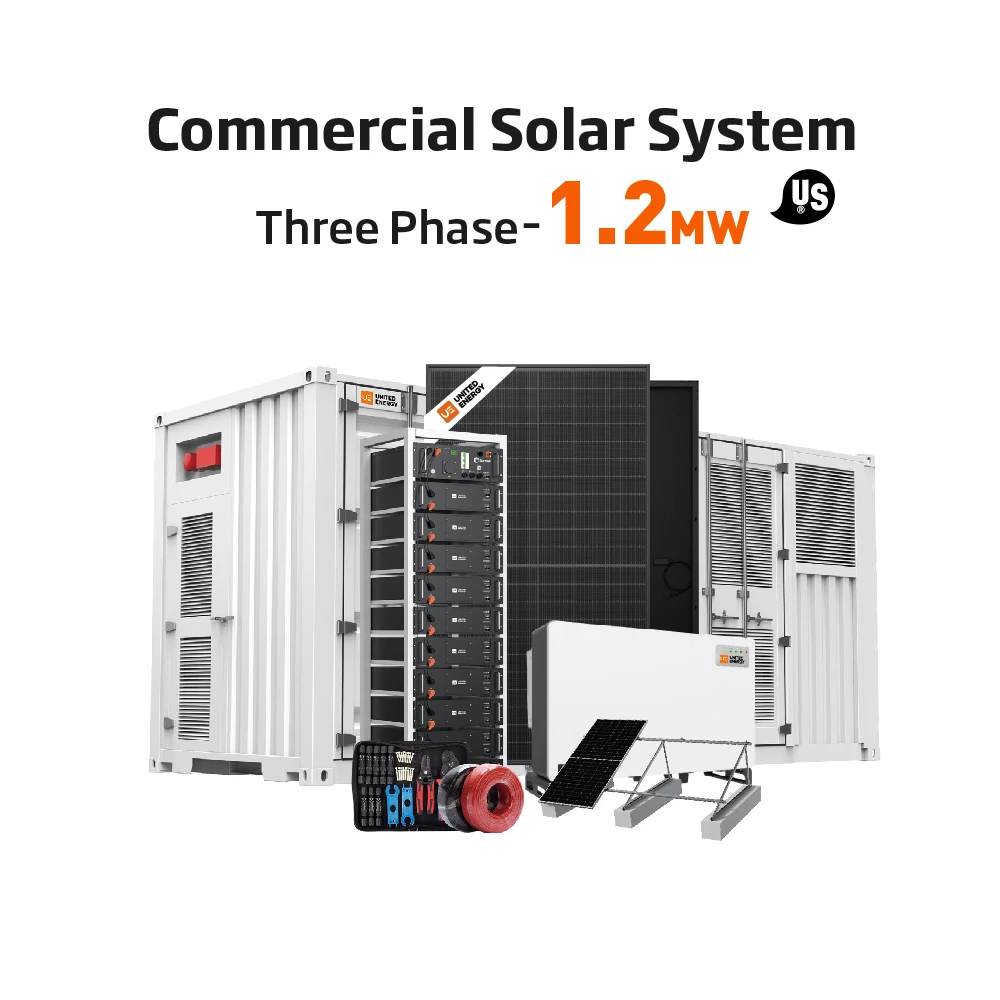
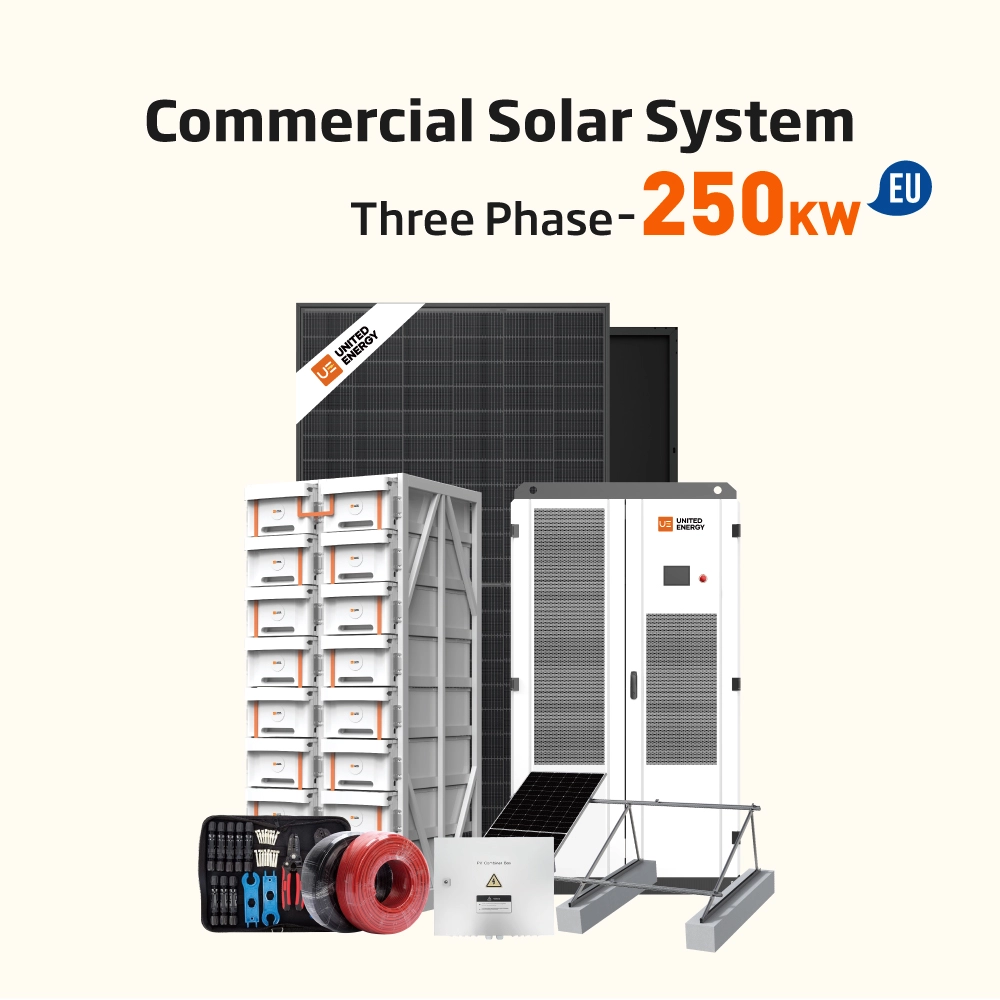
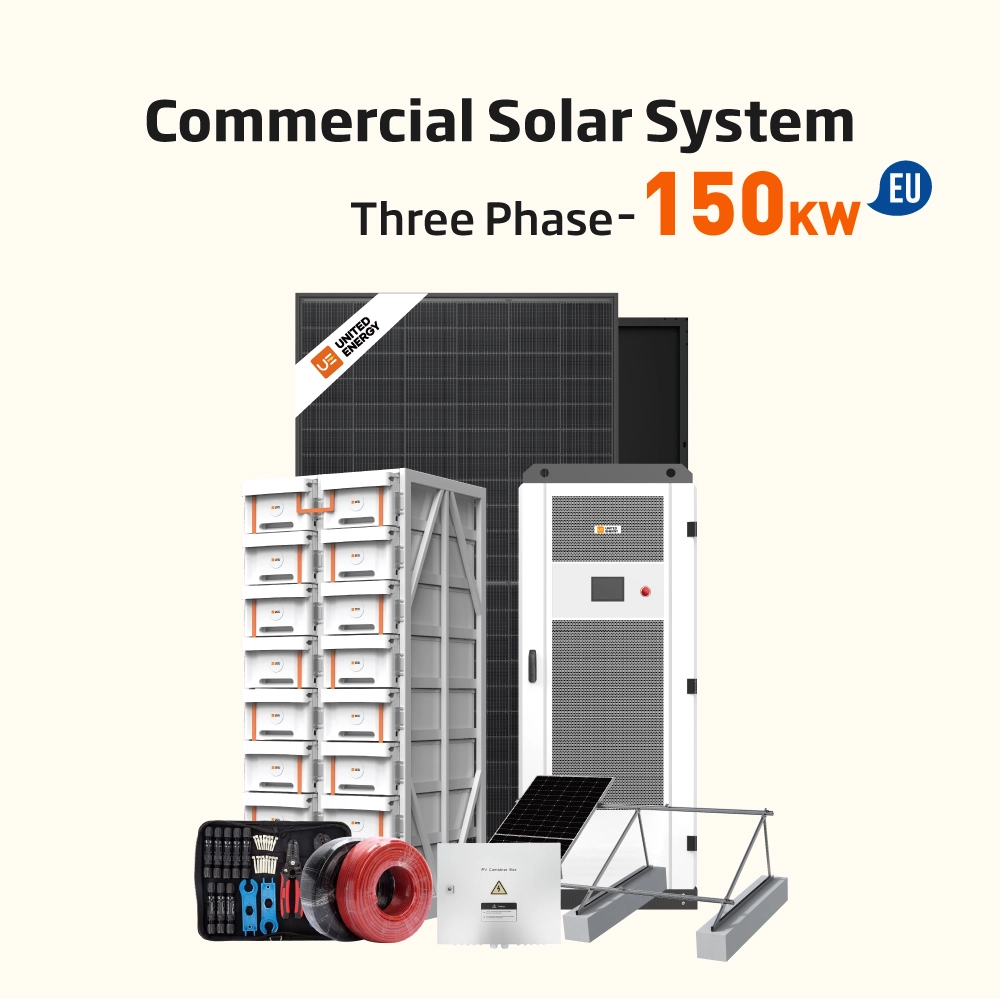
Based on his real-world pain points and professional requirements, we designed a tailored 31.2kW PV + 61.44kWh ESS system. This solution not only slashes his daily electricity costs but also provides rock-solid backup power whenever the grid fails.
The Challenge: Save More, Stay Powered
The customer's needs came down to three points.
1. Reduce electricity costs
High electricity costs made self-consumption the first priority. Solar power can be used directly by the loads, reducing the amount of electricity purchased from the grid.
2. Have power when the grid is unavailable
Grid outages create another challenge. A PV-only system cannot provide backup power during a grid outage, so battery storage was added to keep selected loads running when needed.
3. Built for long-term use
The customer was particularly concerned about component quality and durability. With strong winds and demanding outdoor conditions, the PV modules needed to be selected with reliability in mind—not simply based on price.
Project Configuration
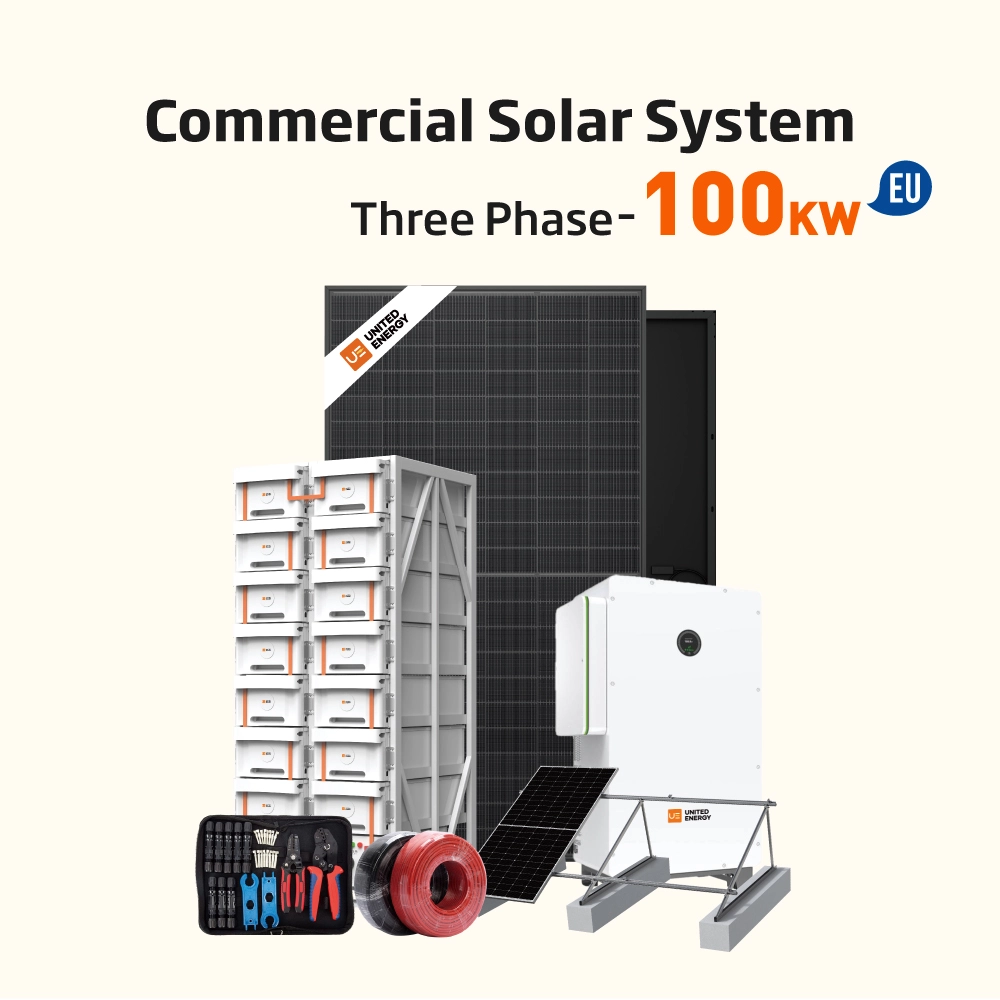
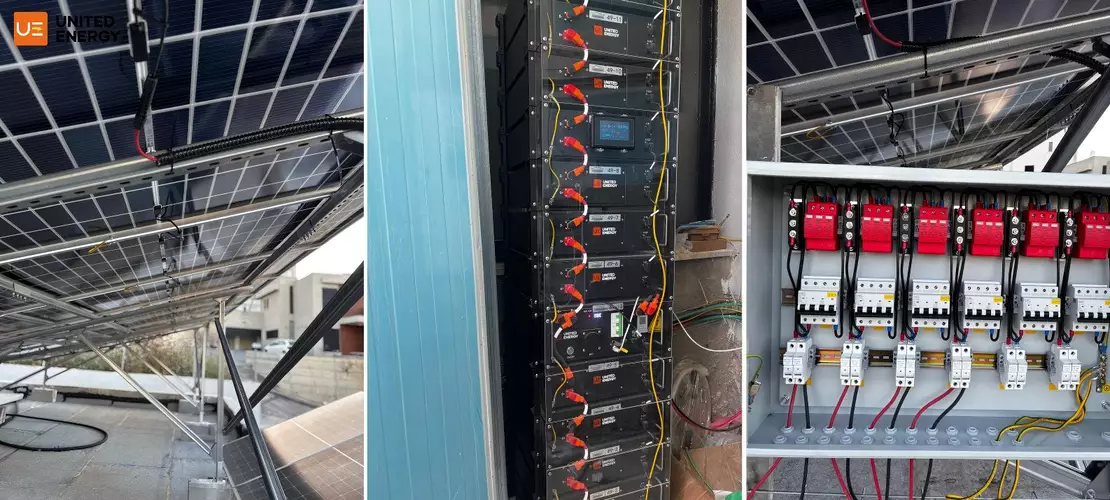
| Product | Specification | Advantage |
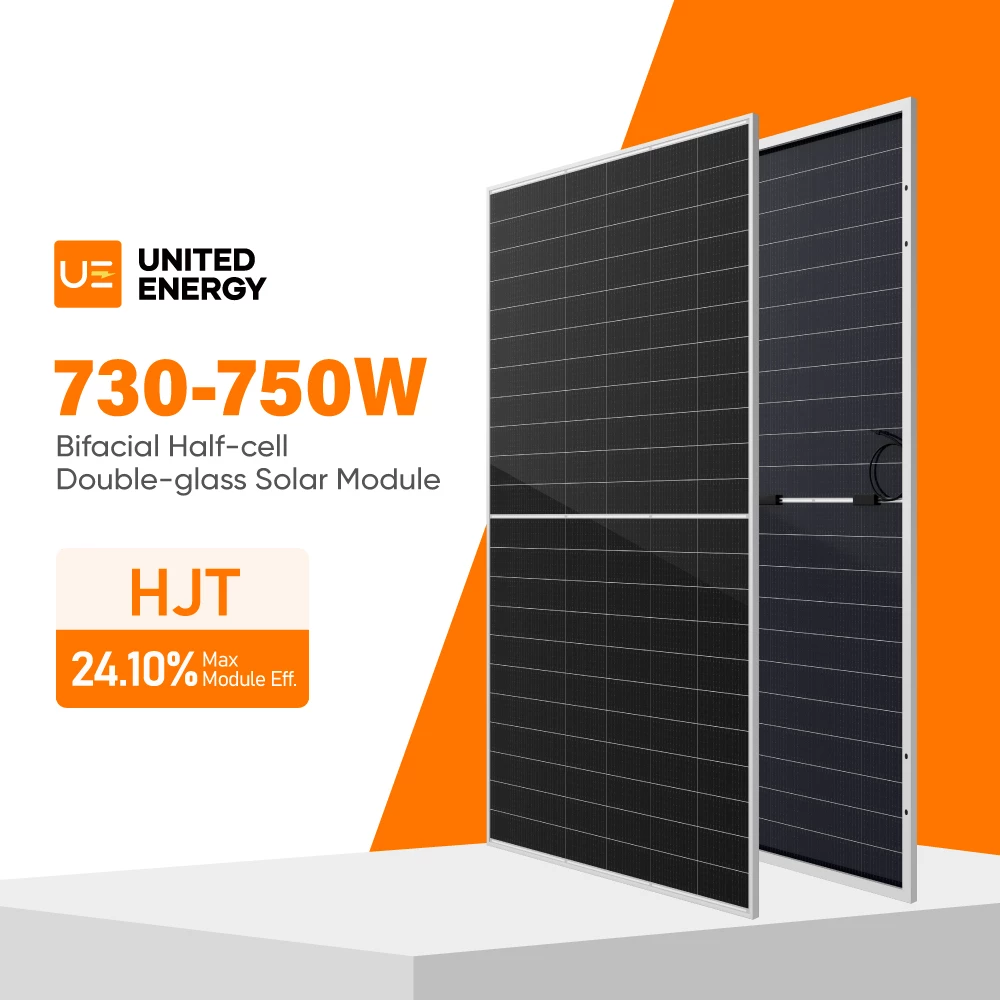
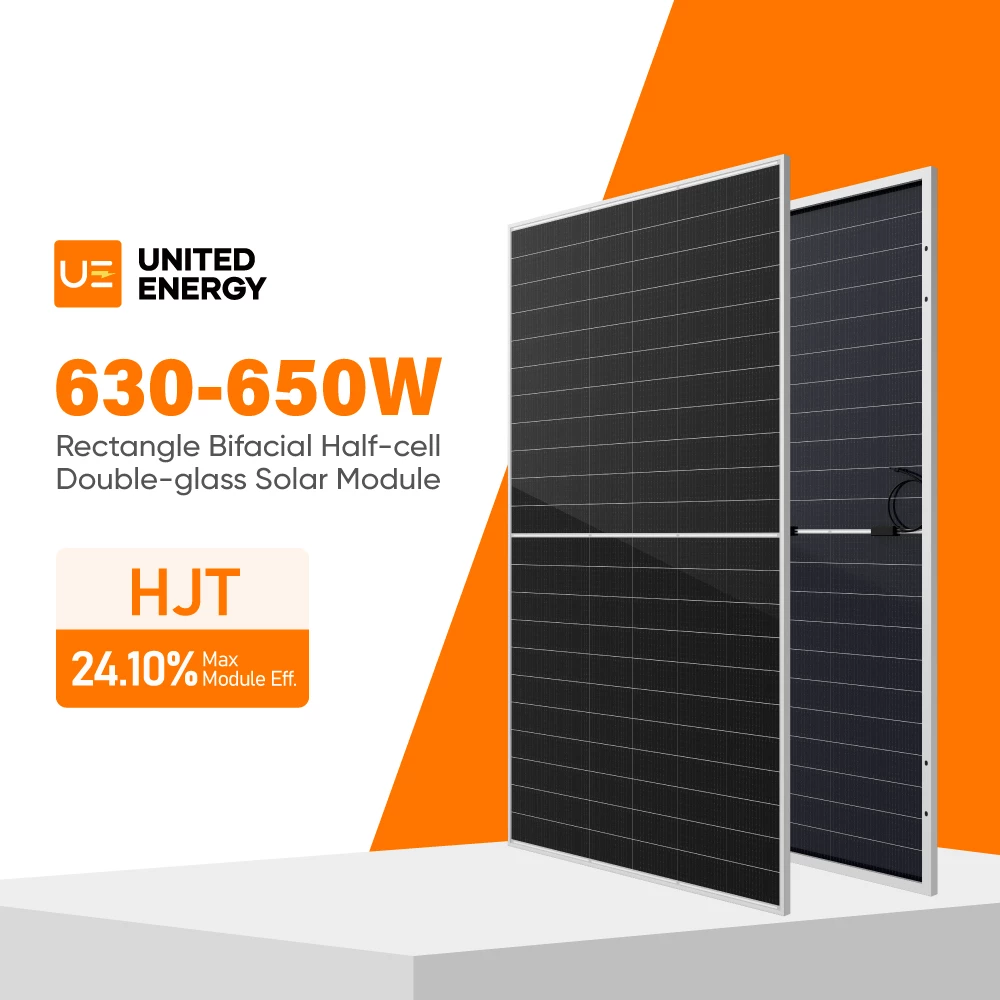
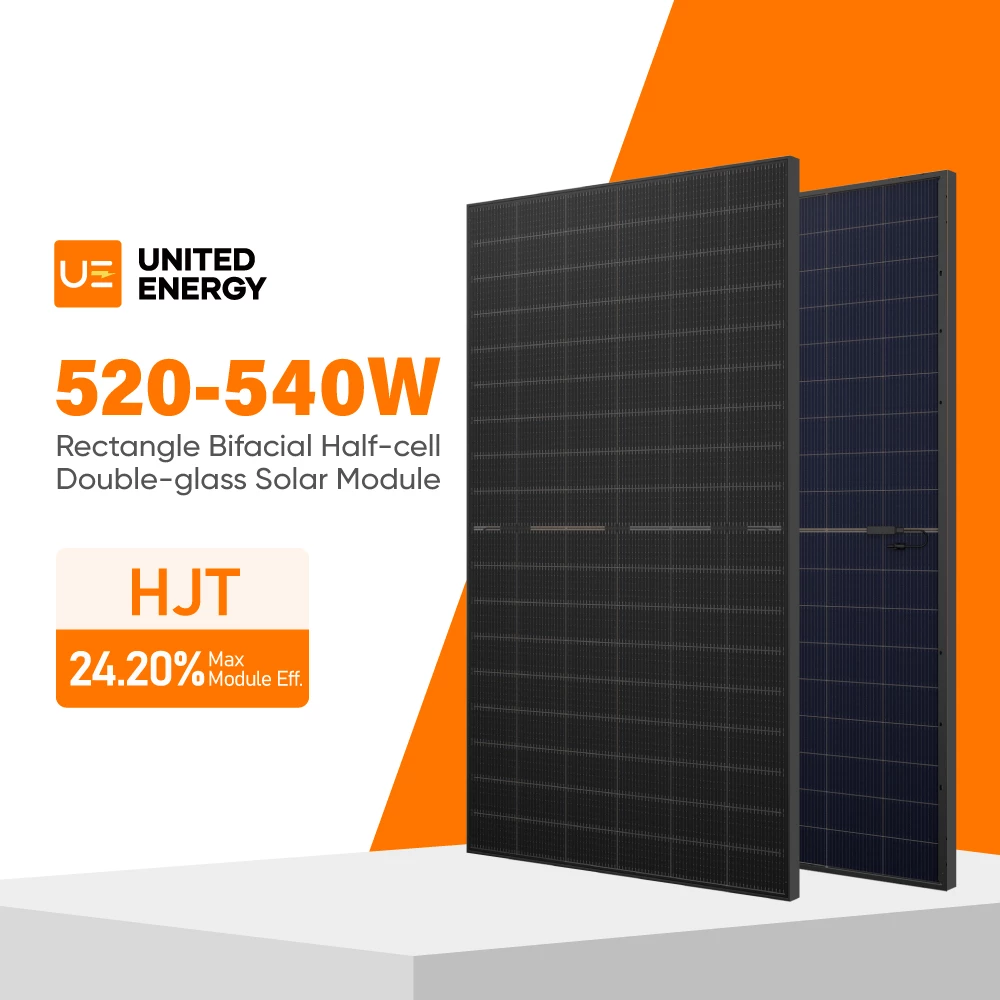
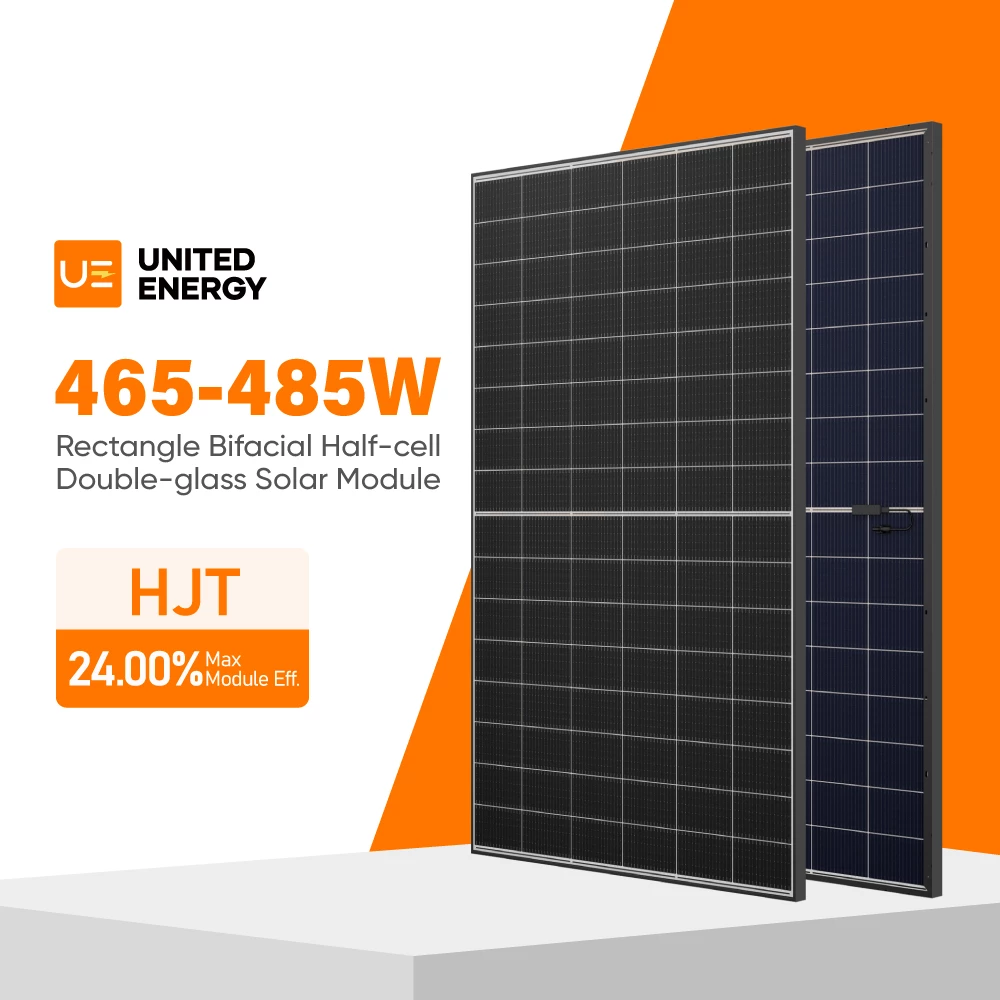
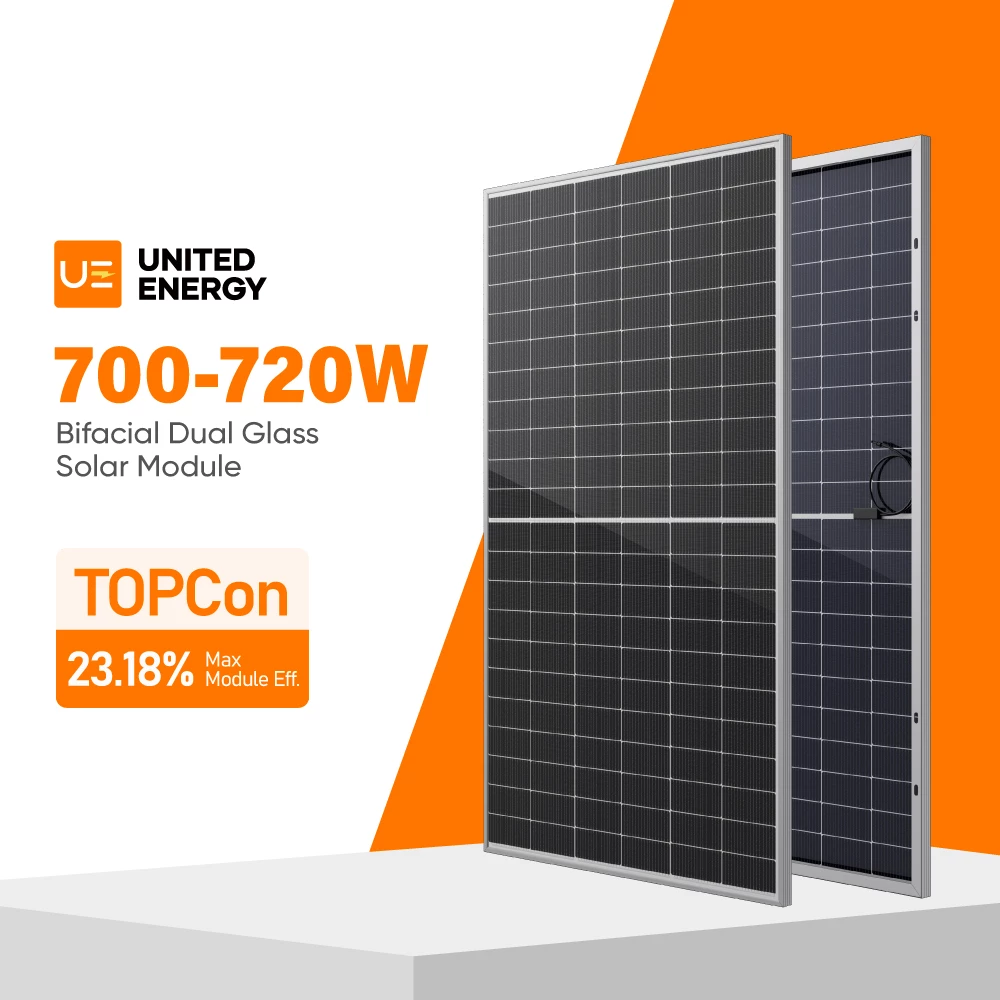
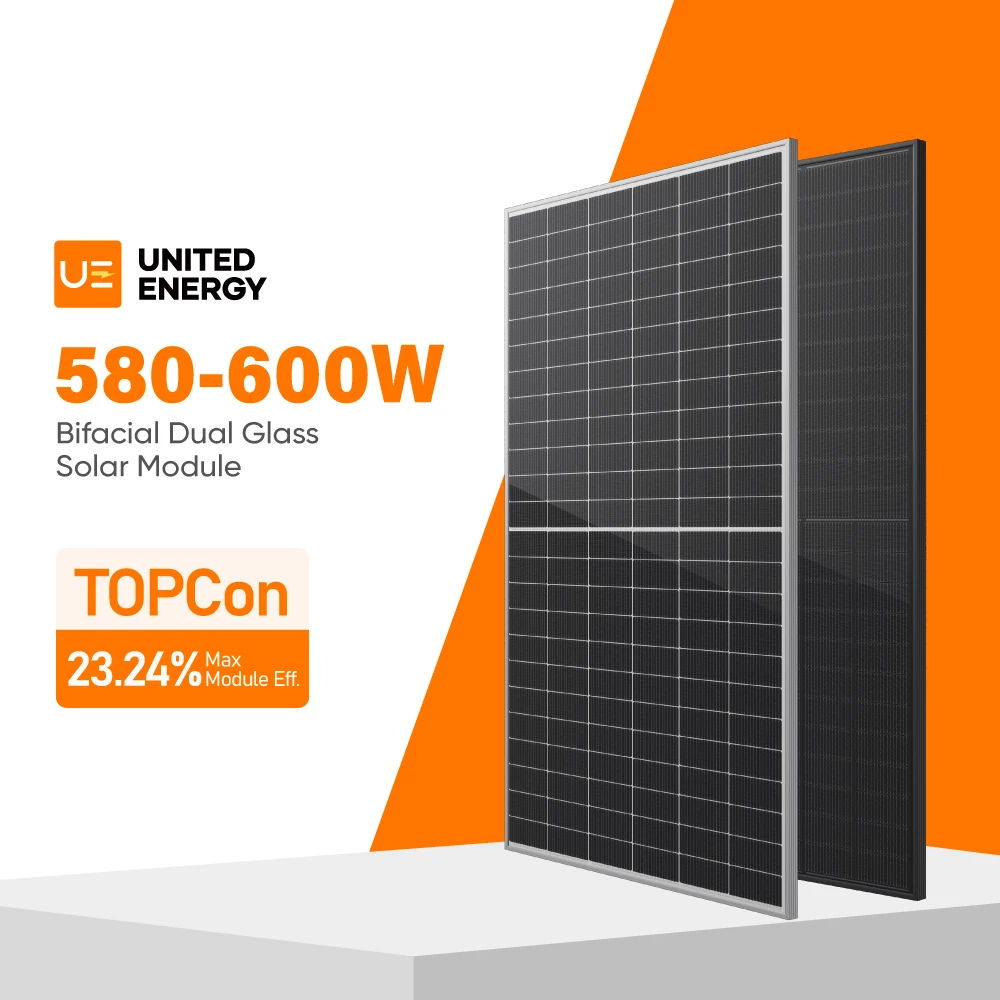
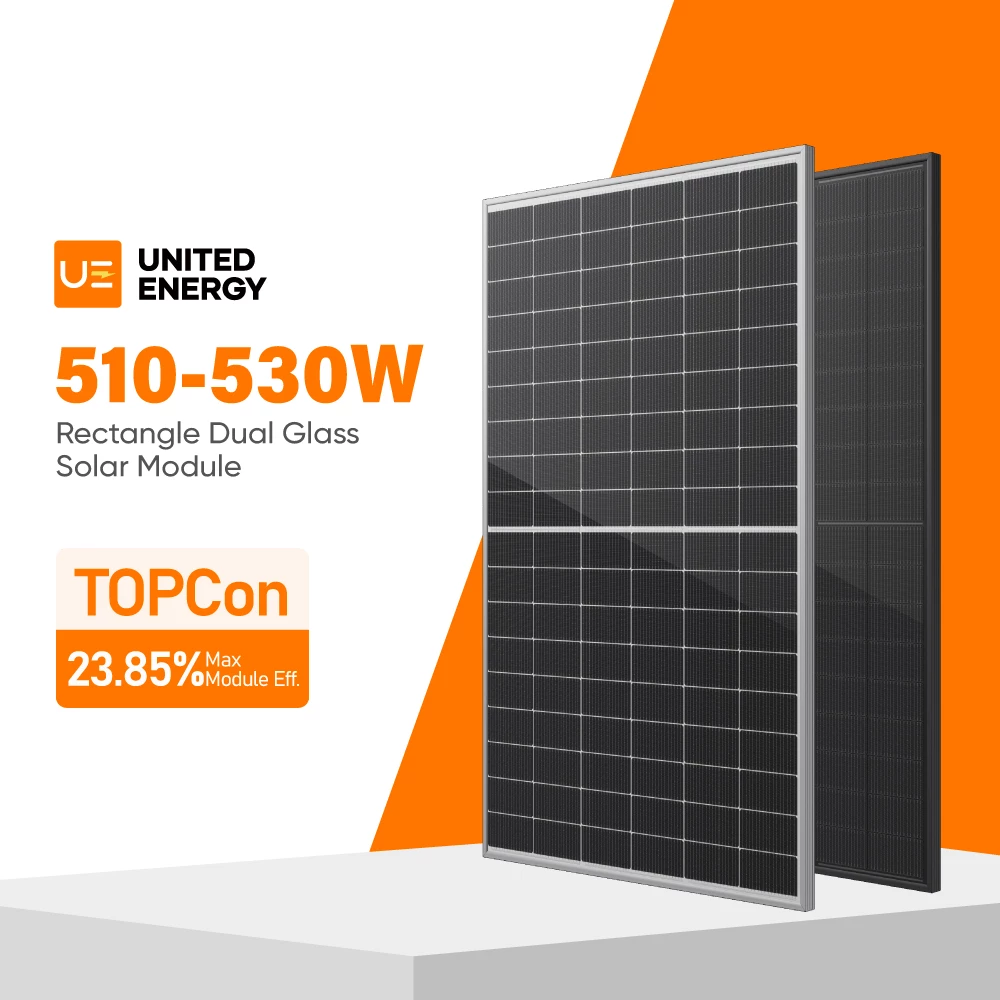
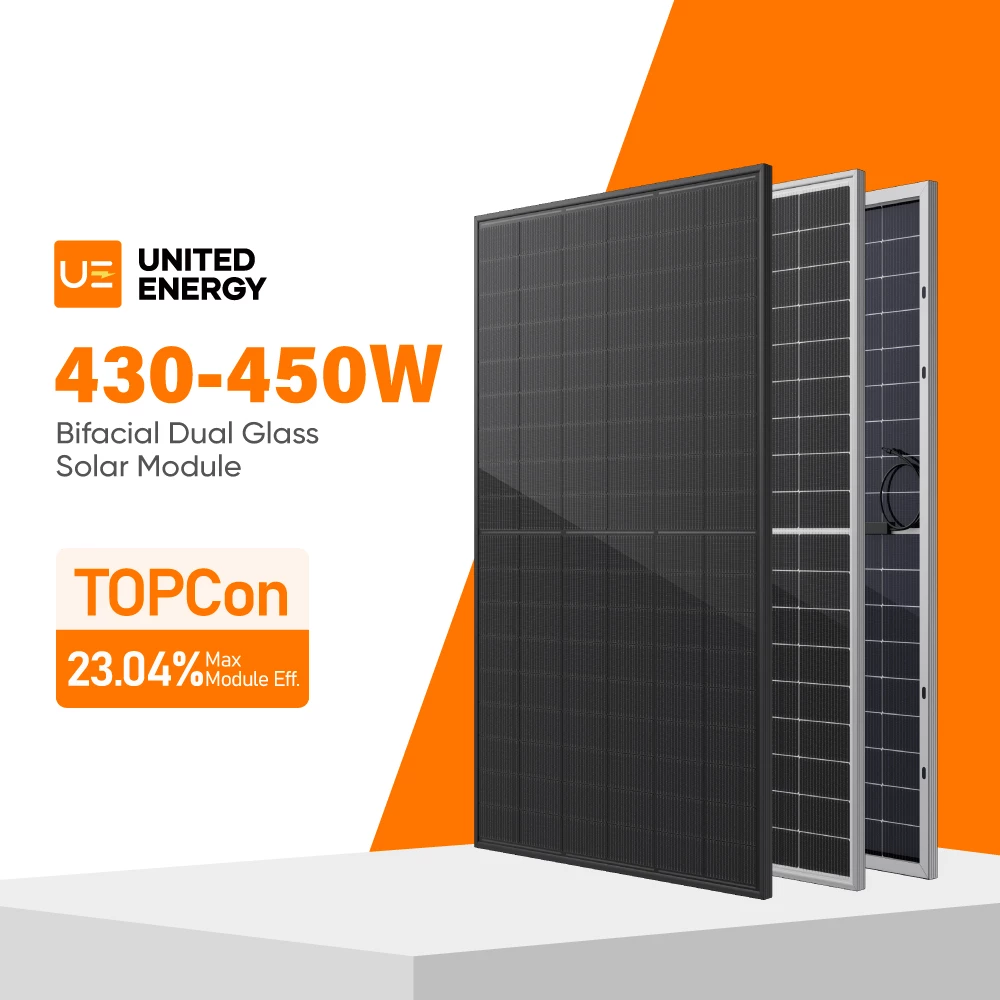
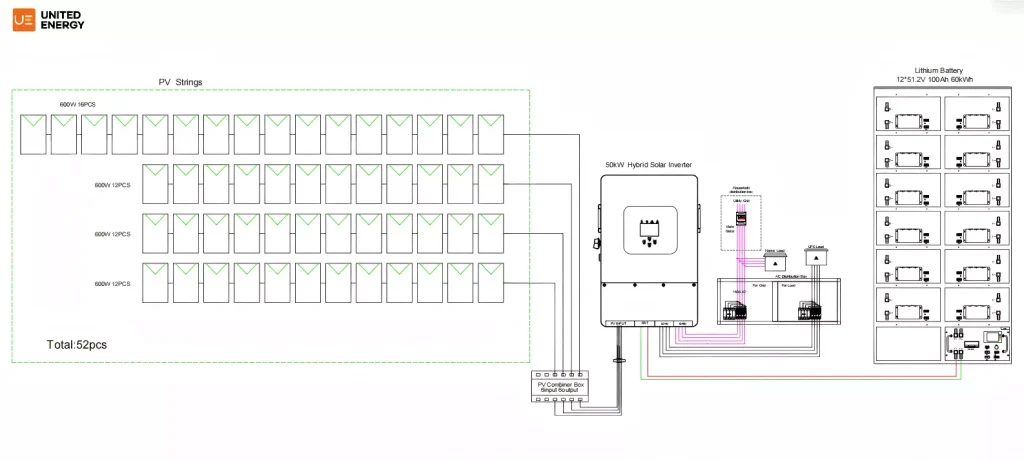
| Solar Panel | 600W TOPCon Bifacial Dual Glass Module x 52 Pcs | High efficiency, robust dual-glass design for high wind areas |
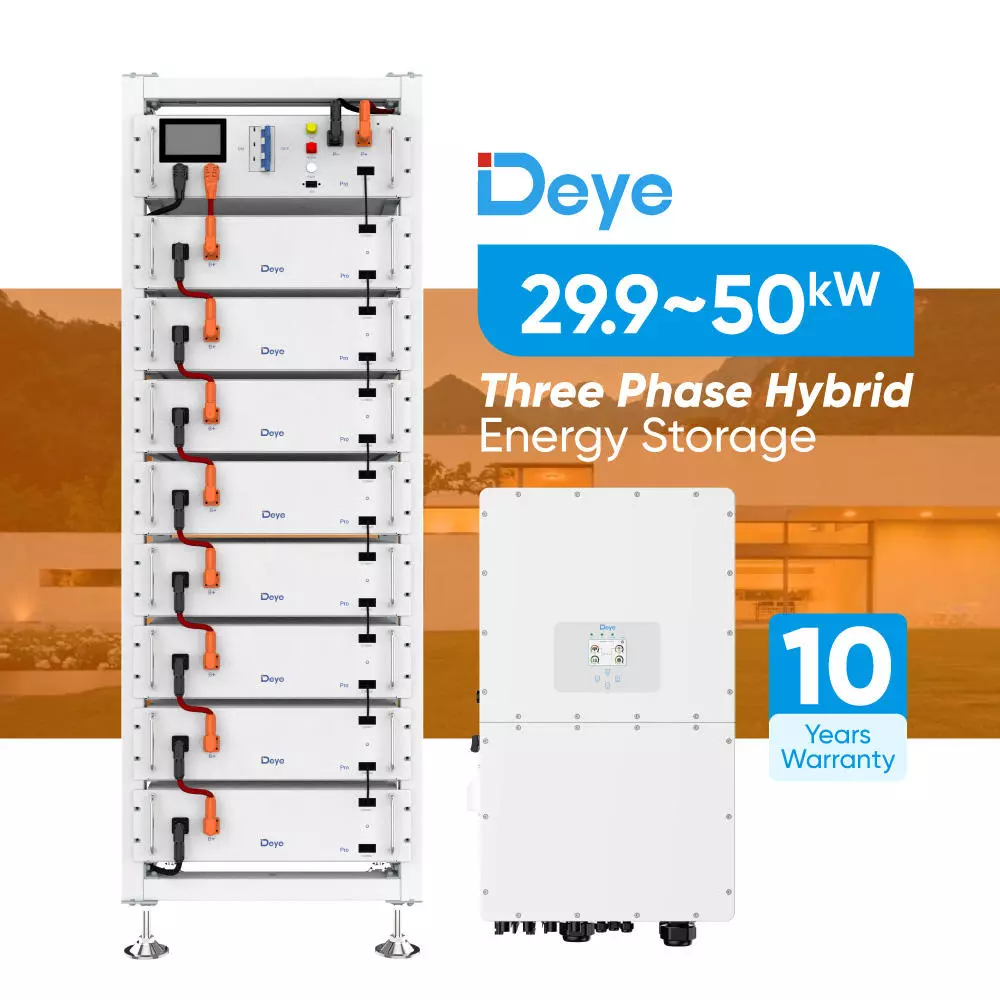
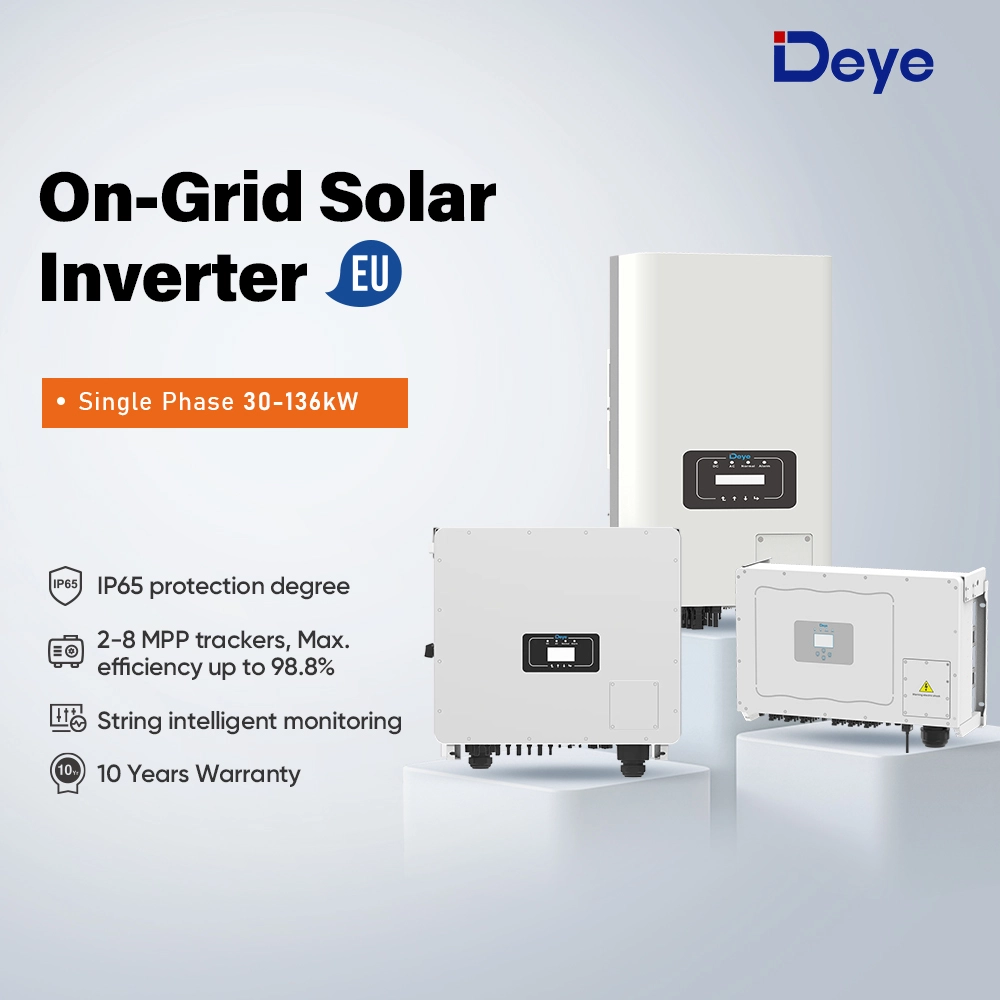
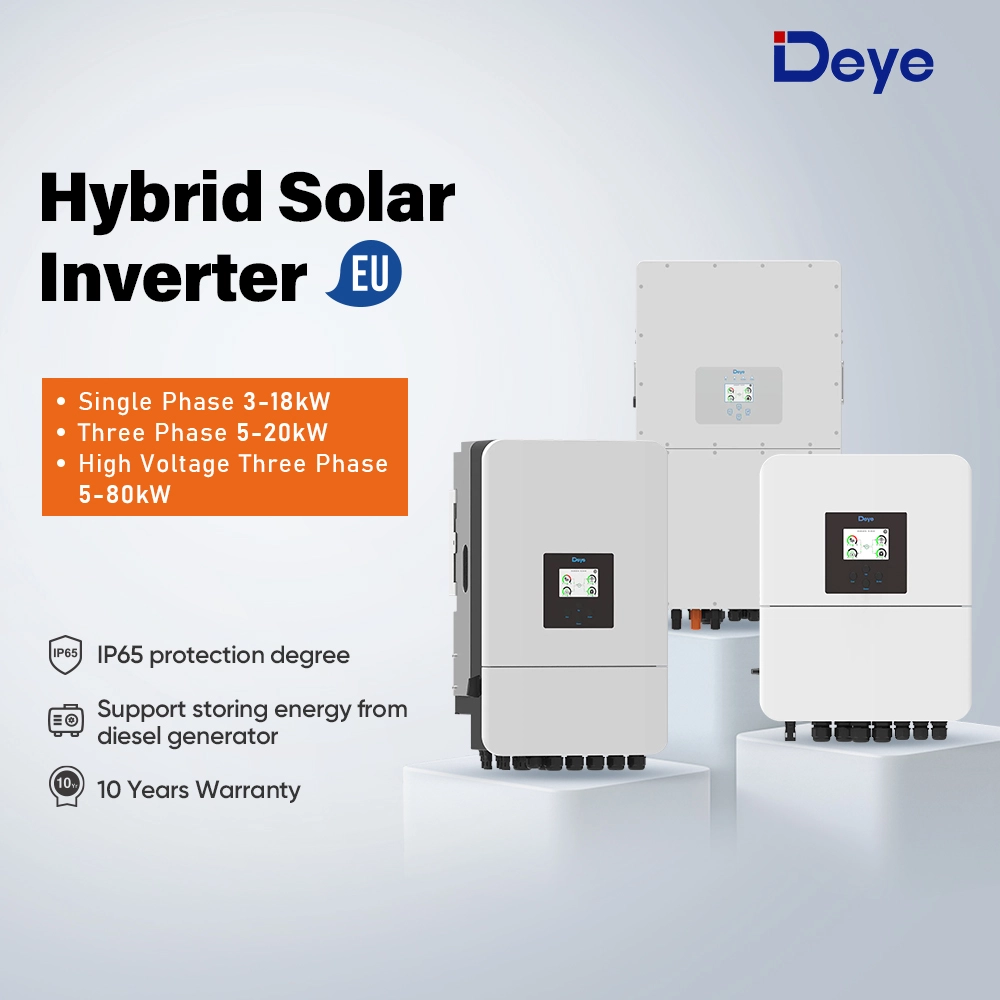
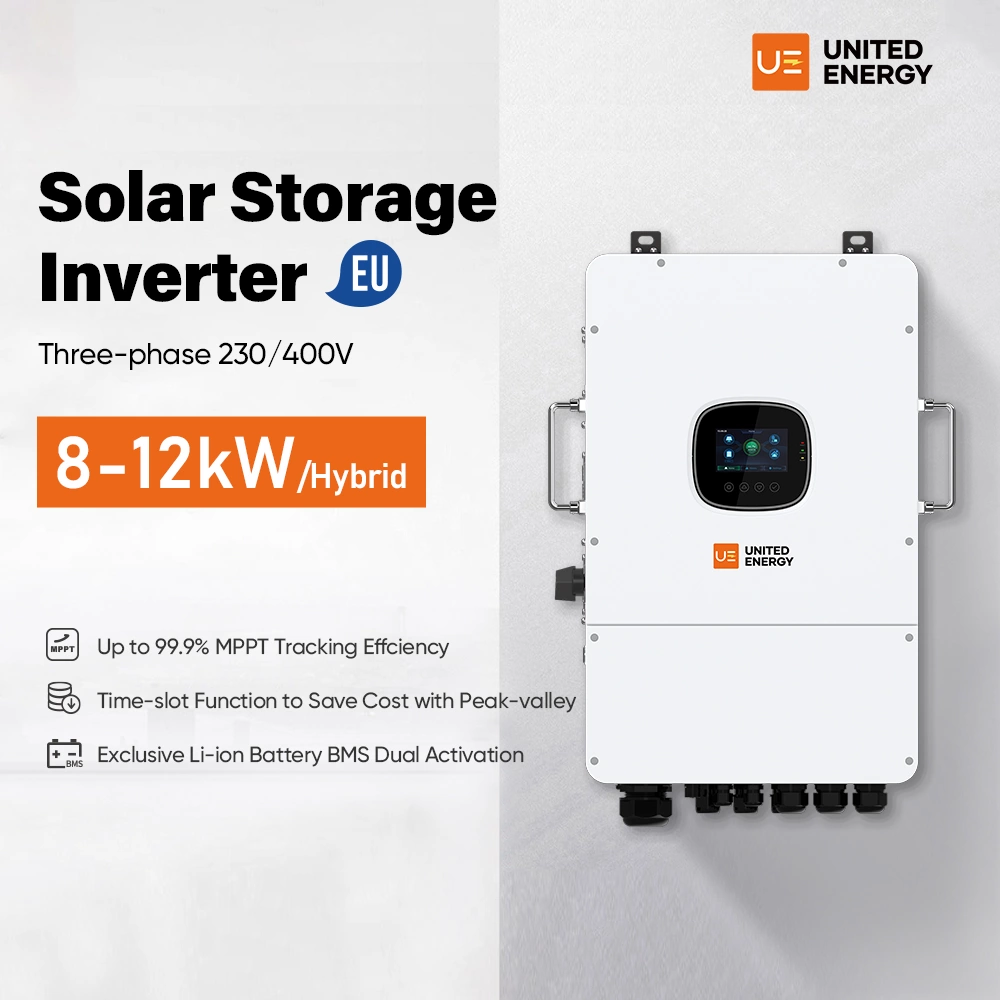
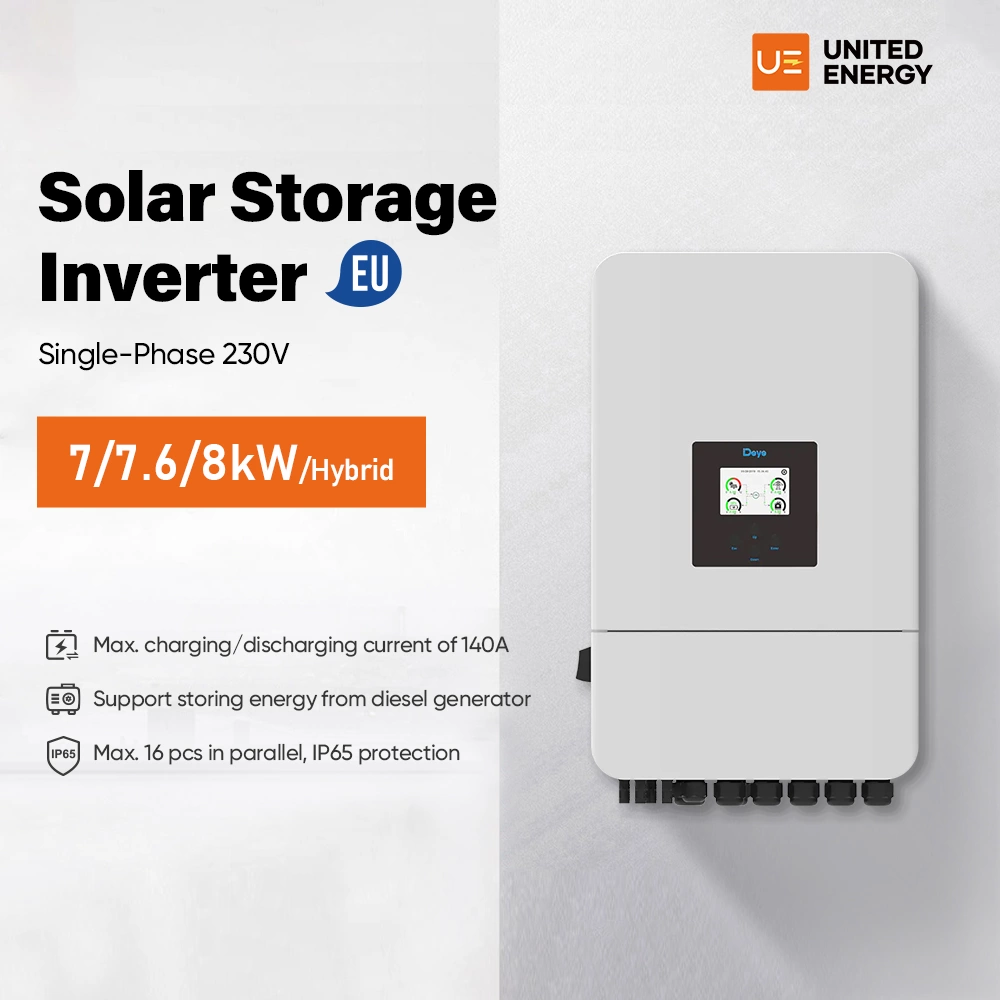
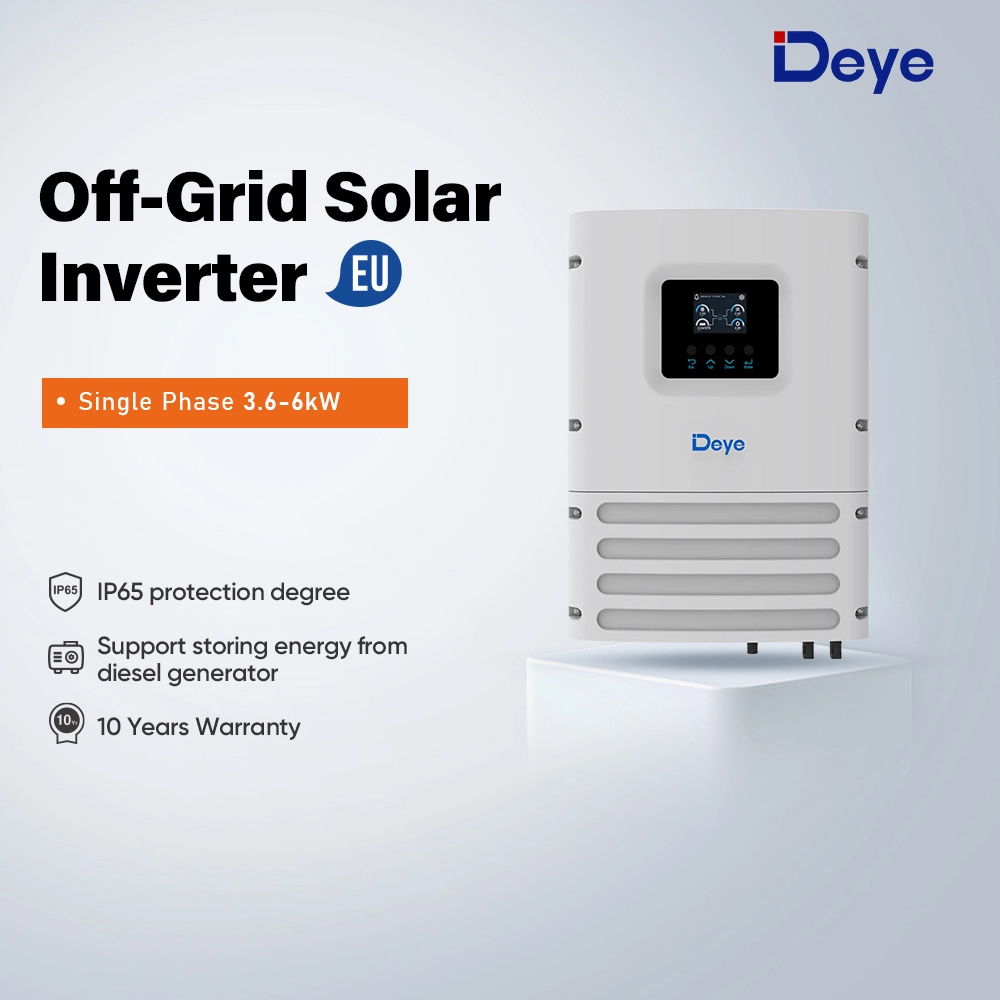
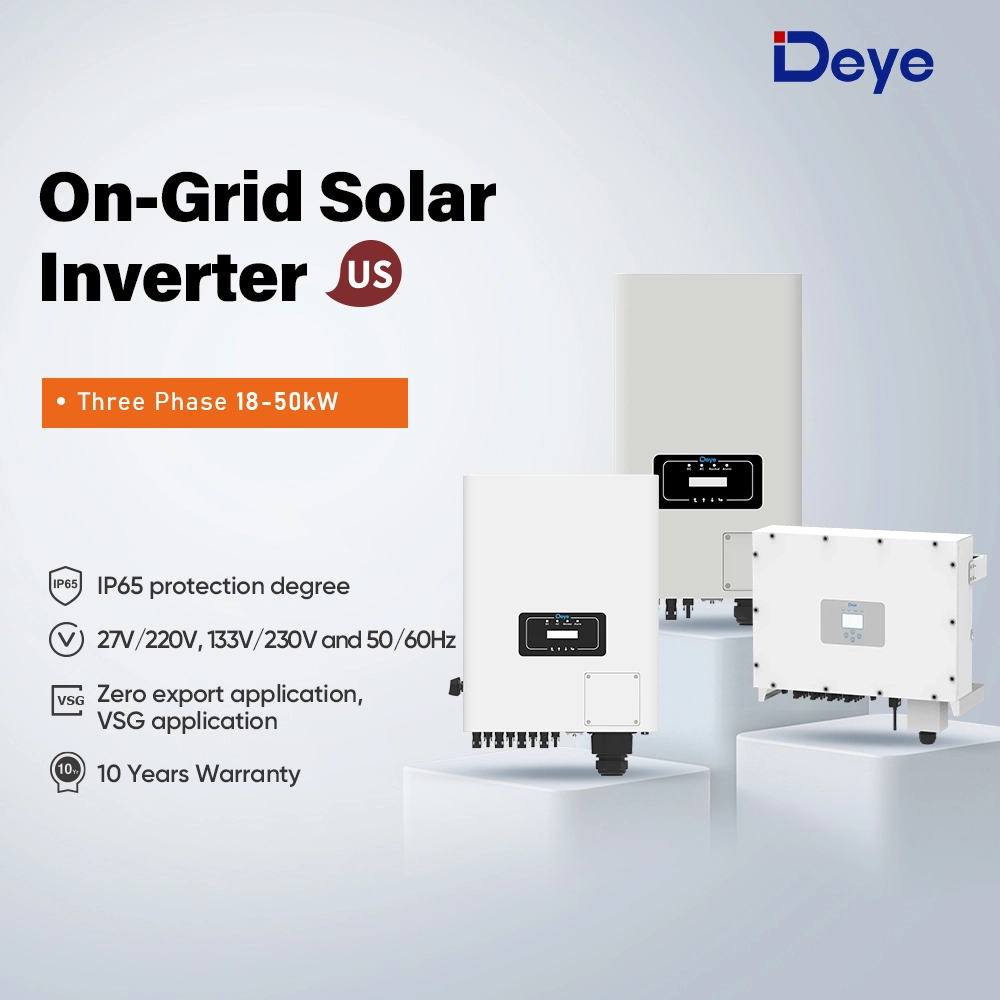
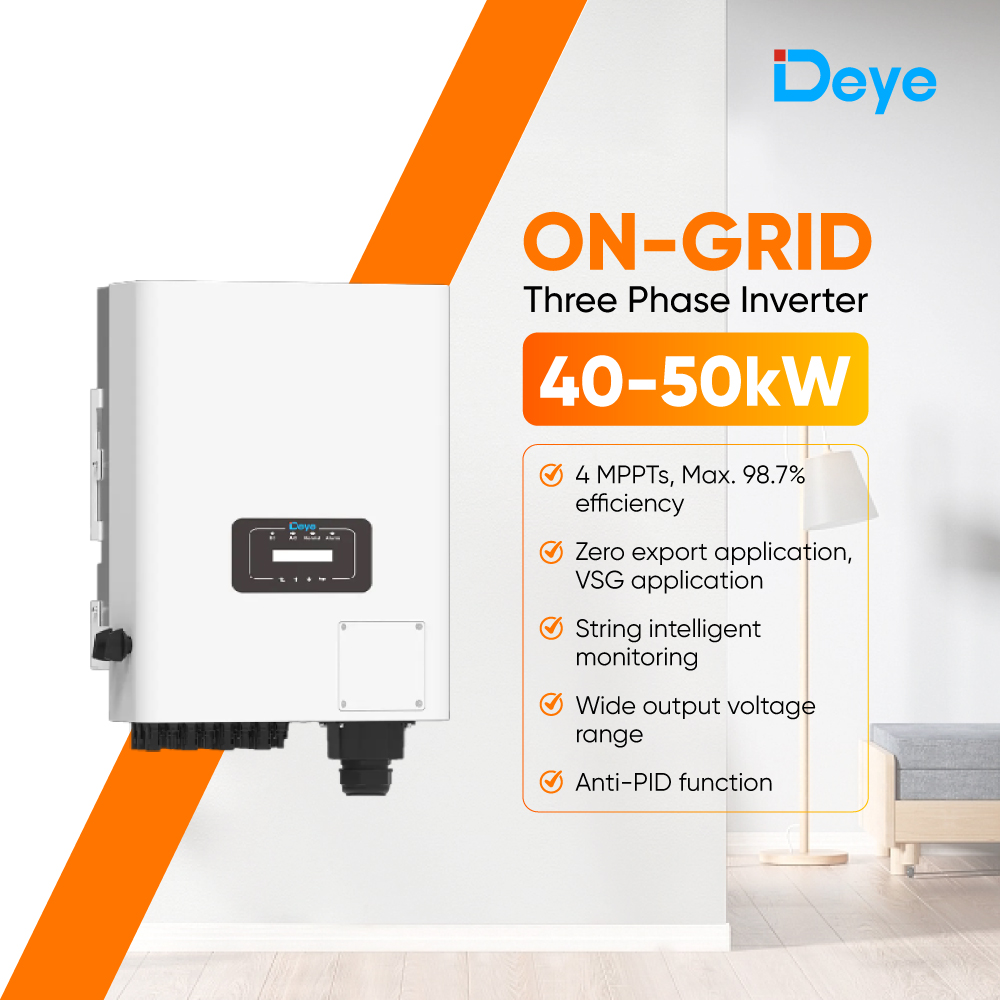
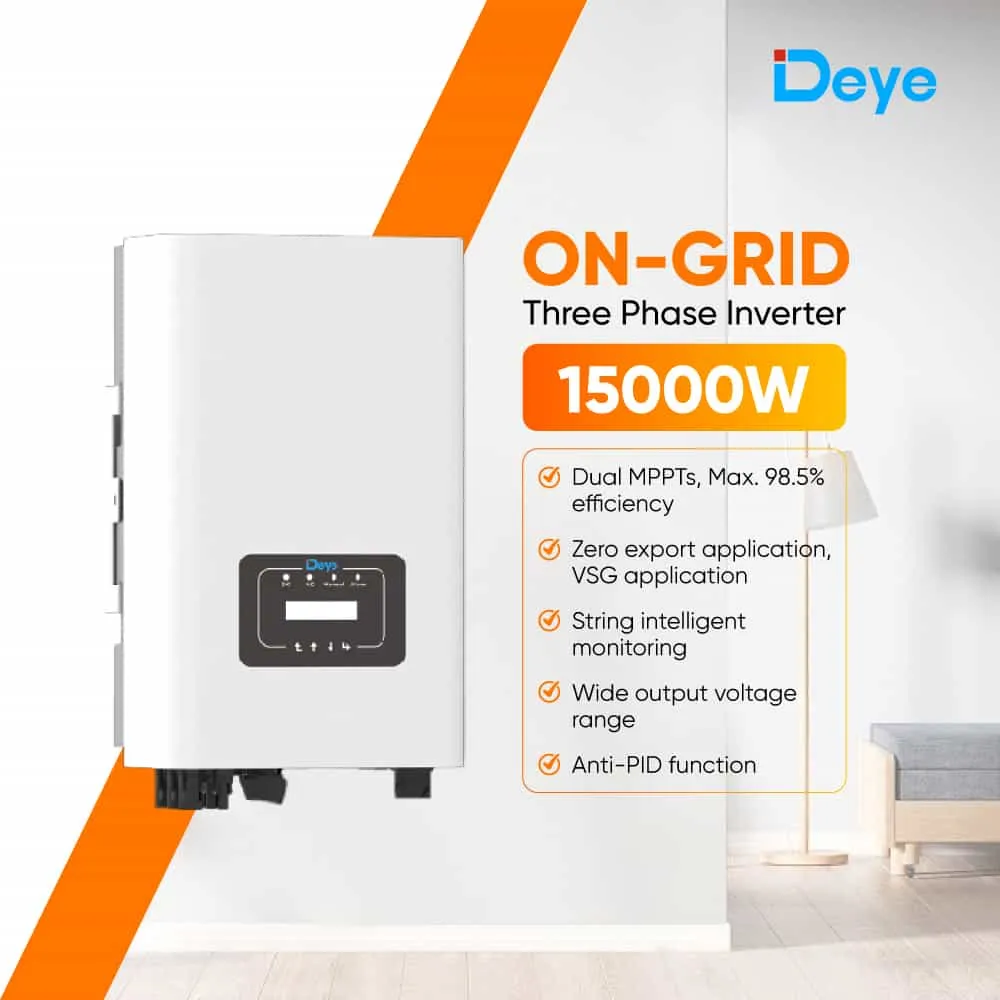
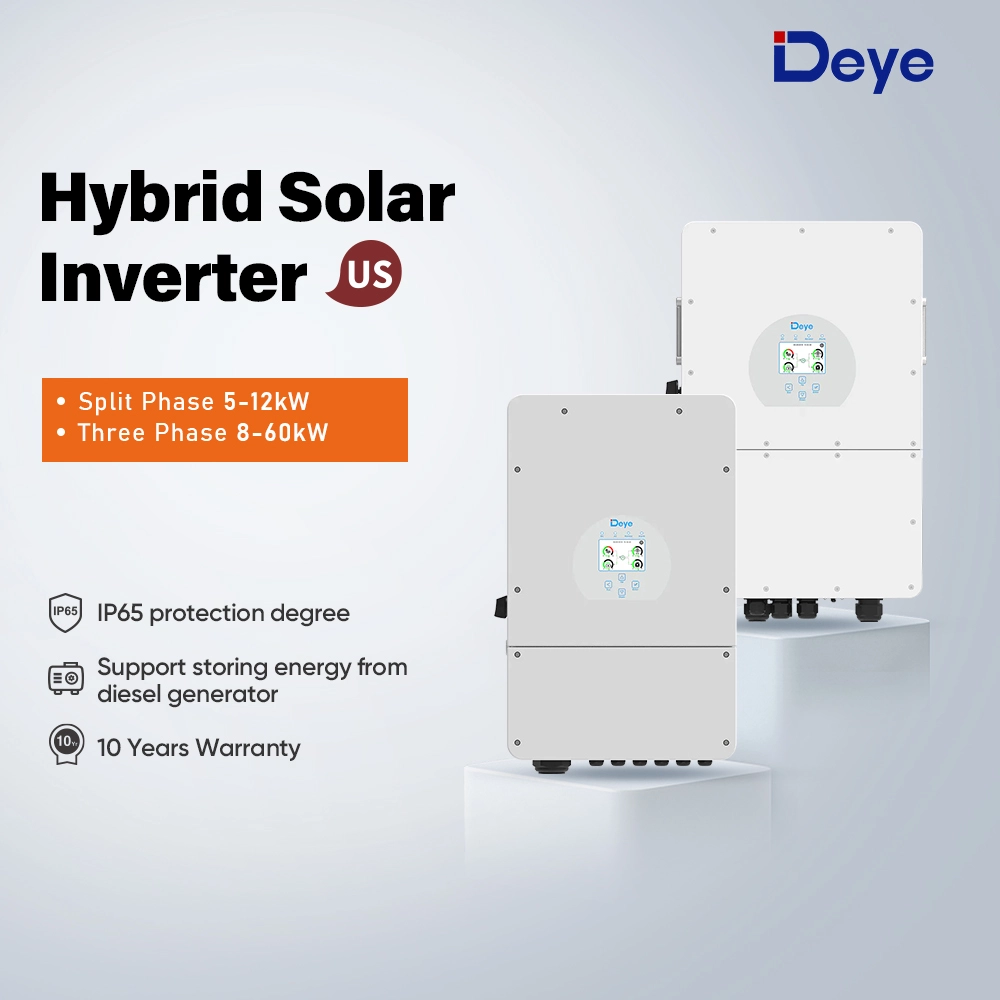
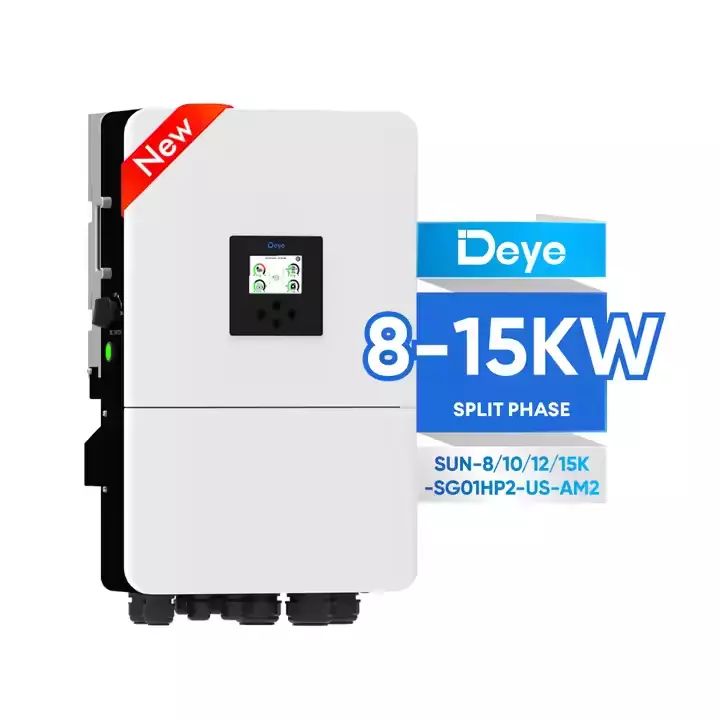
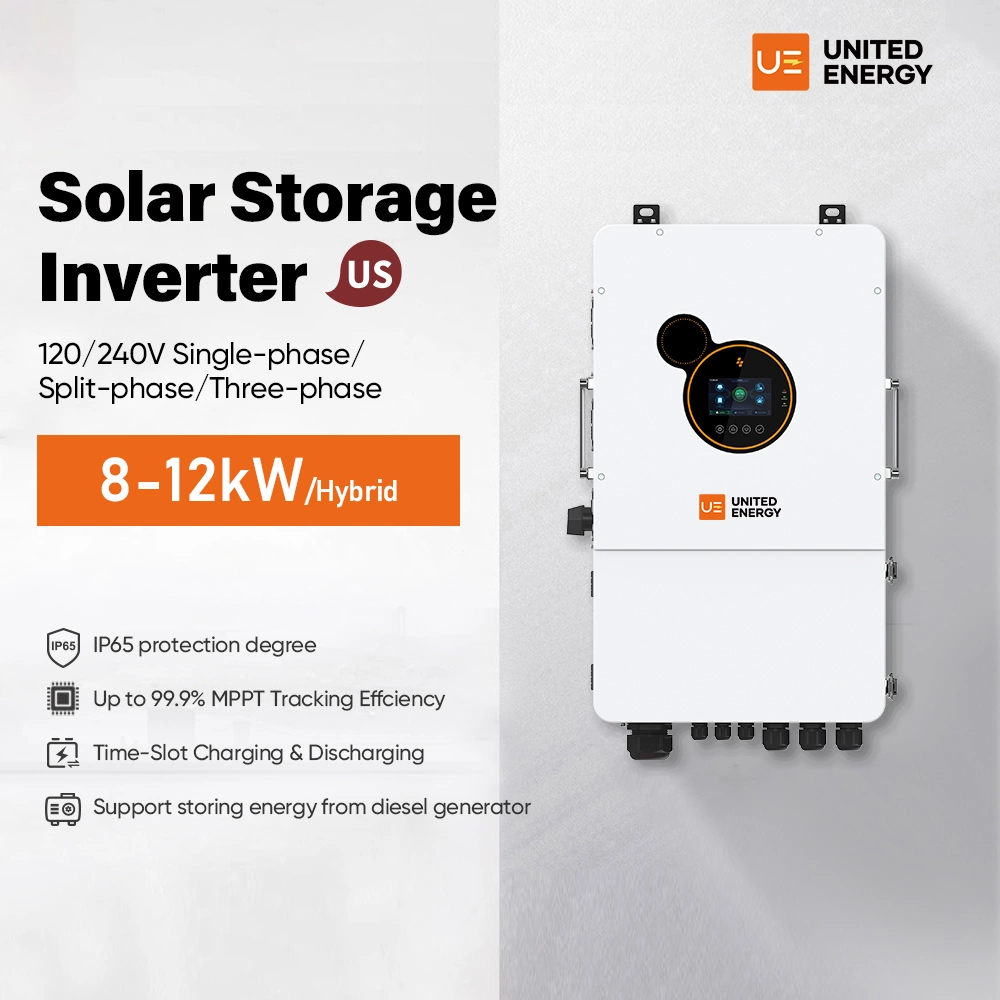
| Hybrid Inverter | 50kW Deye Hybrid Three-phase Inverter x 1 Unit | Strong backup capability & flexible energy management |
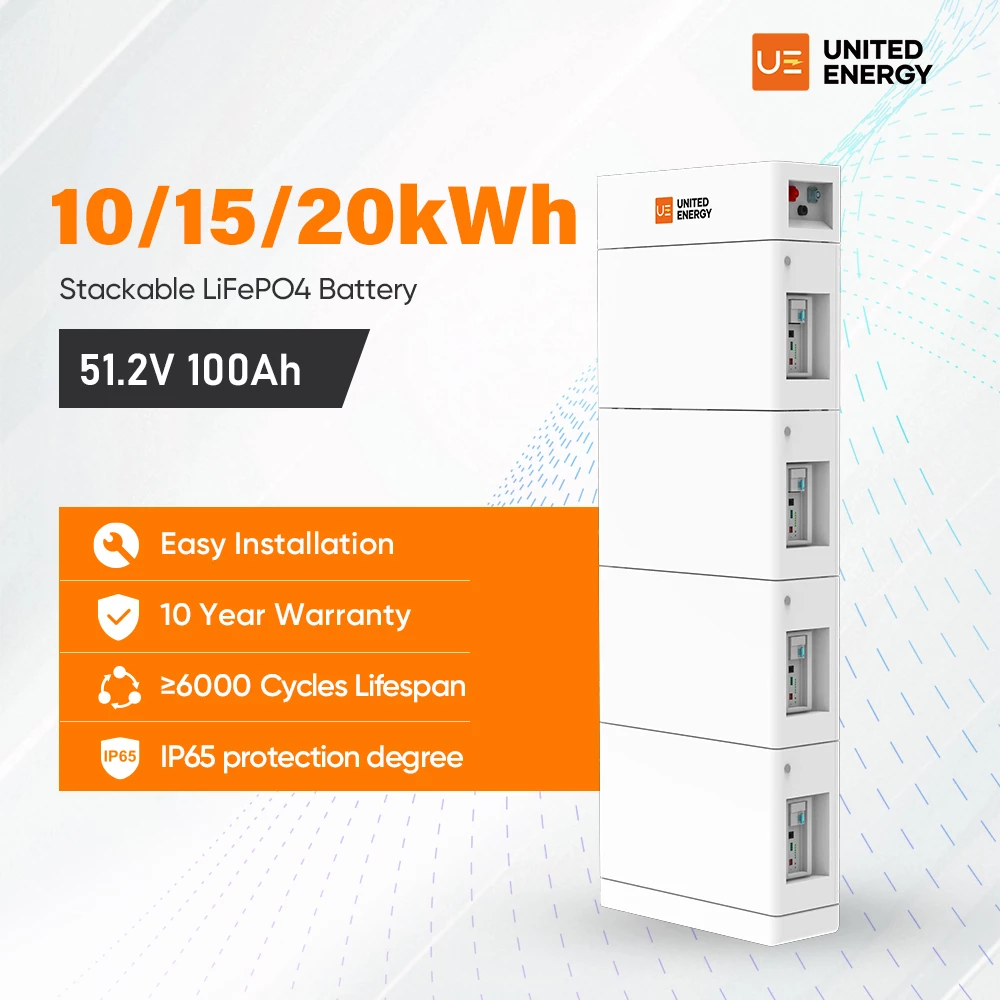
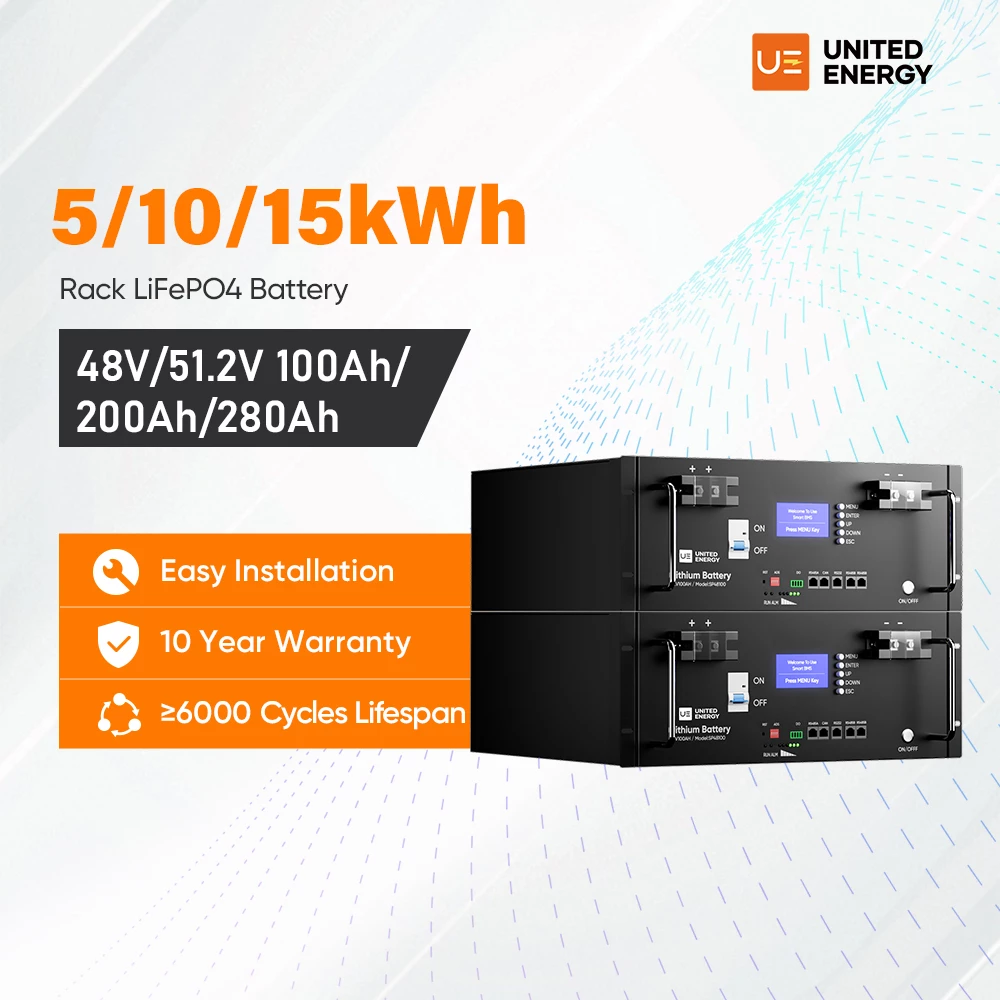
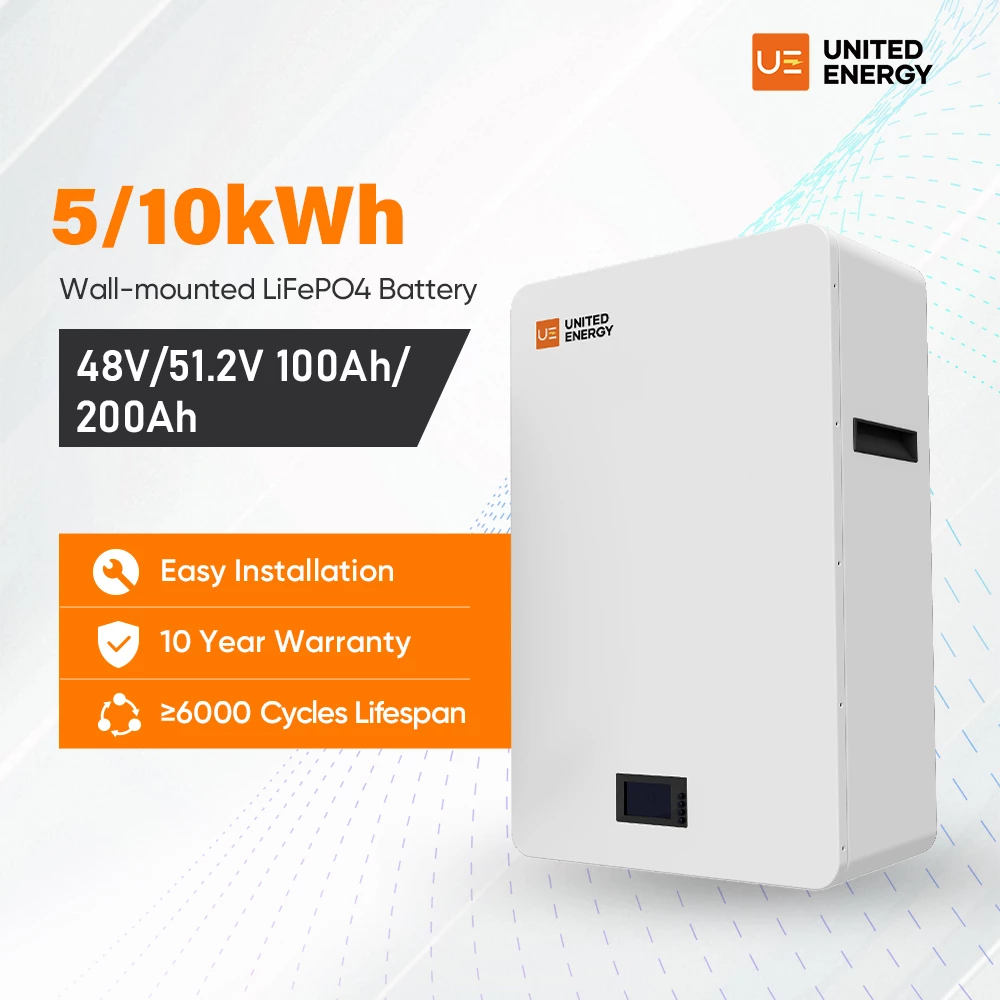
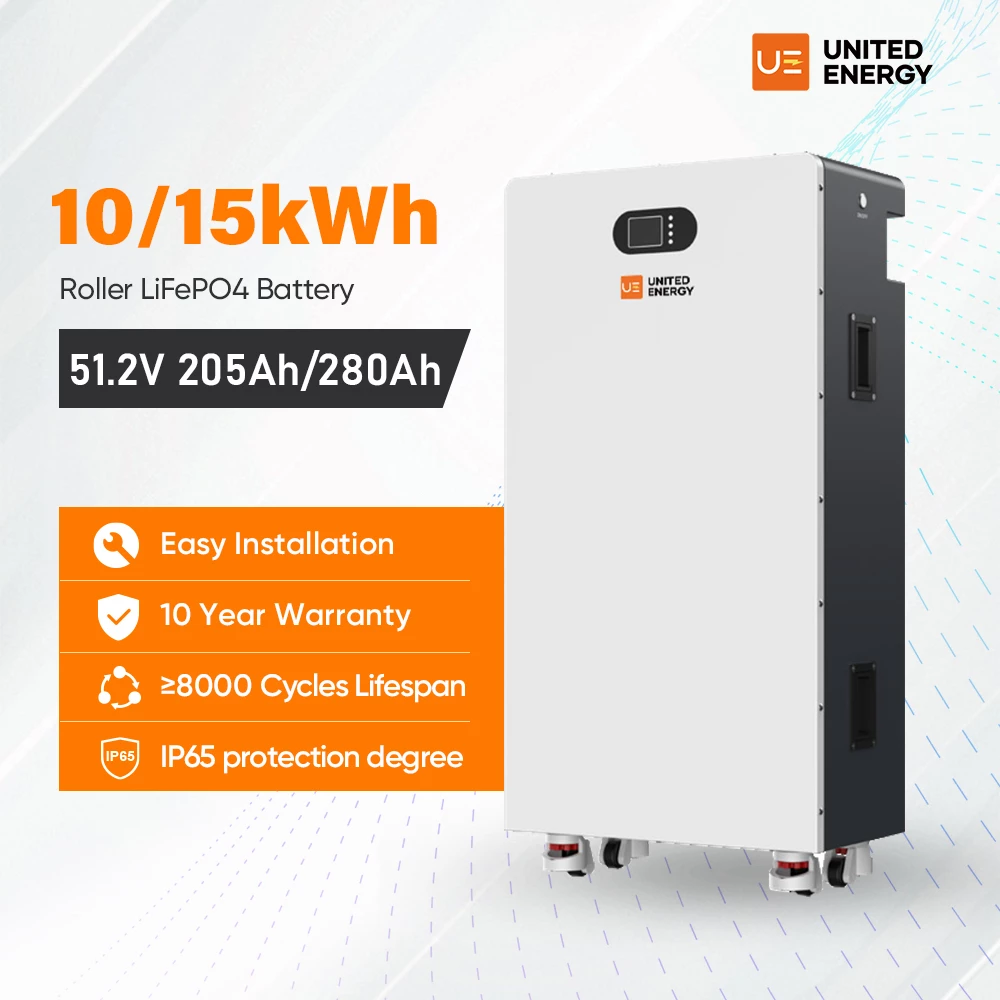
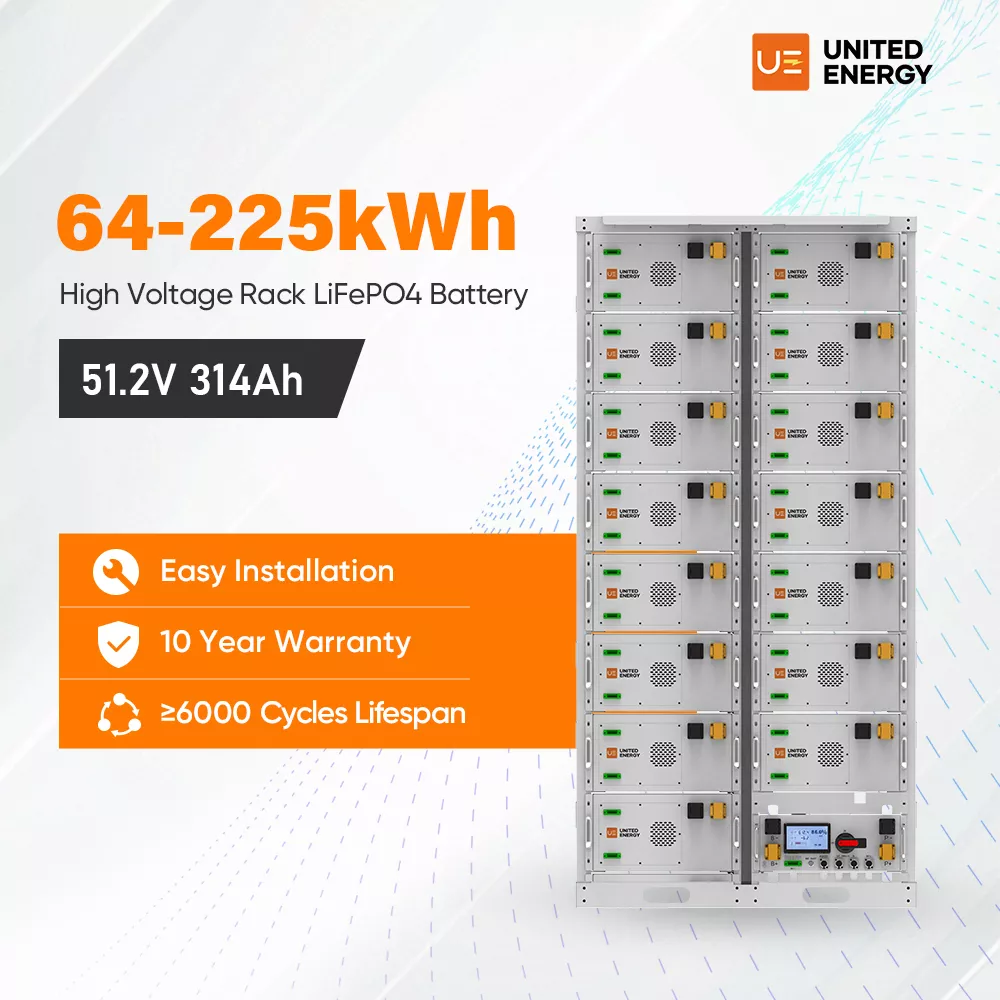
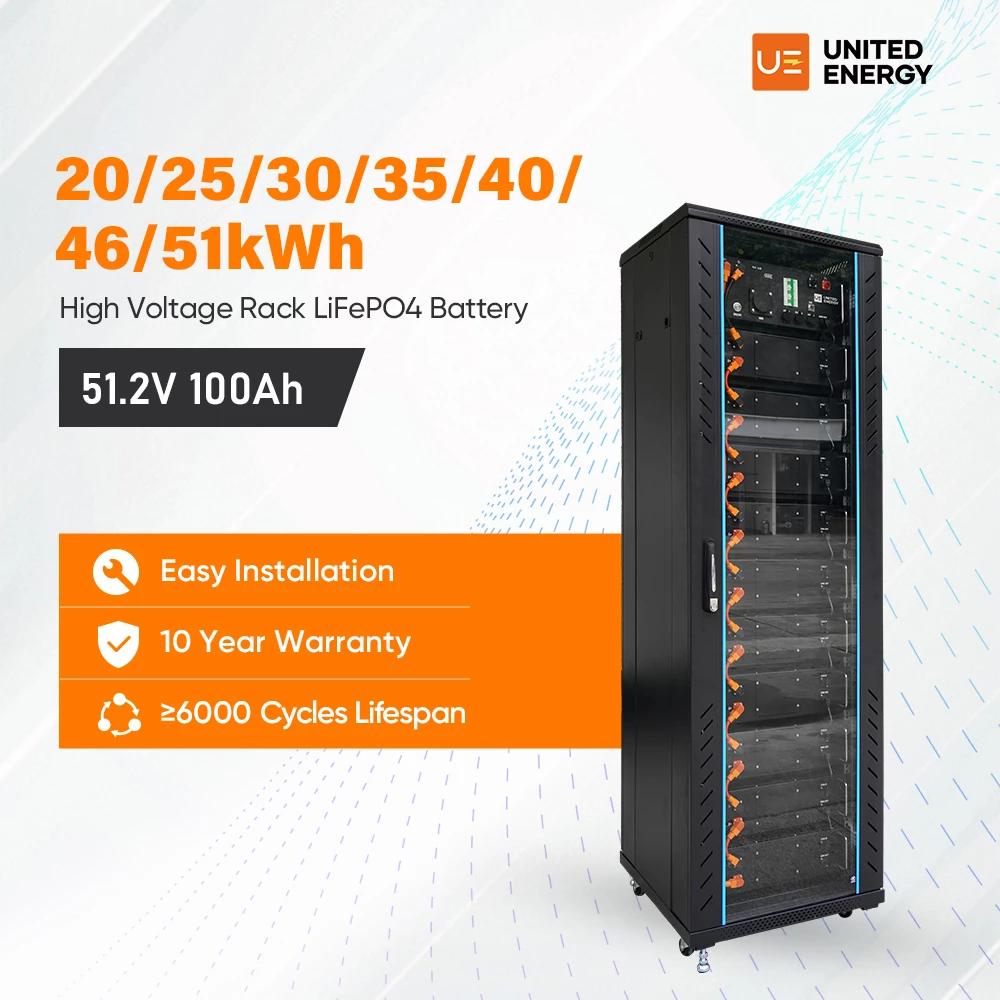
| 61kWh HV Battery | 51.2V 100Ah Lithium Battery Module x 12 Units | 6000 Cycles Lifespan;Modular, scalable & easy to maintain |
| Protective Accessories | 6Input 6Output PV Combiner Box x 1 Unit | Simplified PV wiring & enhanced system protection |
UE Customized Solution
To meet these requirements, we configured: 31.2kW PV + 50kW Hybrid Inverter + 61.44kWh Battery Storage
With around 5.5 hours of effective sunlight per day, the 31.2kW PV system is expected to generate approximately 171kWh of electricity per day under the local conditions.
This is enough to cover the customer's daytime electricity consumption, allowing the solar power to be used directly by the loads during the day.
When solar generation is higher than the customer's real-time demand, the excess energy is stored in the 61.44kWh battery system instead of being wasted. The stored energy can then be used later when solar production is low or when the grid is unavailable.
In this way, the system works around the customer's actual energy pattern:
Solar Generation → Daytime Self-Consumption → Excess Energy Stored in Battery → Backup Power When Needed
UE Technical Support
The customer already understood electrical systems and installation. What he needed was a supplier who could look at the project from his side and help determine what actually made sense.
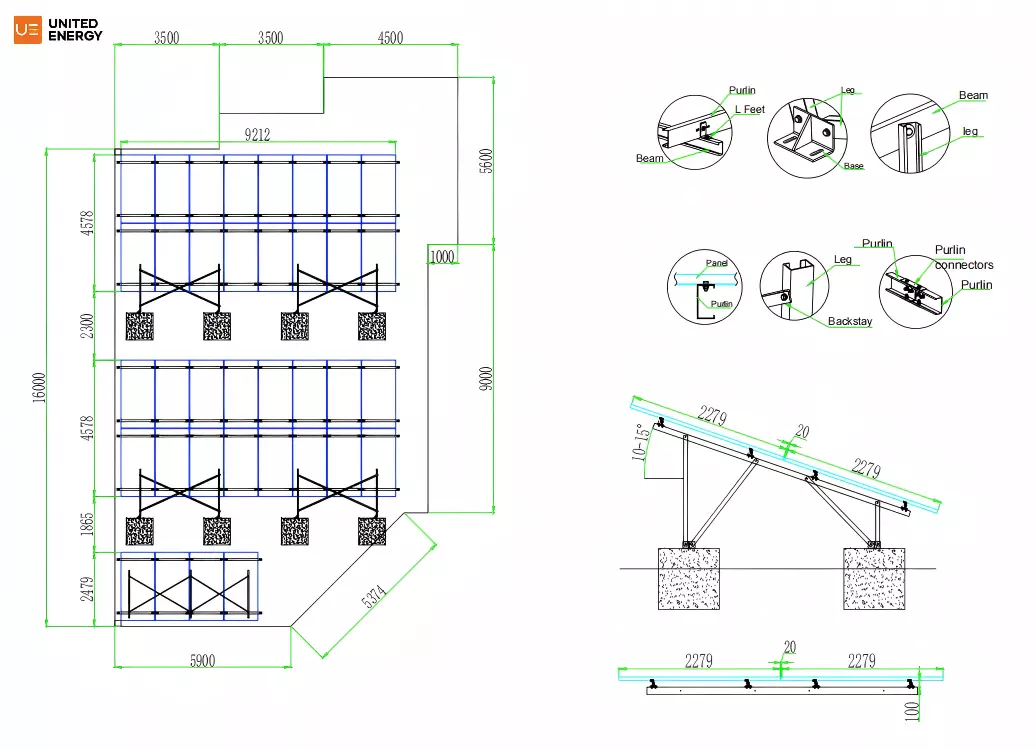
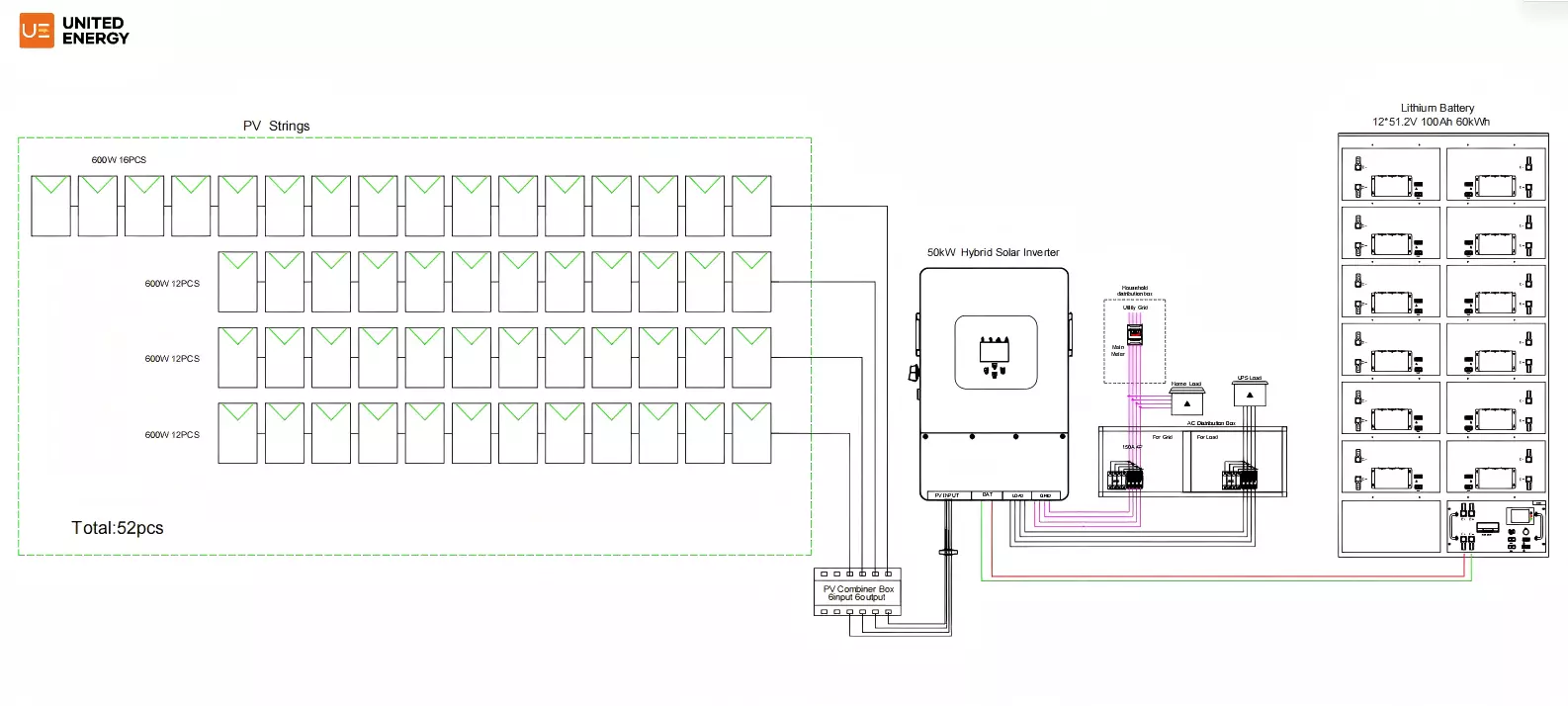
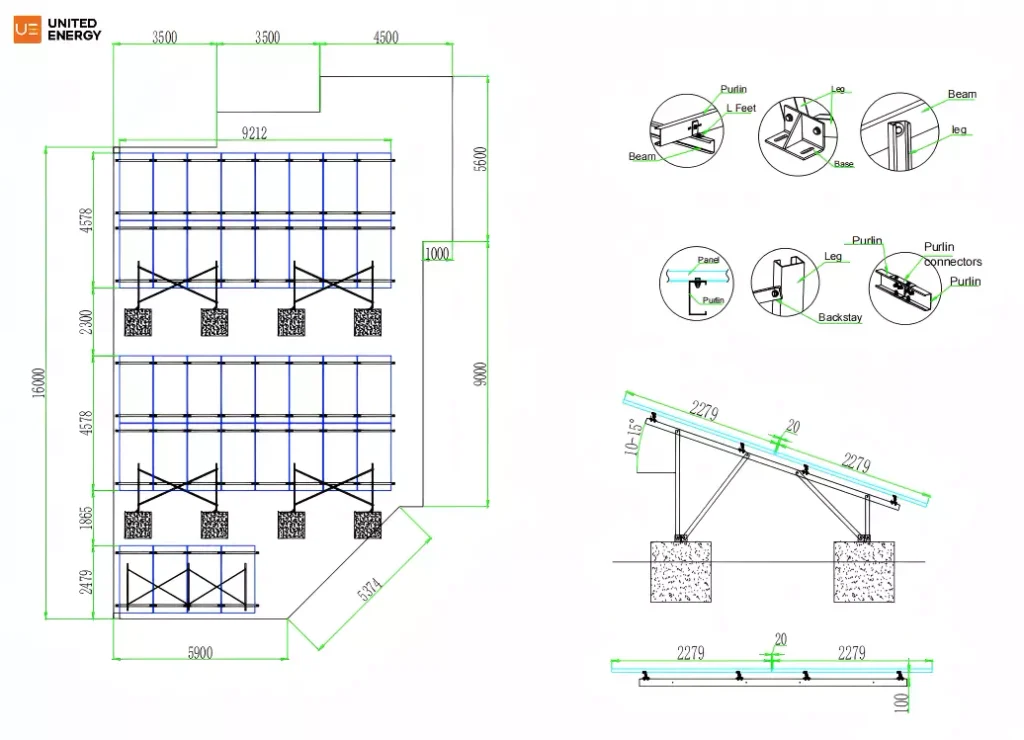
Our engineers worked with the customer's actual installation conditions, including roof size, roof orientation, available space, and system configuration. Based on these details, we prepared a customized PV layout design and electrical connection diagram for the project.
The roof layout was designed to make better use of the available space and maximize the potential solar output. At the same time, the electrical diagram clearly showed how the PV modules, combiner box, inverter, and battery system should be connected.
This gave the customer a clear reference not only during the design stage, but also during installation. Instead of simply delivering the equipment, we provided the technical guidance needed to help the customer understand how each component fits into the complete system.
The Right Solution Starts With the Right Approach
For us, every project starts with the same question:
What does the customer really need, and what is the right solution to deliver it?
In this project, that meant looking beyond the product list and considering the customer's electricity costs, backup power needs, installation environment, and long-term use.
From system configuration and roof layout to electrical design and technical support, every part of the solution was selected with the customer's actual needs in mind.
Need a customized PV + ESS solution for your local site? Contact United Energy for project consultation & quotation.