
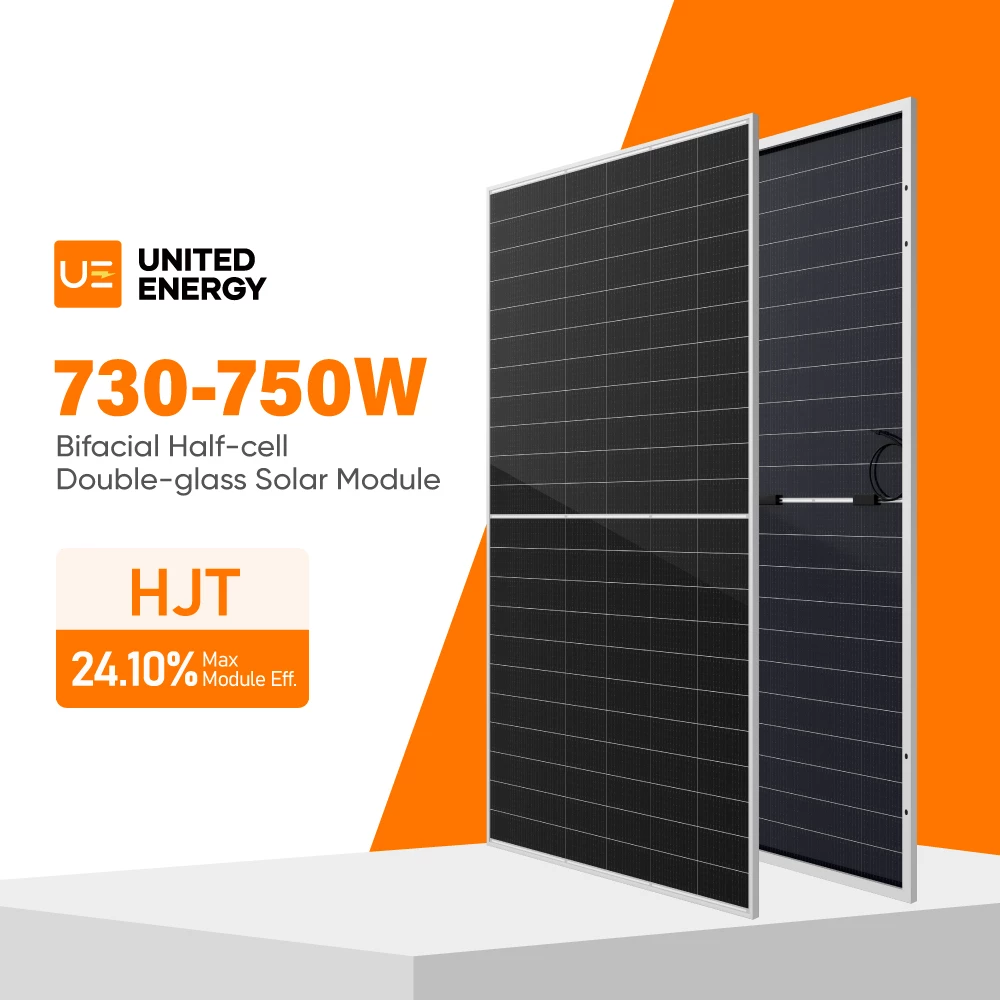
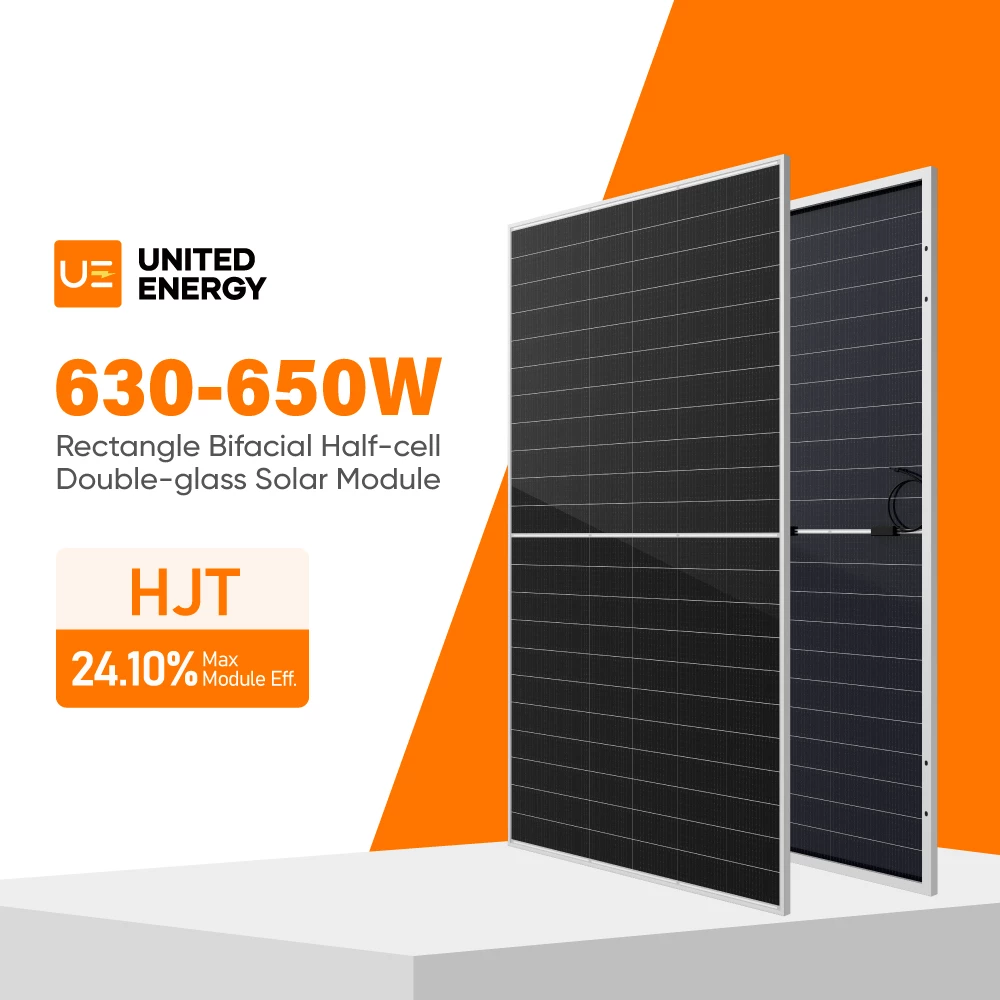
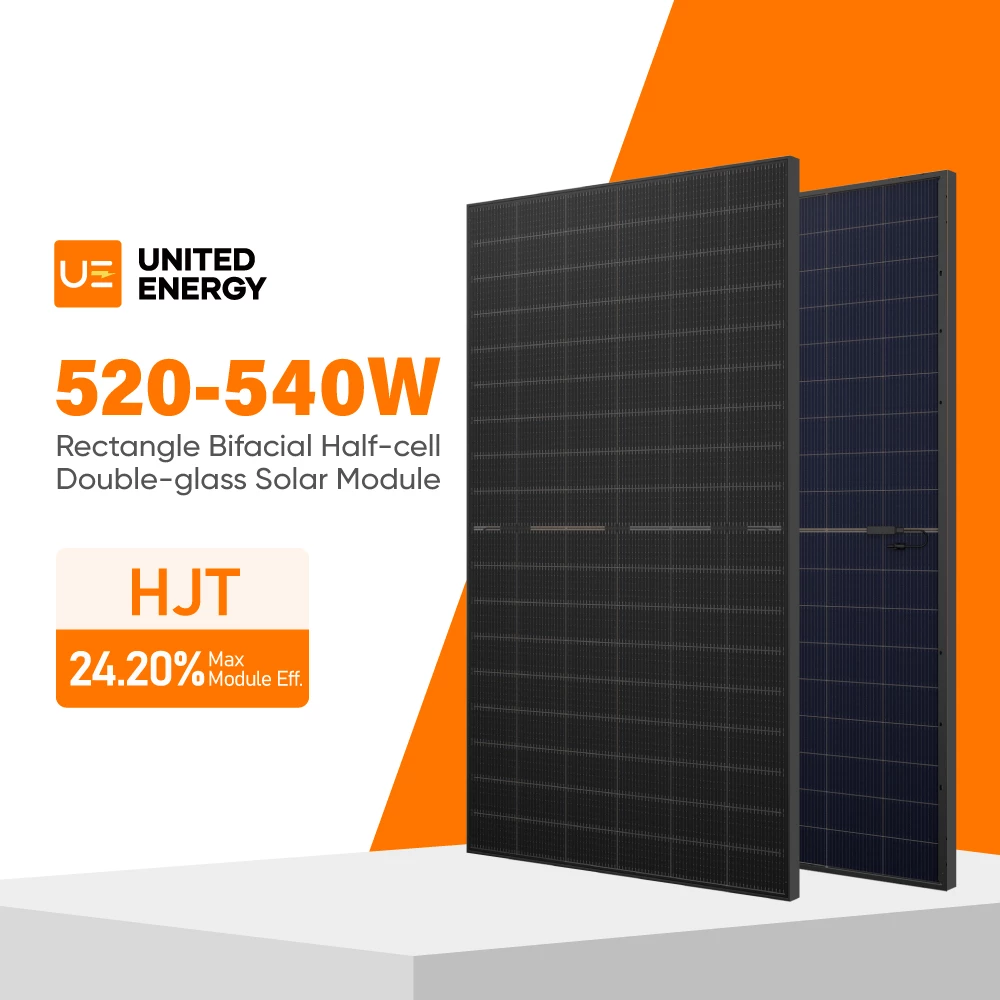
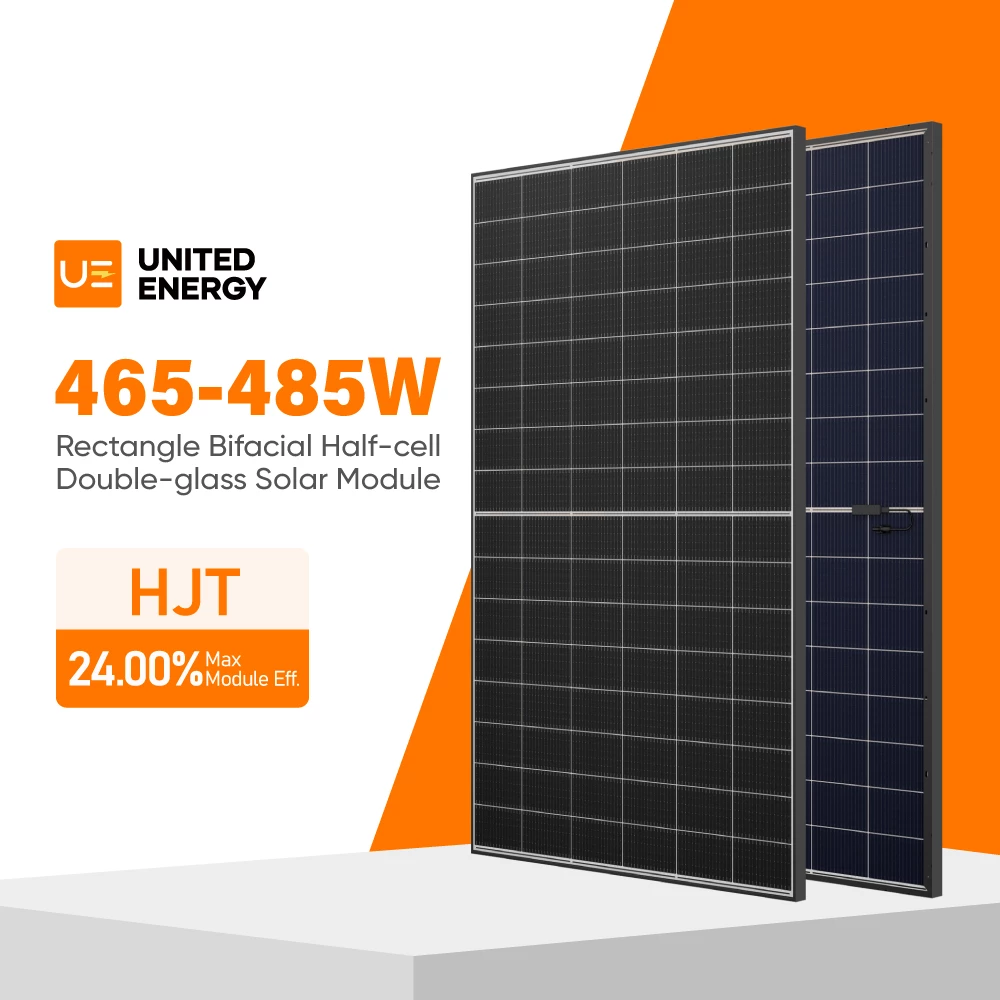
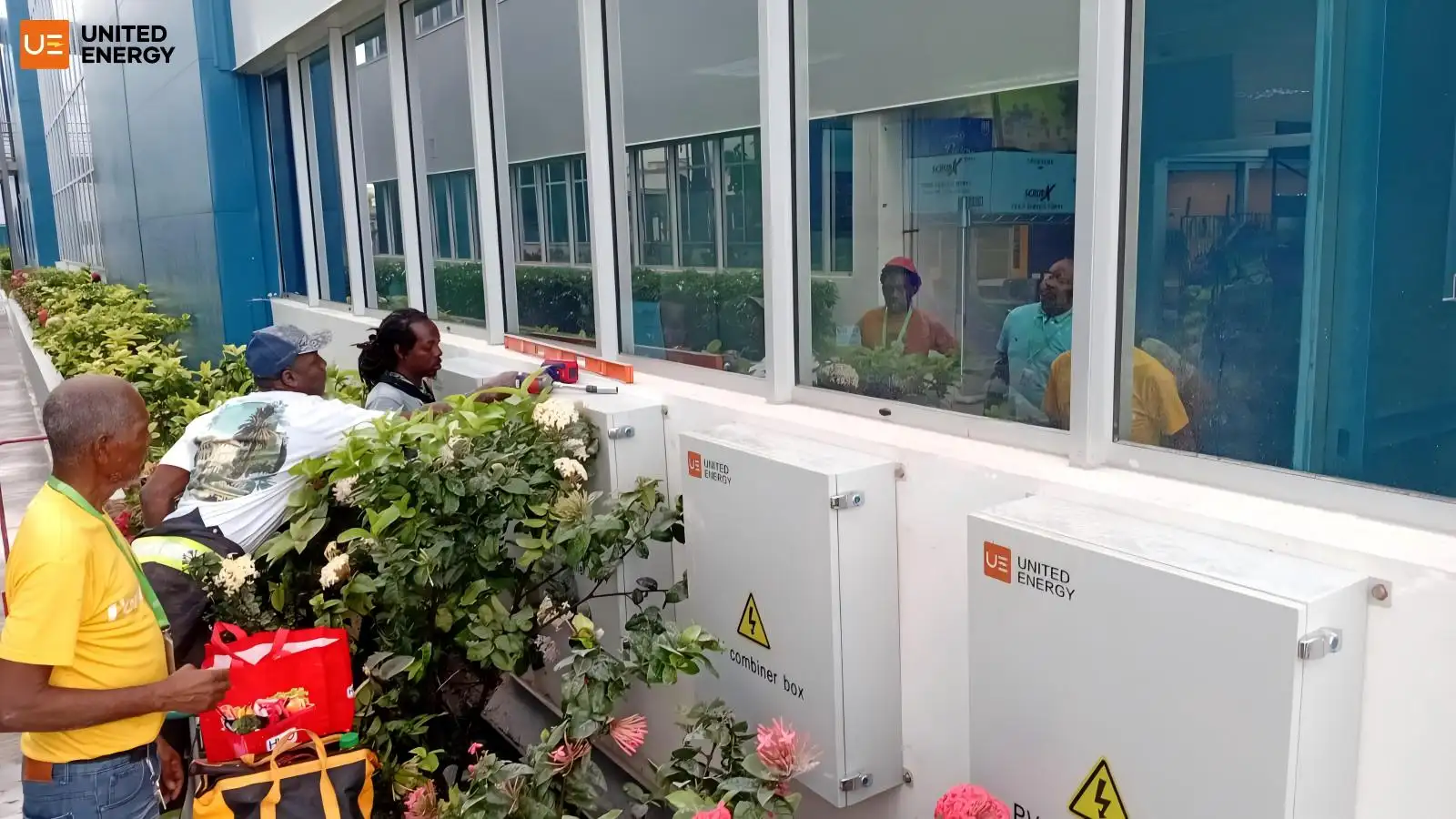

For this Jamaican IT data center, the challenge was to maximize solar generation within limited rooftop space while matching the site's electricity demand.
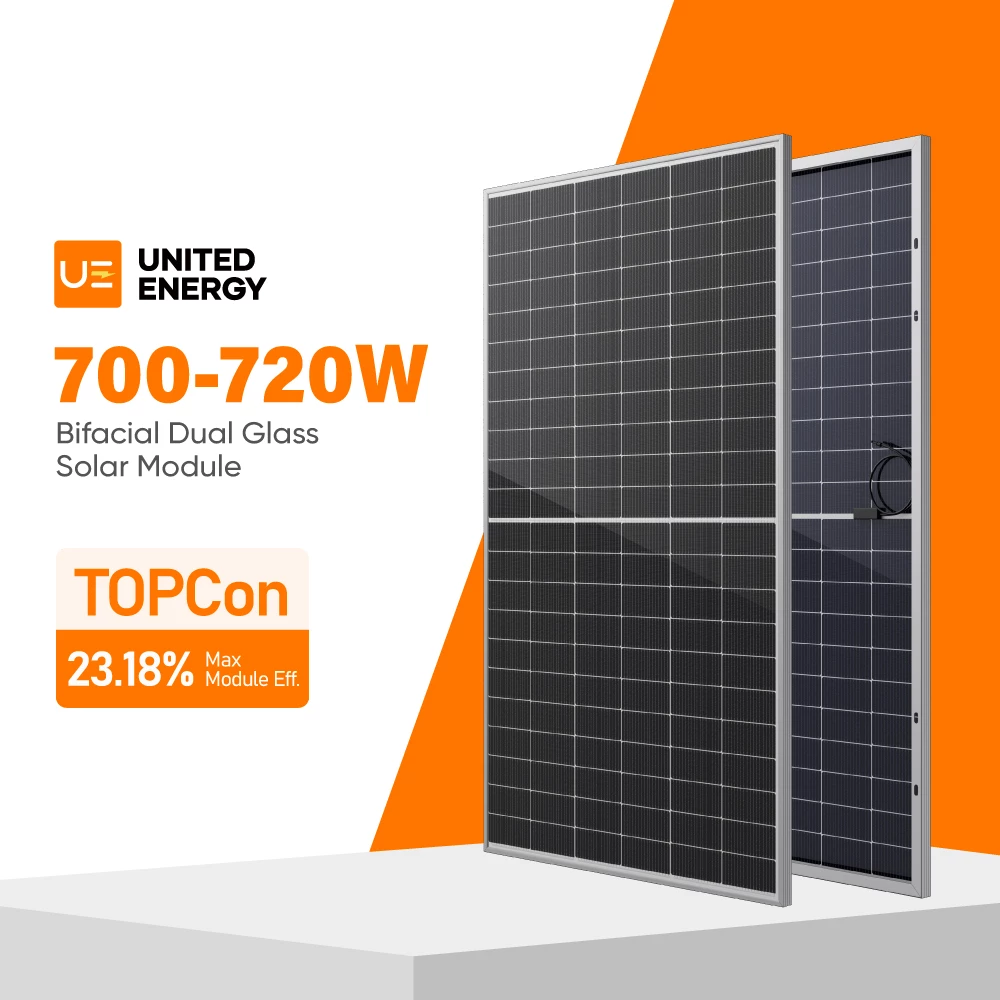
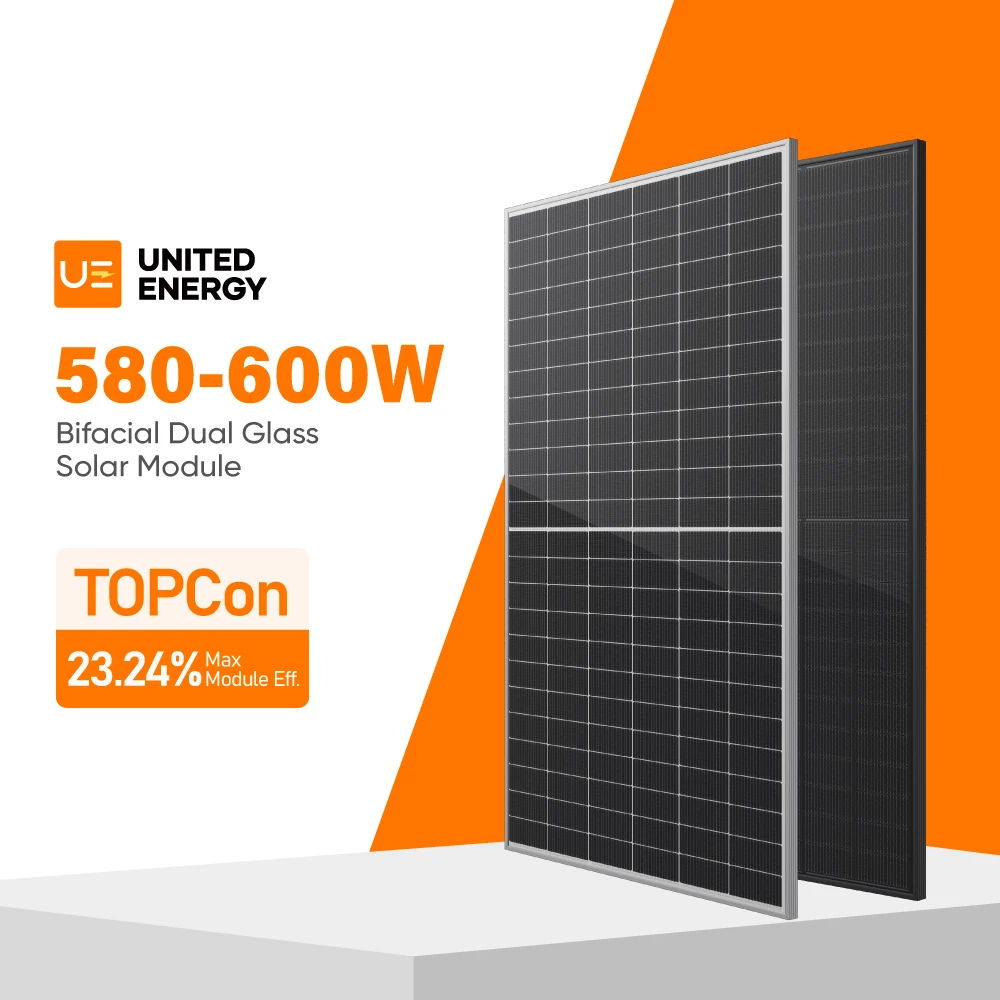
The facility consumes approximately 3,545 kWh per day, including 2,000 kWh during the daytime and 1,545 kWh at night. Due to the available roof area, the project installs 502 × 620W TOPCon bifacial dual-glass modules, providing approximately 311kW of PV capacity and generating around 1,300–1,500 kWh per day.
This covers a substantial portion of the daytime load, but not all of it. Because PV output and electricity demand fluctuate throughout the day, solar generation can also temporarily exceed the facility's instantaneous load. Under certain conditions, up to 50–100 kWh of surplus solar energy may occur.
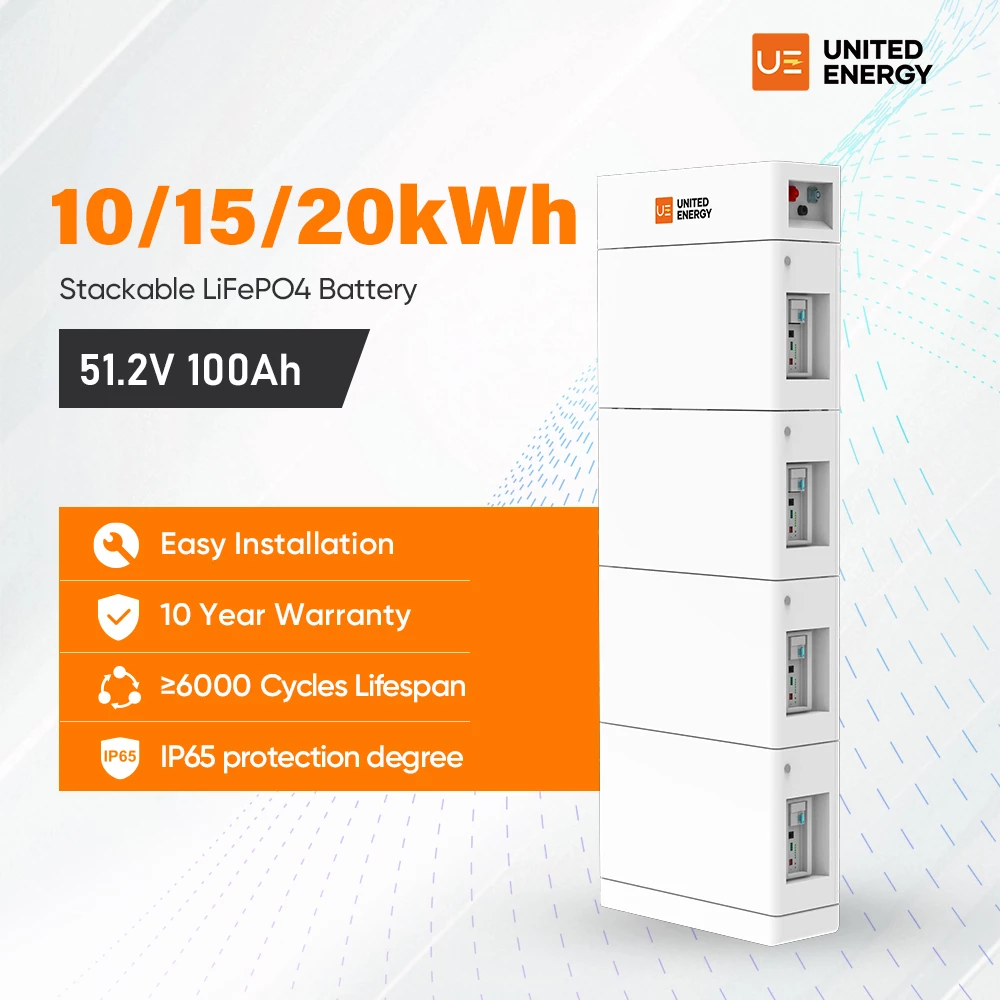
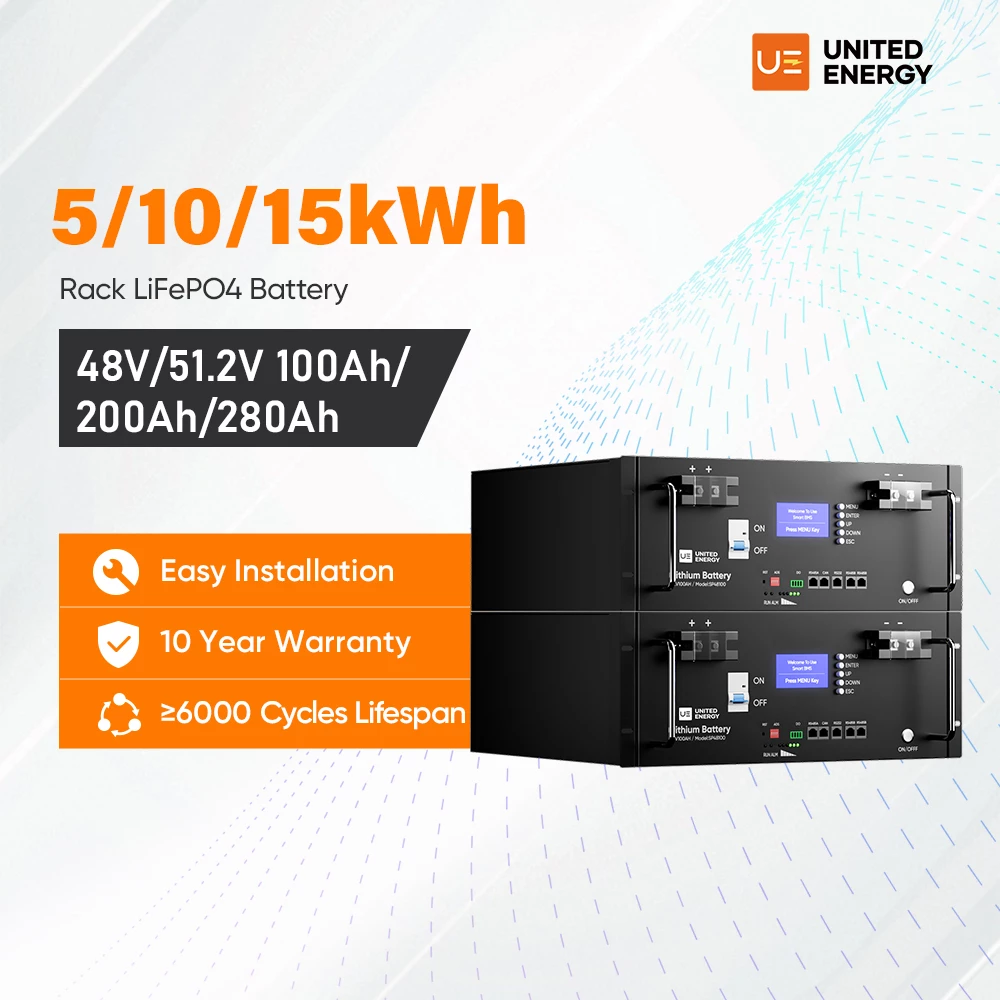
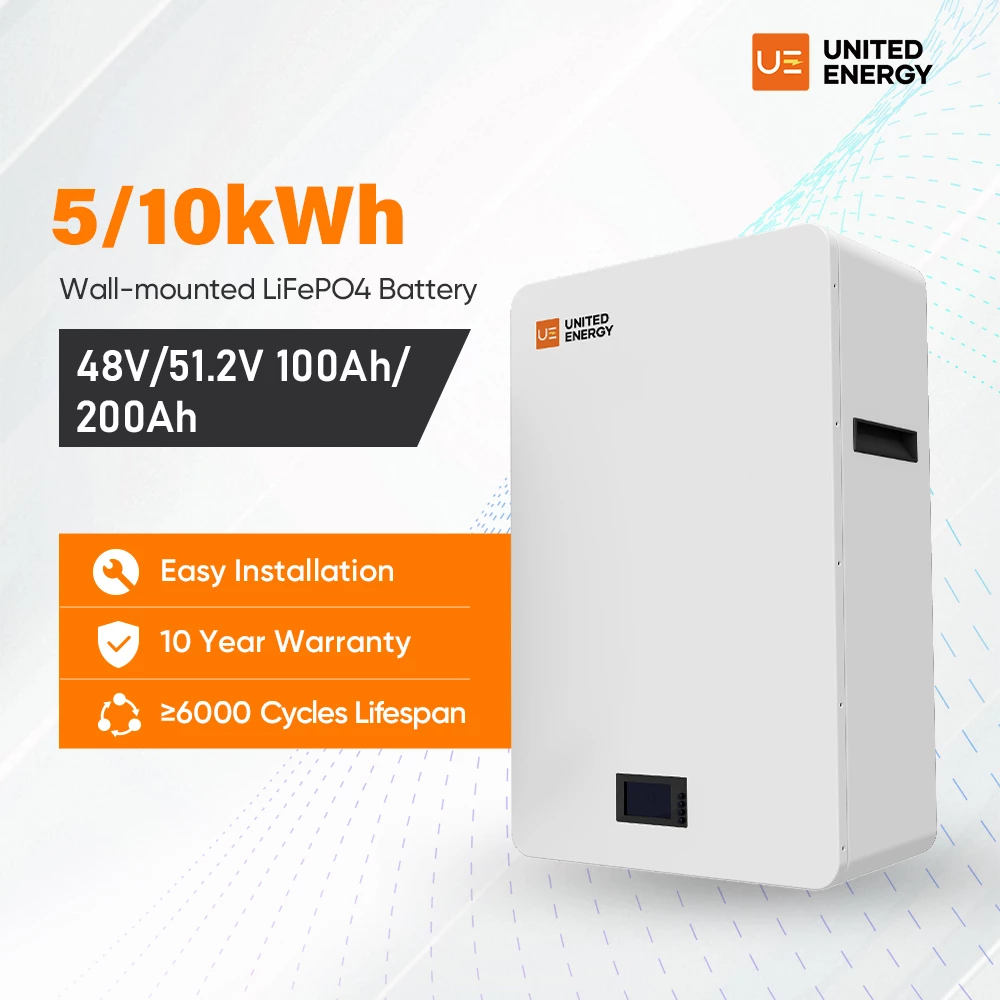
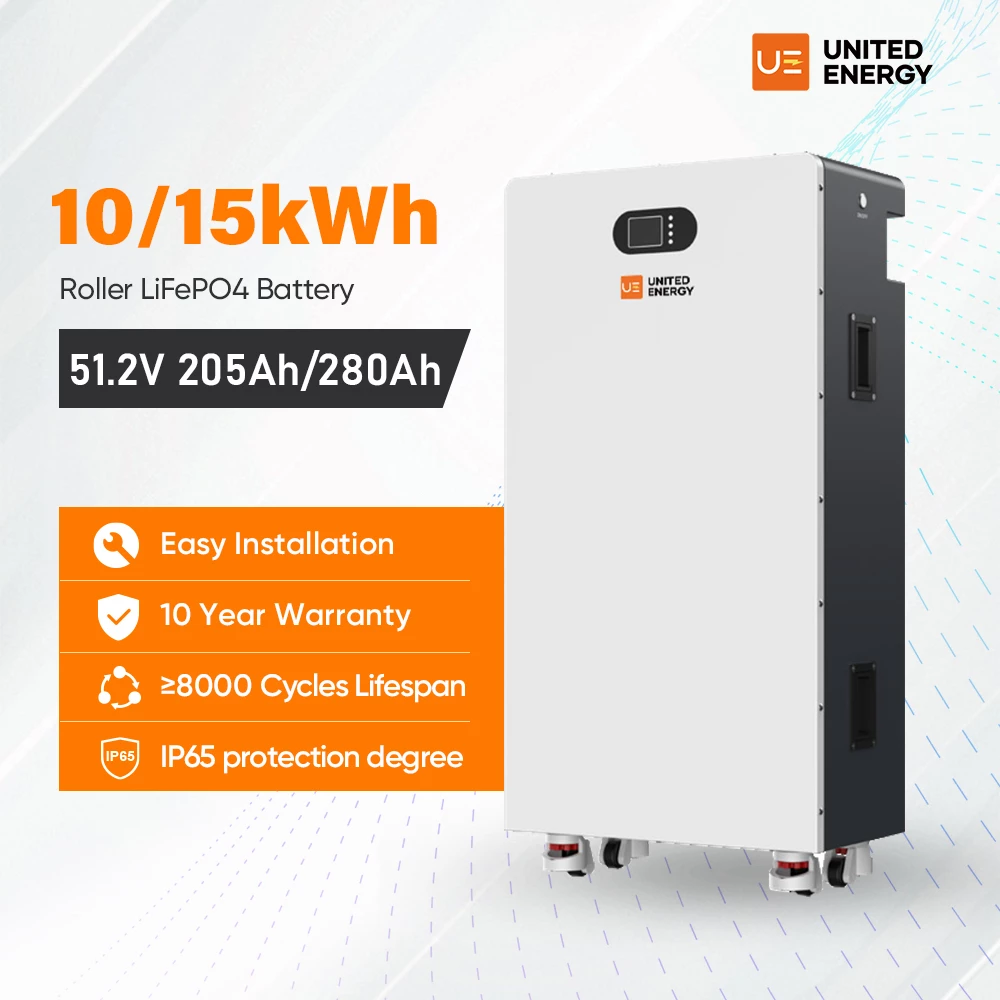
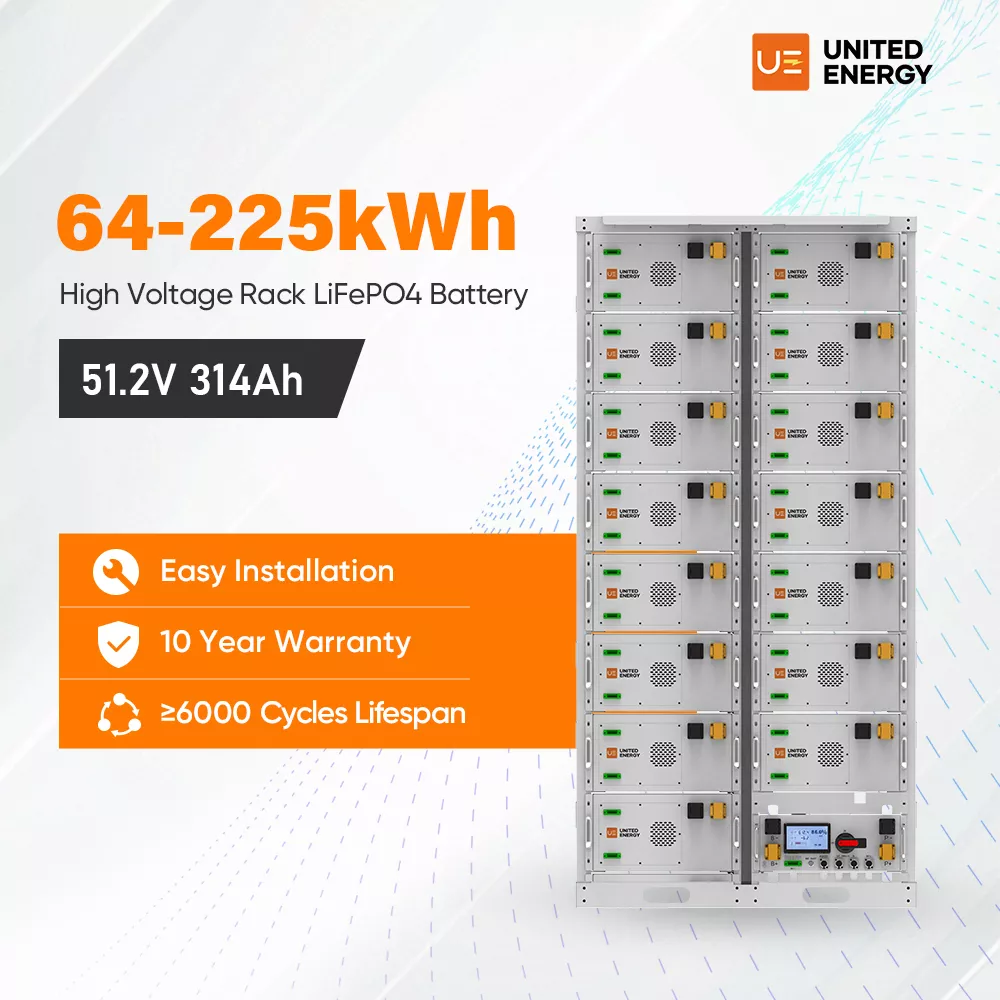
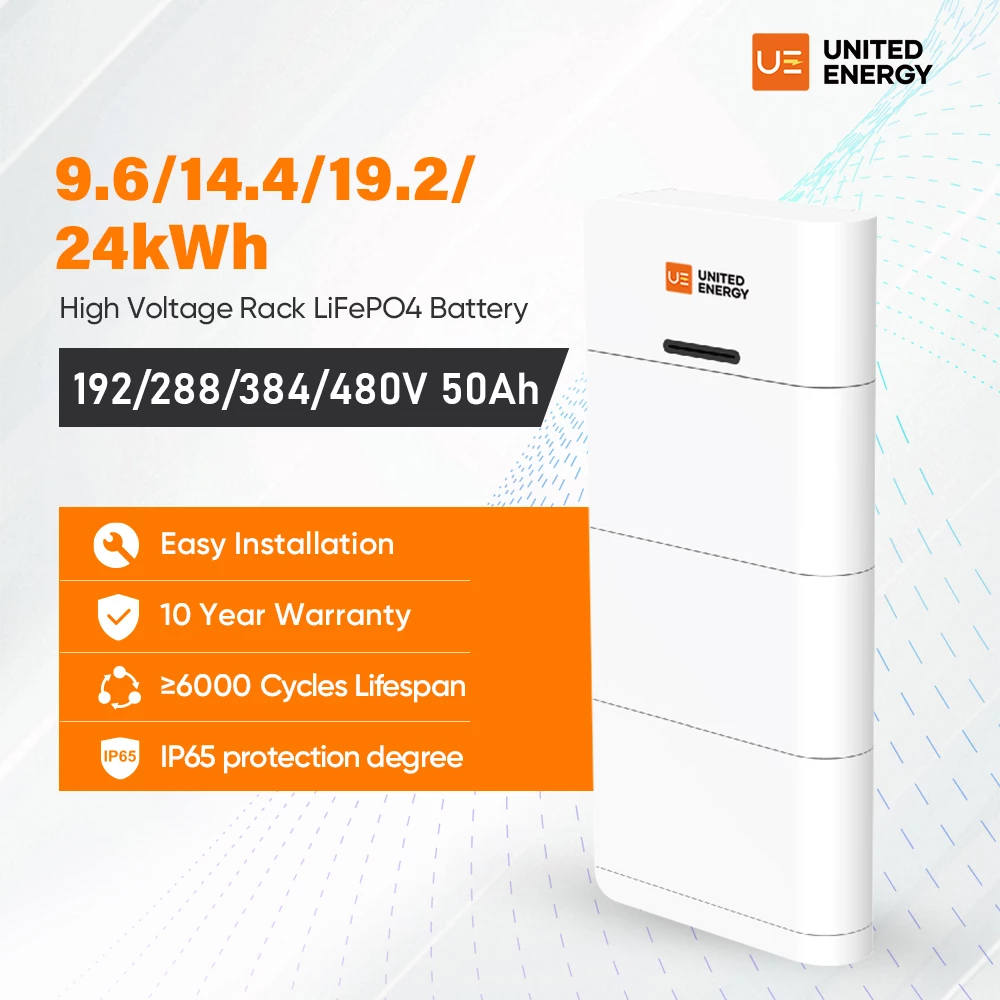
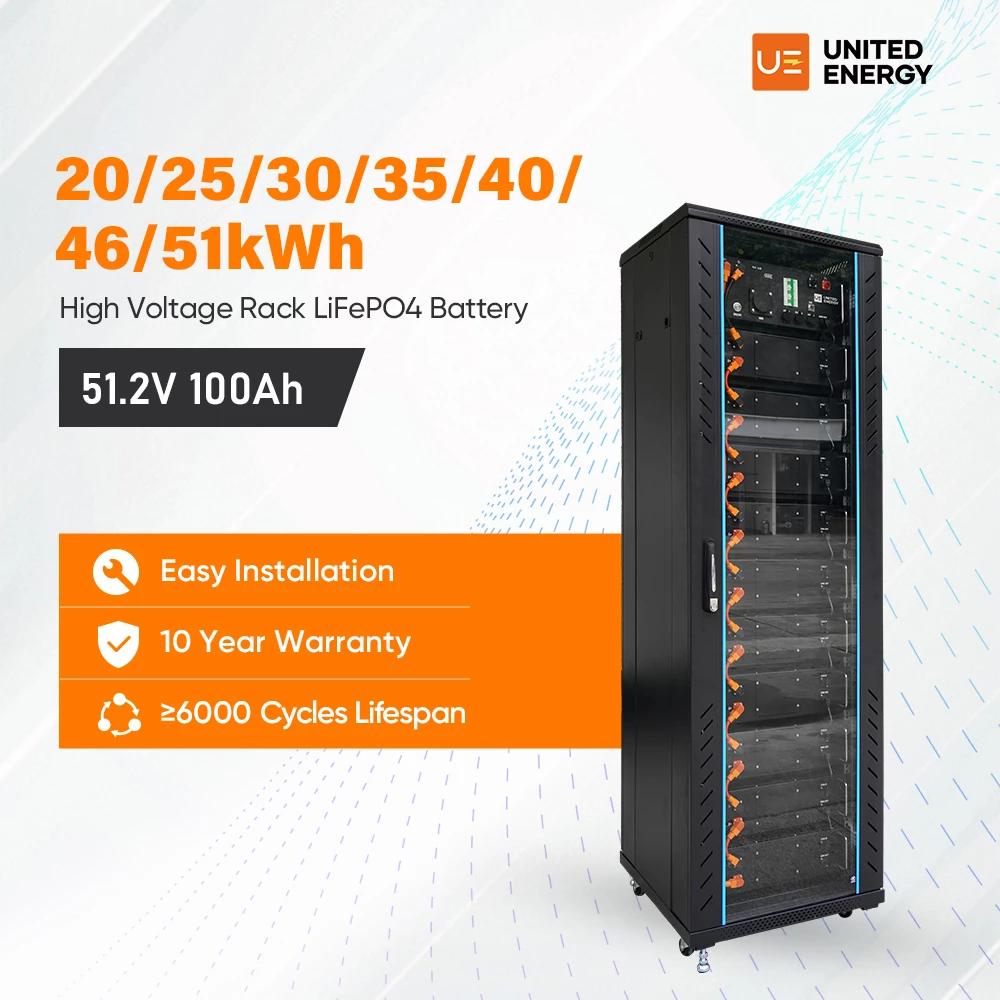
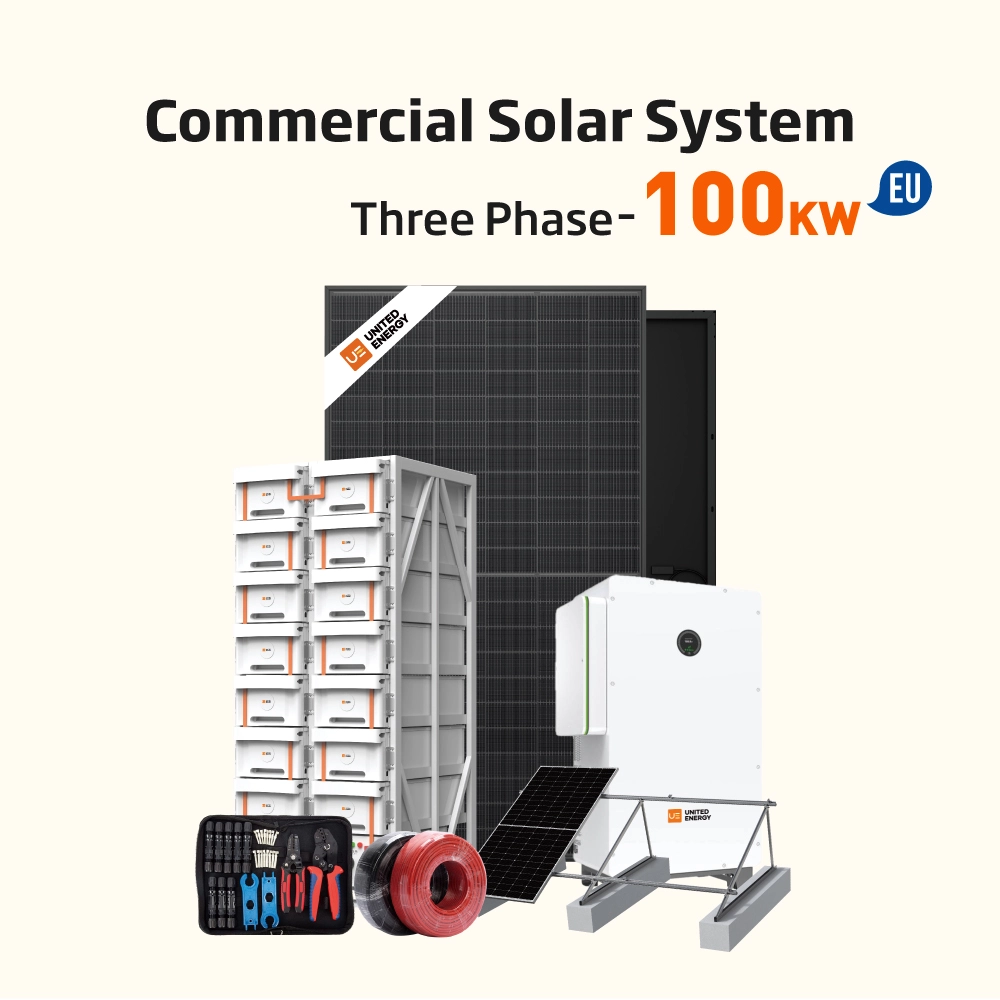
To capture this otherwise unused energy, United Energy integrated a 100kWh high-voltage ESS, creating a right-sized PV + storage solution based on the facility's actual load profile.
Project Overview
Location: Jamaica
PV Capacity: 311kW
PV Modules: 502 x 620W TOPCon Bifacial Dual-Glass
Battery Capacity: 100kWh
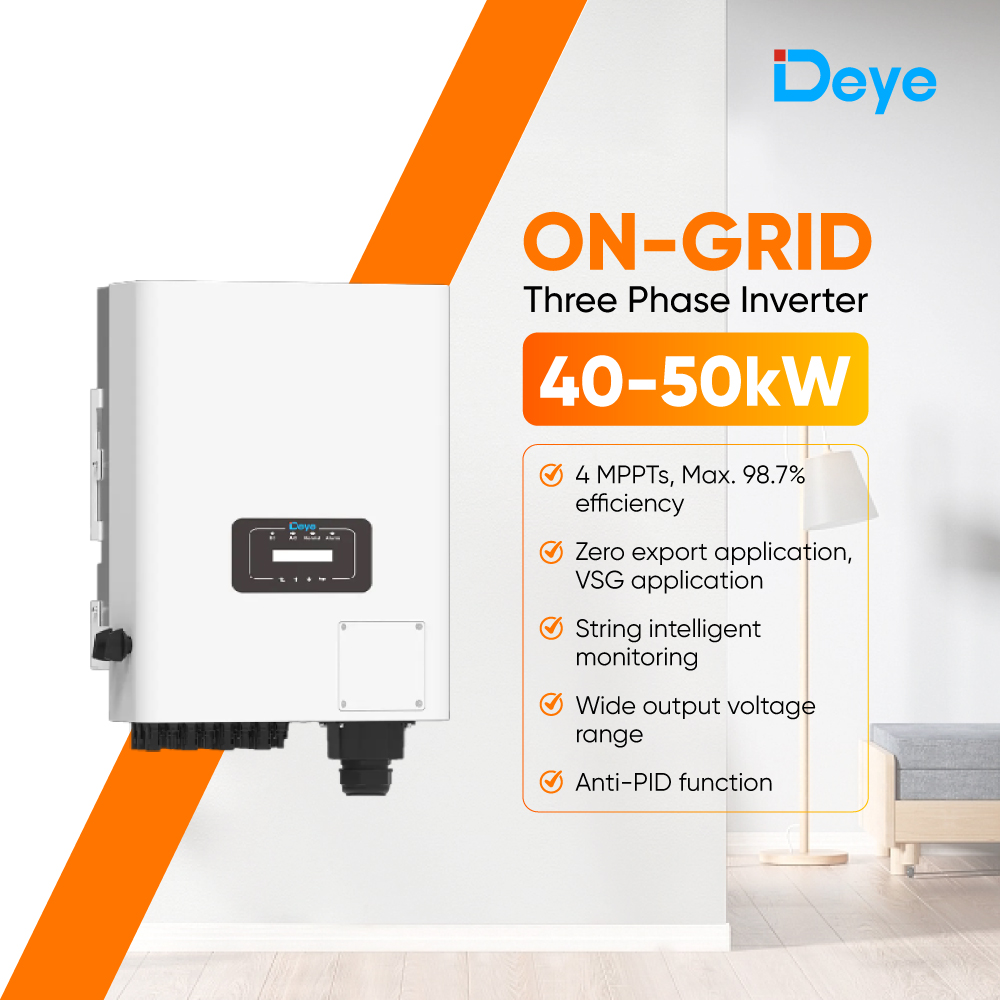
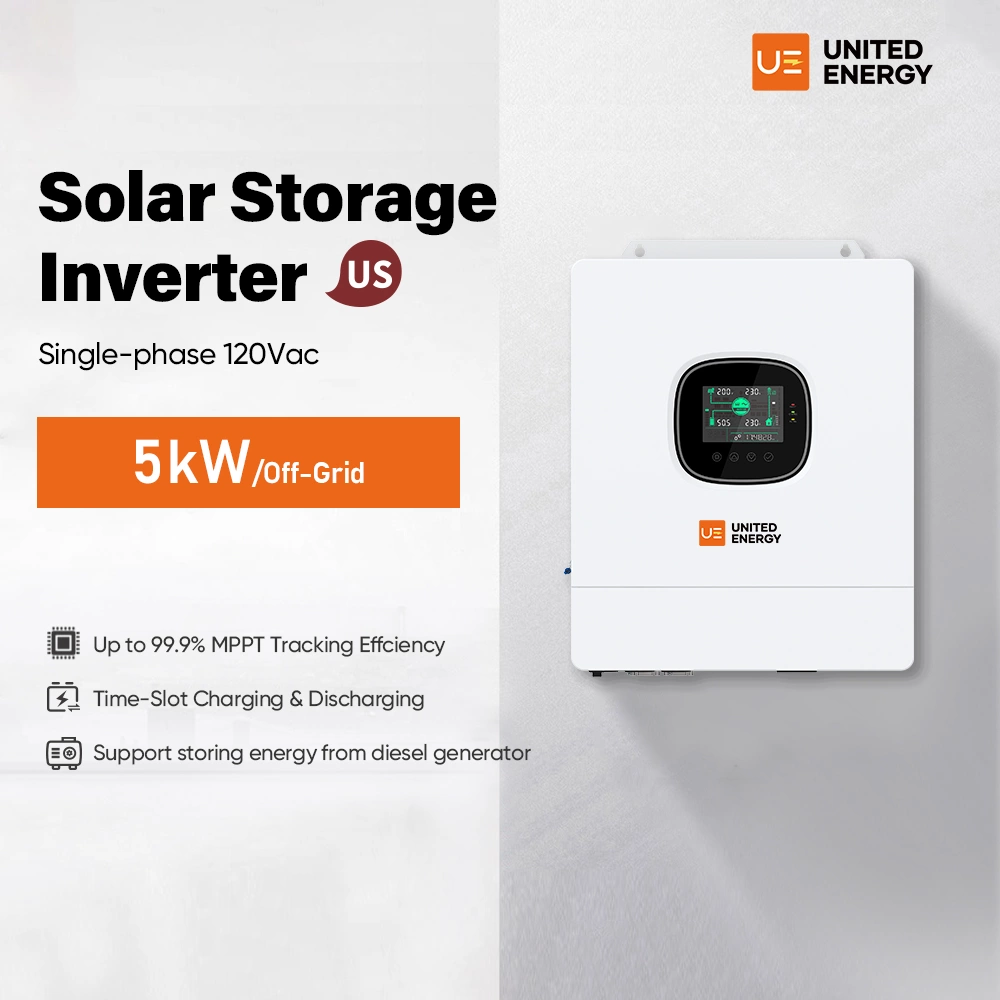
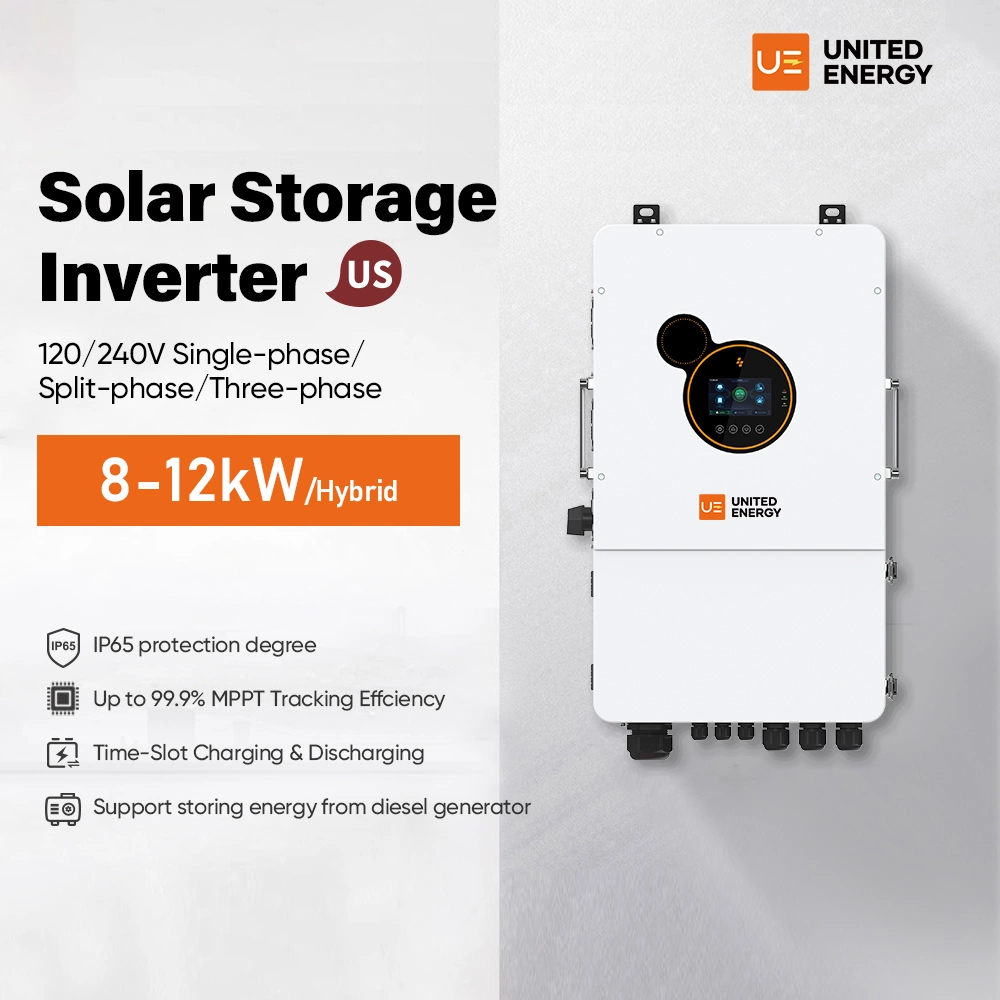
Inverter Capacity: 2 x 110kW On-grid Inverter, 1 x 50kW Three-Phase Hybrid Inverter
Daily PV Generation: Approx. 1300-1,500 kWh
Daily Electricity Consumption : Approx. 3,545 kWh( daytime 2,000 kWh + nighttime 1,545 kWh)
Project Challenges
Limited Rooftop Space
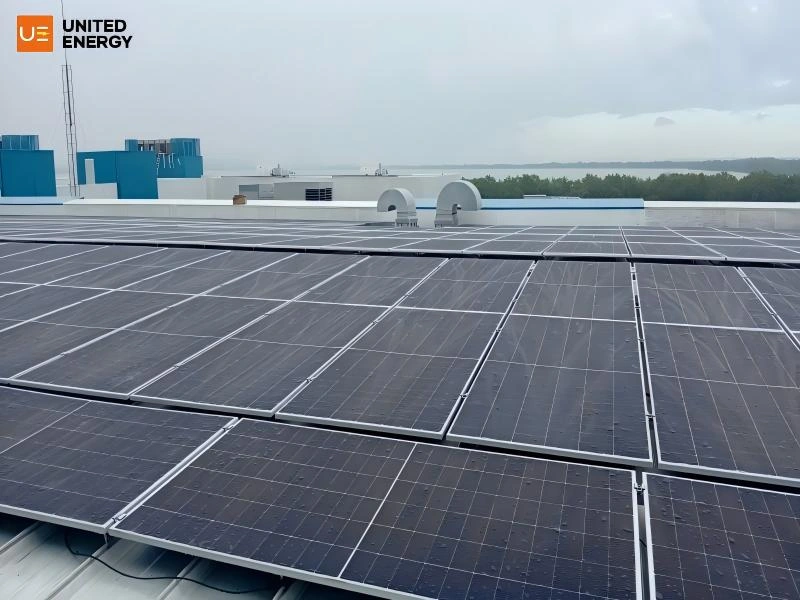
The available rooftop area limited the number of modules that could be installed. Using 620W TOPCon bifacial dual-glass modules, the project achieves approximately 311kW from 502 modules, maximizing PV capacity within the available space.
High and Variable Load
The facility has a high electricity demand, with approximately 2,000 kWh consumed during the day.
Although the PV system generates 1,300–1,500 kWh per day, solar generation does not always match the facility's instantaneous load. The grid therefore supplies the remaining demand when PV output is insufficient.
Variable Solar Surplus
At certain times, PV output can temporarily exceed the facility's load. This can create up to 50–100 kWh of surplus solar energy.
The ESS was added to store this surplus and shift it to later hours.

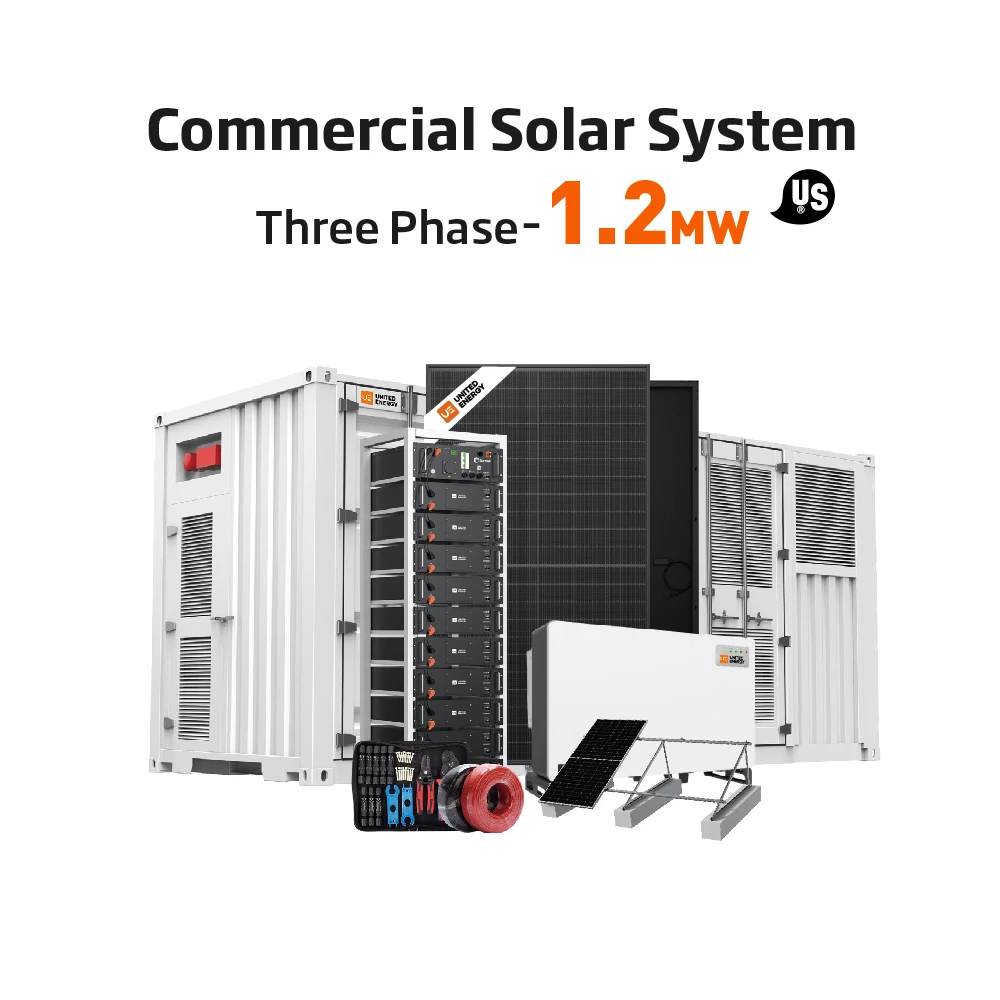
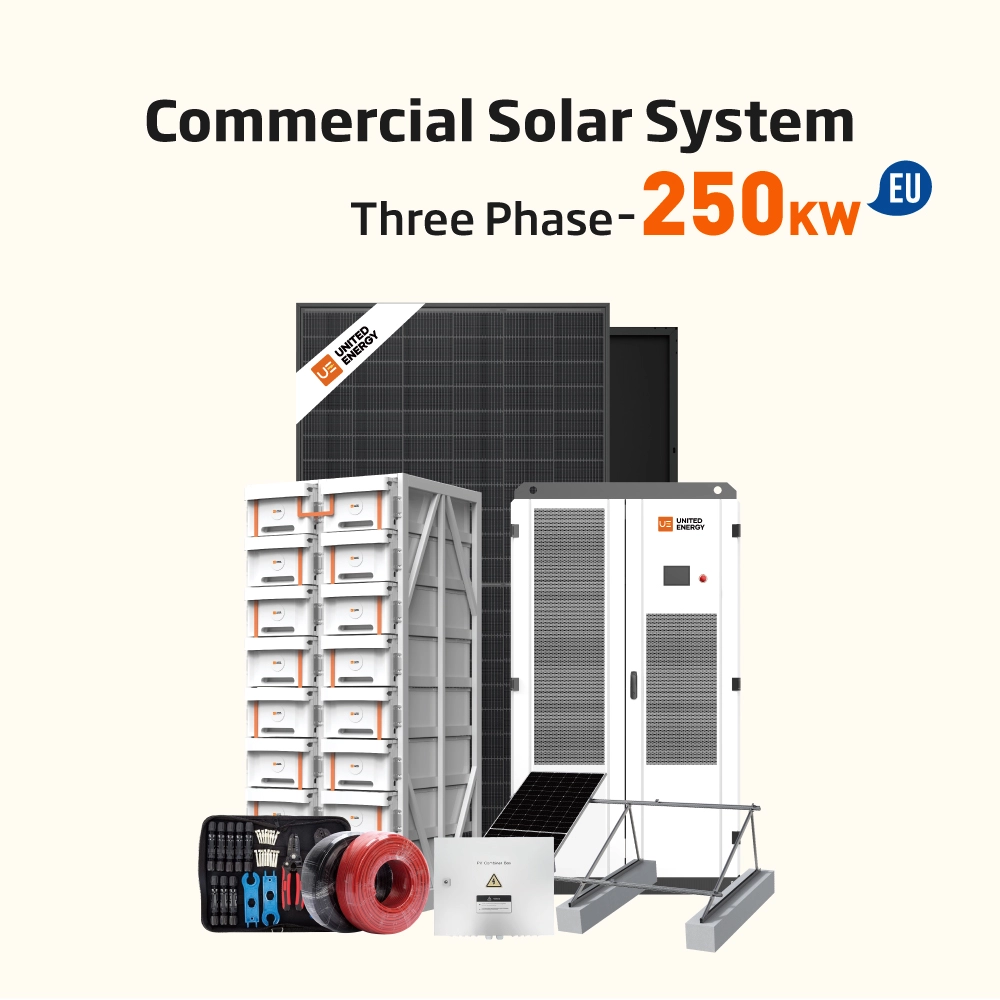
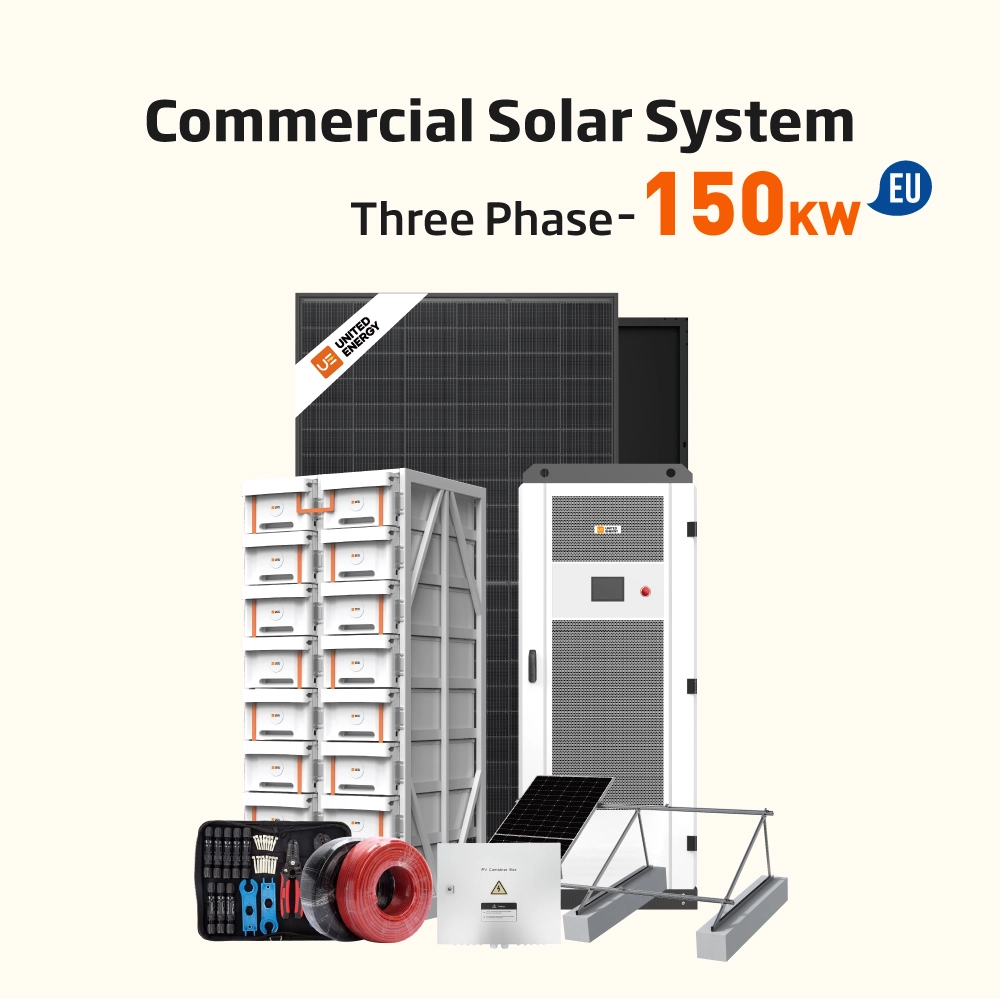
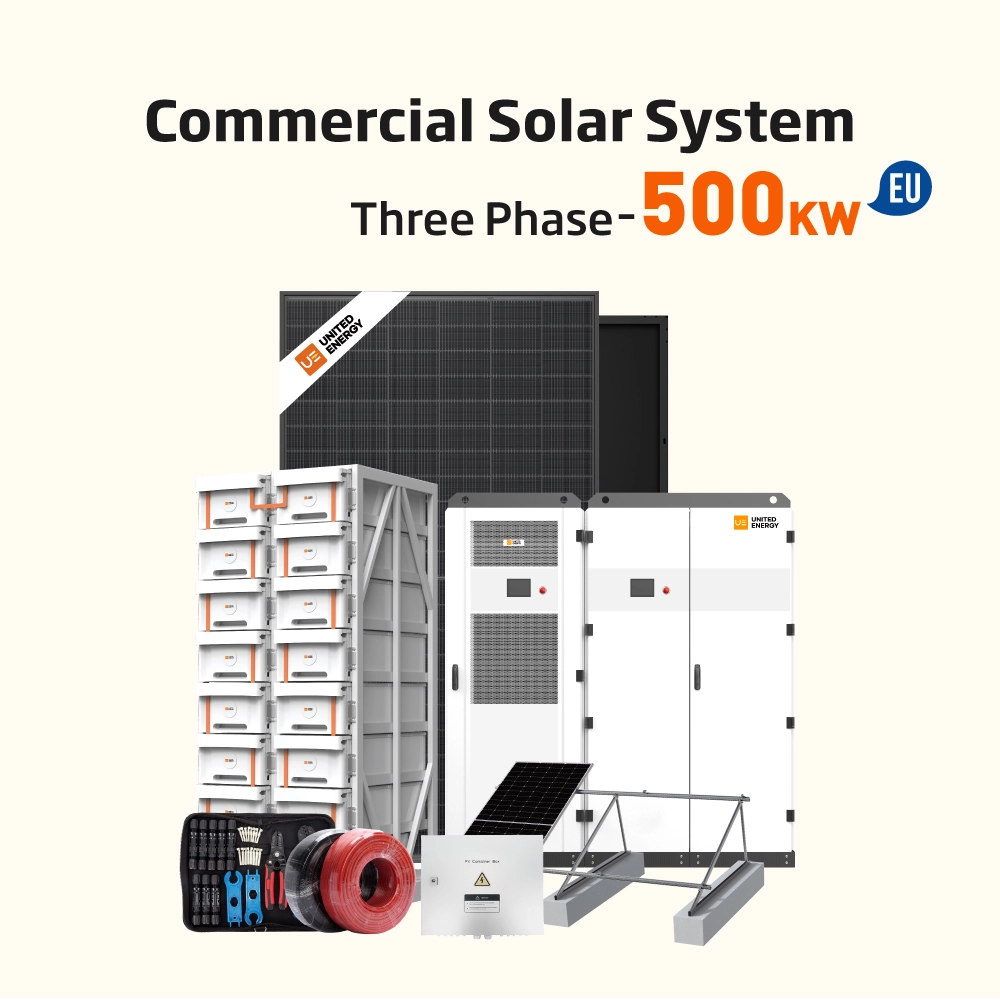
UE Customized Solar Solution- 311kW PV + 100kWh ESS
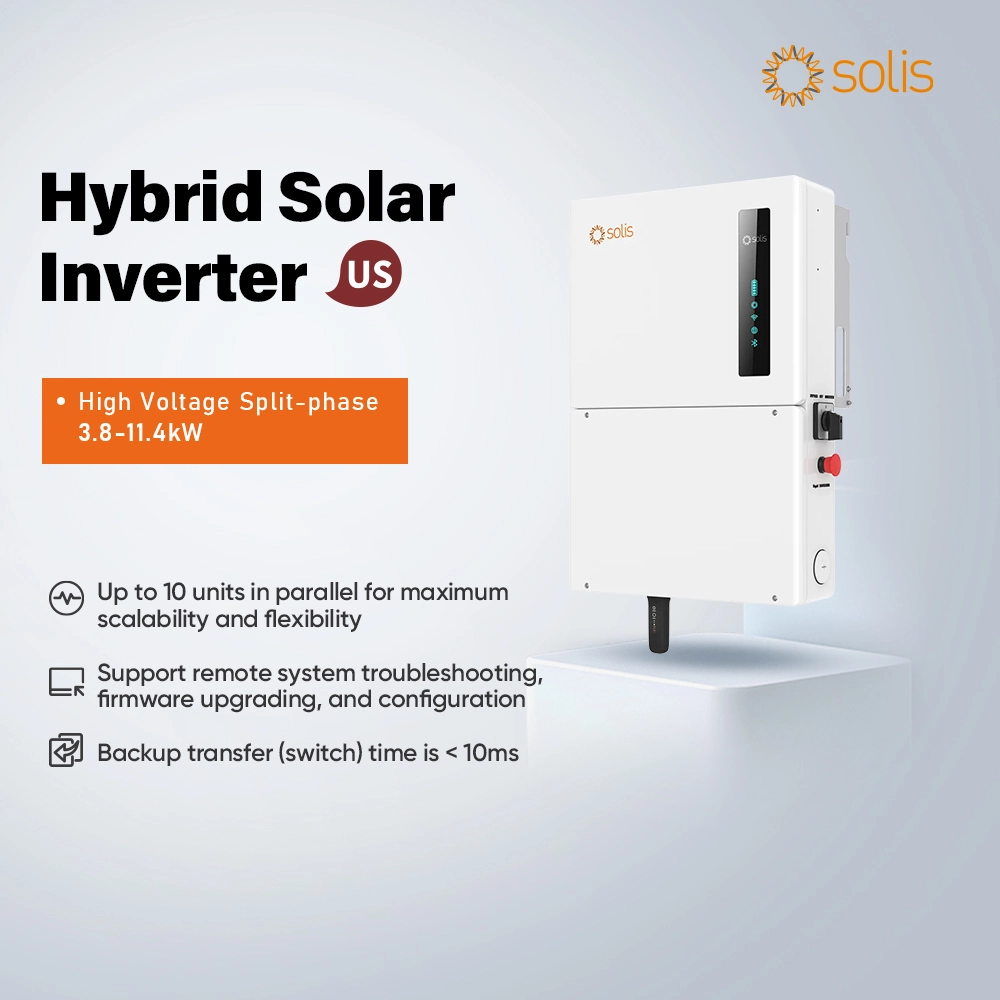
The system consists of 502 × 620W TOPCon bifacial dual-glass modules, two 110kW Solis grid-tied inverters, one 50kW Solis three-phase hybrid inverter, and a 100kWh high-voltage battery.
- PV System
The rooftop PV array uses 502 × 620W TOPCon bifacial dual-glass modules, providing approximately 311kW of PV capacity.
The high-power modules maximize solar generation within the limited rooftop area, with expected daily generation of approximately 1,300–1,500 kWh.
- Grid-Tied and Hybrid Inverters
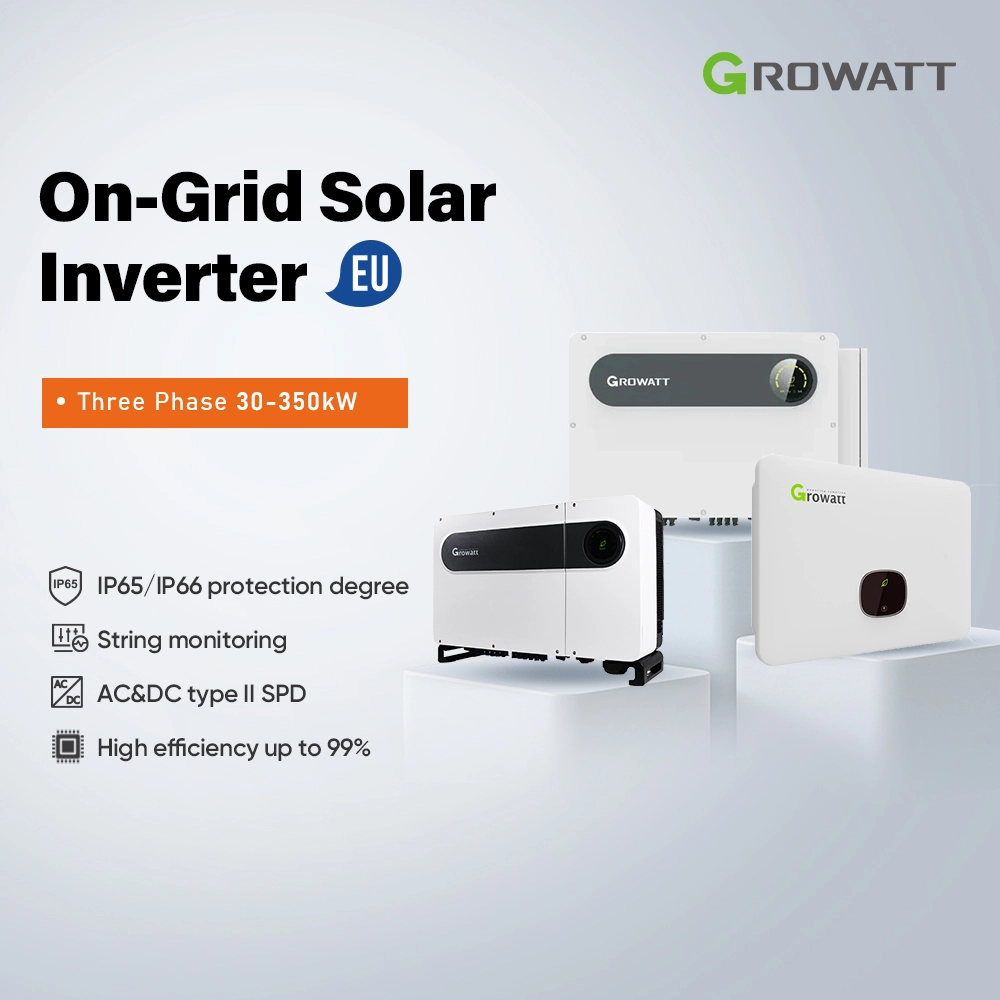
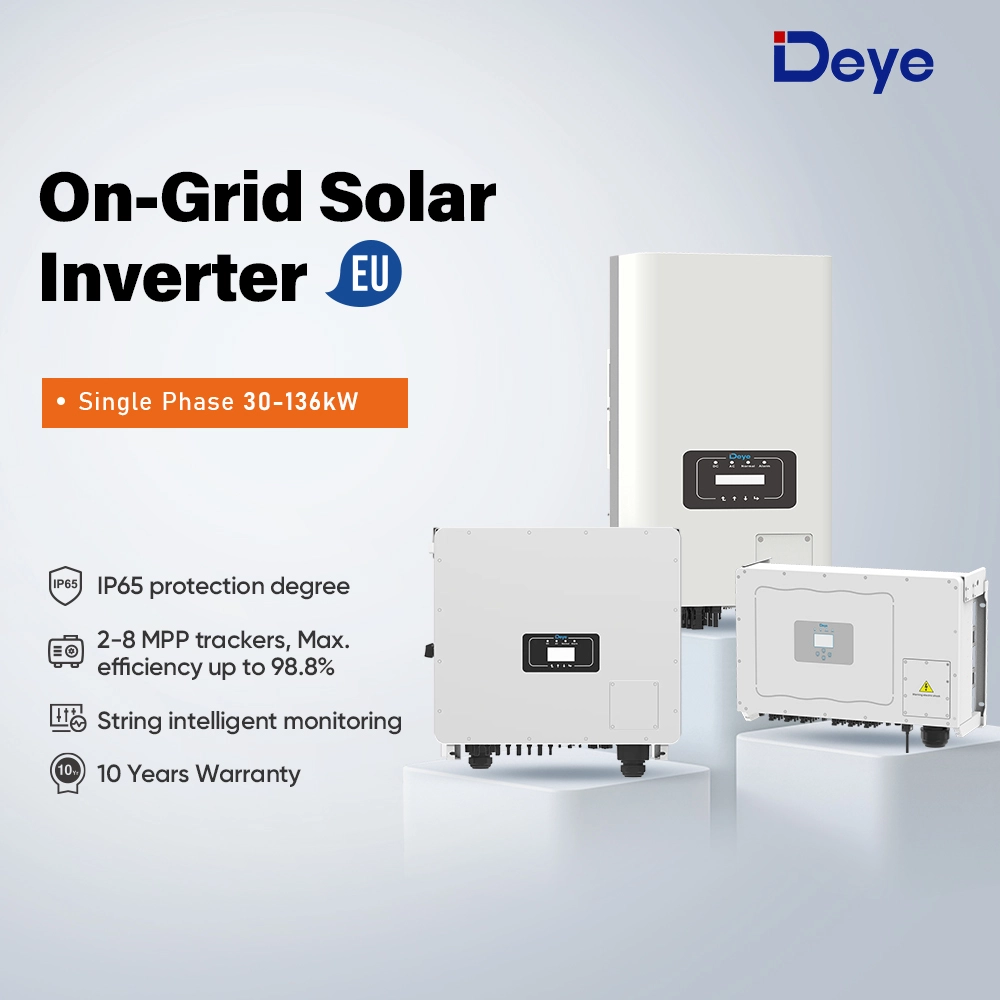
The two 110kW Solis grid-tied inverters convert the DC power generated by the PV modules into AC power for the facility's electrical loads and grid-connected system.
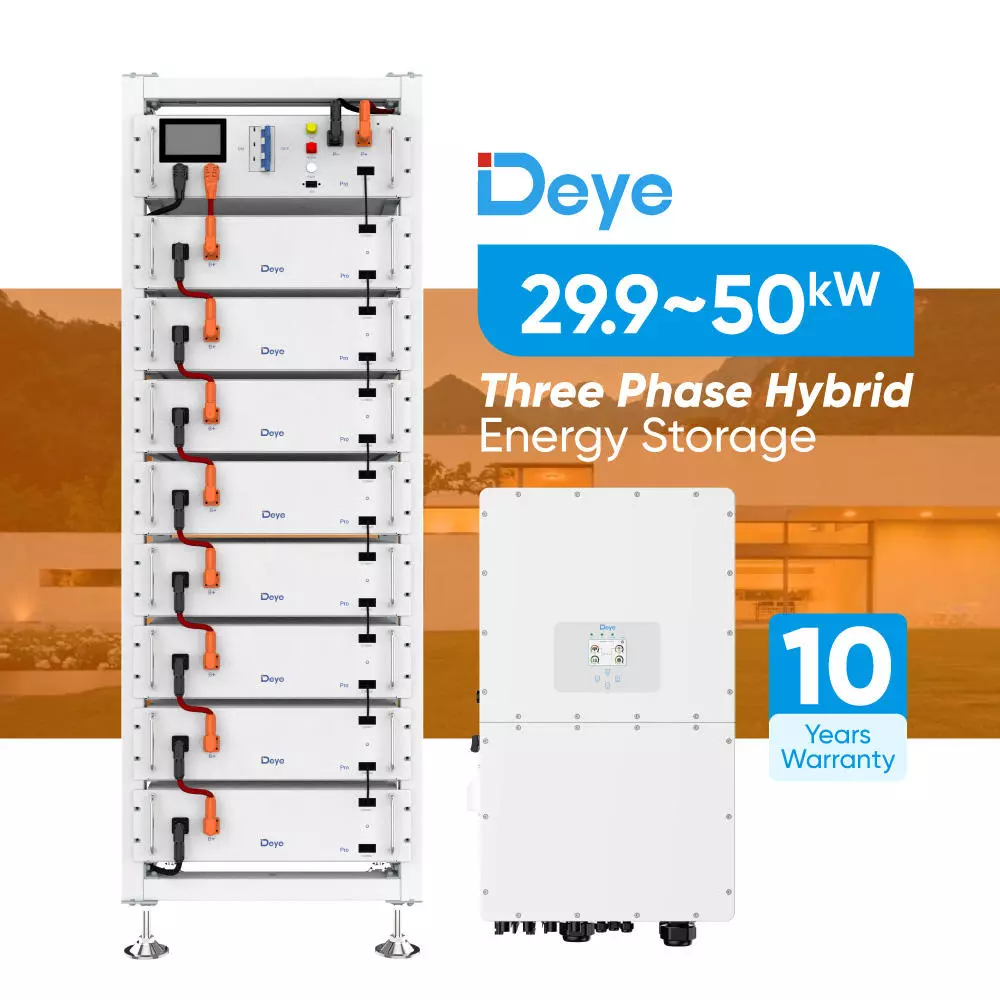
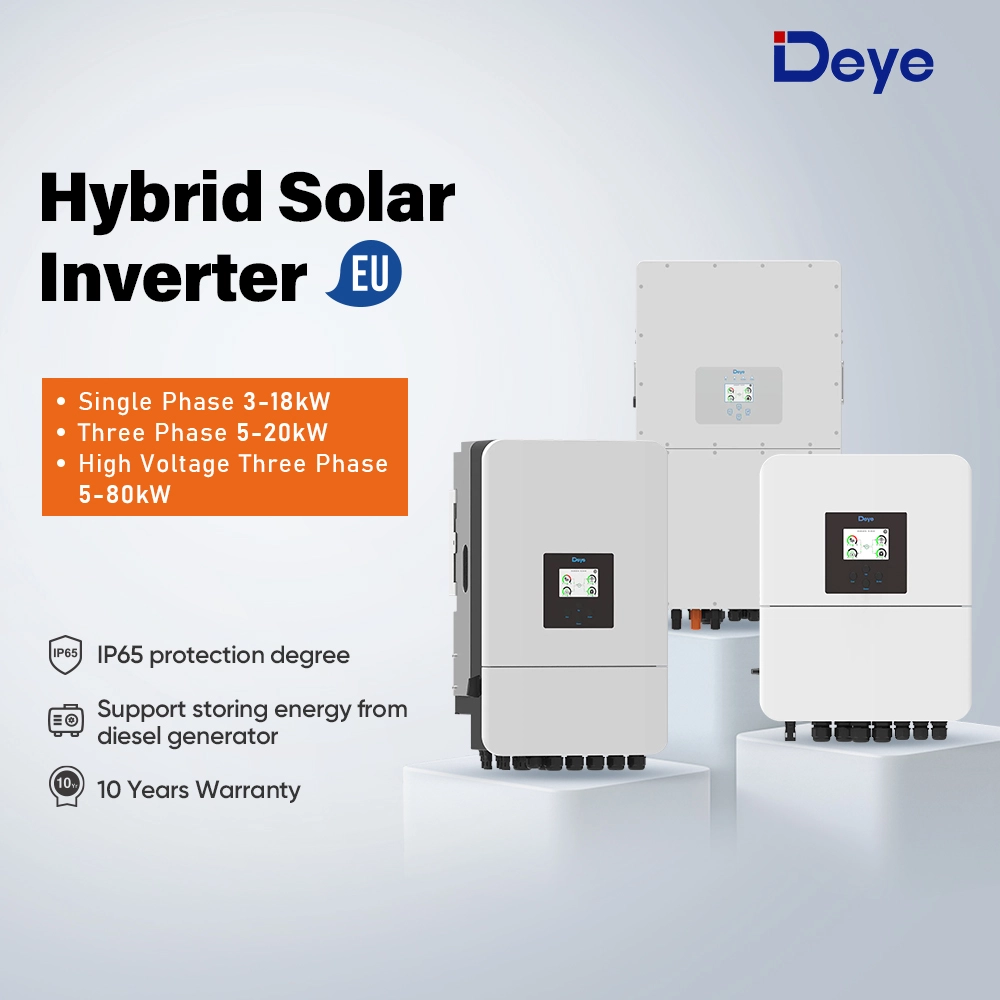
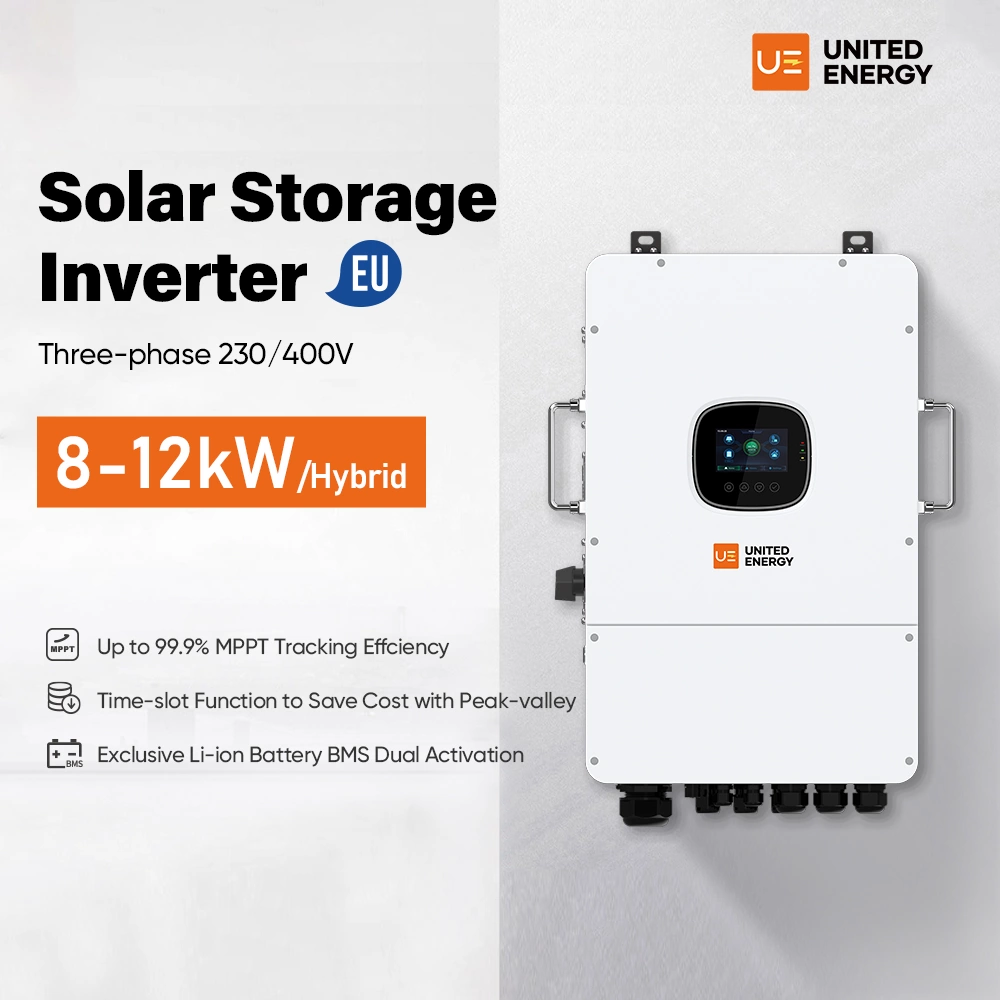
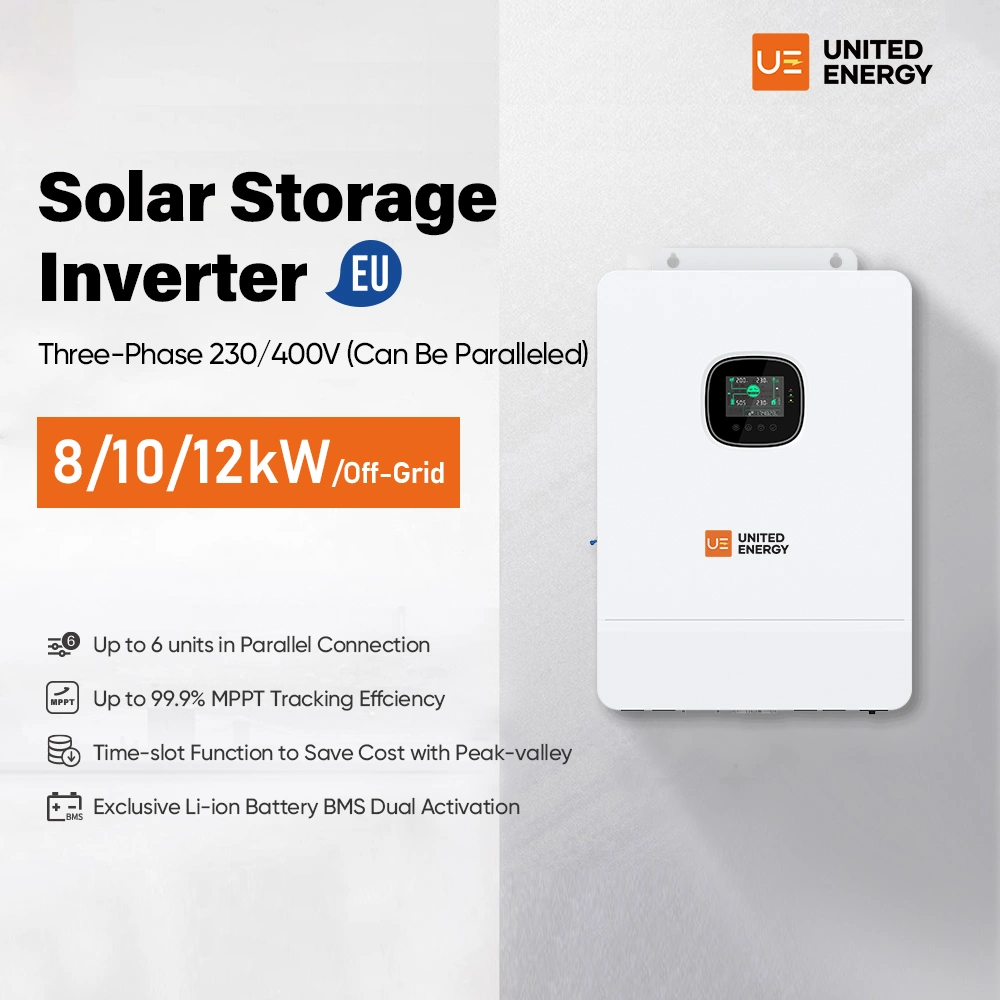
The 50kW Solis three-phase hybrid inverter manages the 100kWh high-voltage battery, directing surplus solar energy to the ESS when available and controlling battery discharge to support the load when needed.
- 100kWh High-Voltage ESS
The 100kWh high-voltage battery is primarily used to capture surplus solar energy that temporarily exceeds the facility's instantaneous load.
Rather than serving as full-night backup, the ESS provides targeted energy shifting—storing available solar energy during the day and making it available during evening hours.
How the System Works
The system operates through coordinated PV, ESS, and grid power.
During the day:
PV + Grid → Load
Solar power supplies the facility whenever available, while the grid covers any shortfall.
When PV exceeds the load:
PV Surplus → ESS
The battery captures available surplus solar energy, which can reach approximately 50–100 kWh under certain operating conditions.
At night:
ESS + Grid → Load
The stored solar energy supports part of the evening load, while the grid supplies the remaining demand.
With approximately 1,545 kWh of nighttime consumption, the 100kWh ESS is not intended as a full-night backup system. Instead, it provides targeted solar energy shifting.
Energy Performance
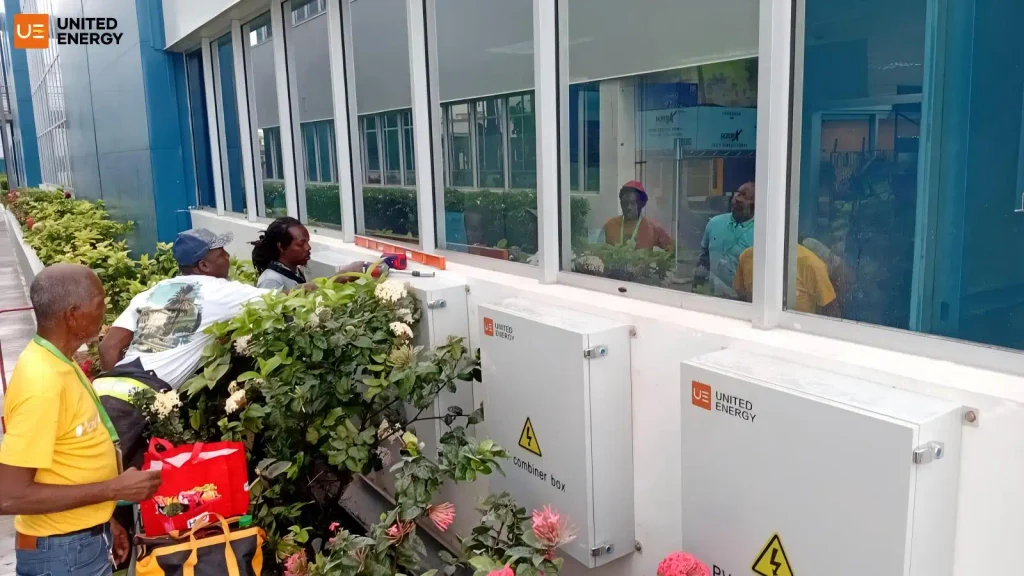
Solar power supplies a substantial portion of the daytime demand, while the grid continues to cover the remaining load. When PV generation temporarily exceeds the instantaneous load, the ESS captures the available surplus for later use.
Although the 100kWh ESS is relatively small compared with the facility's total daily electricity consumption, it is intentionally sized around the project's actual solar surplus rather than the full nighttime load. This avoids unnecessary battery capacity and helps reduce upfront investment costs while maintaining the required energy-shifting function, making the overall PV + ESS solution more economically viable.
Conclusion
This Jamaica project demonstrates how a load-profile-based approach can deliver a more practical and economical PV + ESS solution.
By combining 311kW of rooftop PV with a right-sized 100kWh ESS, the system makes better use of available solar energy, captures surplus generation when available, and provides targeted energy shifting without unnecessary battery oversizing.
The result is a cost-conscious solution designed around the customer's actual energy needs.