A practical guide for factory owners in hot climates (Southeast Asia, Middle East, Africa, Latin America)
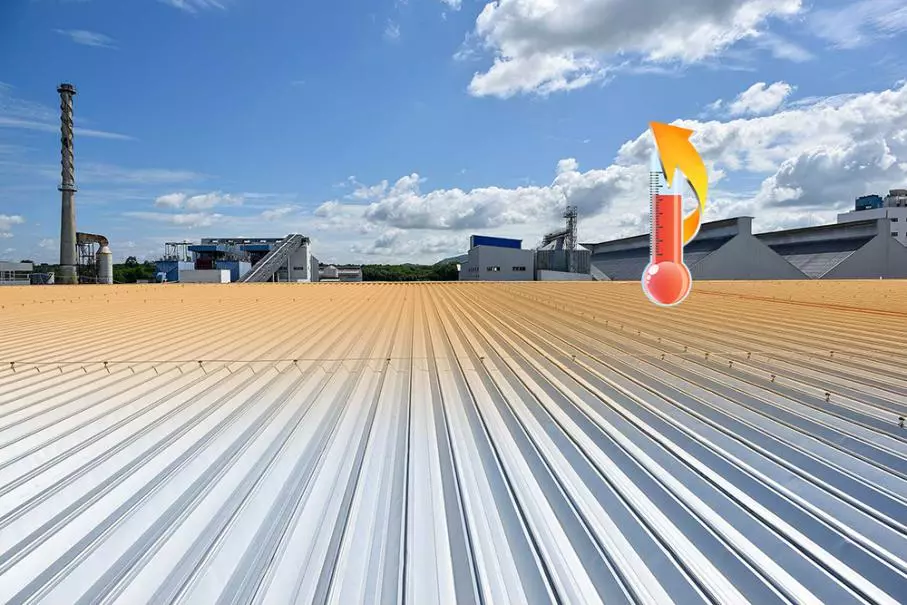
As global temperatures rise, industrial buildings are overheating. Metal rooftops in many manufacturing facilities, warehouses, and logistics centers absorb intense solar radiation — reaching 65°C (149°F) or more during peak summer.
This leads to:
Higher cooling costs
Reduced worker comfort
Lower equipment performance
Increased operational pressure
But rooftop solar offers a solution — beyond just electricity savings.
Why Do Industrial Buildings Get So Hot?
Most factories and warehouses use metal roofs, which rapidly absorb and transfer heat under direct sunlight.
In hot-climate regions, this creates a “heat trap” effect — indoor spaces stay hot all day, increasing:
Cooling electricity consumption
Thermal stress on electrical equipment
Worker fatigue
Inventory risks for heat-sensitive products
Managing indoor heat is now a critical operational challenge for many industrial businesses.
How Rooftop Solar Panels Reduce Factory Roof Heat
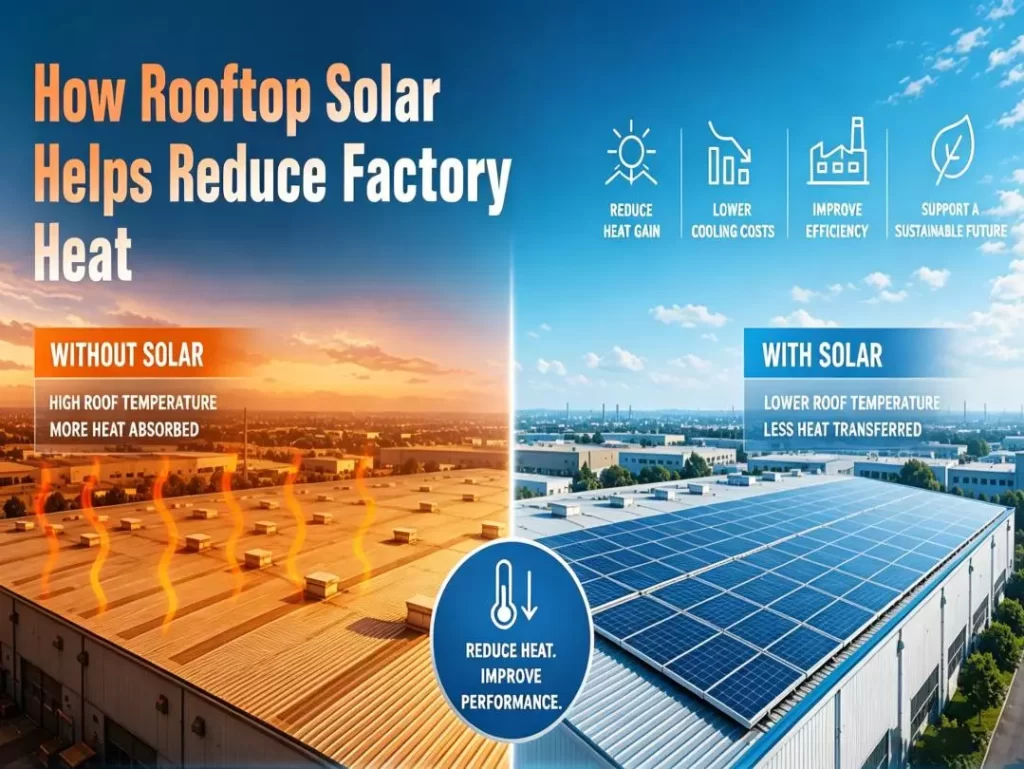
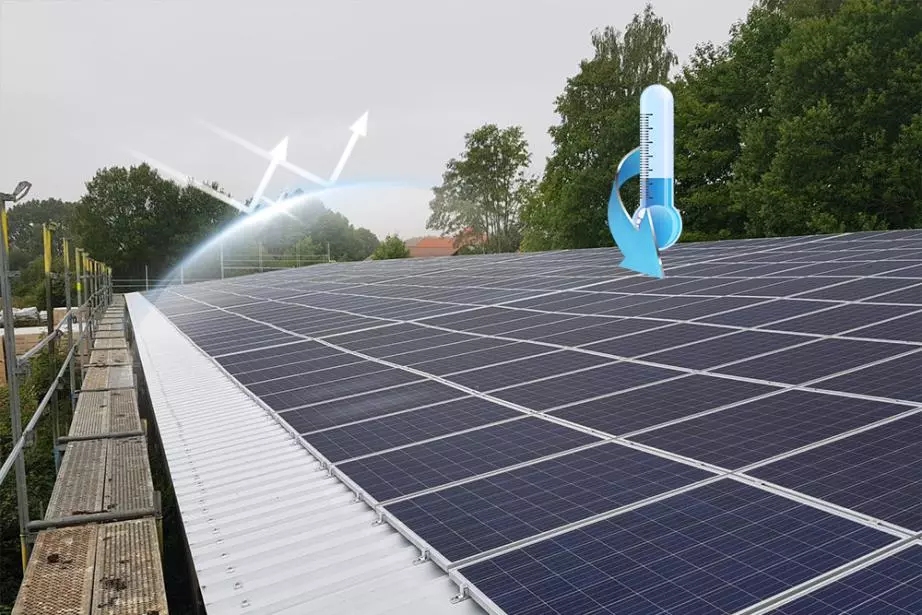
Rooftop solar systems act as a protective thermal barrier between sunlight and the roof.
Instead of solar radiation hitting the metal roof directly, photovoltaic (PV) modules absorb most of the sunlight first. Part of that energy is converted into electricity — the rest is prevented from transferring into the building.
Two key cooling mechanisms:
1. Solar Panels as a Thermal Shield
Panels function like a canopy, shading the roof from direct radiation
Compared to exposed metal roofs, solar-covered rooftops stay significantly cooler during peak sunlight hours
2. Air Gap Passive Cooling
Most industrial solar systems are installed with a gap between modules and roof surface
Continuous airflow removes rising hot air, reducing heat buildup on the roof structure
✅ Real-world result: Lower roof surface temperature = lower indoor temperature + lower cooling load
Real Benefits for Factories & Warehouses (Beyond Energy Savings)
1. Lower Energy & Cooling Costs
Industrial cooling systems consume大量 electricity — especially during peak hours
Solar reduces both grid electricity and cooling-related consumption
For daytime factories → substantial long-term savings
2. Improved Working Environments
Excessive heat reduces concentration, comfort, and productivity