
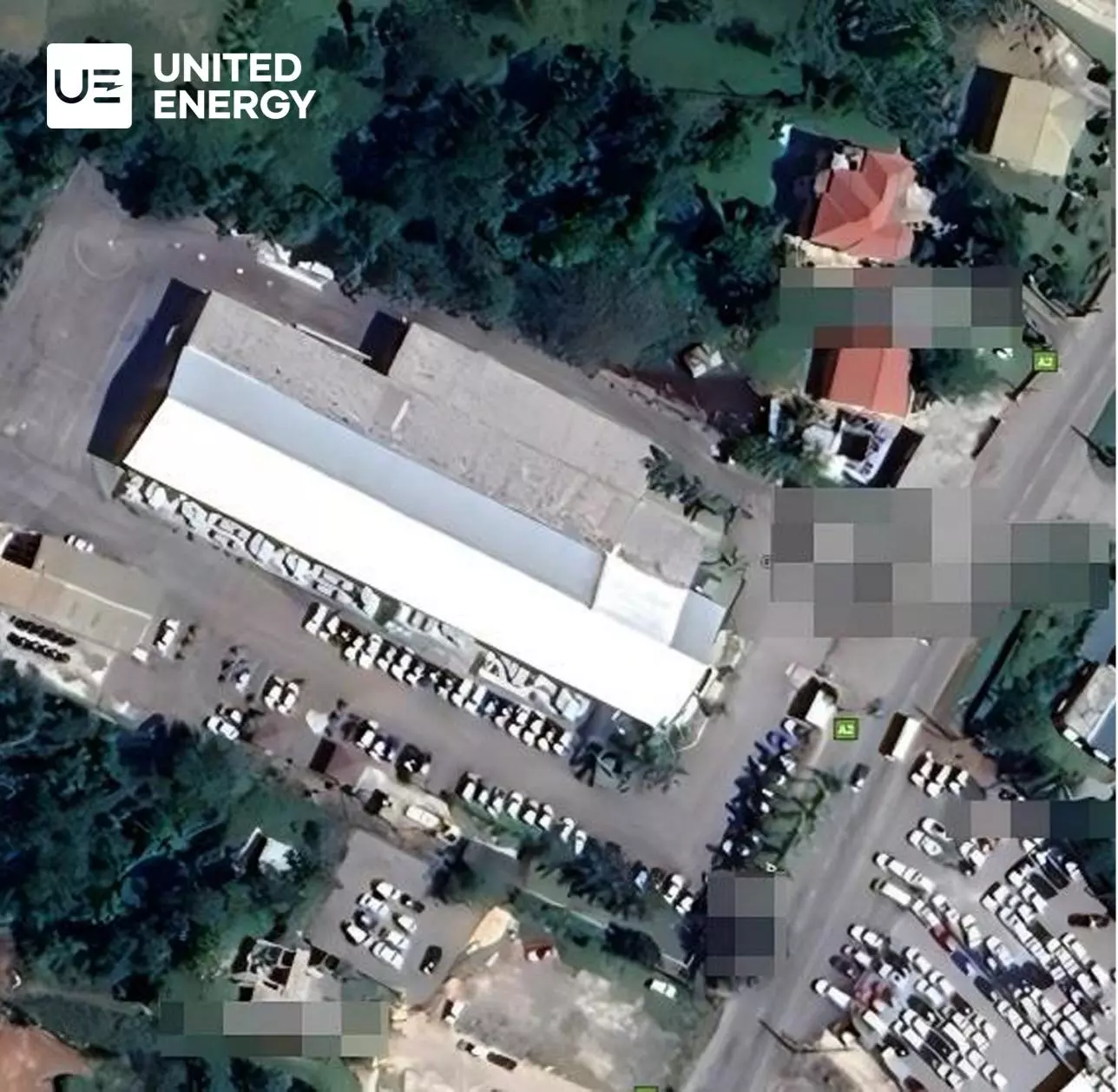
Location: Jamaica
Project Application: Large-Scale IT Company Data Center
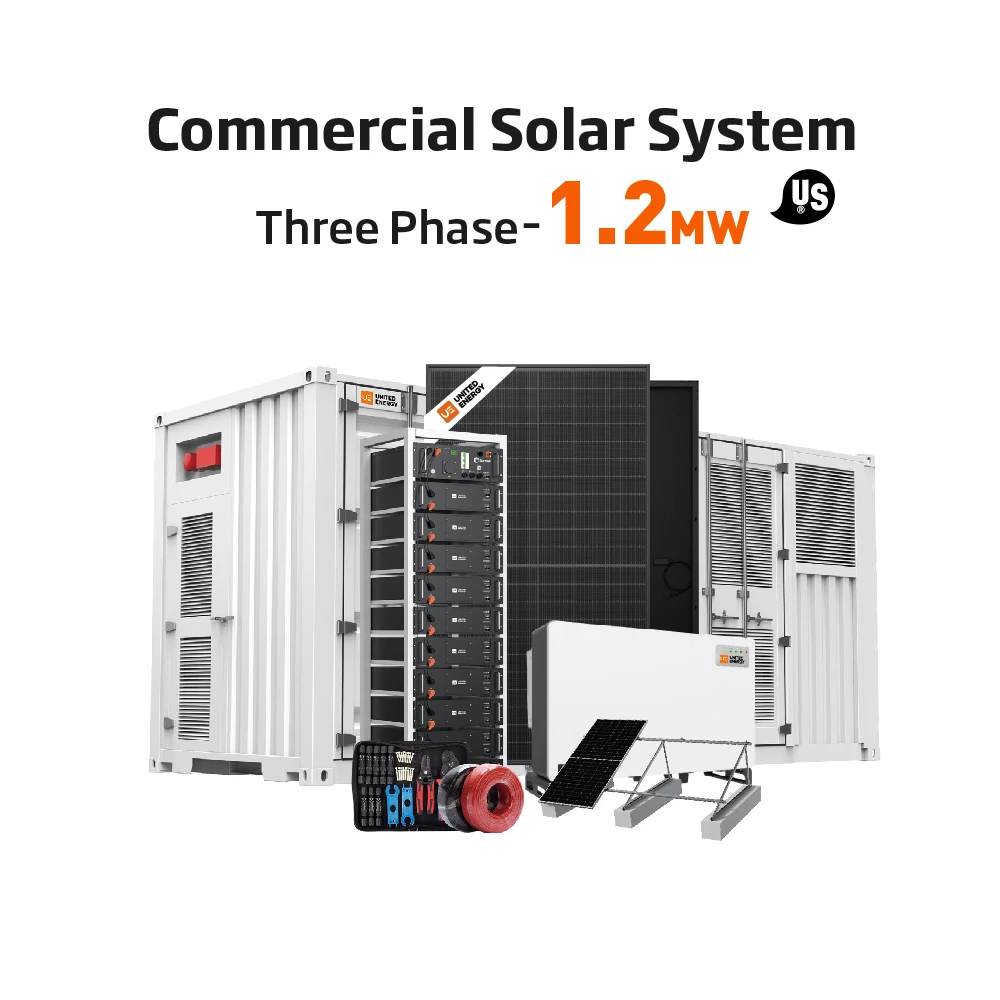
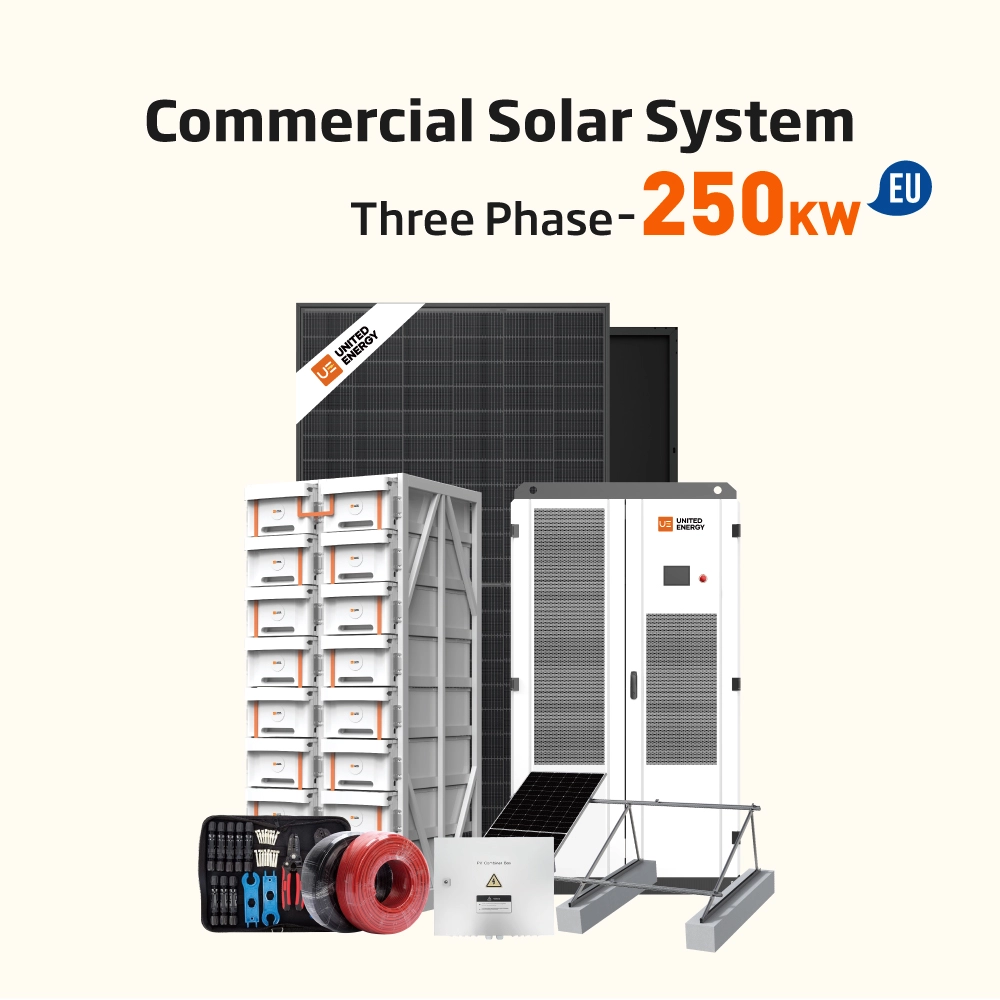
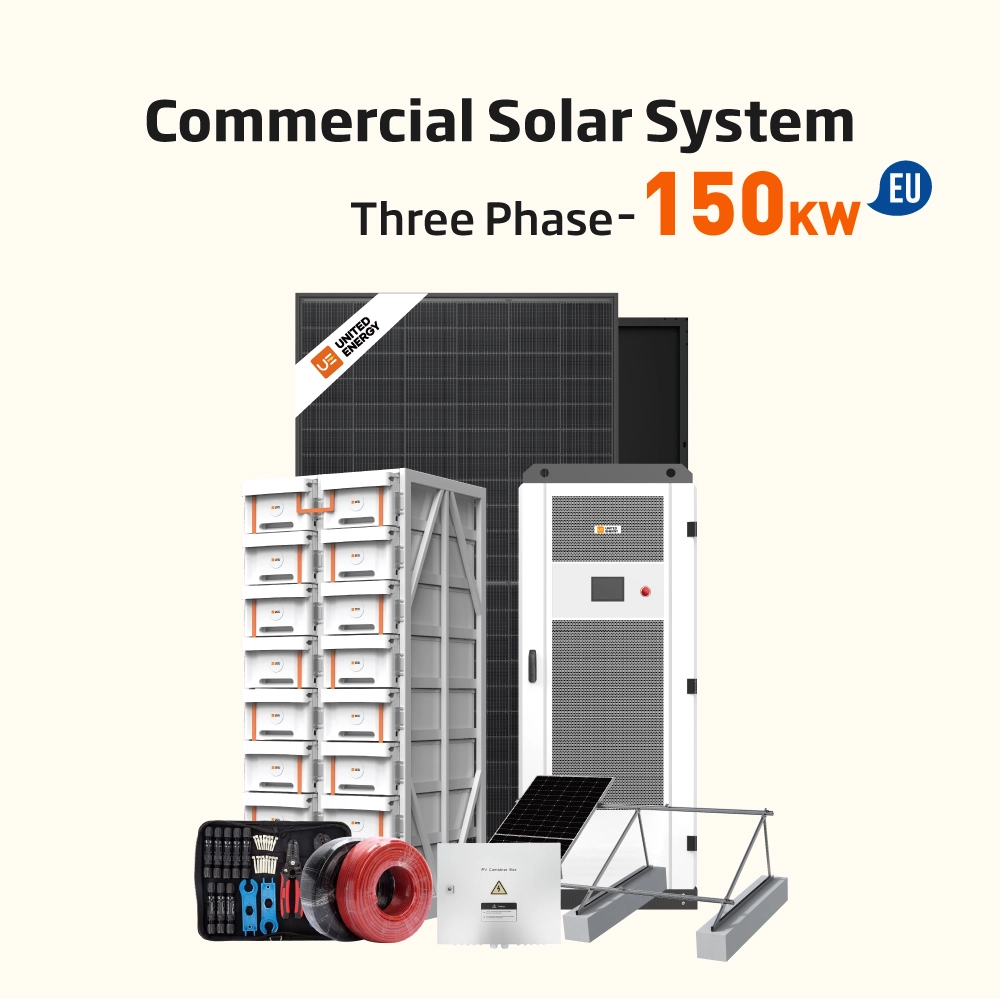
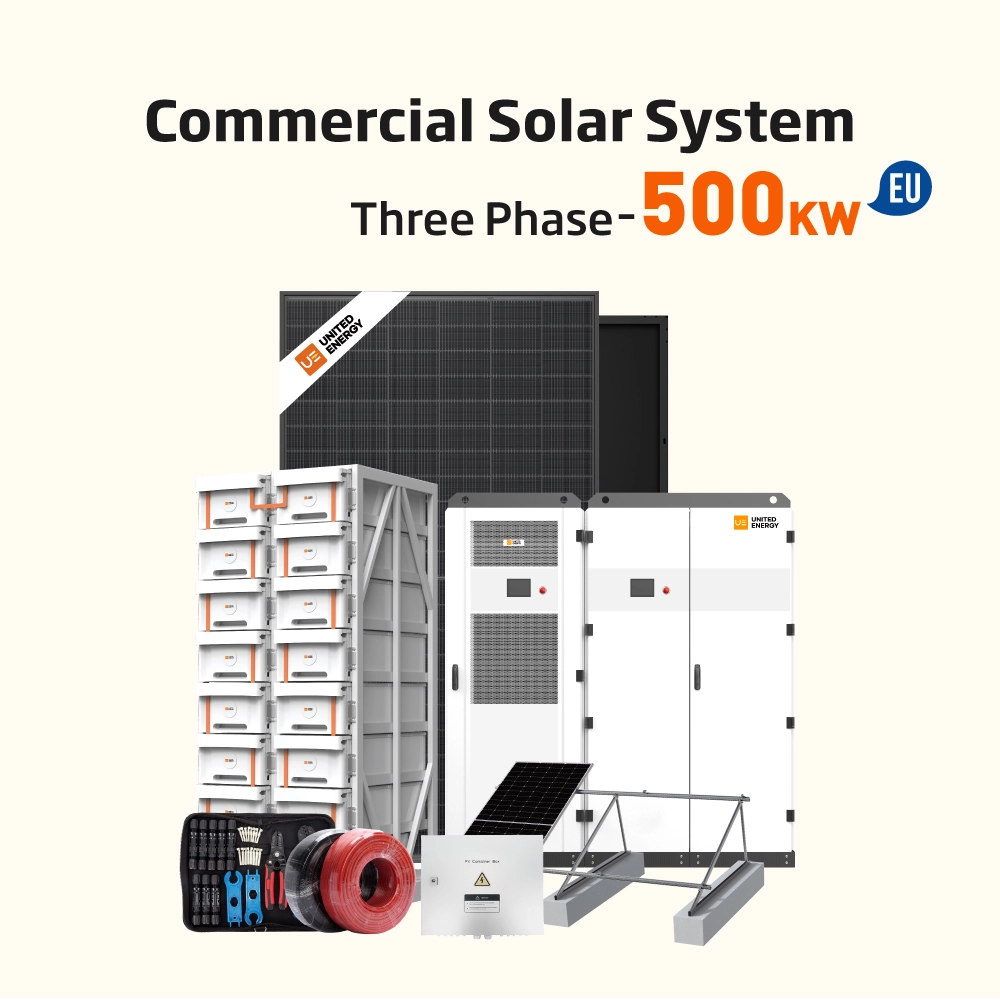
Project Capacity: 489kWp PV + 1.1MWh BESS
System Architecture: PV + Battery Energy Storage System (BESS) with Zero-Export Function (No Grid Feed-in)
Project Overview
For IT companies operating energy-intensive data centers in regions with high electricity tariffs, energy costs are no longer just an operational expense- they have become a key factor affecting competitiveness and scalability.
This case study presents a PV + BESS solution deployed for a leading IT company in Jamaica. The system was designed to address high electricity tariffs (up to USD 0.34/kWh), significant daily energy consumption (over 2,200 kWh), and the client’s goal of reducing long-term energy costs while ensuring a stable and uninterrupted power supply.
Customized Solar + Storage Solution
The system adopts a modular and scalable design to ensure high reliability and efficient energy management.
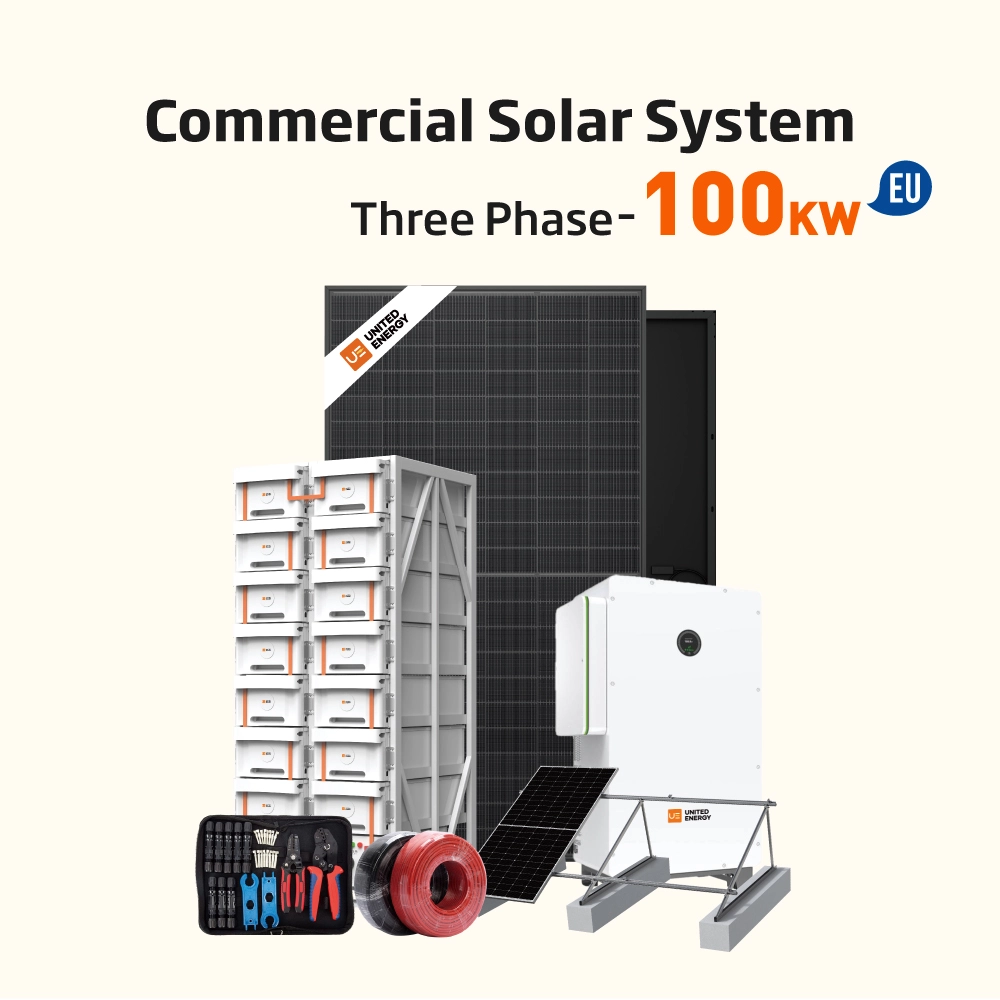
The final system configuration includes:
1. Solar PV System: 489 kWp
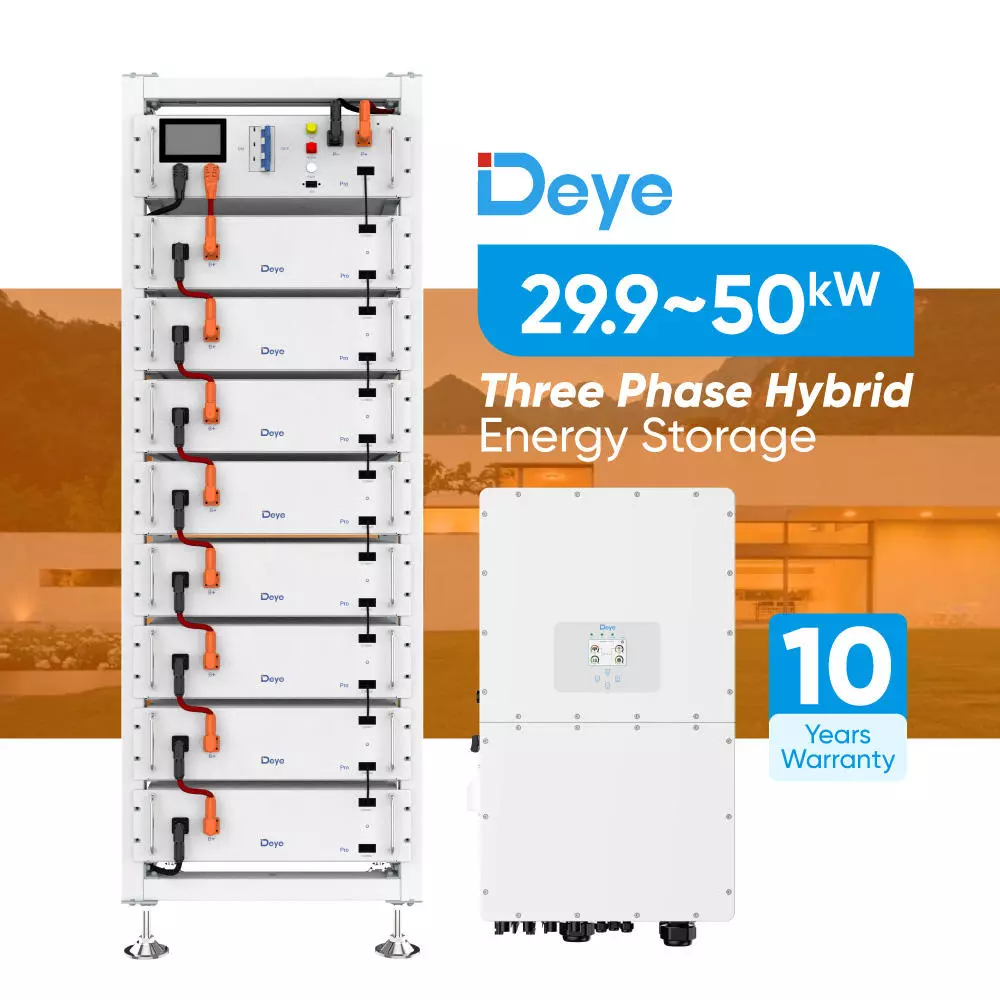
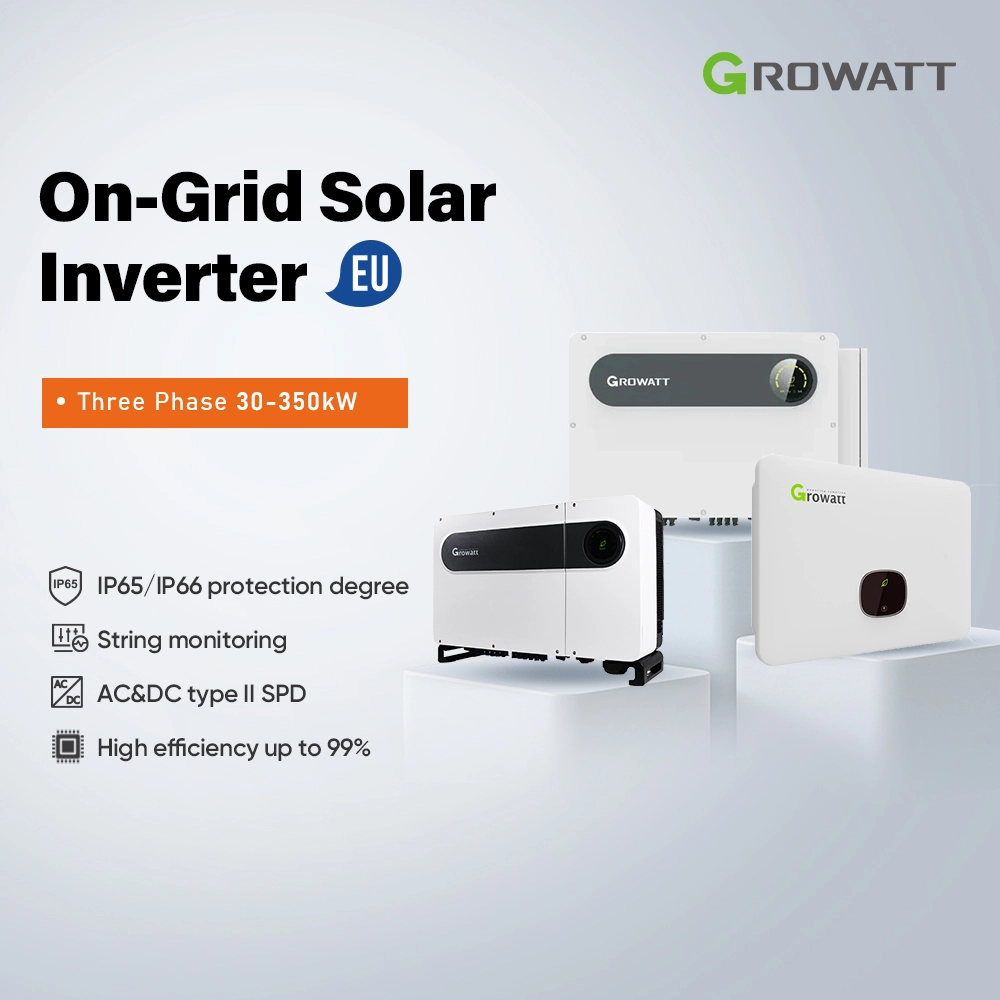
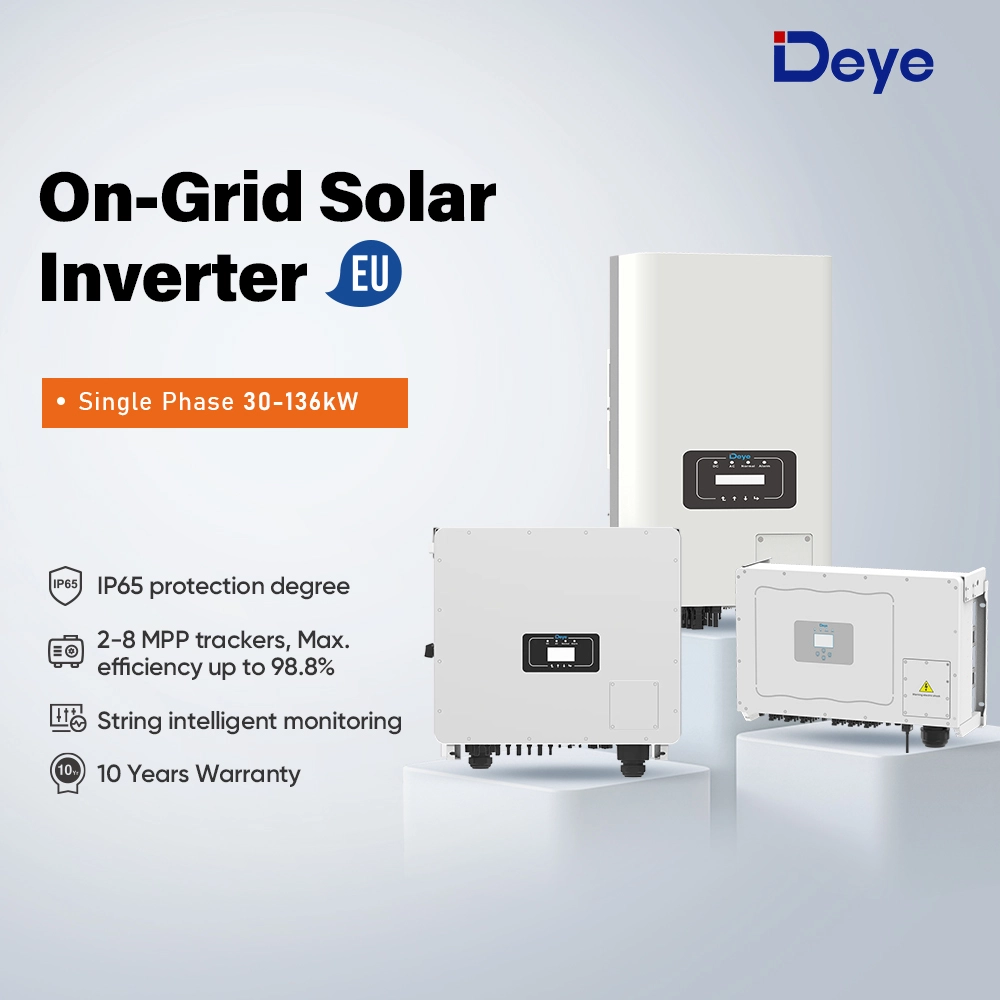
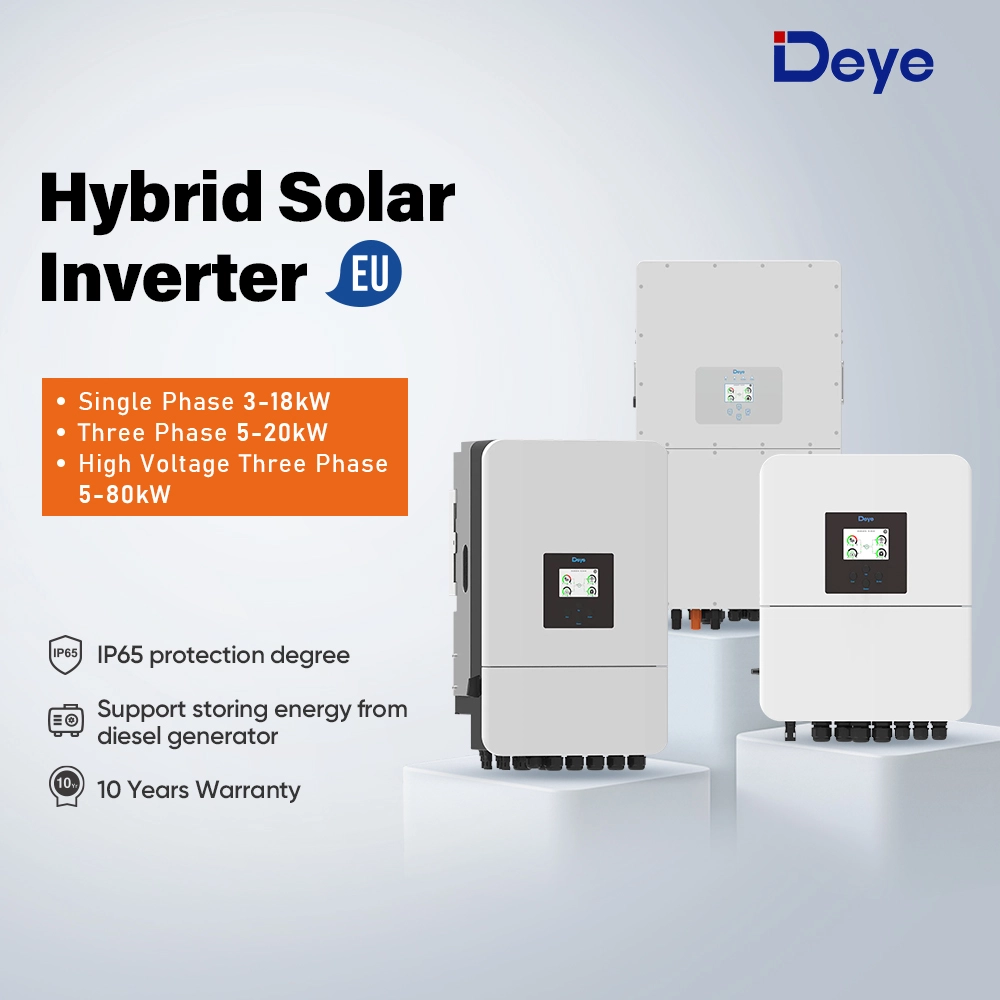
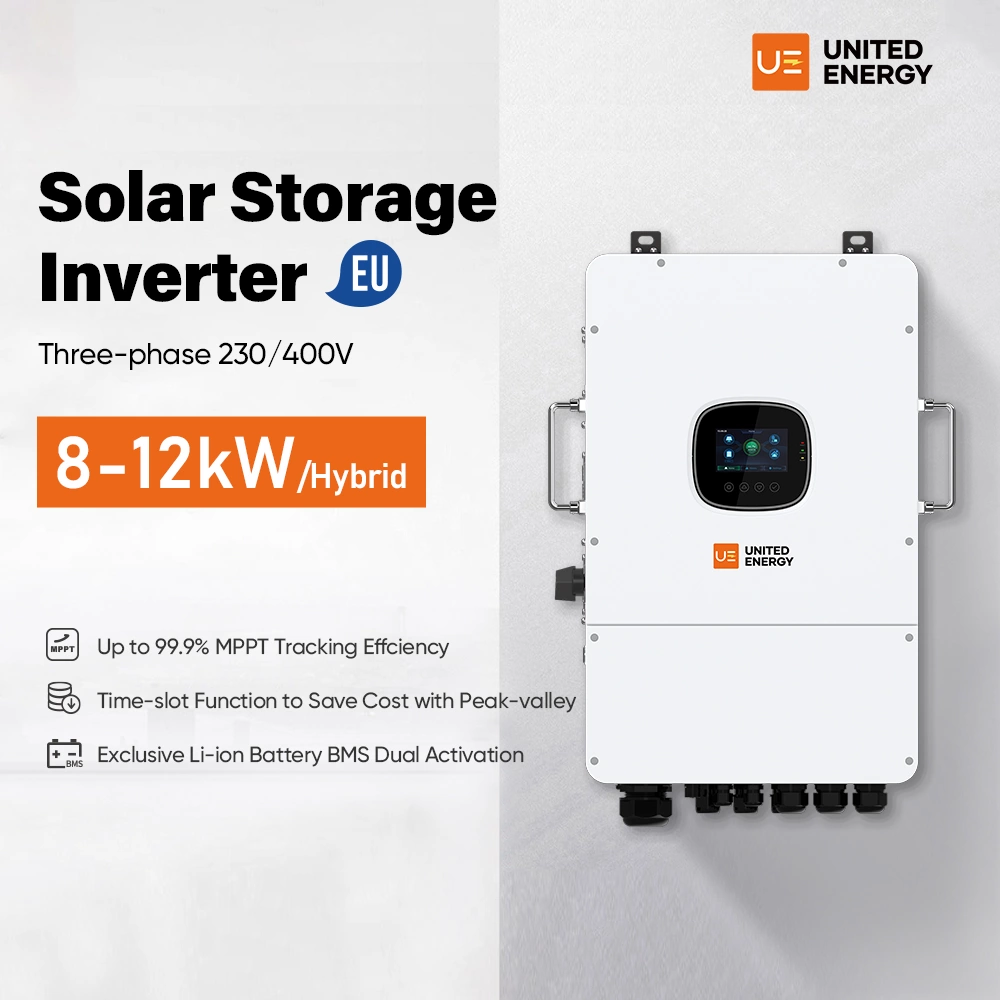
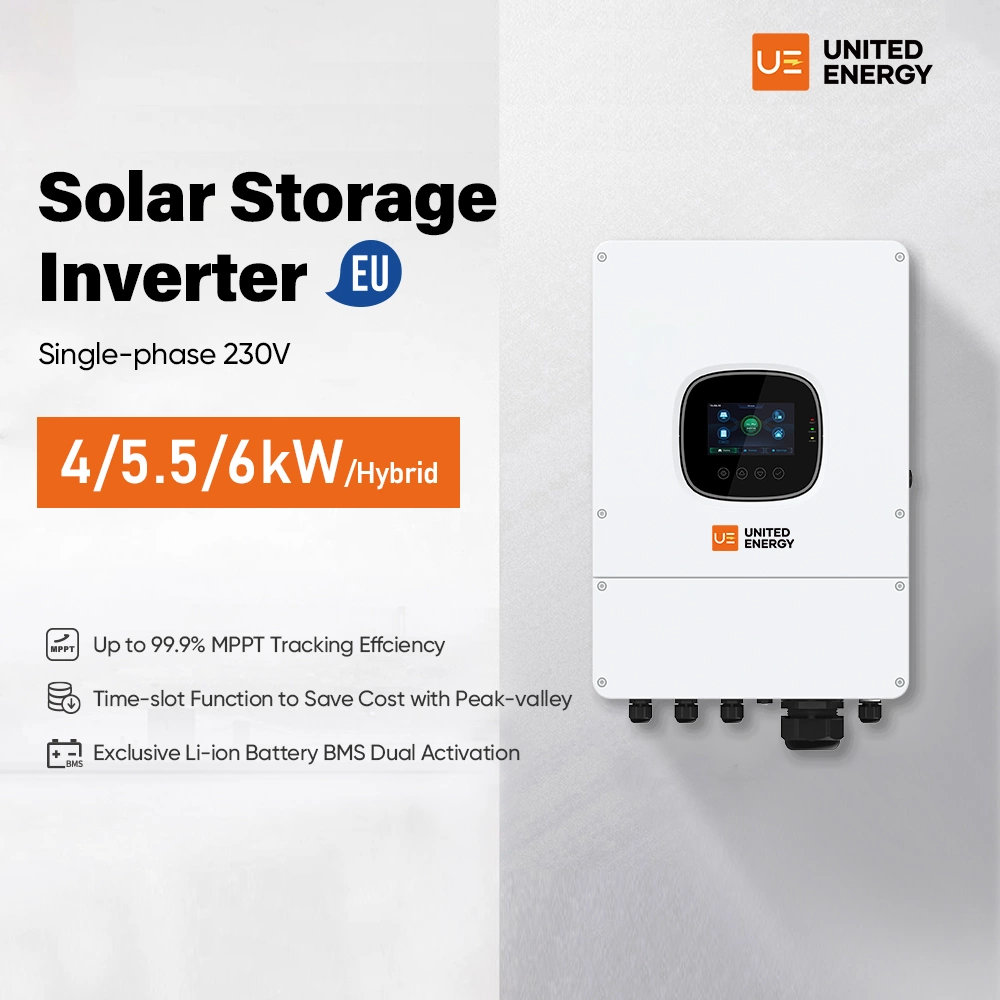
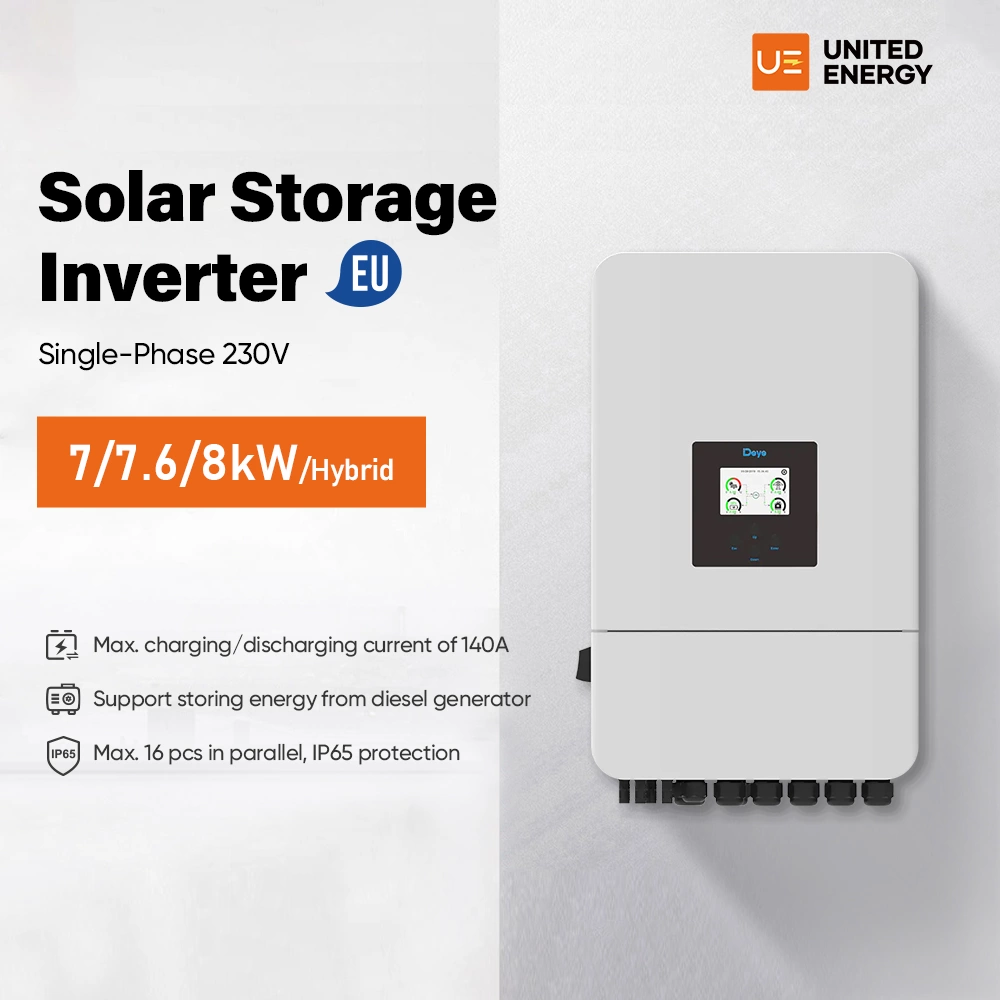
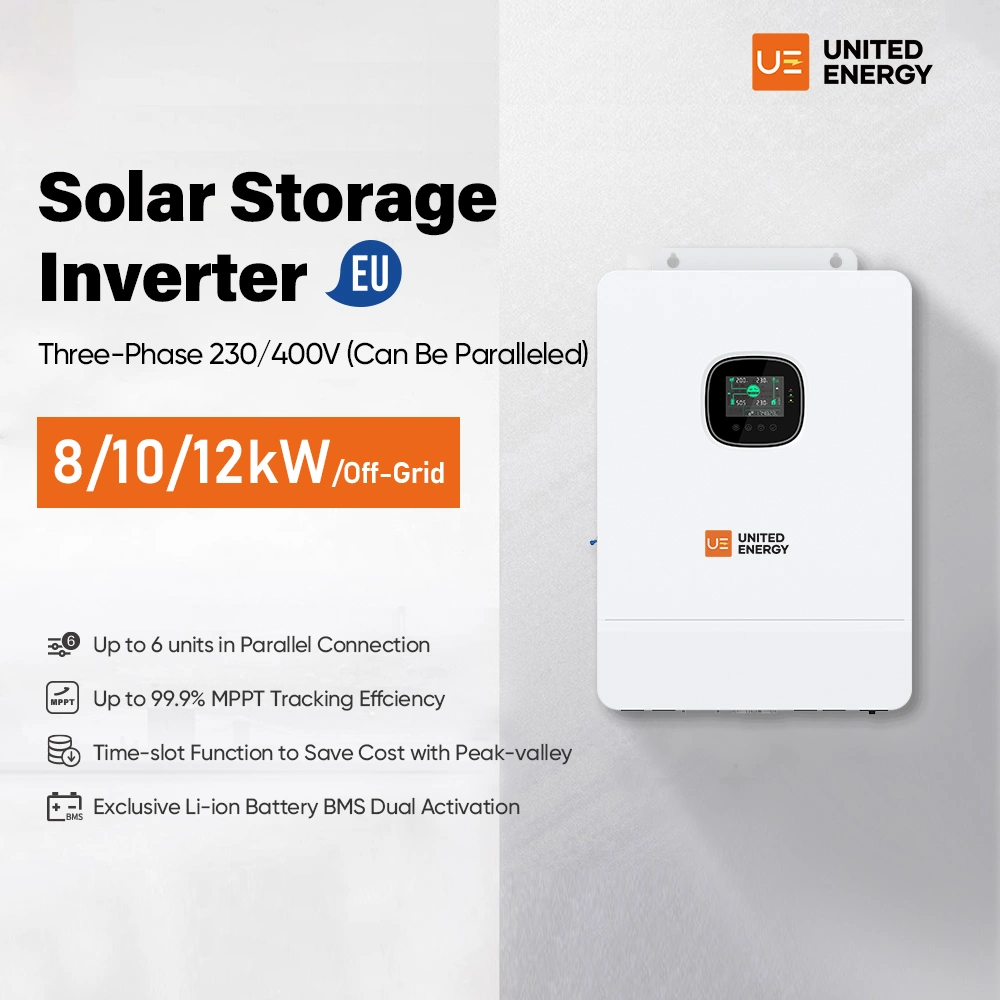
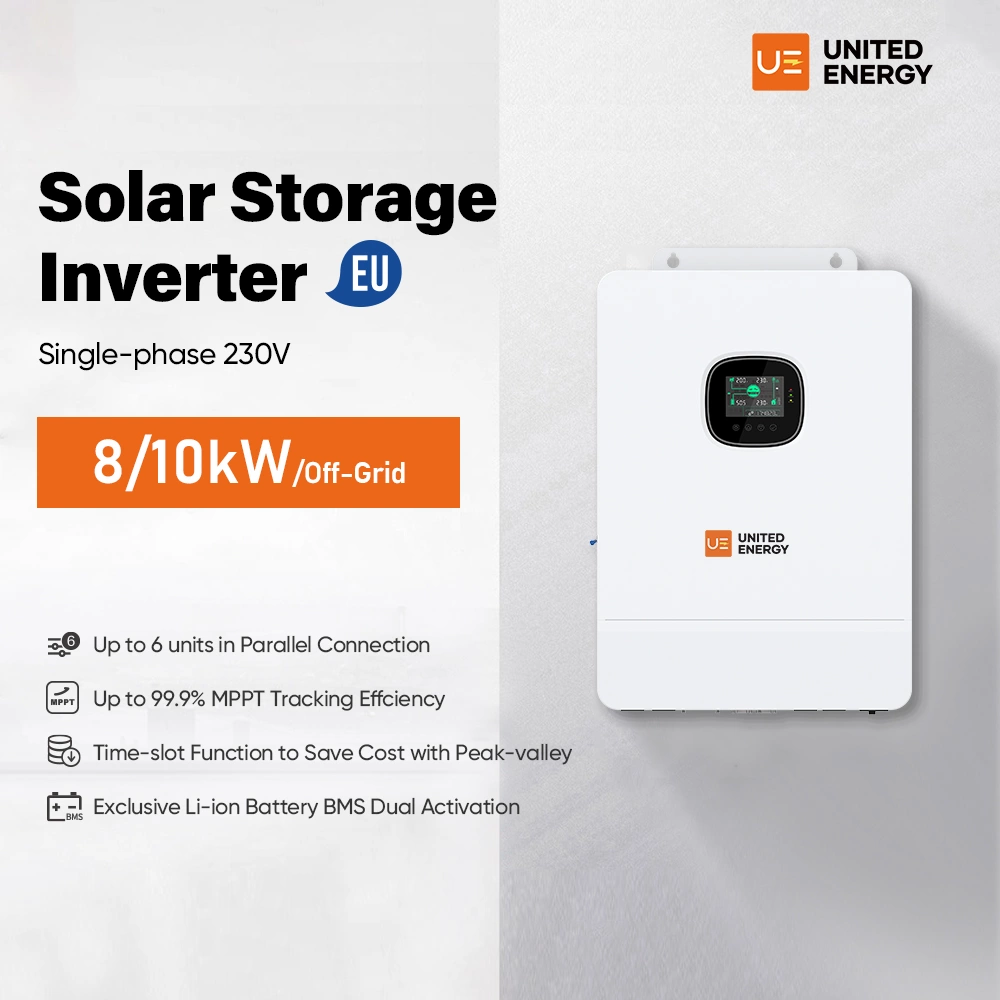
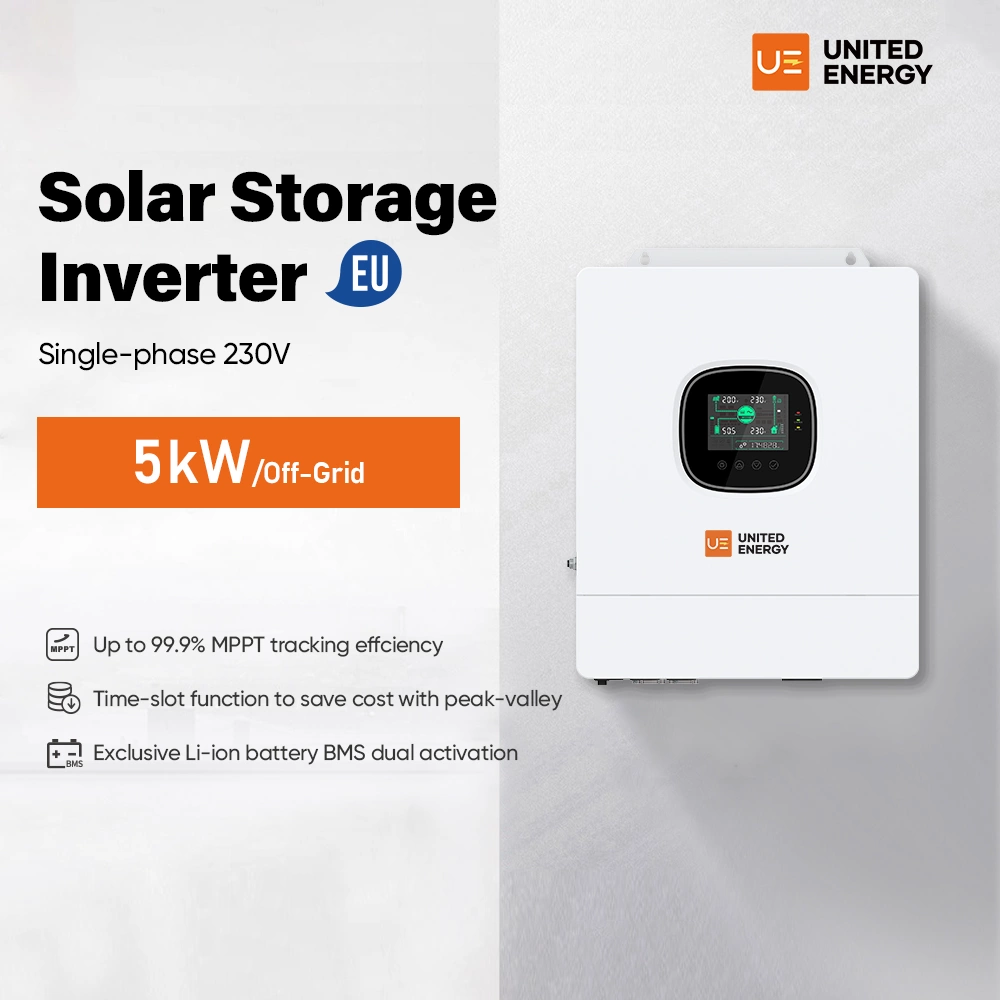
2. Inverter Capacity: 300 kW
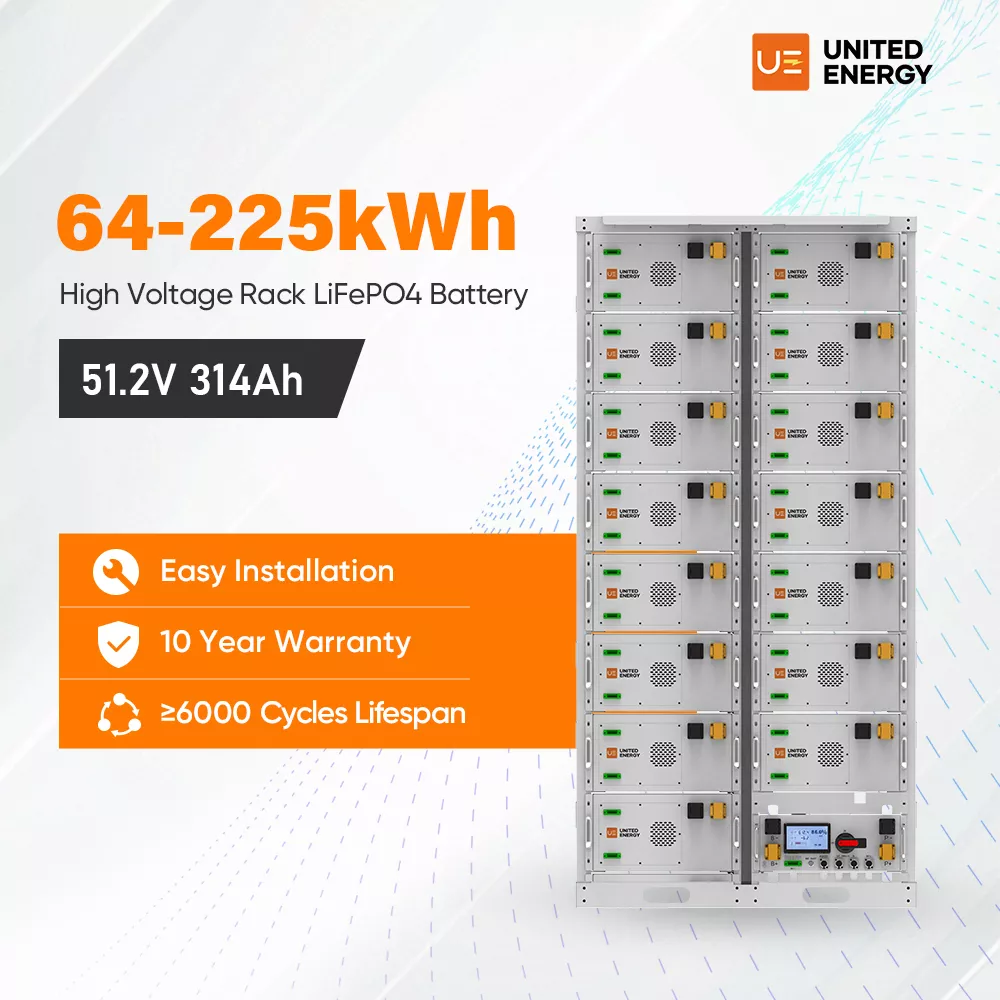
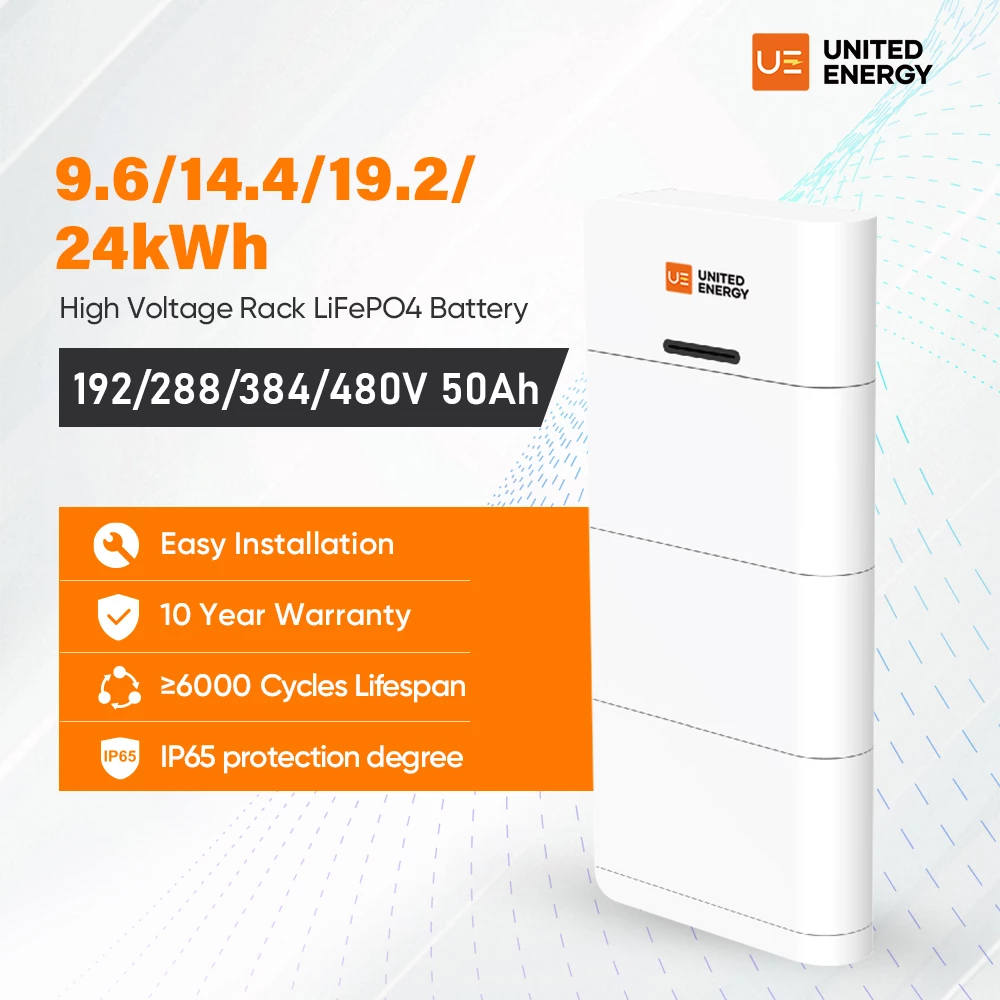
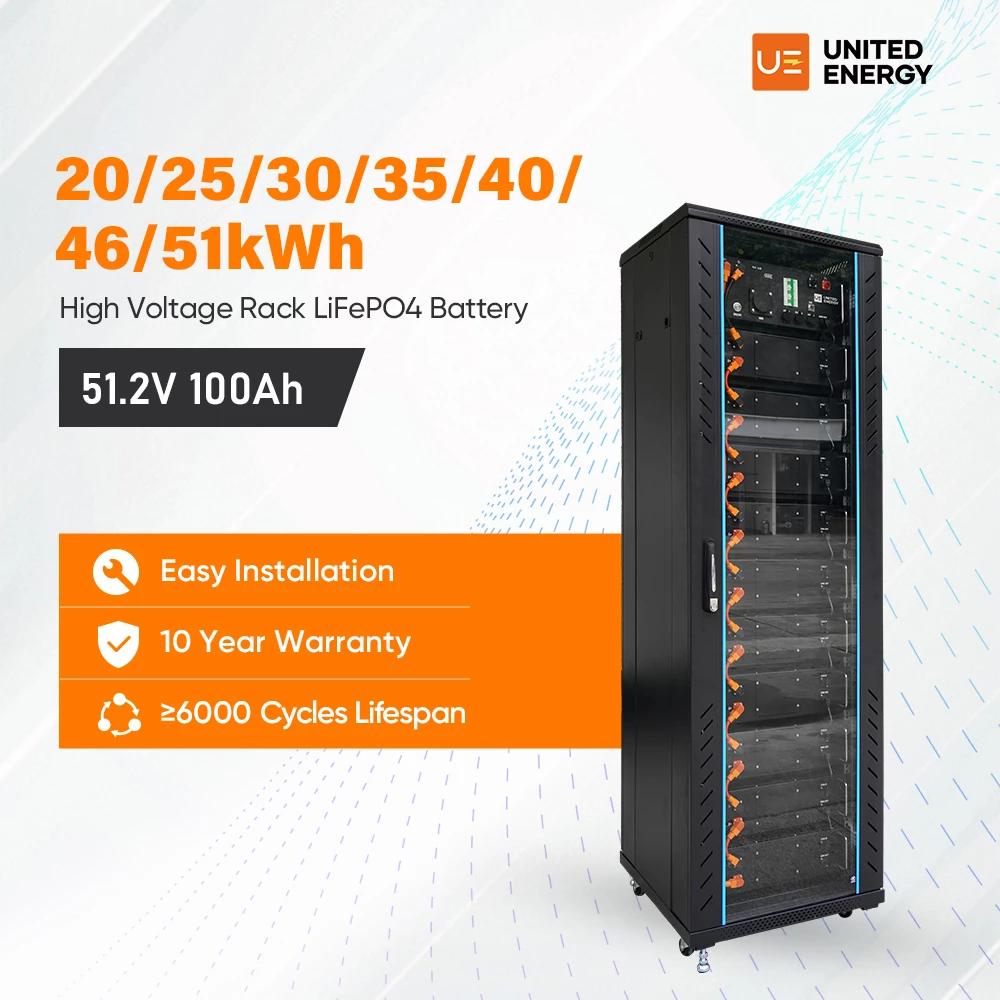
3. BESS: 1.1 MWh (Lithium)
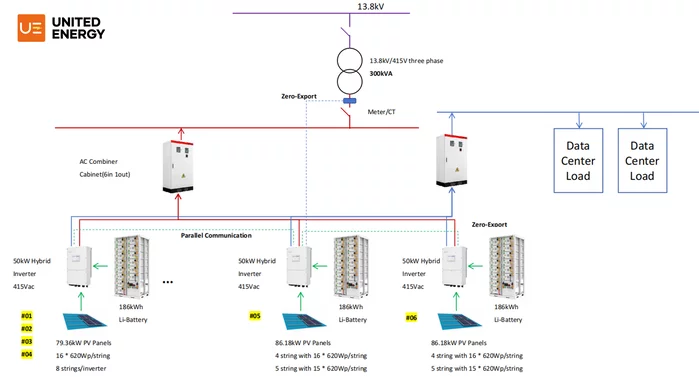
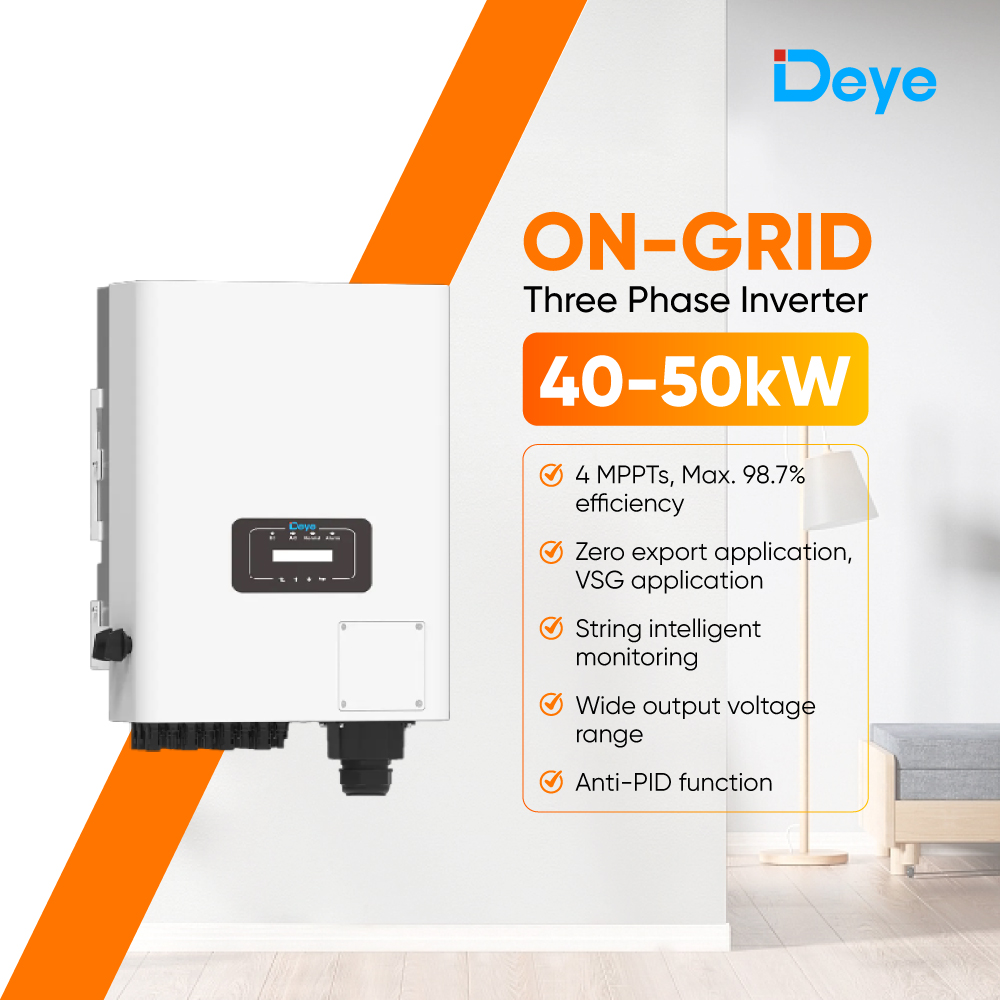
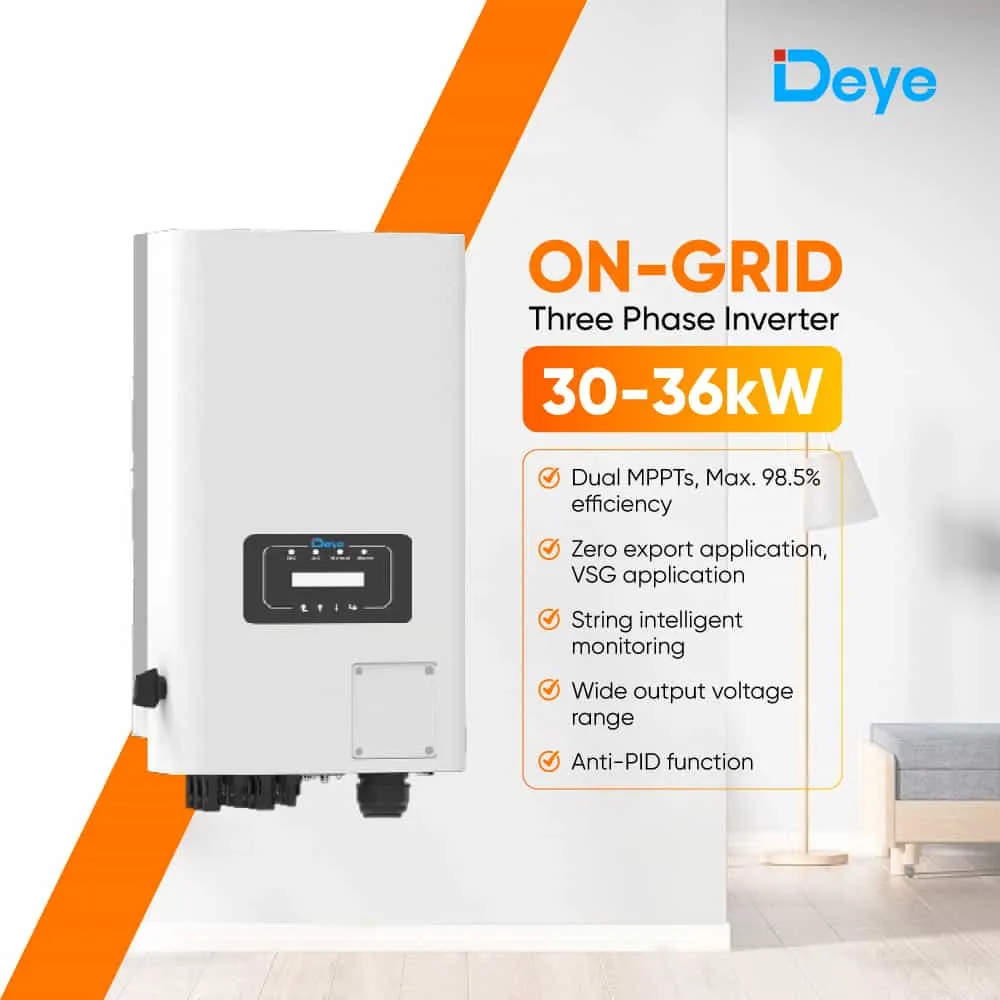
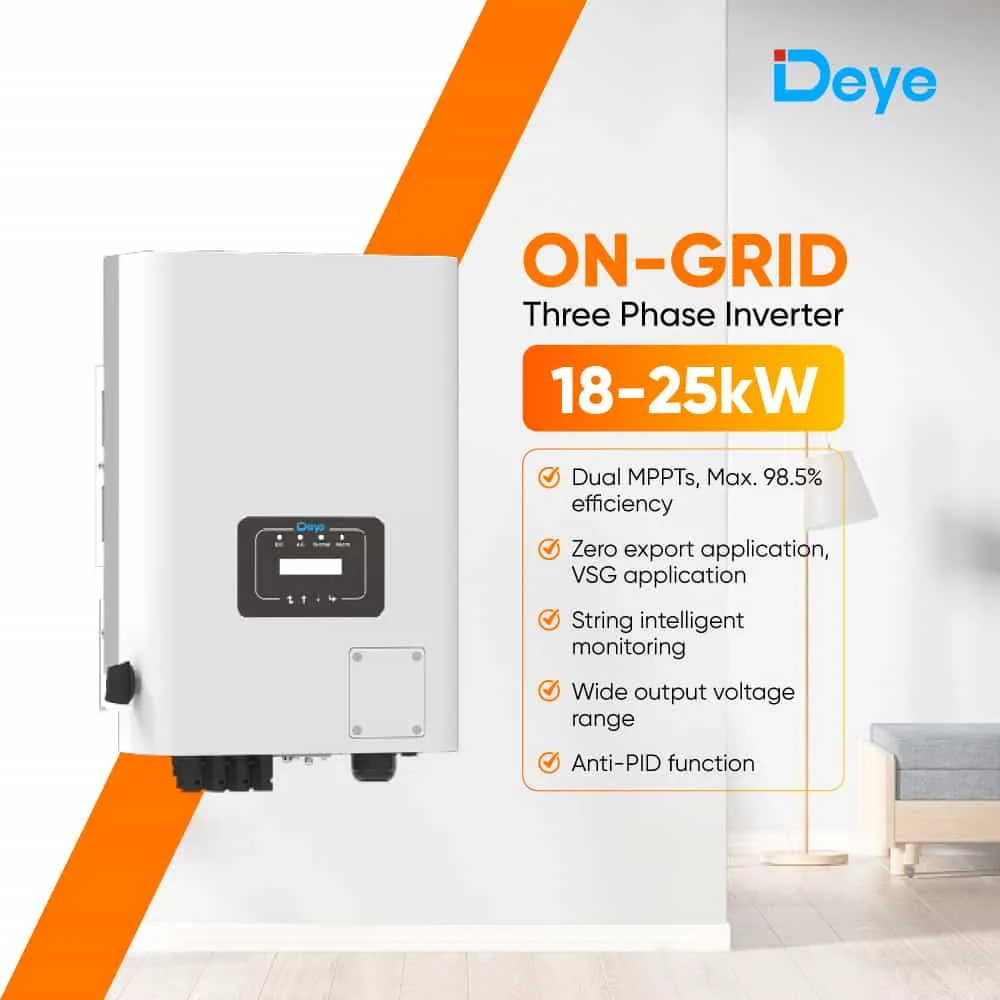
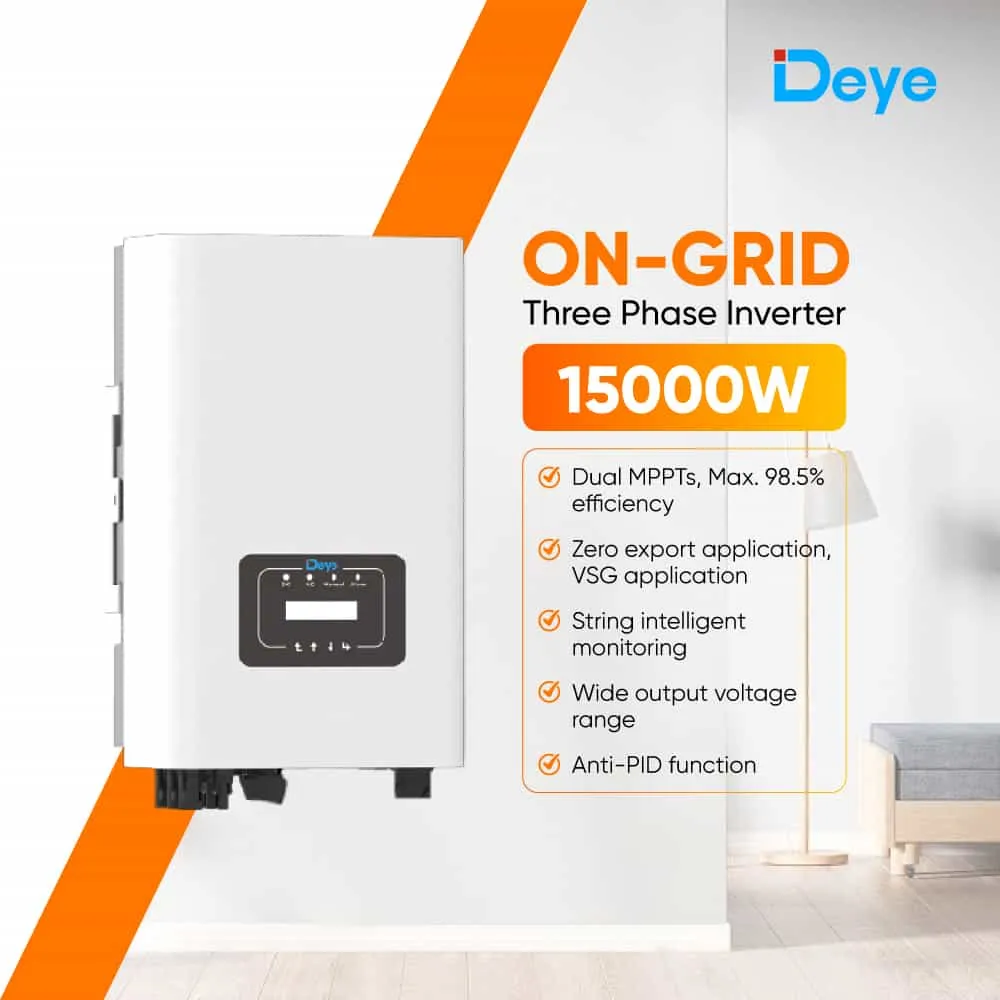
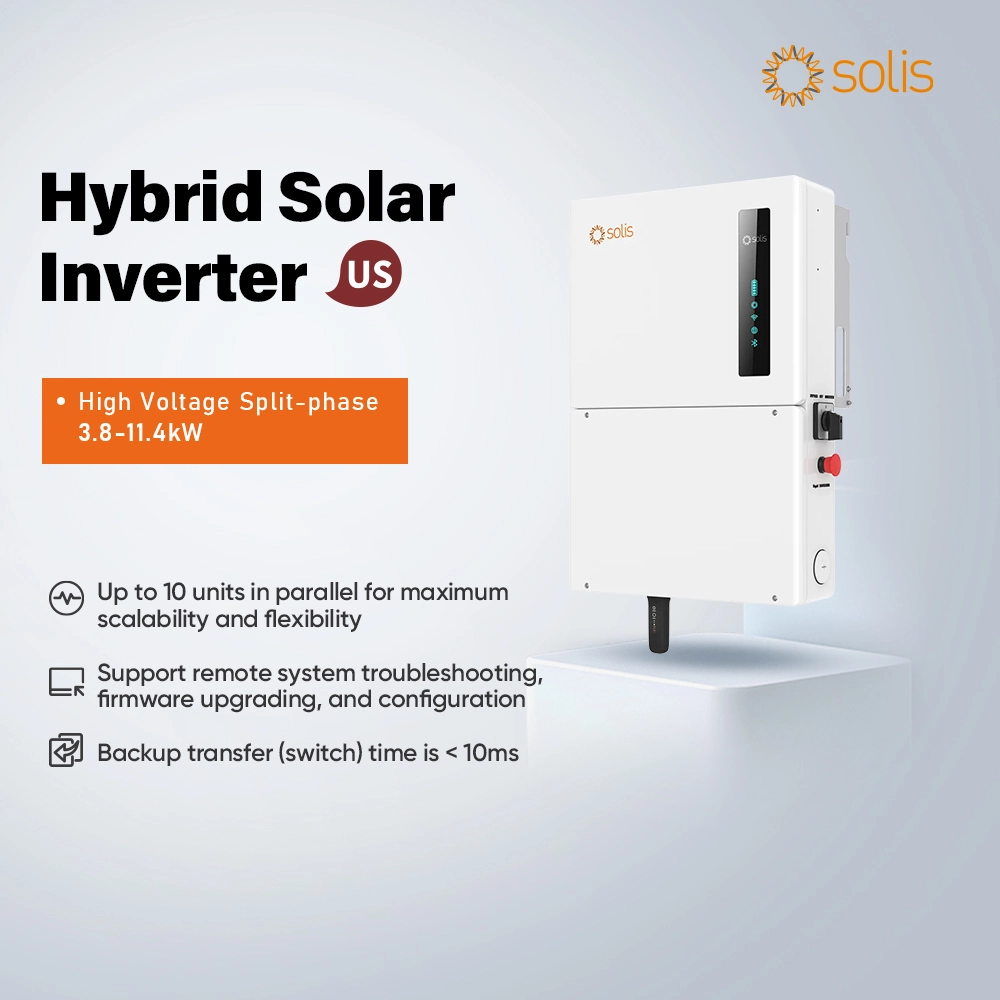
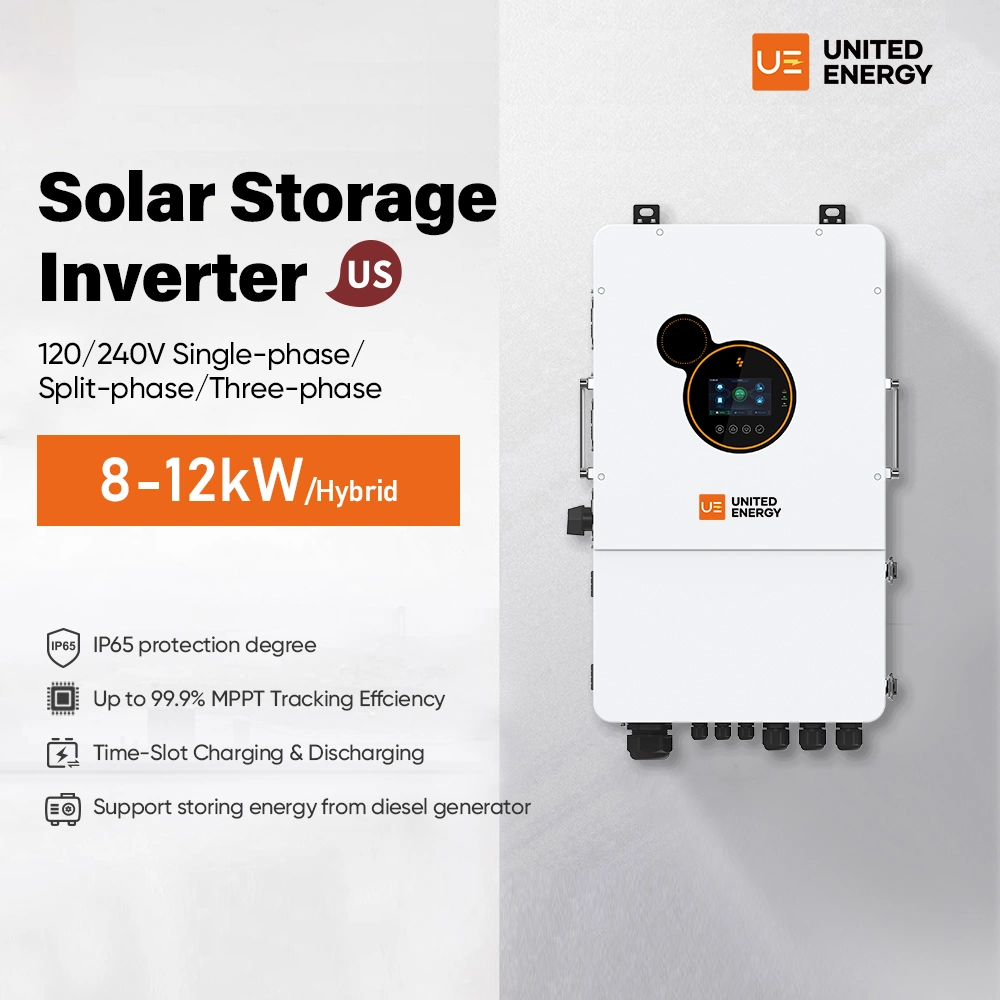
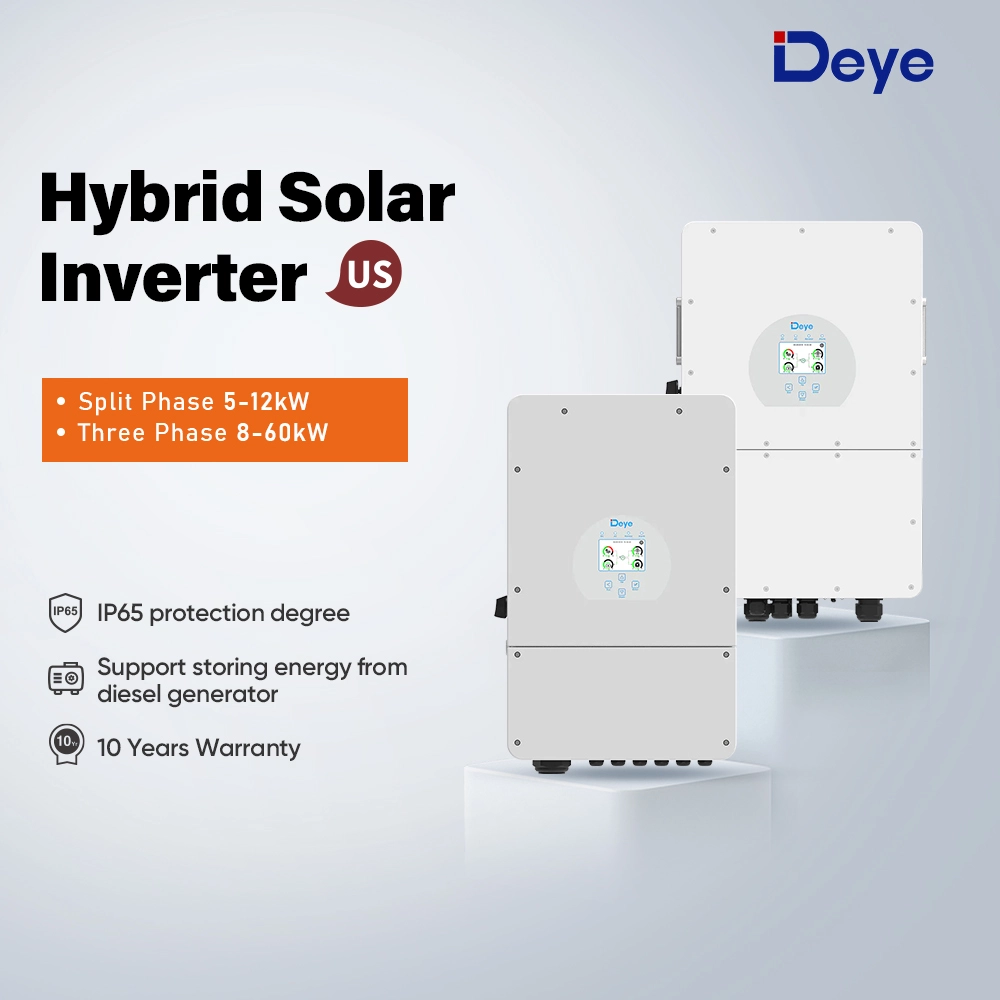
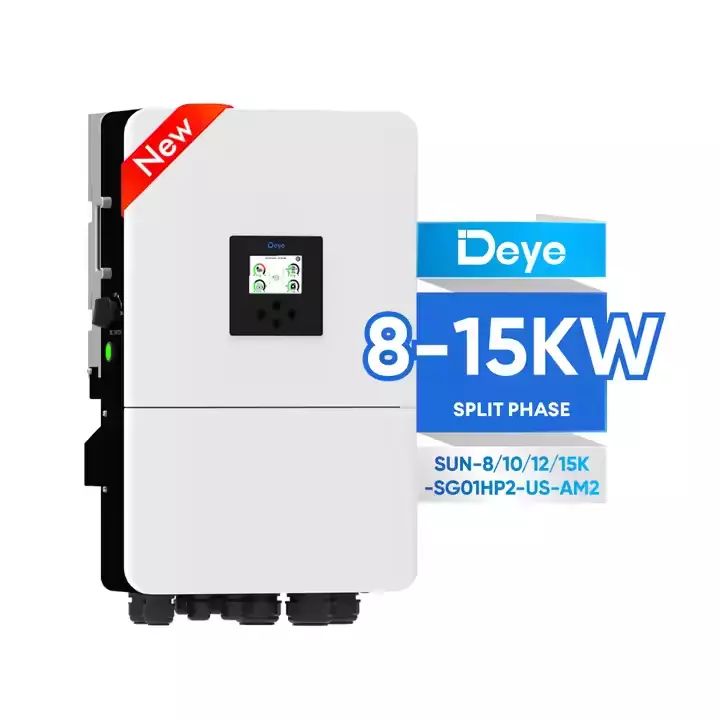
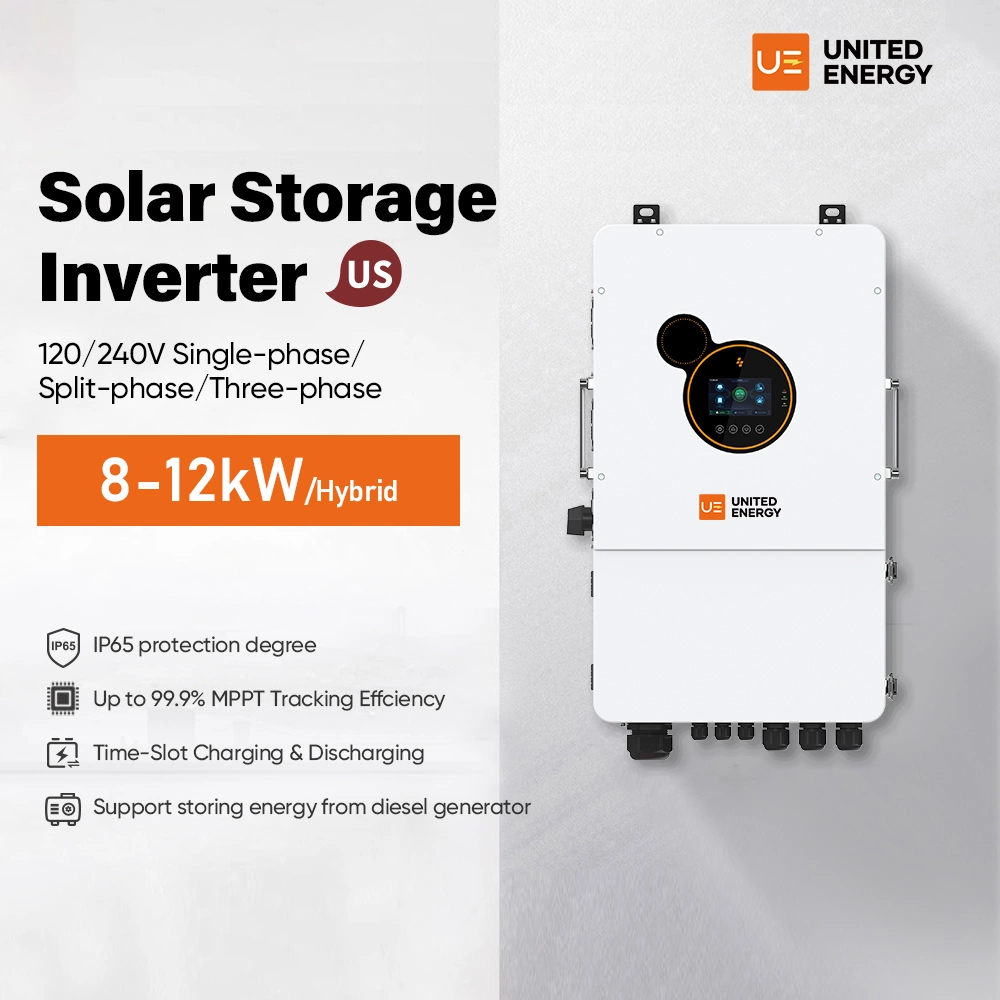
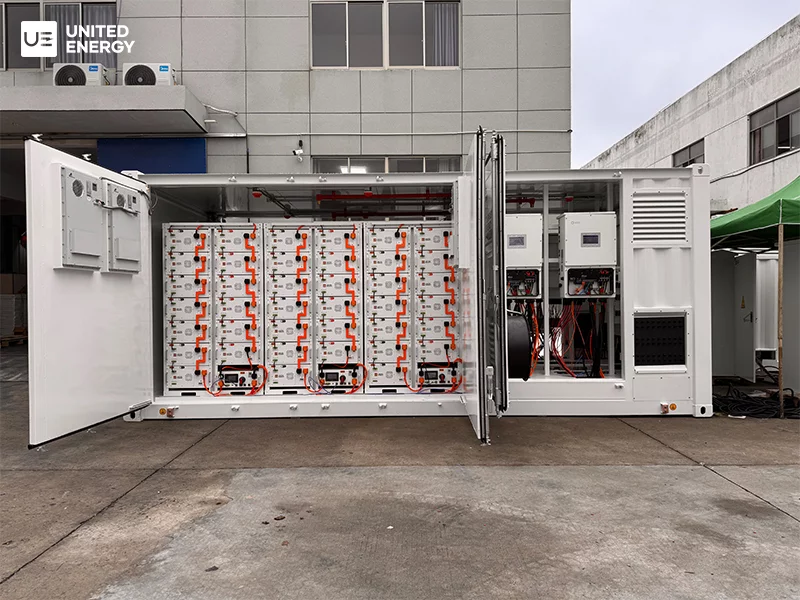
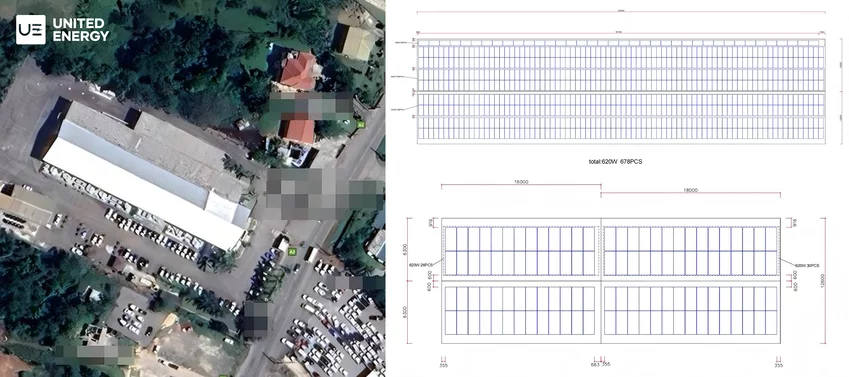
Six inverters are connected in parallel, providing a total rated capacity of 300 kW. Each inverter is paired with an individual 186 kWh lithium battery pack and approximately 80–86 kWp of PV modules. A custom metal roof mounting solution was engineered to ensure structural integrity and optimal panel positioning.
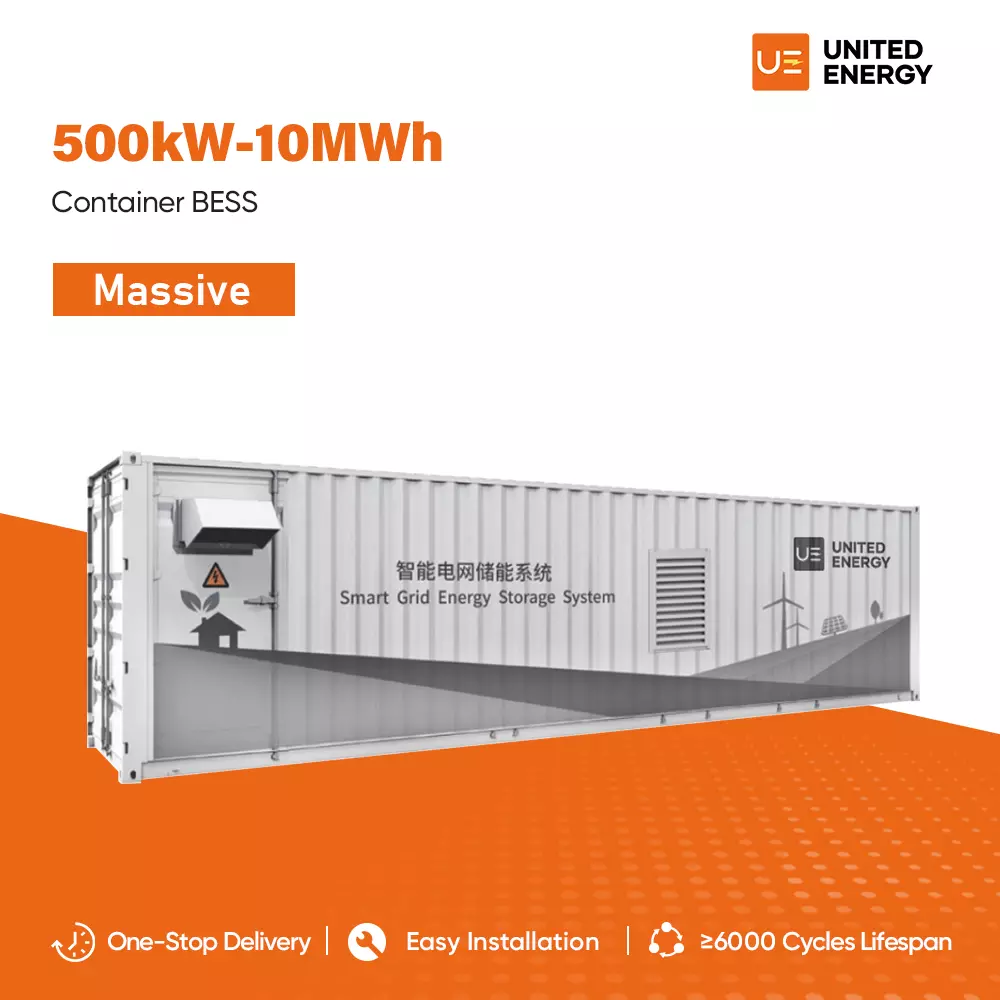
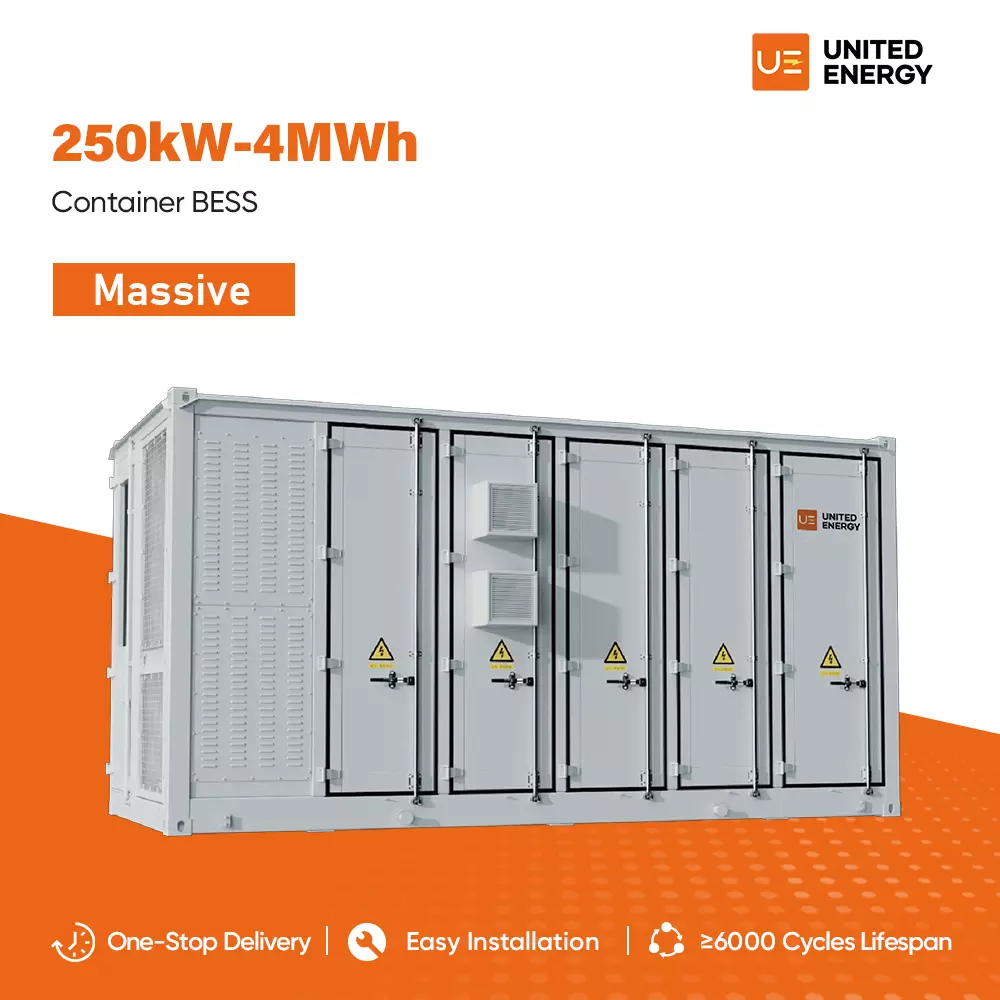
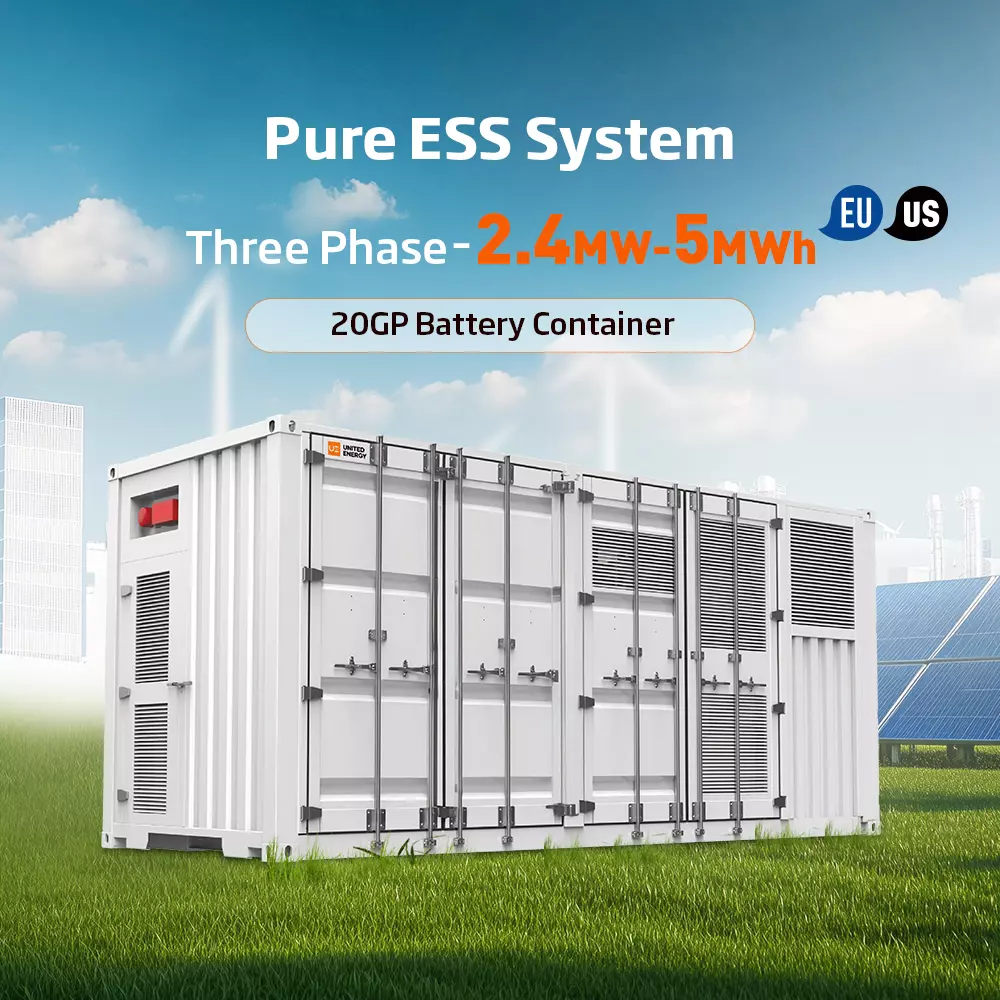
Each battery pack is equipped with a dedicated high-voltage control box integrated with a Battery Management System (BMS), which continuously monitors the voltage, status, and operating data of each battery module to ensure safe and reliable system performance. All battery packs and inverters are housed within a customized 20ft energy storage container. To ensure optimal performance in Jamaica's tropical climate, the battery zone is equipped with multiple air conditioning units for precise thermal management, while the inverter zone utilizes high-efficiency cooling fans. The inverters feature an IP65 protection rating, offering superior resistance against dust and water ingress.
To comply with local regulations and maximize on-site energy usage, the system adopts a Zero Export Solution, ensuring that excess solar energy is not exported to the grid.
The system delivers a daily generation range of 1,700kWh - 2,300kWh, perfectly matching the client’s 2,200kWh daily power consumption, and maintains stable monthly generation with no extreme fluctuations in output.
Working Principle
- Daytime Operation
During daylight hours, solar energy prioritizes supplying the data center loads directly. Extra energy is automatically to charge the BESS. This maximizes on-site solar consumption and minimizes energy export or curtailment.
- Nighttime Operation
When solar generation is unavailable, the battery system discharges stored energy to support loads. This significantly reduces grid electricity consumption during high-tariff periods and lowers overall energy costs.
- Early Morning and Evening
During periods when solar output is limited: Solar generation and battery discharge work together to supply the load.
If demand exceeds available energy, the system seamlessly draws power from the utility grid to maintain stable operation.
Financial Analysis and ROI
This solar + storage project provides strong financial returns due to high electricity prices.
Project Parameters
-PV system capacity: 489 kWp
-Battery capacity: 1.1 MWh
-Annual solar generation: ~752 MWh
-Electricity price: USD 0.34/kWh
Investment Details
-Estimated project investment: USD 360,000
-Annual operation & maintenance cost: USD 15,000
-Construction timeline: approximately 6 months
-Annual system degradation: 1%
Payback Period
-The system is expected to achieve a payback period of approximately 1.5–2 years.
Over 10 years of operation, the project is expected to generate approximately USD 2 million in cumulative financial returns.
Conclusion
This project exemplifies how a tailor-made hybrid PV + BESS system with a zero-export solution can deliver transformative cost savings for high-power-consumption businesses, such as IT data centers, in regions with exorbitant electricity tariffs. By conducting a detailed assessment, designing a custom mounting solution, and engineering a system with precise load-generation matching, we have created a solution that not only aligns with the client's daily and annual power demand but also delivers an industry-leading rapid payback period of 1.5–2 years and substantial long-term financial returns.