
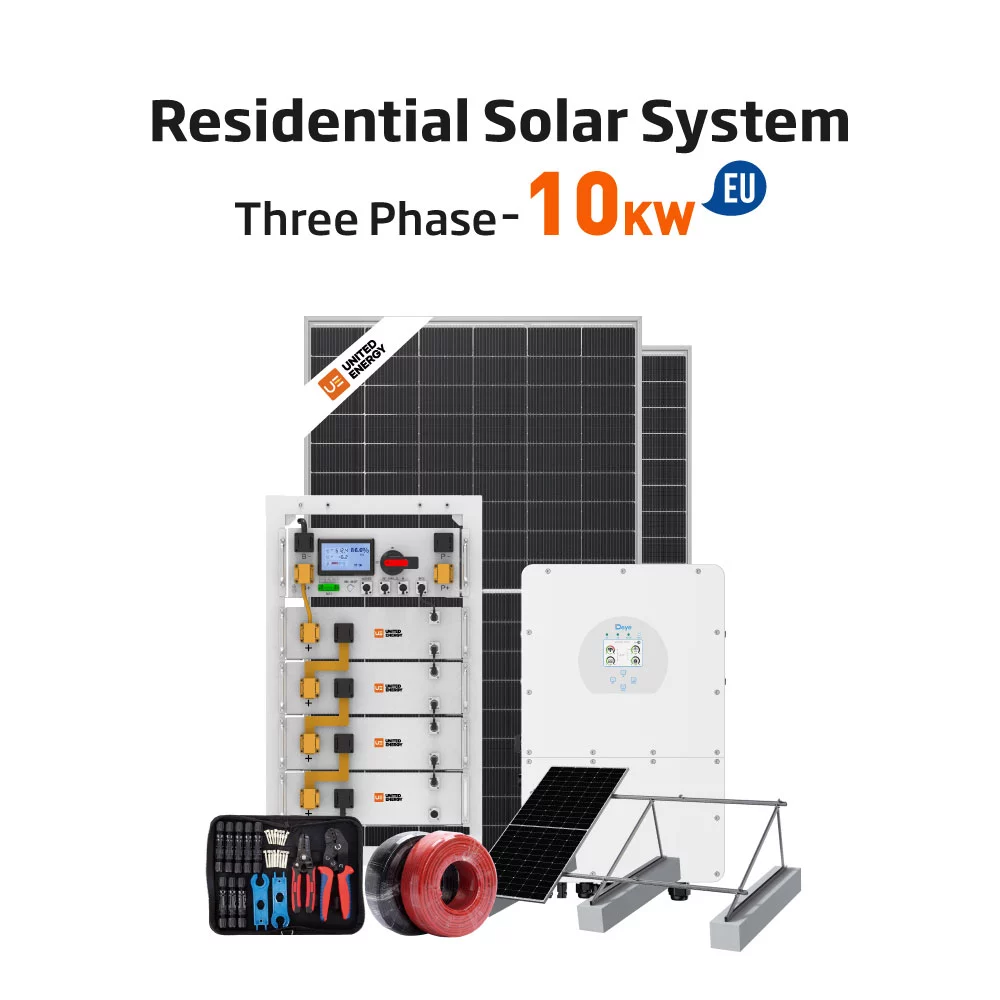
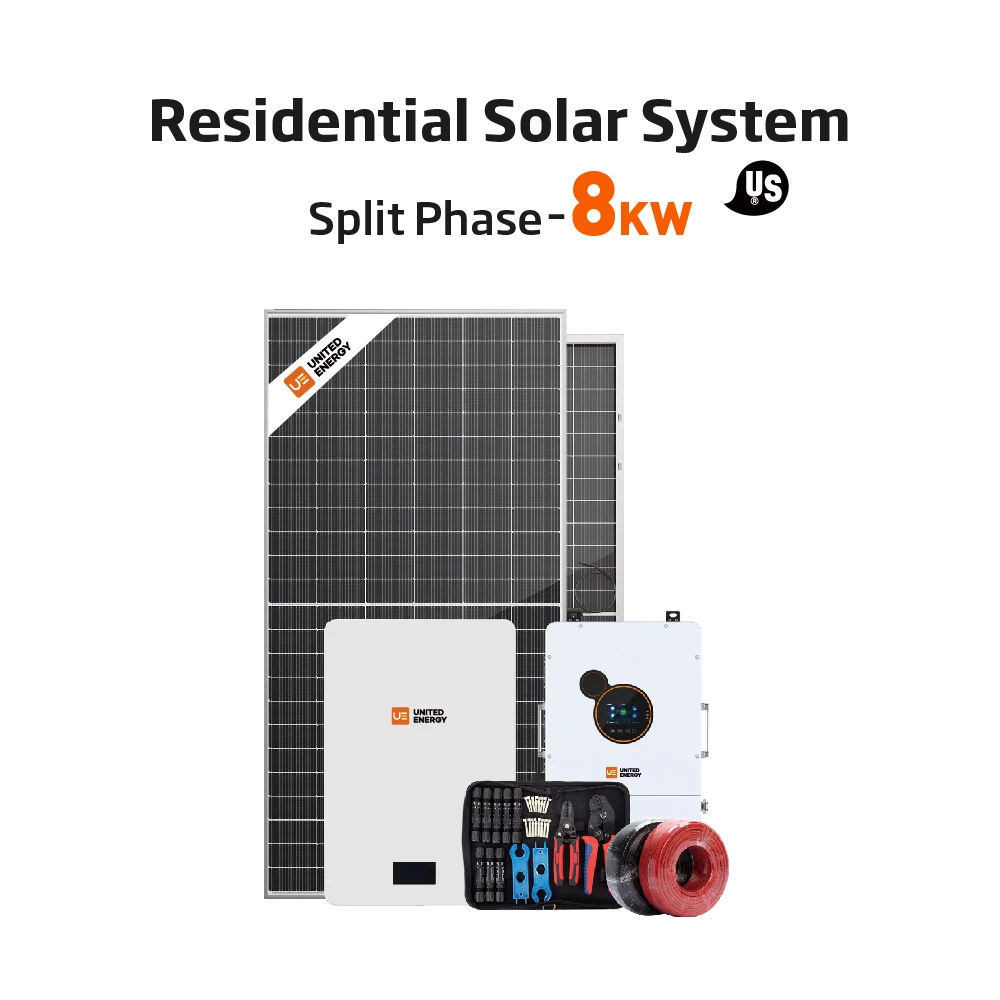
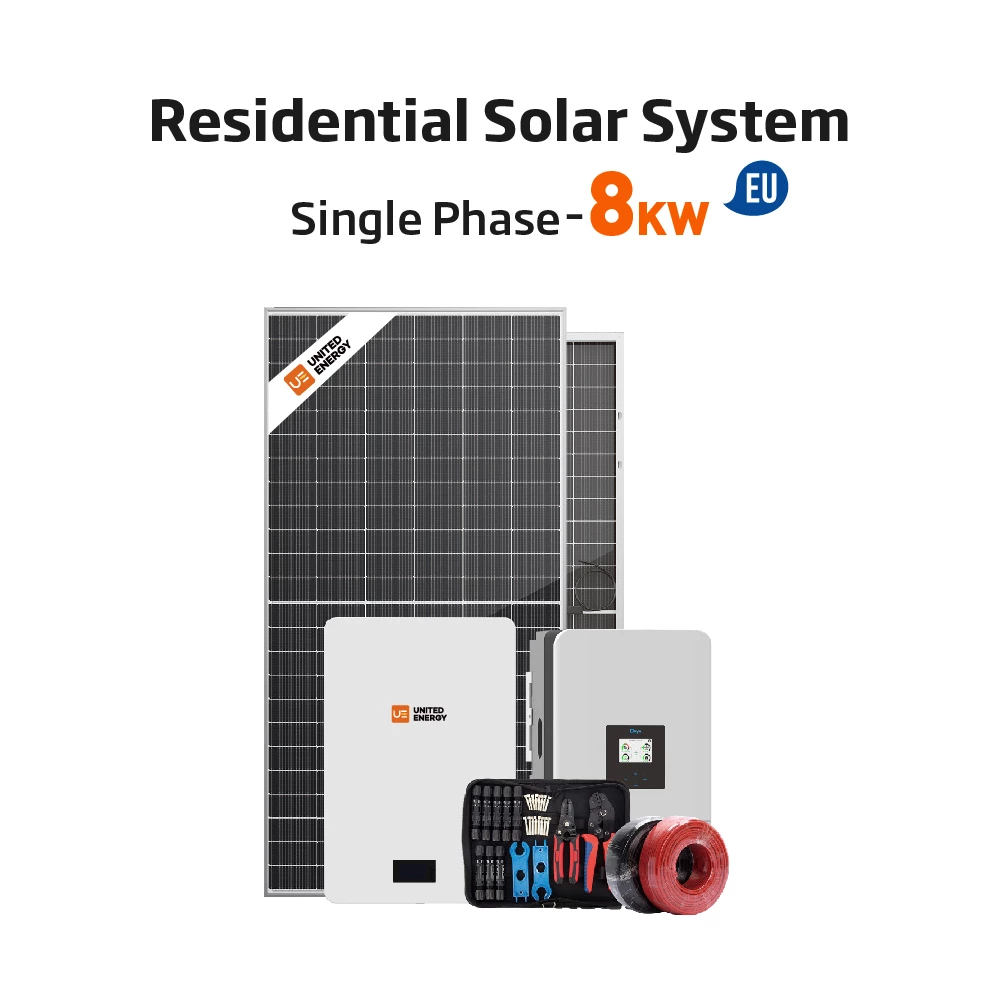
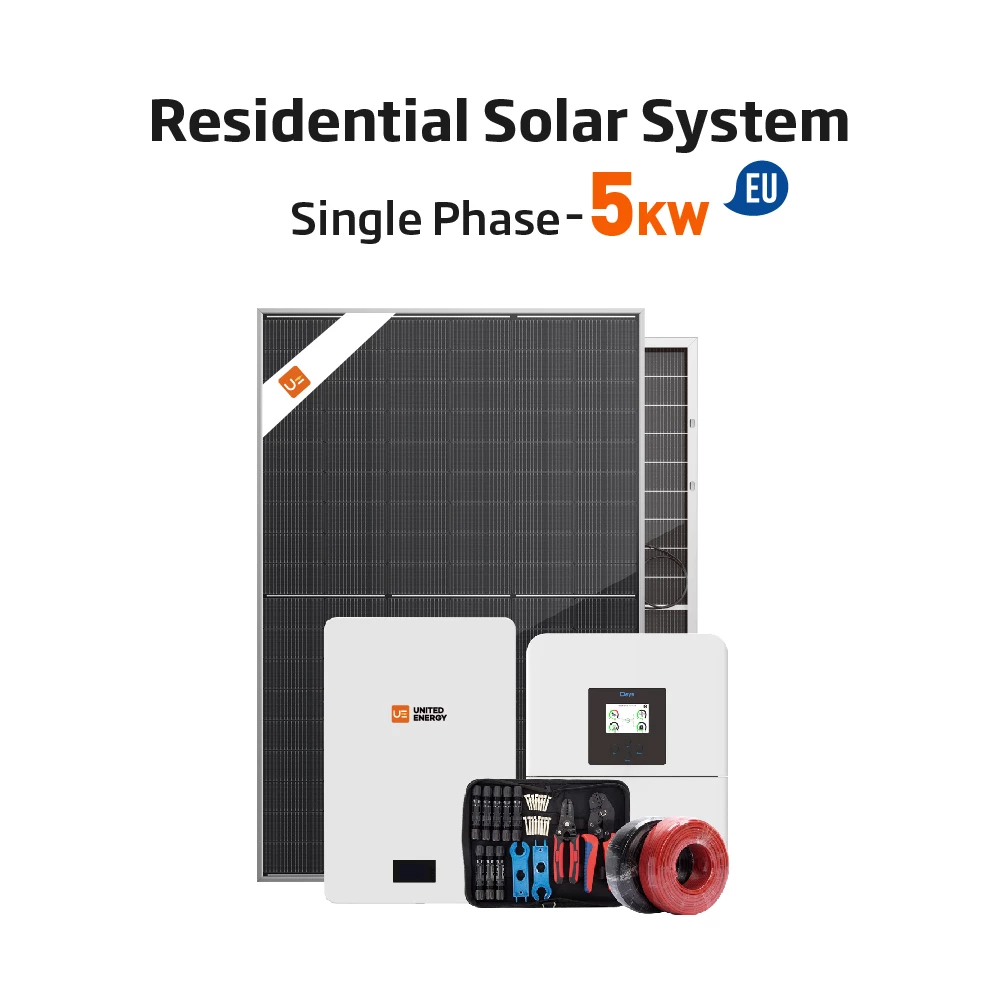
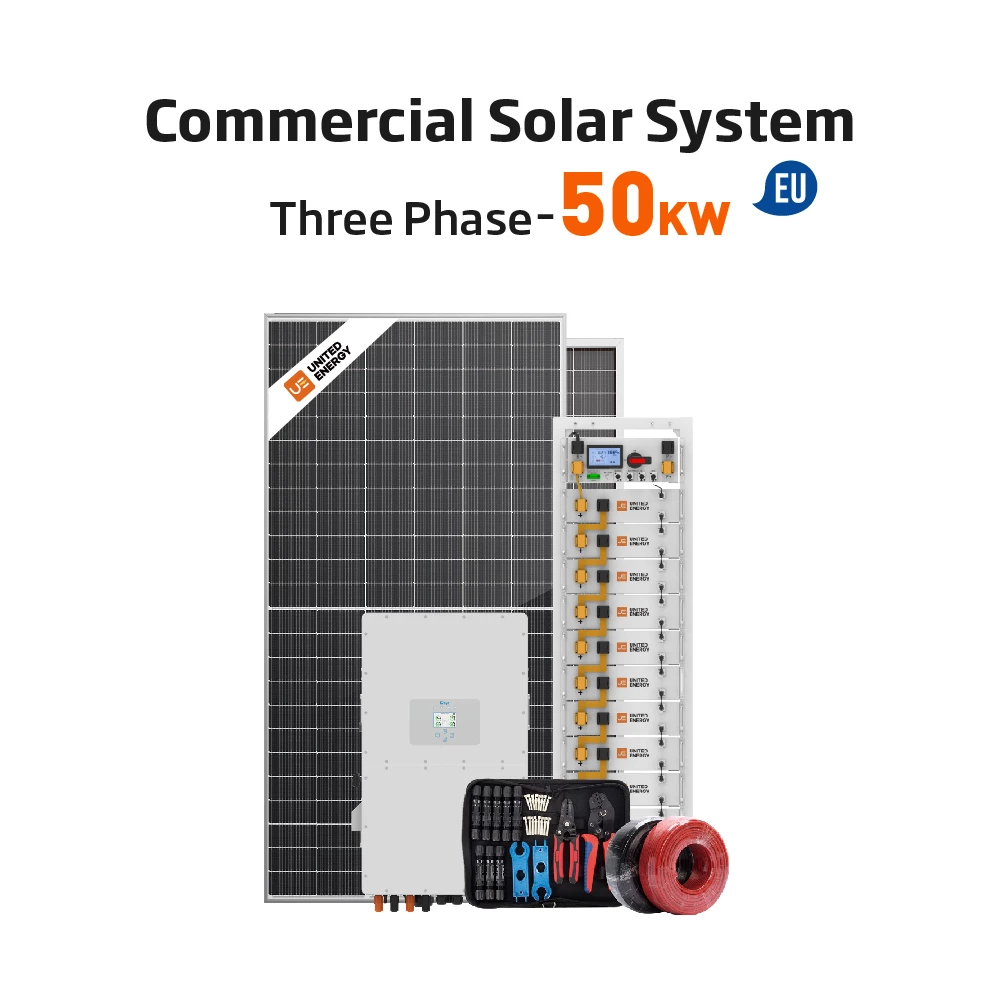
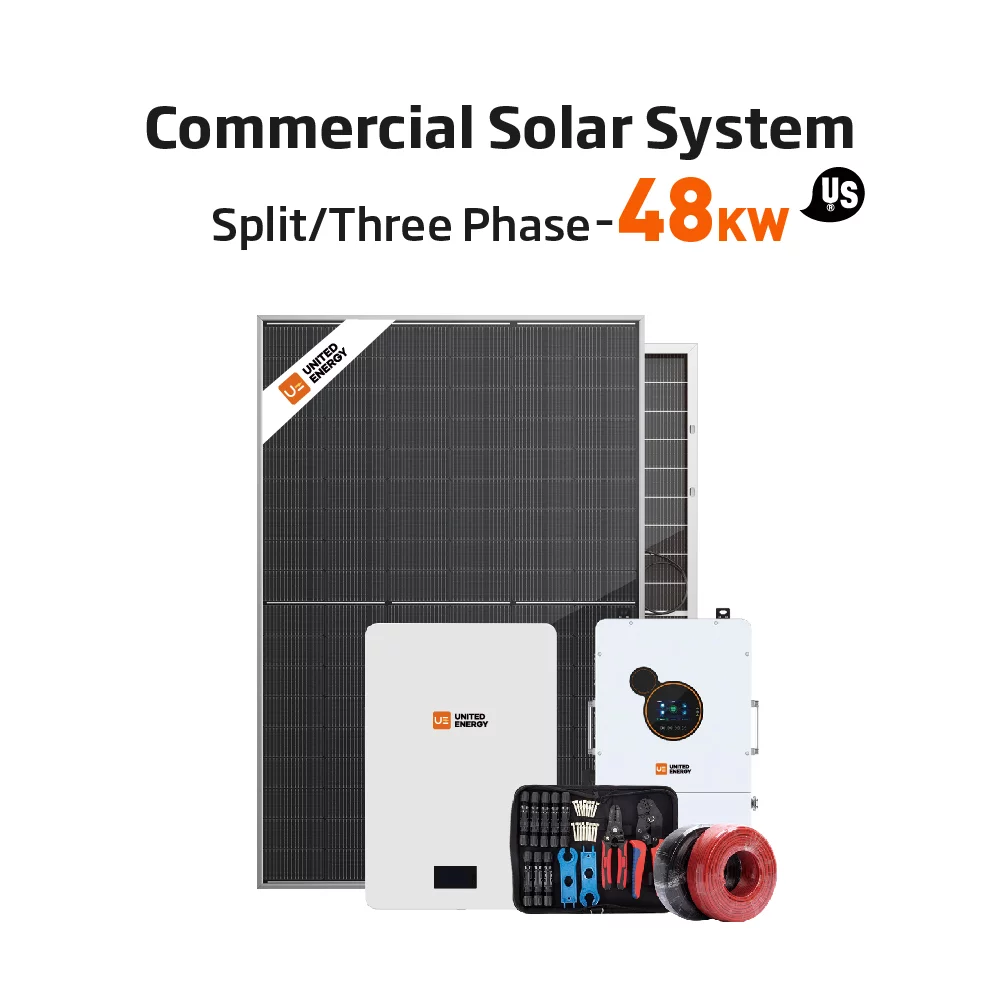
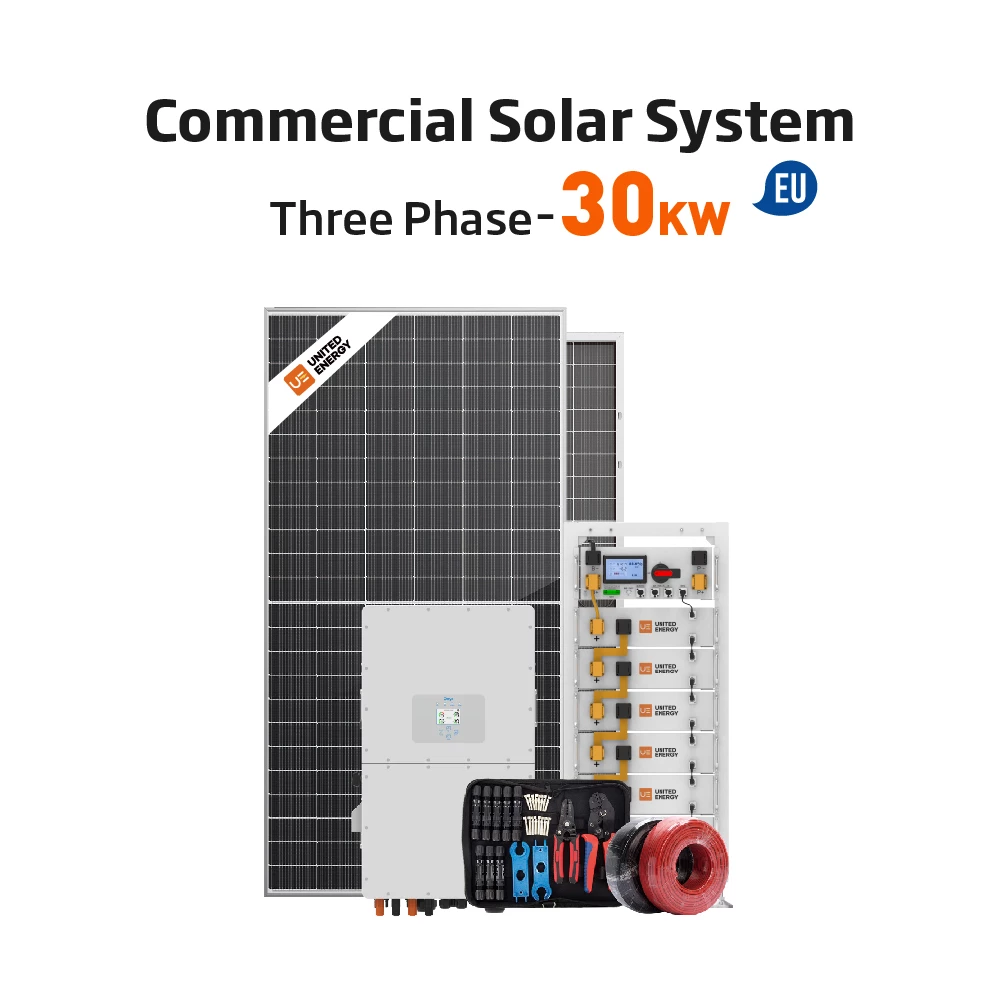
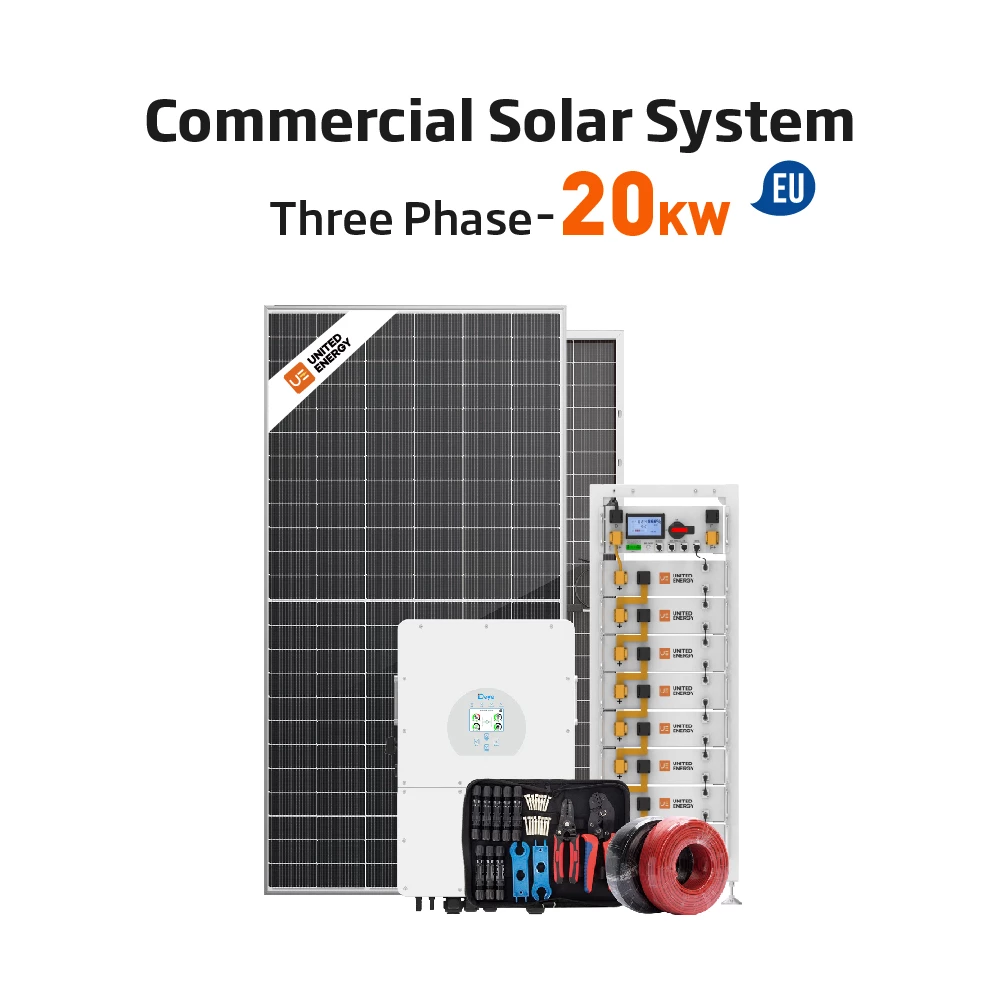
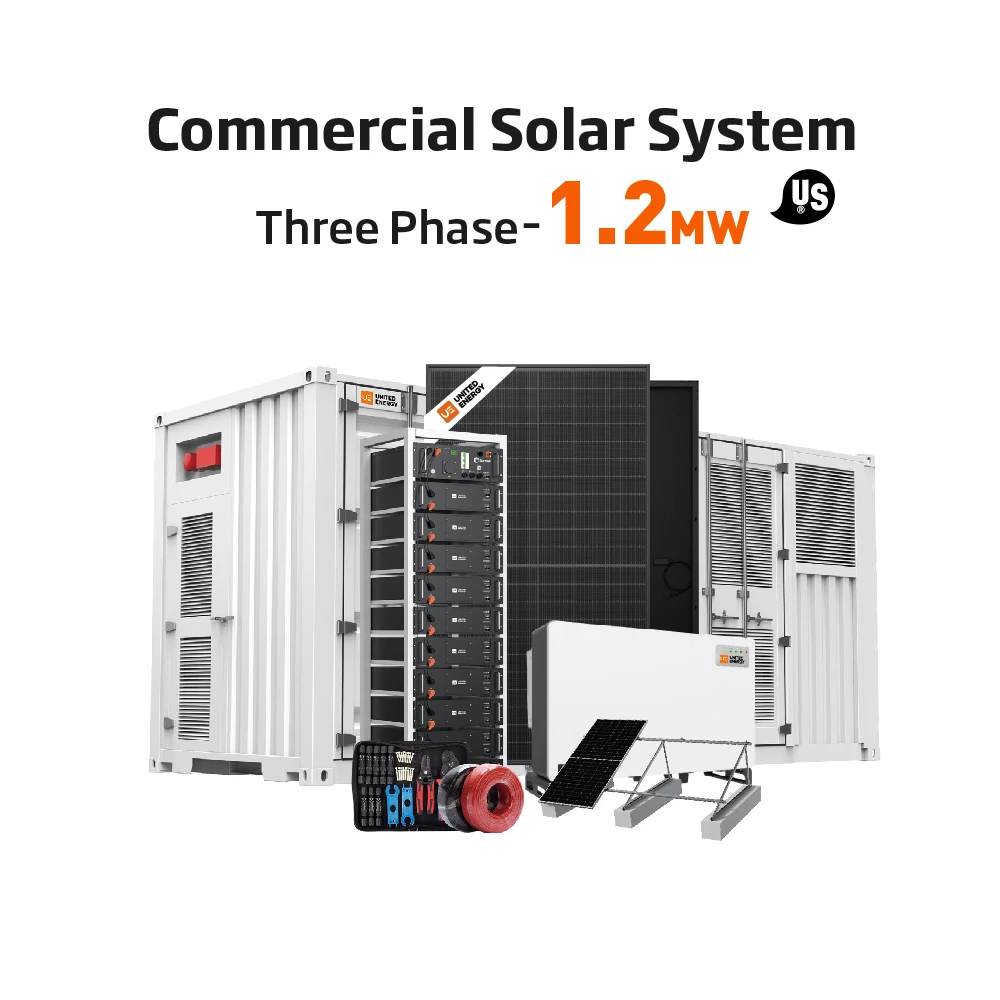
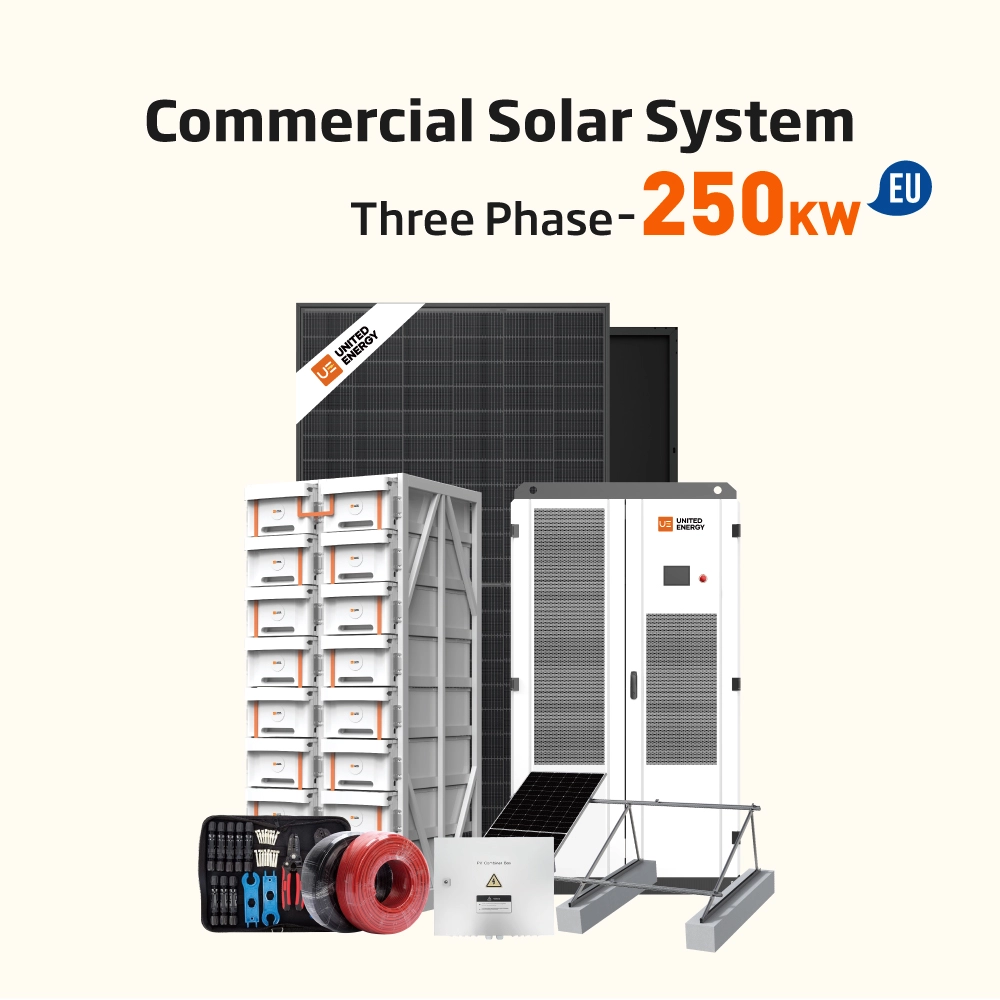
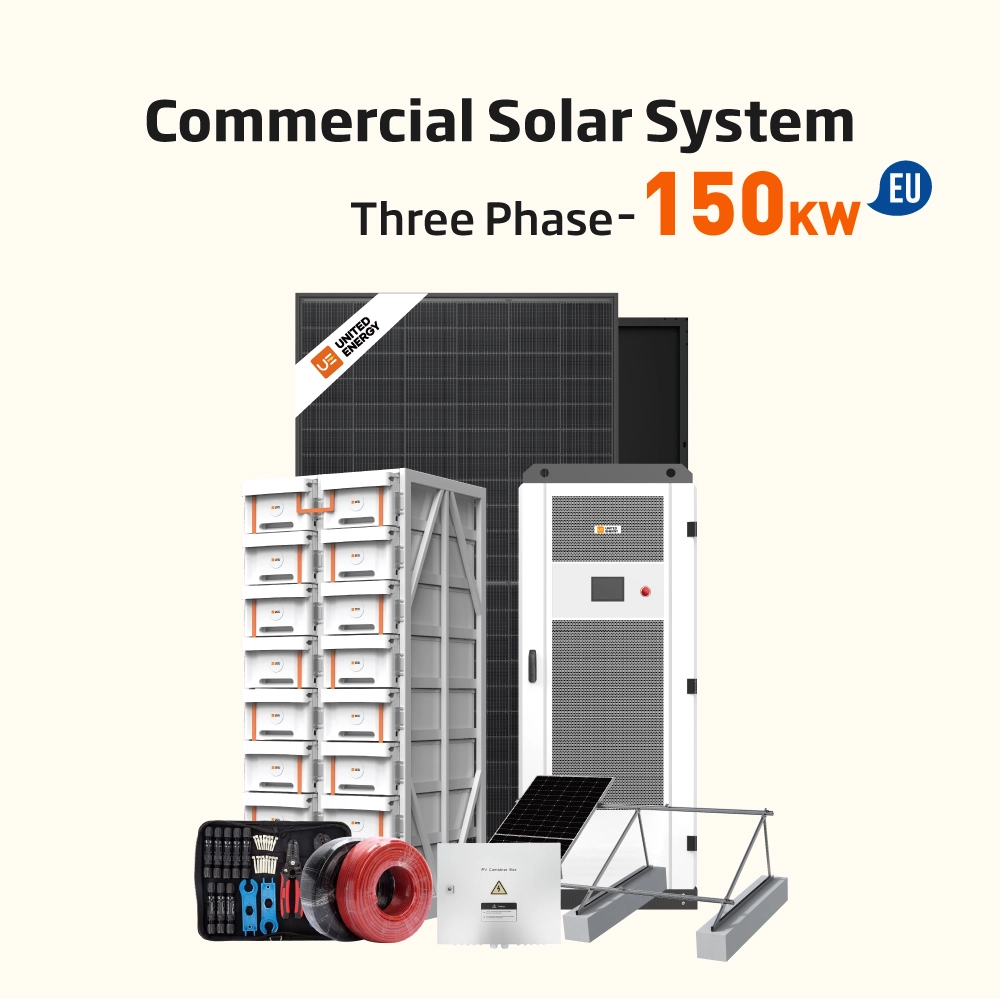
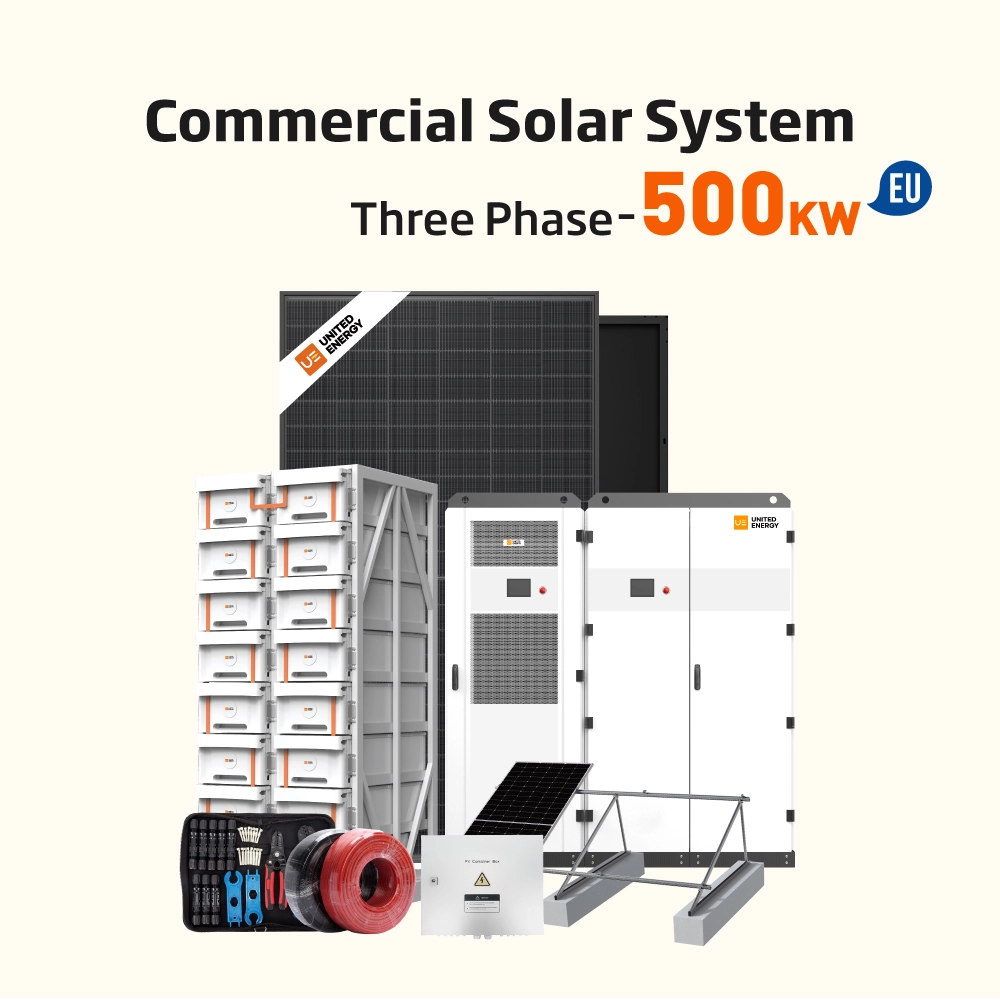
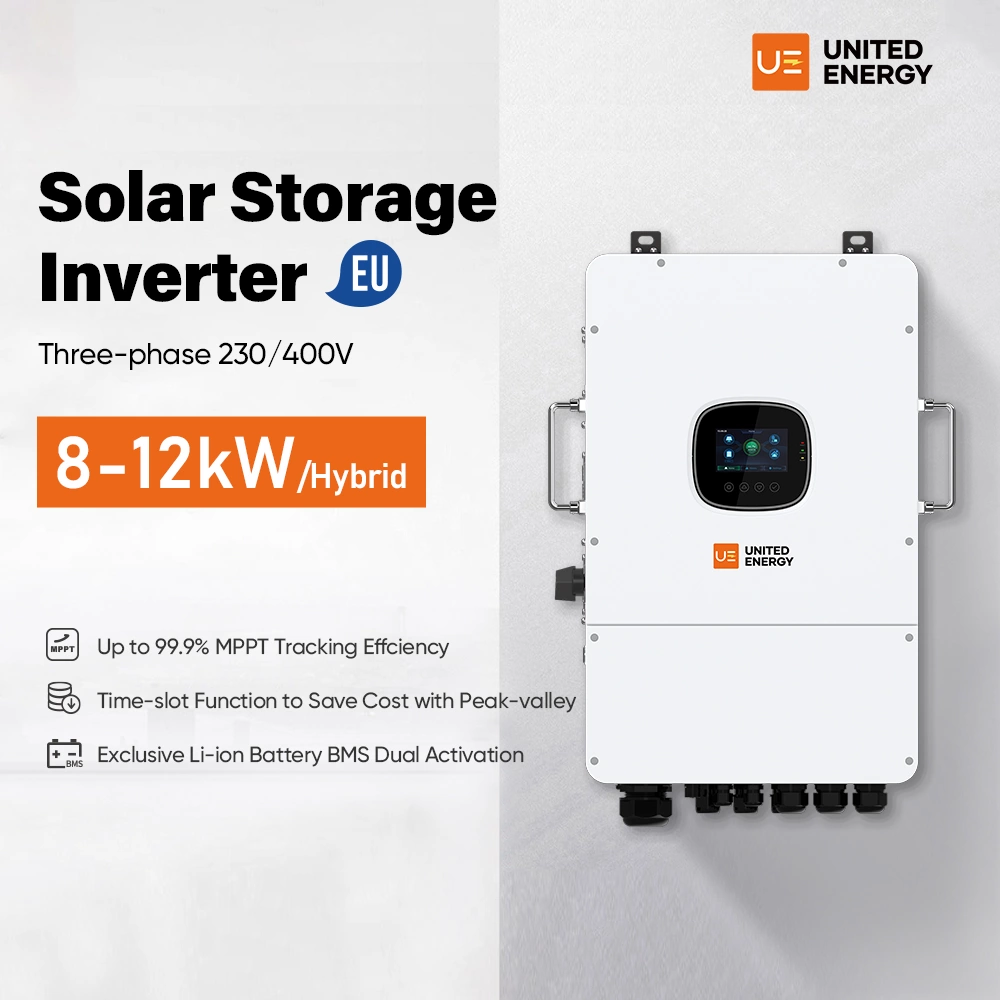
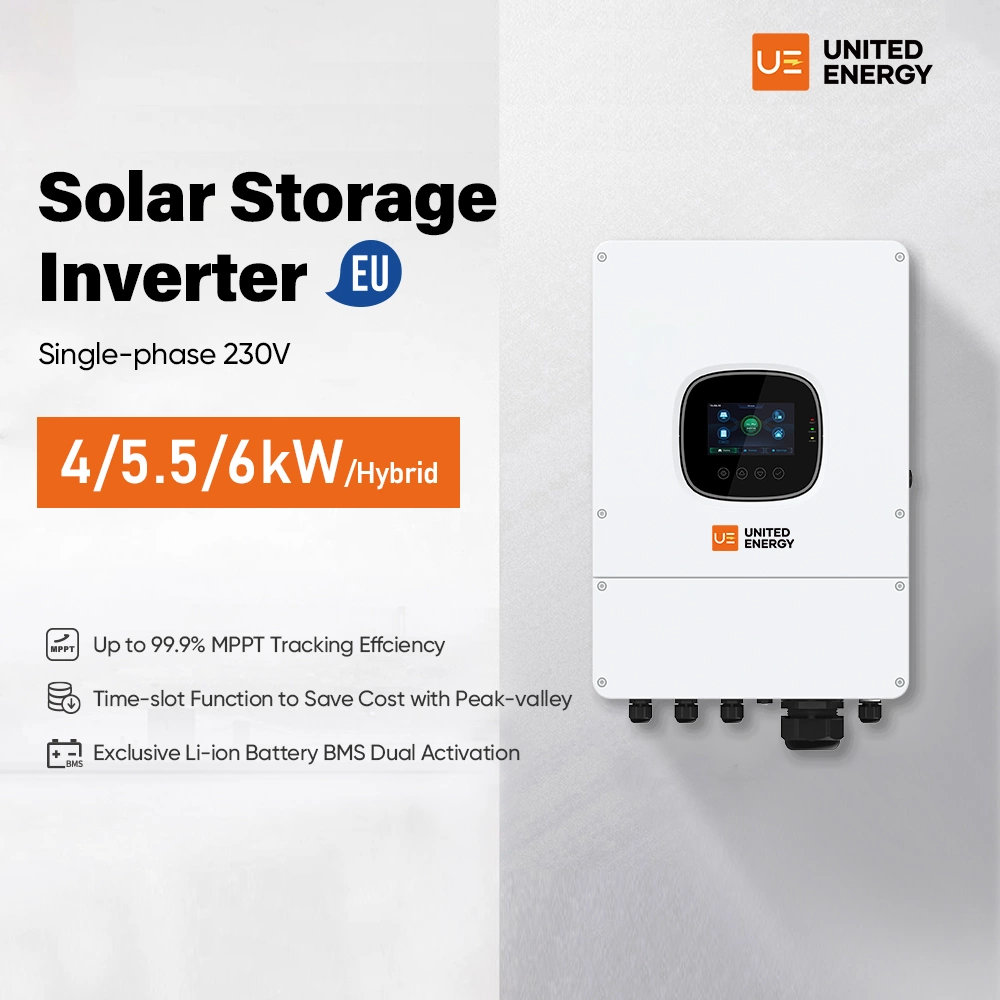
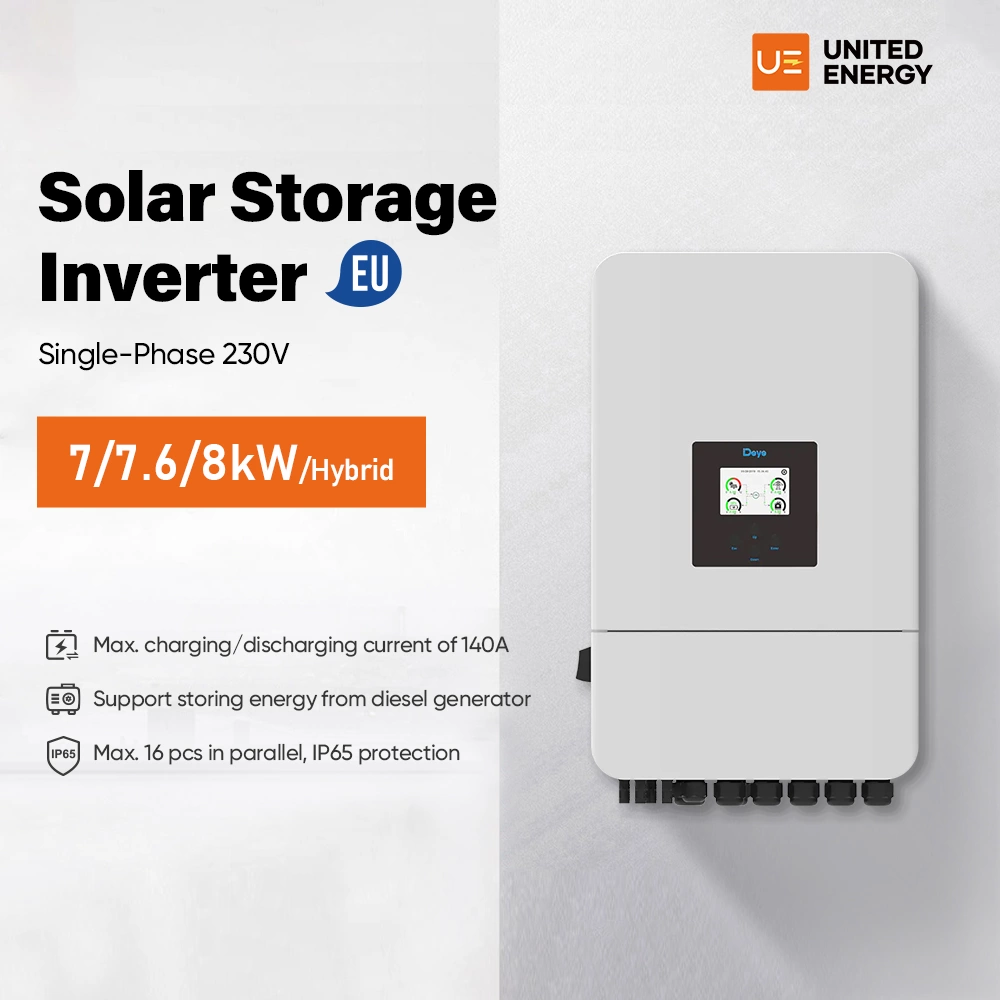
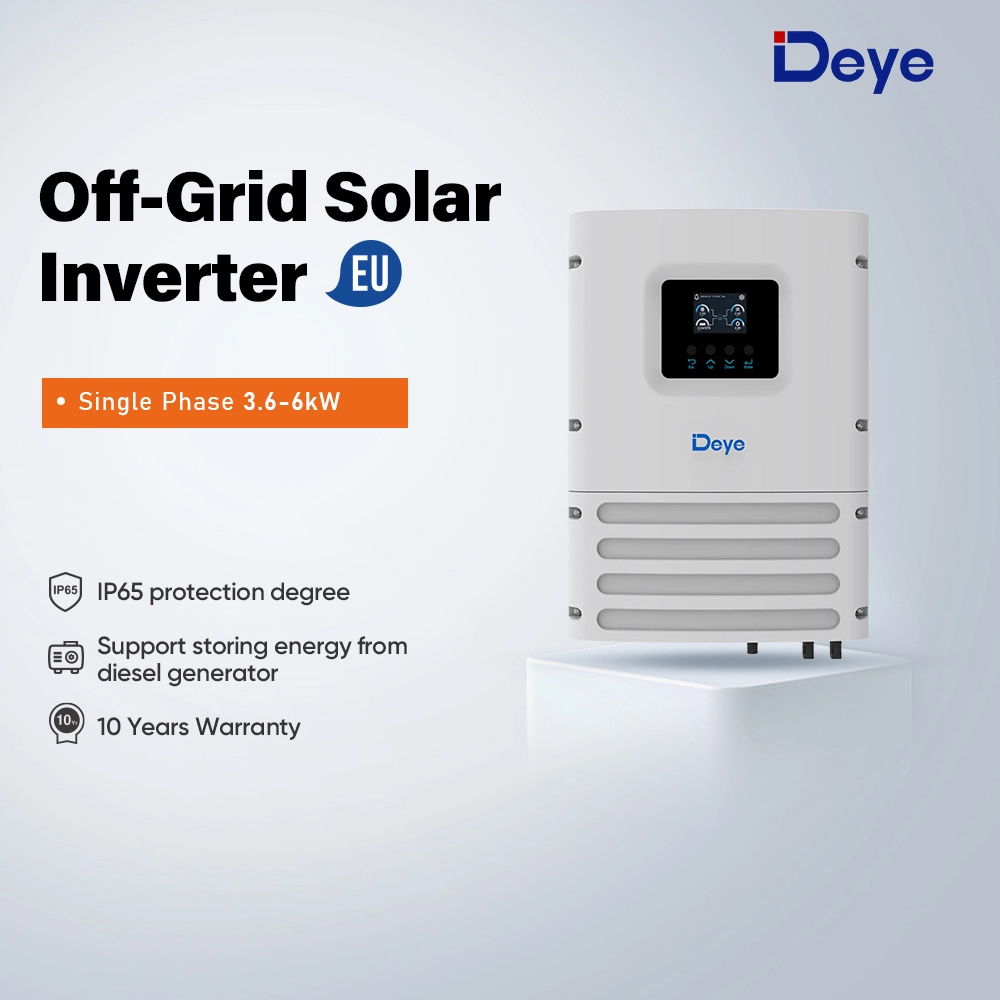
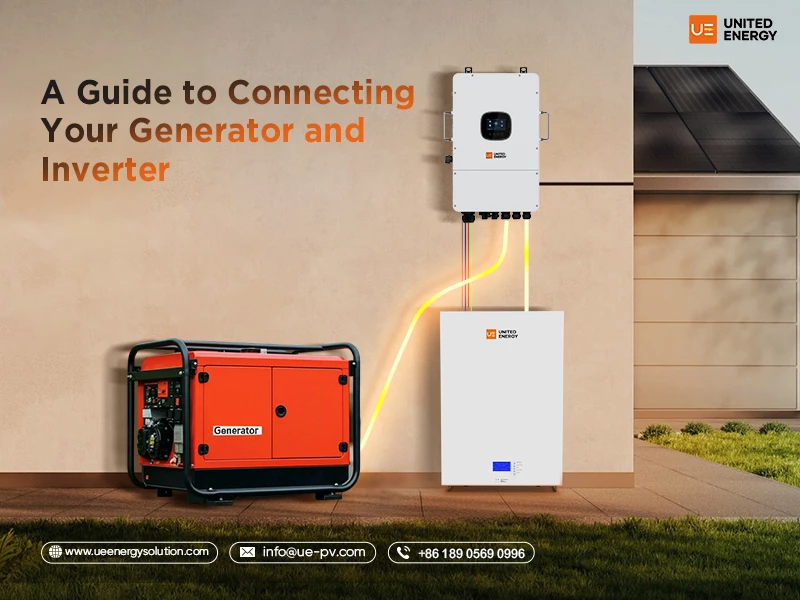
In areas with frequent power outages, generators were once the sole option for emergency power supply. However, with the installation of solar systems, people now enjoy quieter, cleaner, more stable, and more economical electricity. Nevertheless, many households that experience regular blackouts still keep their original generators—after all, an additional layer of backup is more reliable.
This leads to a key question: Can generators and solar systems work together seamlessly? The answer is yes. As long as the inverter and generator specifications match, along with suitable cables and switching equipment, a perfect generator + solar energy solution can be built.
For a safe and effective installation, some considerations are essential. In this guide, we'll unpack the details in plain language and provide actionable steps. Whether you're a homeowner, installer, or building a backup system, you'll find the clarity you need here.
Understanding the Basics: Generators vs. Inverters
What is a Generator?
A generator is a backup power device that converts fuel (like gasoline or propane) into electricity. It automatically or manually turns on to keep essential appliances running during a power outage.
What is an Inverter?
An inverter is a device that converts DC power (from solar panels, batteries, or generators) into AC power.
Can You Directly Connect a Generator to an Inverter?
Yes, but it's not as simple as plugging one into the other. Doing it incorrectly can be dangerous for both people and equipment. Below is the safe and proper way to connect them.
Step 1: Check Inverter Compatibility
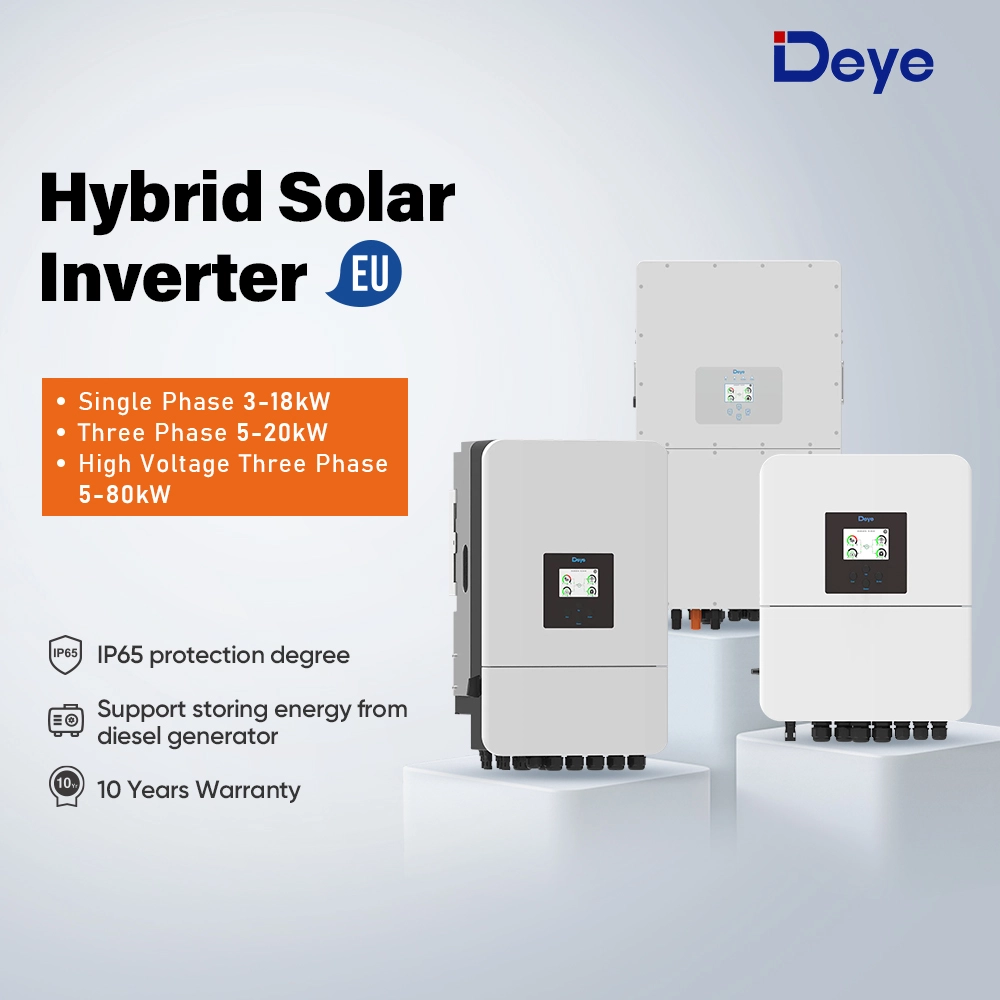
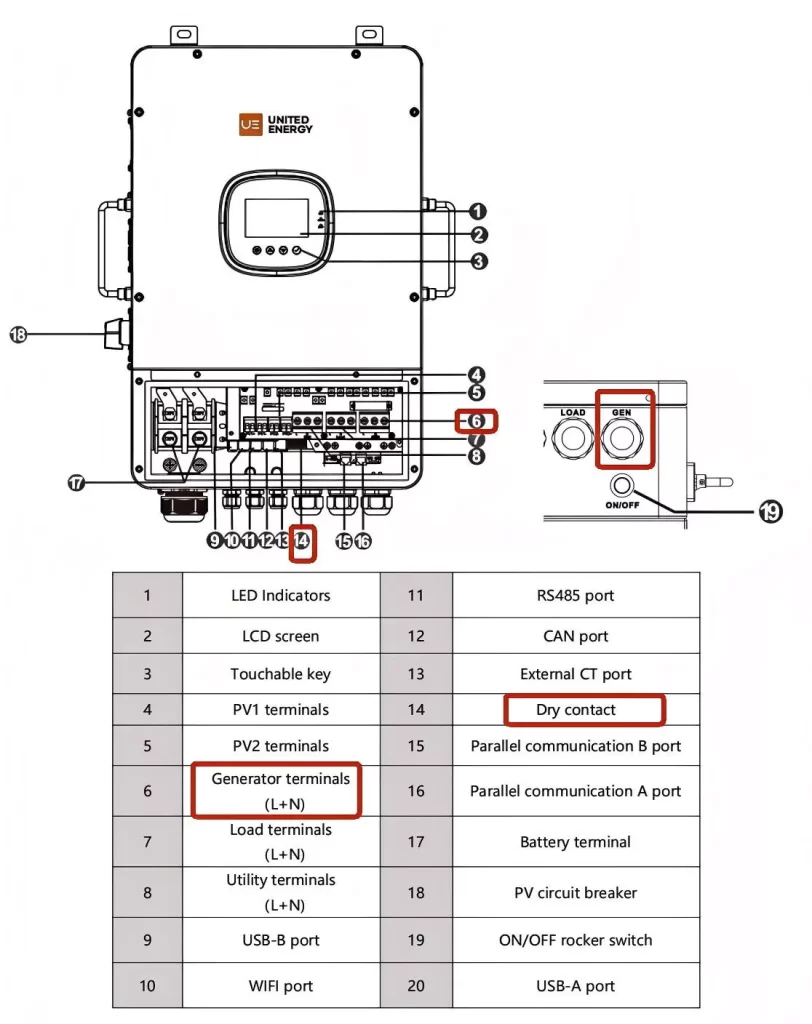
Not all inverters can accept power from a generator. You need a hybrid or off-grid inverter with a specific "AC Input" or "Generator Input" port and a built-in rectifier/charger for this purpose. Check the specifications and user manual.
Step 2: Choose the Right Generator
The generator's output quality is critical. For reliable operation:
Produces Clean & Stable Power: Inverter Generators are highly recommended as they produce a clean, stable sine wave with very tight voltage and frequency control, similar to grid power.
Why it Matters: Standard generators often have unstable frequency and voltage under changing loads, which can cause your inverter to reject the input or malfunction. A Permanent Magnet generator with AVR(Automatic Voltage Regulator) minimizes this risk.
Step 3: Use Properly Rated Cables, Breakers & Connectors
Never use makeshift extension cords or undersized wires. Use heavy-duty, outdoor-rated power cables with the correct wire gauge (AWG) for the amperage and distance. The circuit breaker is also mandatory for short-circuit/overload protection, also it will make installation/commissioning and O&M easier. Connectors (plugs, sockets) must match and be rated for the application.
Step 4: Use a Safe Switching Mechanism – This is Critical
If your system is connected to another power source (such as the grid or another inverter), you MUST use a proper switching device to prevent dangerous "backfeed."
Required Solution:
- For general systems, install a Manual Changeover Switch with Interlock.
- For higher-level or grid-connected systems, automatic transfer switches or intelligent integrated switch boxes with generator input management functions must be installed by professional electricians to ensure absolute physical or logical isolation.
Absolute Warning:
NEVER rely on "manual switching" by plugging and unplugging cables. This is extremely hazardous and can lead to:
- Backfeeding the grid could electrocute utility line workers.
- Connecting the generator and another power source simultaneously causes catastrophic equipment damage.
What to Look for in Equipment
Here are a few things to keep in mind when buying equipment for this setup:
For Generators:
- Output wattage
- Fuel type (gasoline, diesel, dual-fuel, etc.)
- Noise level
- Voltage regulation
For Inverters:
- Pure sine wave output
- Generator-compatible input
- High surge capacity
- Reliable brand and good support
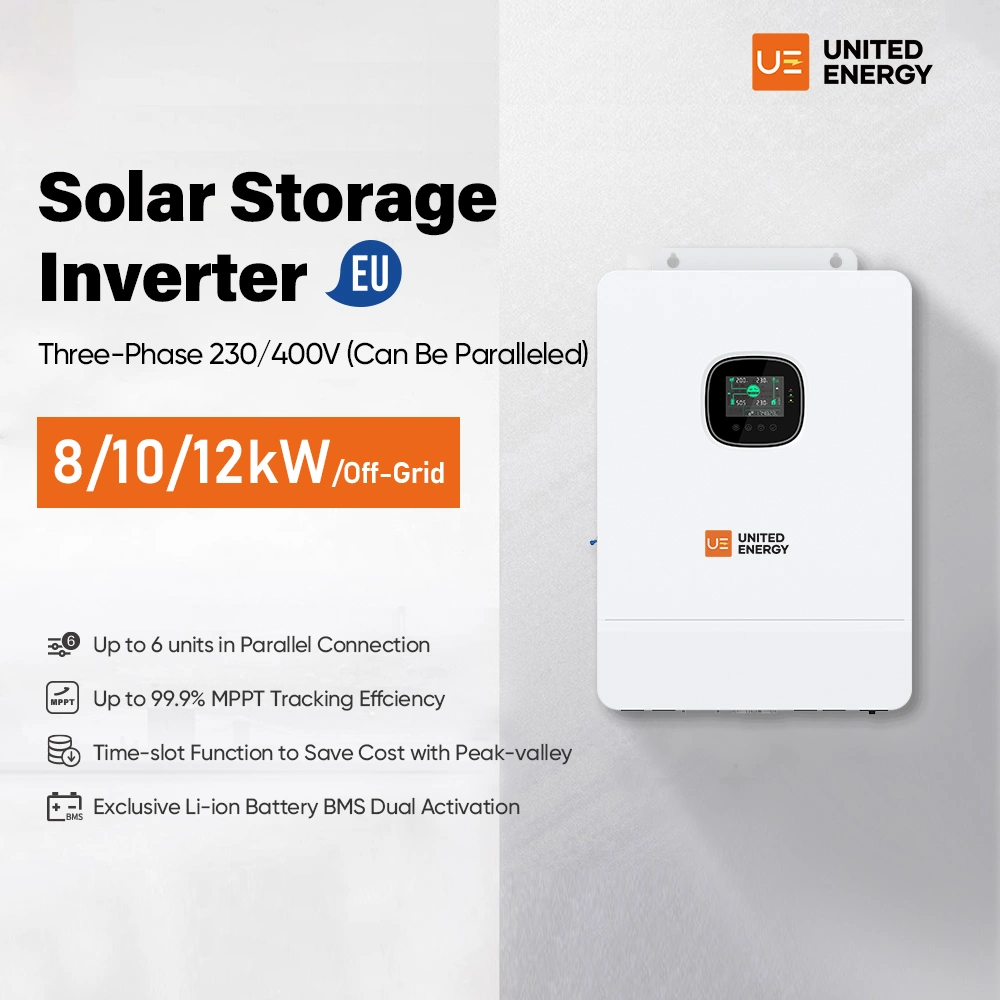
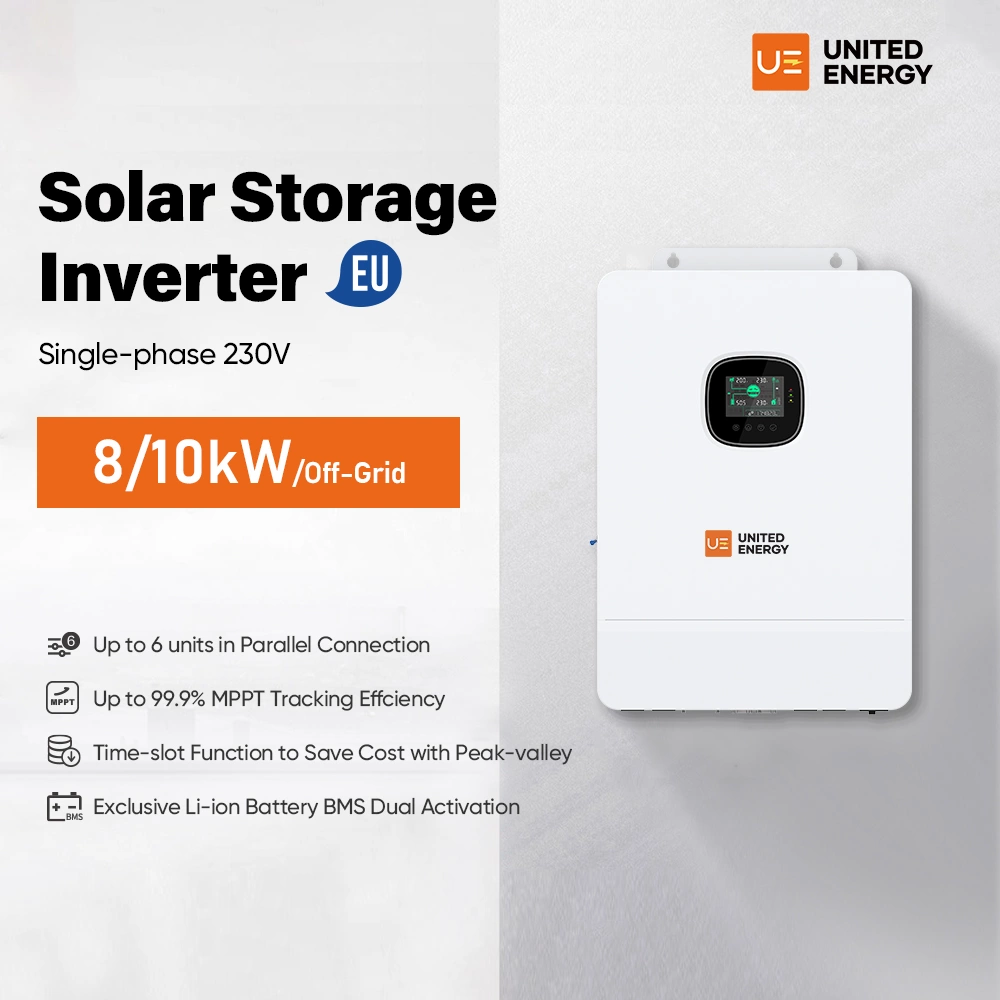
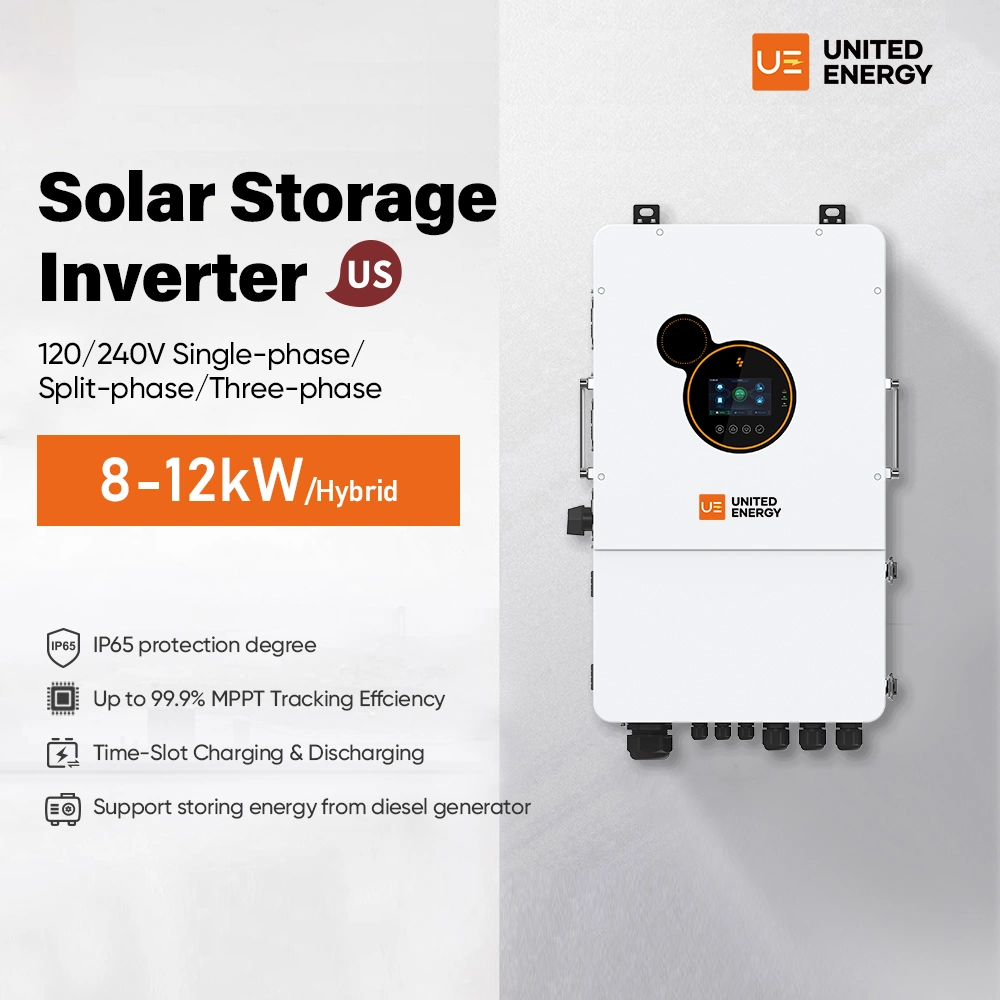
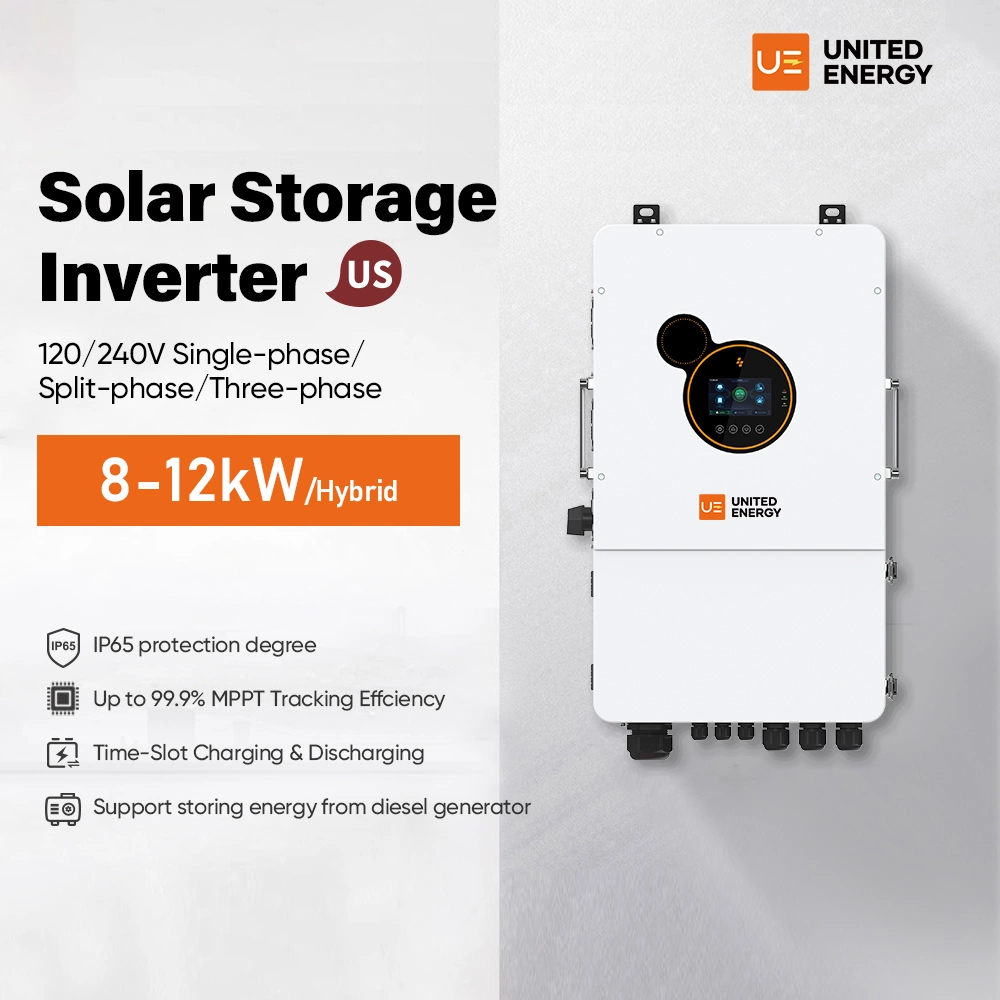
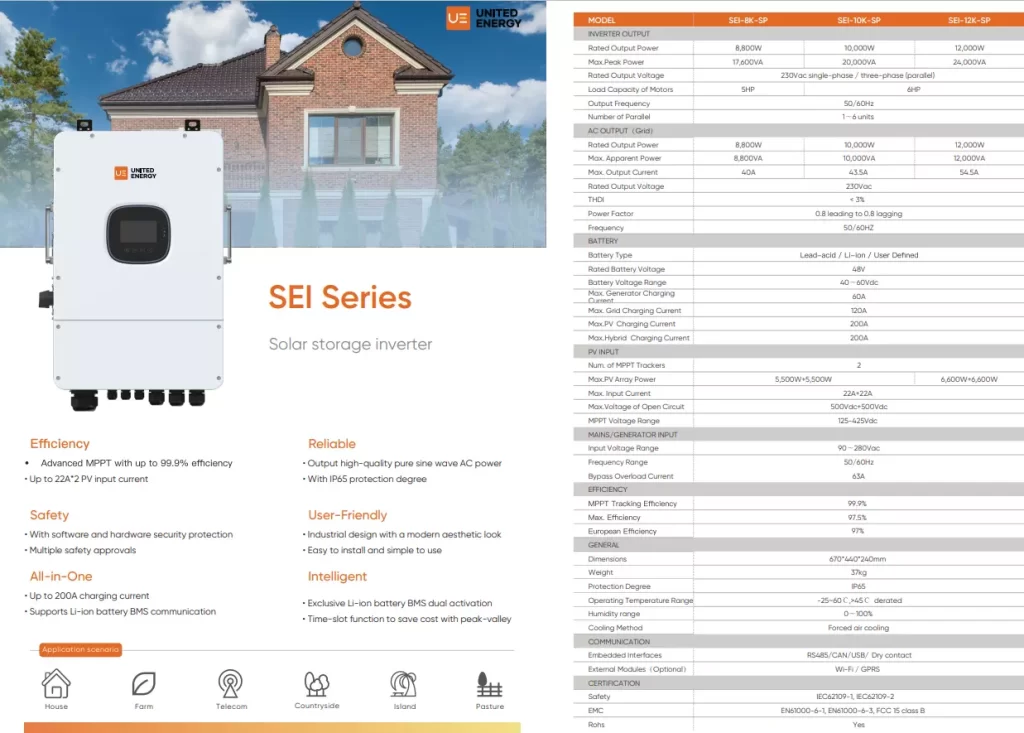
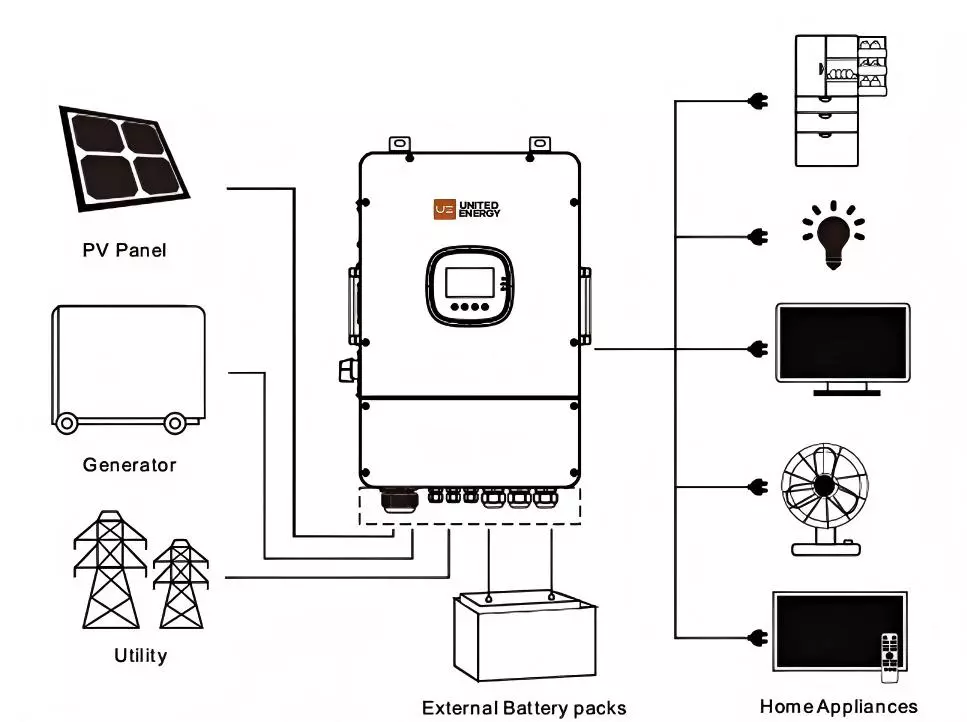
Such as UE’s SEI series 8/10/12kW hybrid inverter, which supports Single-phase pure sine wave output.
• Up to 22A*2 PV input current
• Up to 200A charging current for battery
• Generator input voltage range: 90-280Vac
• IP65
Conclusion
So, can generators and solar systems work together seamlessly? Yes — and when done correctly, it can offer flexible, reliable, and safe power for many applications. Whether you're camping off the grid, protecting your home during storms, or just looking for a better way to manage backup power, this setup might be the smart choice.
Just make sure to use the right equipment, follow safety protocols, and understand how your system components interact. And if you're ever in doubt, don’t hesitate to get help from a professional.