
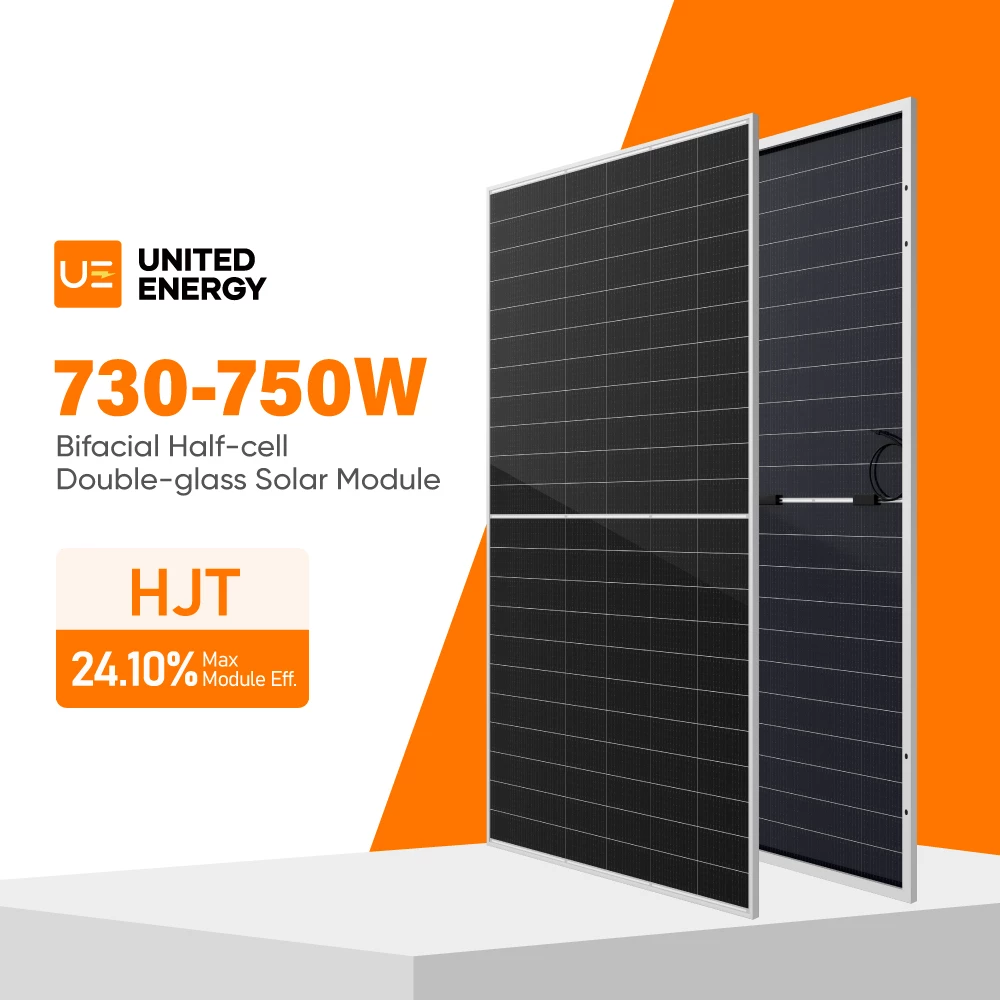
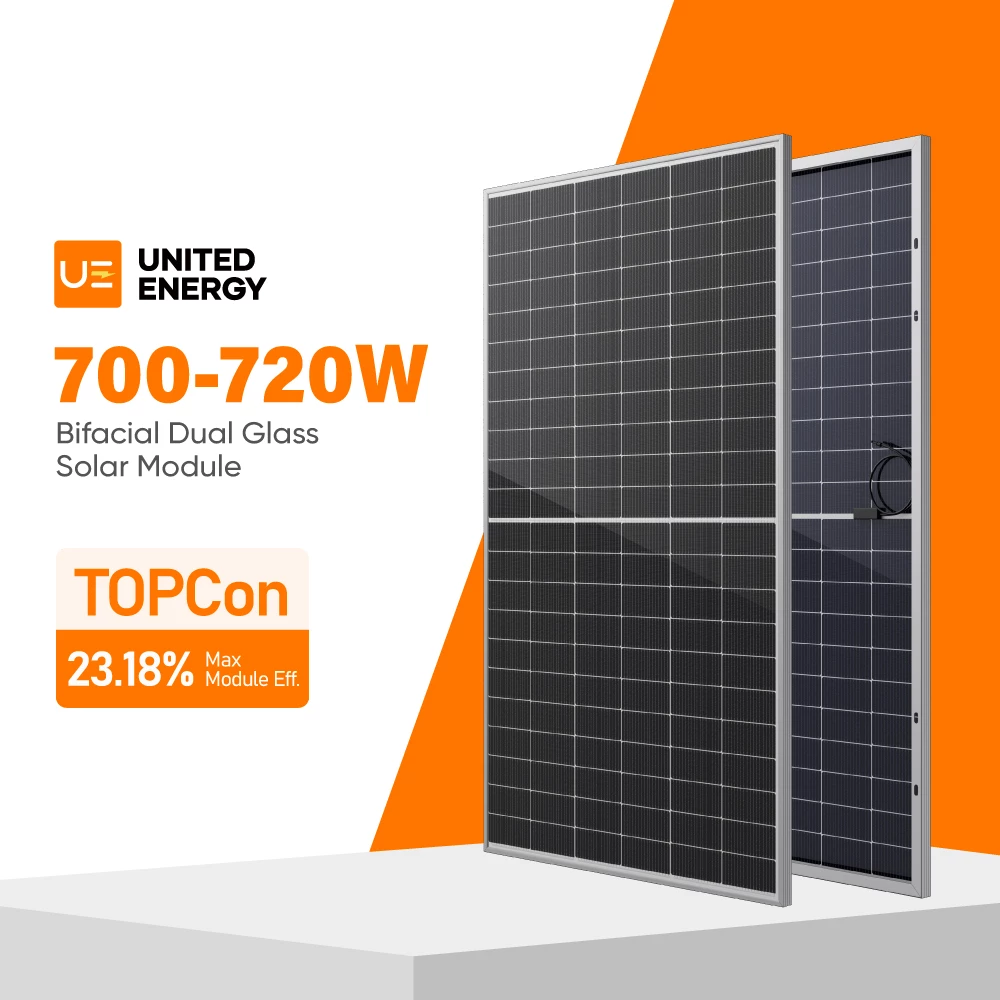
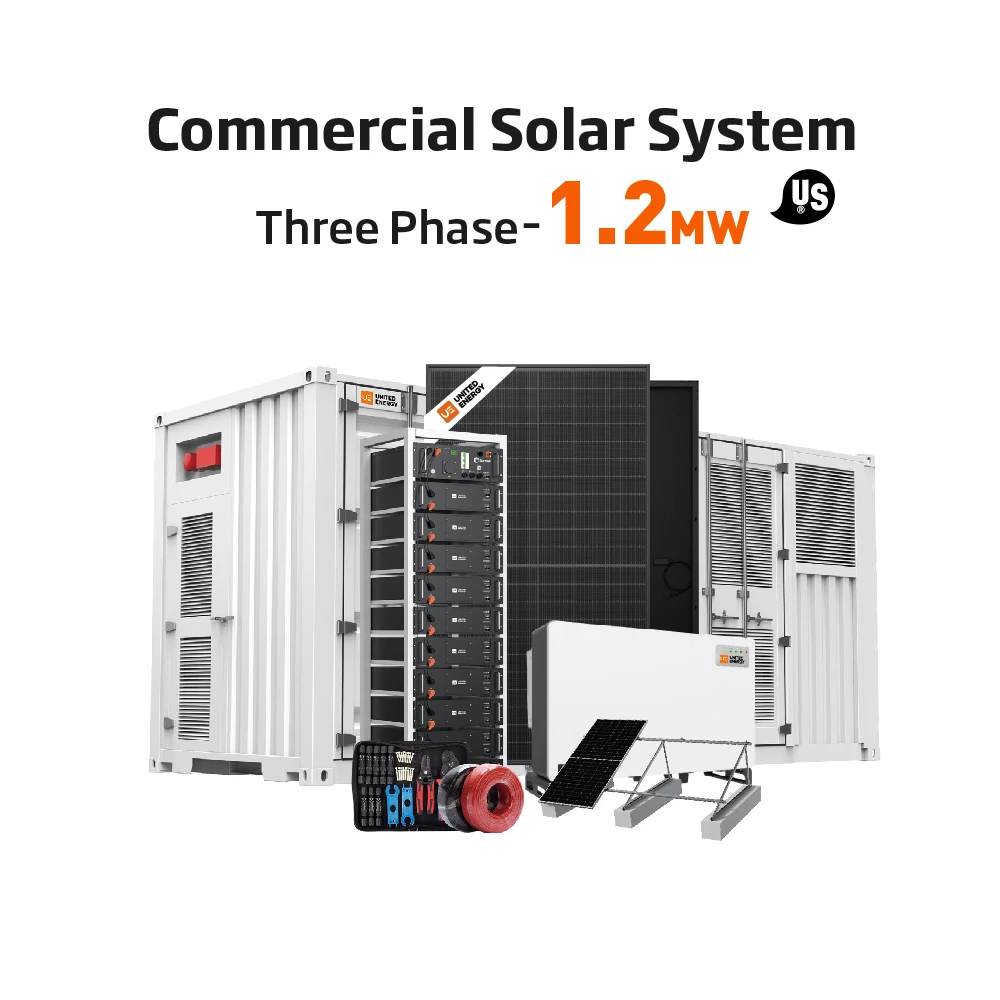
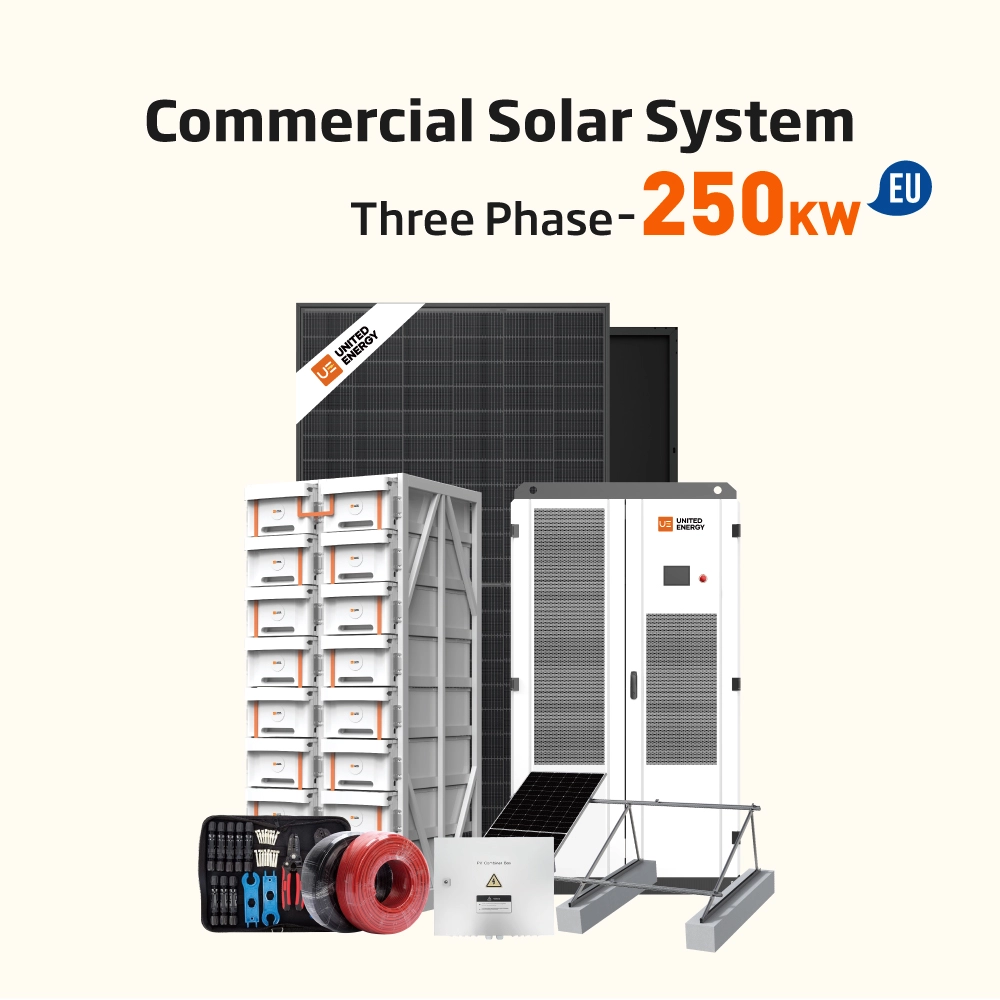
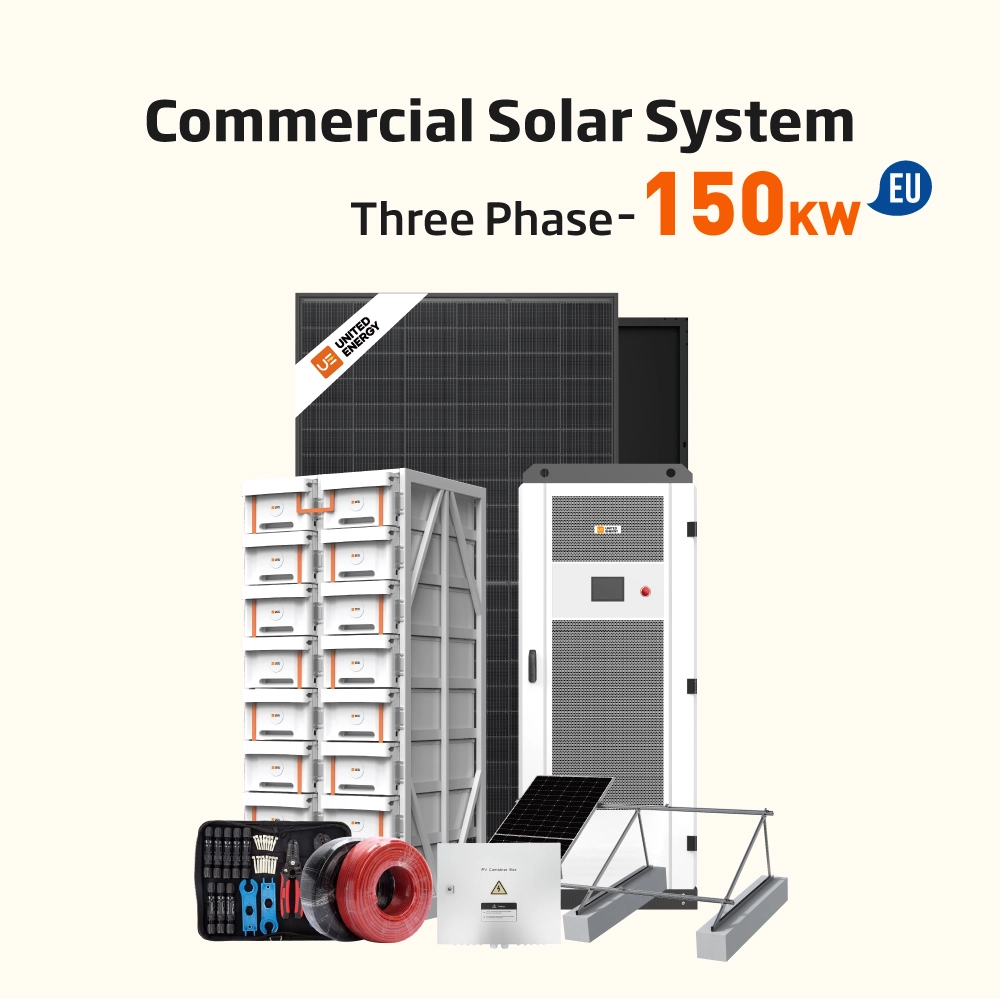
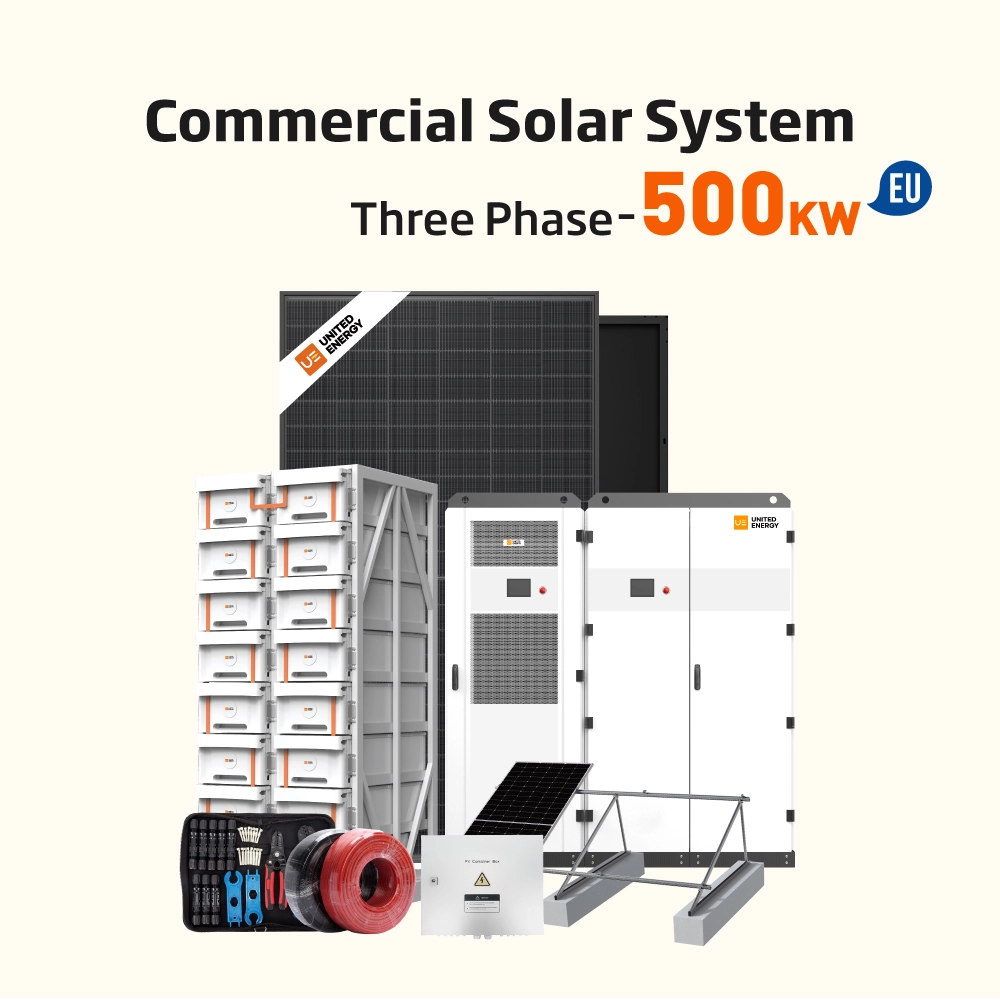



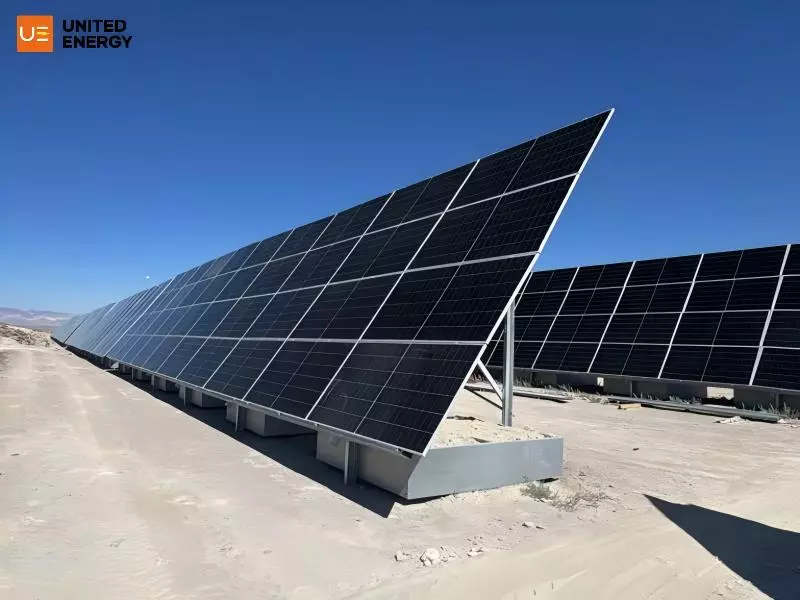
A US off-grid data center operator expanded its renewable energy capacity from a proven 1.8MW to a new 3MW ground-mount solar system, selecting United Energy (UE)’s upgraded 750W Heterojunction (HJT) bifacial dual-glass PV modules. This project delivers 12 MWh of daily clean power to support 24/7 off-grid data center operation.
During procurement, the client received competing lower-priced panel, yet reselected UE after reviewing full technical benchmarks, long-term generation gains and verified operational performance from the prior 1.8MW HJT solar system.
This case highlights why off-grid critical infrastructure prioritizes full-lifecycle value over upfront module pricing alone.
Project Overview
1.1 Core Technical Parameters
Deployment Location: Arid desert region, United States
End Application: Off-grid large-scale data center (24/7 continuous power demand)
Installed PV Capacity: 3 MWp
PV Module Model: 750W HJT bifacial dual-glass PV module
Total Module Quantity: 4,088 pieces
Max Module Conversion Efficiency: 24.10%
Daily Power Generation: 12 MWh
Core Cell Technology: Heterojunction (HJT) N-type silicon
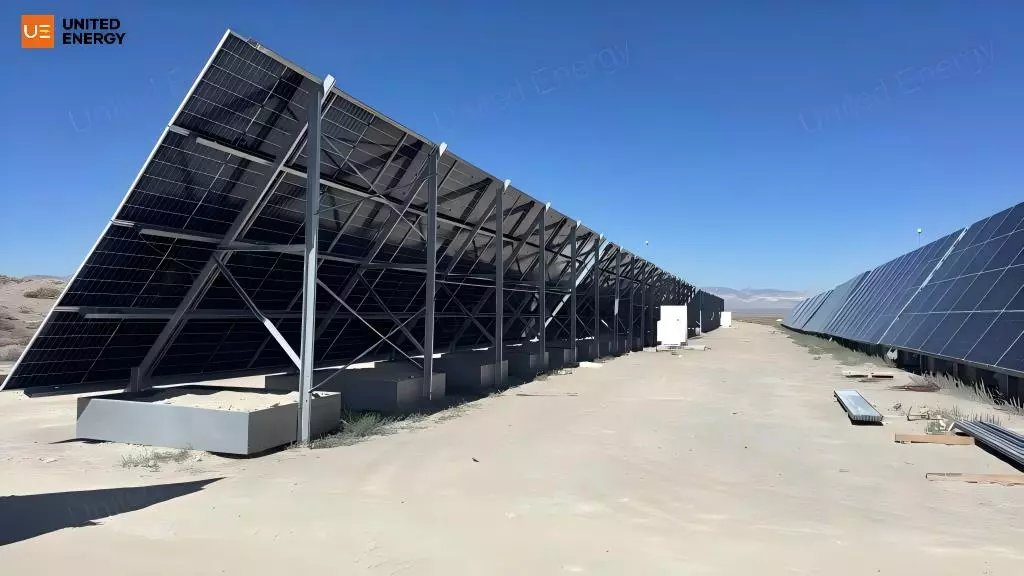
1.2 Unique Power Demand Challenges for Off-Grid US Data Centers
Off-grid area data centers need steady, round-the-clock power to run servers. The dry, hot desert landscape in the US creates four major hurdles for solar systems:
- Extreme daytime heat
High temperatures make regular solar panels lose power quickly, which risks unstable power supply for servers.
- Reflective dry soil
Pale bare ground bounces sunlight back up, which bifacial panels can turn into extra electricity.
- Decades-long service requirement
The solar station needs to run reliably for 25+ years, resisting sand, strong UV rays and big temperature swings.
UE’s high-efficiency HJT bifacial dual-glass panels are specially designed to solve all these local issues.
From 1.8MW to 3MW: A Second UE Solar Project
2.1 Comparison of UE’s Two PV Projects
| Parameter | 1.8MW Project | 3MW Project | |
| PV Module | 720W HJT bifacial dual-glass | 750W HJT bifacial dual-glass | |
| Peak Efficiency | 23.18% | 24.10% | |
| Daily Generation Output | 7.2MWh | 12MWh | |
| Core Upgrade Benefit | / | Higher power density, superior temperature attenuation, boosted bifacial yield | |
2.2 Why the Client Returned to UE
- Verified field performance: The UE's HJT module maintained stable power generation in the harsh desert environment, without any module damage or abnormal power generation.
- Upgraded generation economics: The new 750W modules achieve higher power generation and higher efficiency while maintaining the same footprint.
- Professional technical support: UE's technical team provides component-centric design guidance during the pre-construction phase. Based on the client's desert site coordinates, we offer optimized PV layout diagrams and calculate the ideal tilt angle for the mounting brackets to maximize solar power generation.
Pricing vs. Performance: Why the Client Chose United Energy 750W HJT Modules
3.1 The Initial Pricing Dilemma & Market Context at Project Evaluation Stage
During the project evaluation, anther solar supplier submitted a quote for a 750W module, with a unit price approximately 50% lower than UE's quote. With 4,088 modules required for the full 3MW array, the upfront price gap appeared substantial at first glance.
Given the market conditions at the time, only a few top-tier brand module manufacturers produced TOPCon 750W modules.
Therefore, a reasonable speculation is that the modules claimed by the supplier might be TOPCon products with a nominal power of 720W, but labeled as 750W. Alternatively, they could be second-hand products. As a manufacturer, we are well aware that the price offered is completely unreasonable, and the product quality is also unknown.
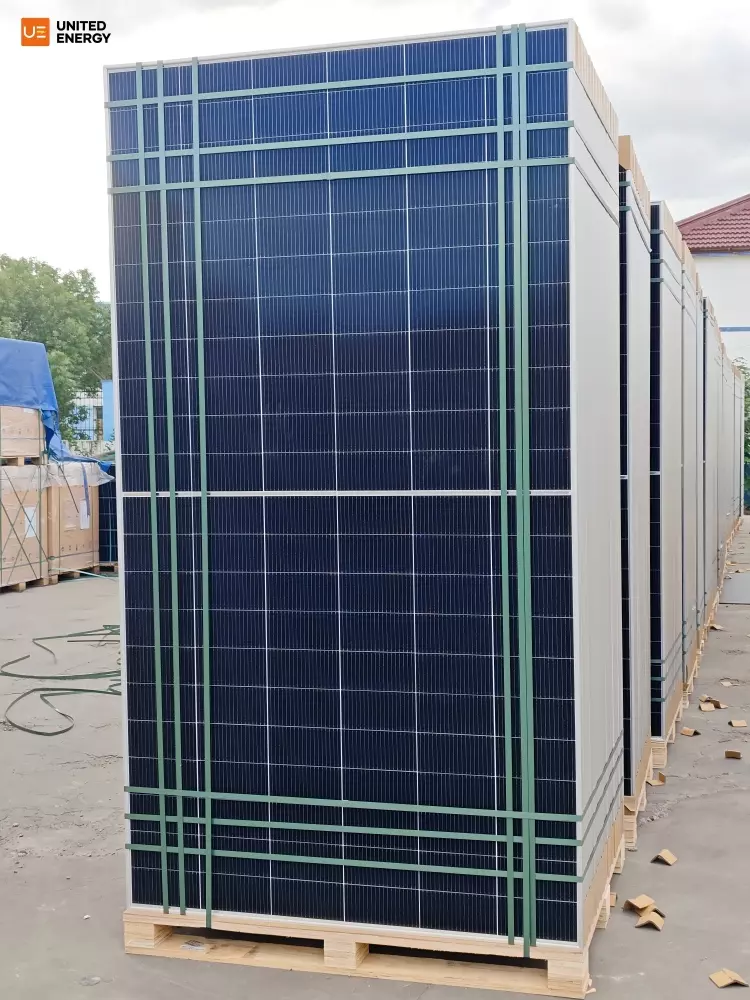
3.2 Four Non-Negotiable Technical Advantages of UE’s Authentic 750W HJT Modules
UE’s engineering team shared factory test reports and site-specific generation simulation data to quantify full-lifecycle operational value, focusing on four core strengths aligned with this desert off-grid project’s unique requirements:
- Verified 24.10% high conversion efficiency
Every module undergoes factory testing to meet its stated 750W power rating. Higher power density maximizes energy yield within limited desert land space, cutting total spending on racking, foundations and civil construction.
- Excellent thermal performance native to HJT heterojunction design
HJT’s thin-film silicon stack minimizes power loss during peak midday desert heat — a critical benefit for data centers that depend entirely on solar generation for non-stop server loads.
- Bifacial dual-sided energy harvesting
The rear surface of each panel captures reflected sunlight from light, dry desert soil. Paired with customized tilt and row spacing guidance we provide, bifacial design delivers consistent extra energy production over the system’s multi-decade service life.
- Robust dual-glass construction for long-term outdoor deployment
Double glass encapsulation shields solar cells from sand abrasion, intense UV exposure and frequent temperature swings. For off-grid critical infrastructure designed for 25+ years of service, durable module build quality greatly reduces long-term repair and replacement risks.
3.3 Why Upfront Cost Is Secondary for Off-Grid Data Center
Selecting low-cost modules with unverified labeled power ratings could introduce three notable long-term operational risks for the client:
Actual daily energy production may fall short of design targets, increasing runtime and fuel expenses for backup diesel generators; causing equipment to stop operating;
The risk of performance degradation or inverter failure after a short period of operation.;
After reviewing real operational data from UE’s existing 1.8MW pilot installation and complete official technical documentation, the client’s procurement team prioritized full-lifecycle LCOE (levelized cost of energy) rather than basing decisions solely on upfront per-module pricing.
United Energy: A Long-Term Technical Partner, Not Just a Supplier
UE team focused on transparent, data-driven technical education to help the client make an apples-to-oranges technology comparison:
- Shared standardized performance test reports, temperature coefficient data and bifacial yield simulation results specific to the client’s desert site
- Explained how module efficiency, cell type and glass construction impact annual energy revenue for off-grid critical loads
- Connected the client’s unique data center power requirements directly to HJT design advantages, rather than generic sales messaging
For industrial-scale off-grid solar projects serving mission-critical infrastructure, the lowest upfront purchase price rarely delivers optimal total value. This core philosophy guides all of UE’s commercial PV project collaborations: transparent technical documentation, localized engineering support, and fully customized renewable power solutions aligned with client operational goals.
Conclusion
The successful delivery of this 3MW HJT solar station builds on the trust established during the client’s earlier 1.8MW PV deployment, validating United Energy’s HJT module performance, quality control systems and full-spectrum solar solution capabilities for North American off-grid industrial facilities.
This case serves as a benchmark for US data center operators, EPC contractors and renewable energy developers evaluating high-efficiency bifacial PV for remote, grid-independent campuses. UE continues to deliver reliable, low-degradation HJT solar technology to power clean, stable off-grid energy for data centers, manufacturing plants and industrial sites across the United States.