


For hotels and commercial facilities located in off-grid or weak-grid regions, securing a stable and cost-effective power supply is a persistent operational challenge. High and continuous energy demand, combined with heavy reliance on diesel generators, often results in excessive fuel consumption, frequent maintenance, and increased operational risk.
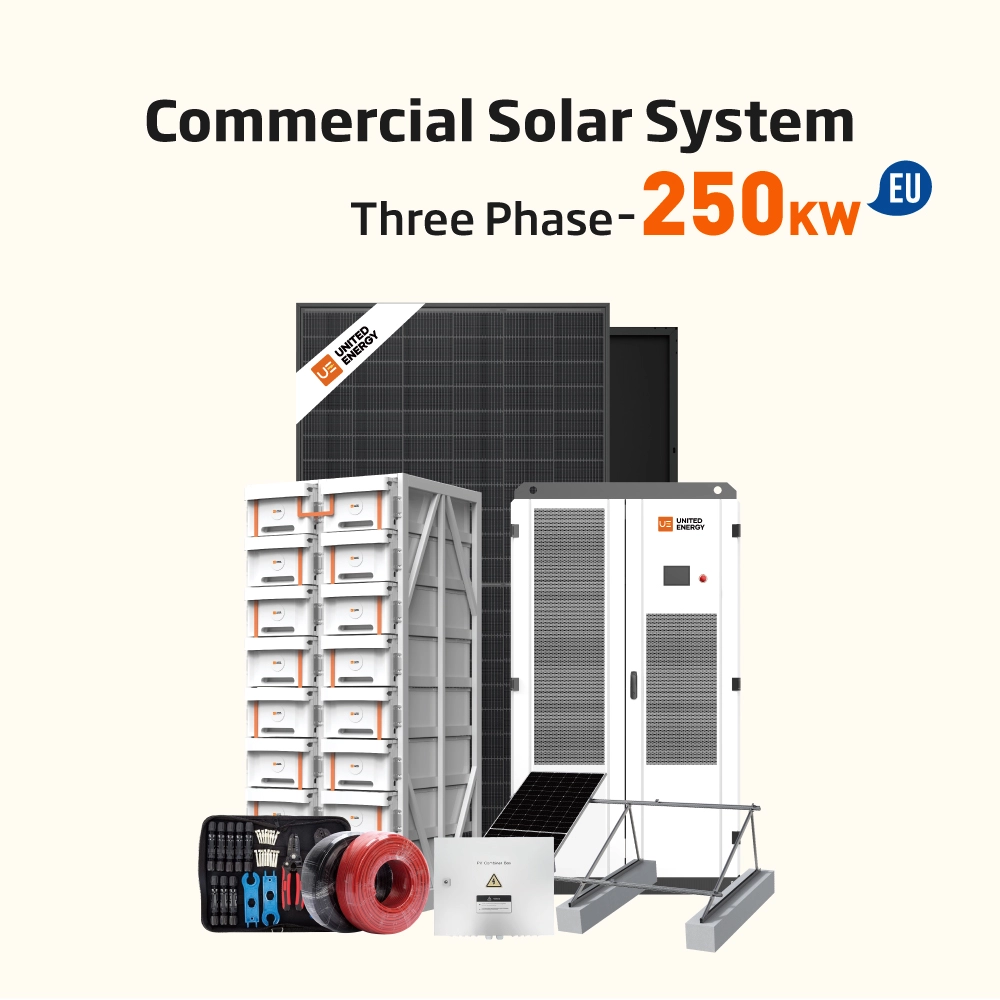
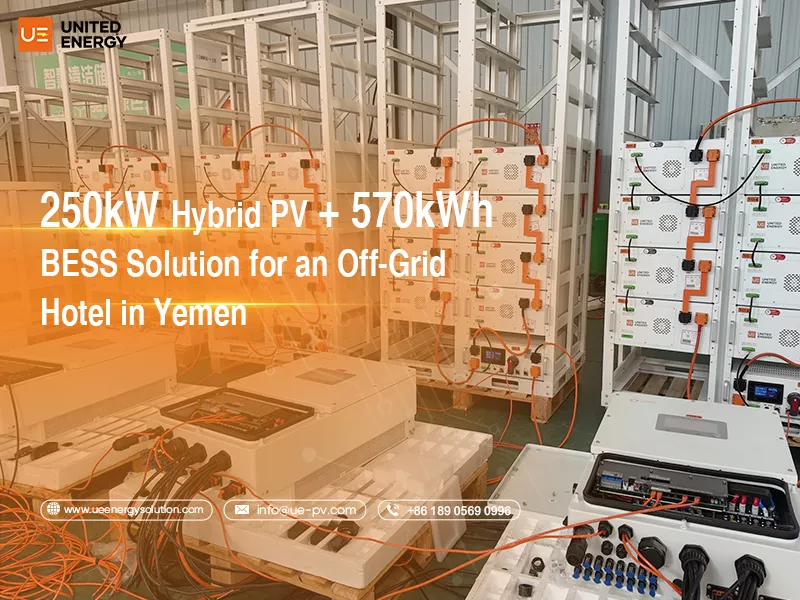
This project focuses on an off-grid hotel application in Yemen, where no stable utility grid is available. To address these challenges, the UE engineering team designed a 250kW hybrid PV system combined with a 570kWh high-voltage battery energy storage system (BESS). This solution integrates solar power, battery storage, diesel generators, and an Energy Management System (EMS) into a coordinated hybrid power architecture.
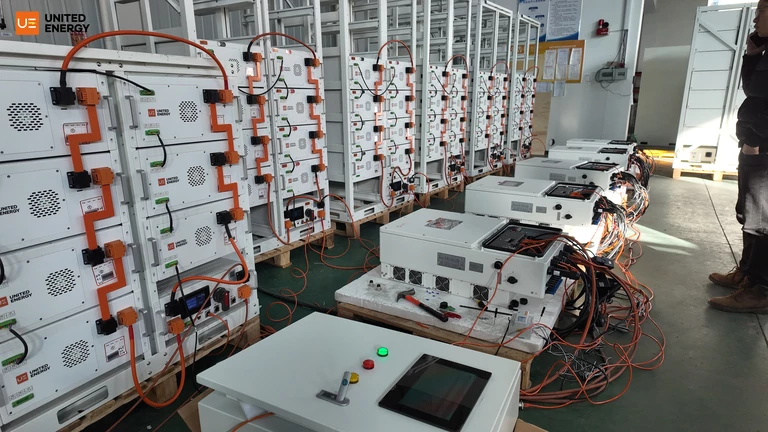
The complete system has undergone comprehensive factory testing and is now ready for shipment. The following sections outline the system configuration and key design details.
1. Project Challenges
Complex Rooftop Conditions
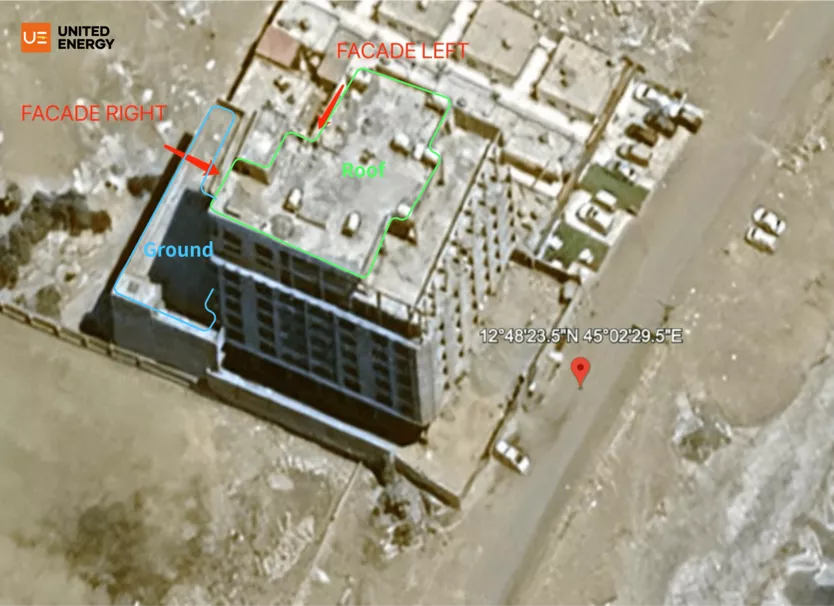
The hotel features a fragmented rooftop layout with limited usable area. PV modules must be distributed across multiple roof sections with different orientations, while partial shading is unavoidable due to structural constraints.
Under such conditions, conventional PV systems with limited MPPT channel quantity often suffer from significant mismatch losses, leading to reduced energy yield and unstable system performance.
Diesel Generator Operational Constraints
In off-grid scenarios, diesel generators typically serve as the primary or backup power source. However, generators only operate most efficiently within a specific load range (load range between 30% to 80% of rated capacity).
Long-time low-load operation can lead to incomplete combustion, carbon buildup (wet stacking), increased mechanical wear, and higher maintenance costs. Conversely, overload operation may cause voltage and frequency instability, negatively impacting sensitive hotel equipment.
Power Stability and Load Variability
Hotel operations require a continuous and stable power supply, while electrical loads fluctuate significantly throughout the day due to air conditioning, kitchen equipment, elevators, and other frequently starting loads.
As diesel generators respond slowly to rapid load changes, maintaining stable voltage and frequency is challenging and may result in power interruptions and guest complaints. Therefore, the hybrid system must respond quickly to load variations and dynamically balance power to ensure stable and reliable operation.
System Design Overview
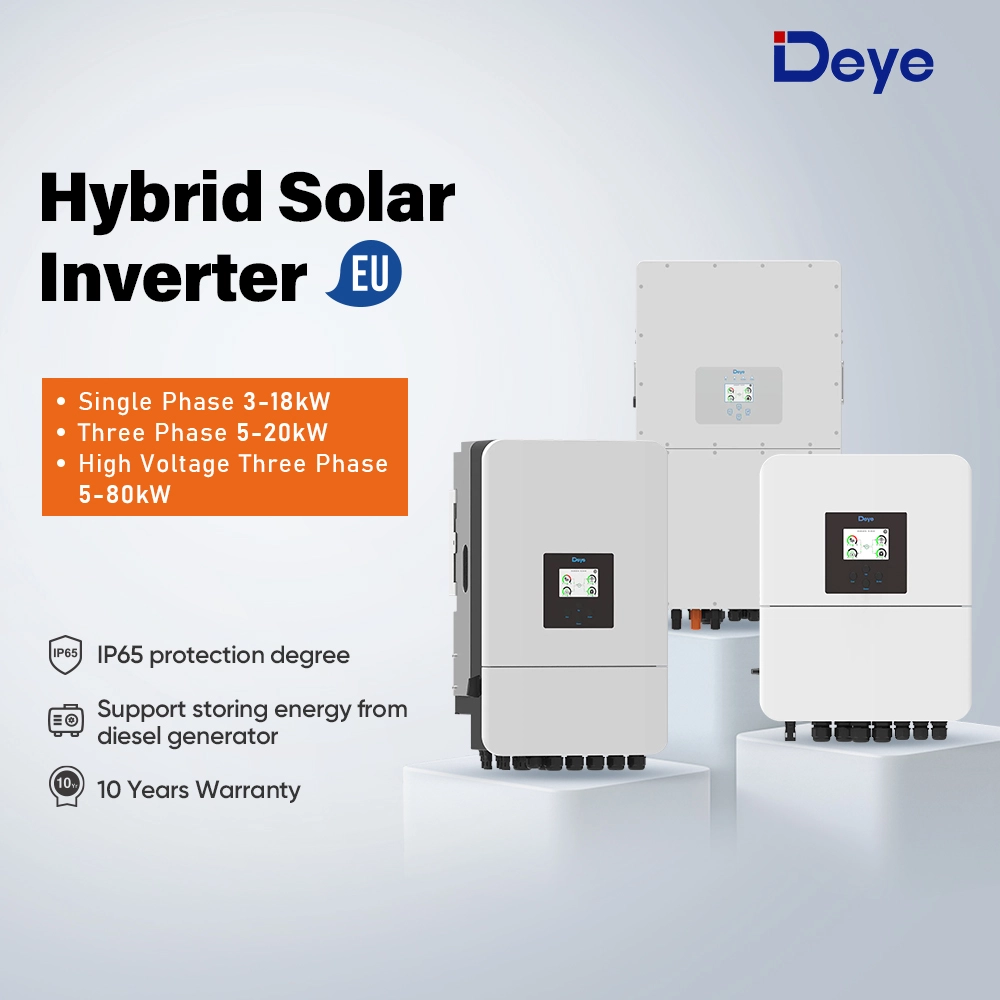
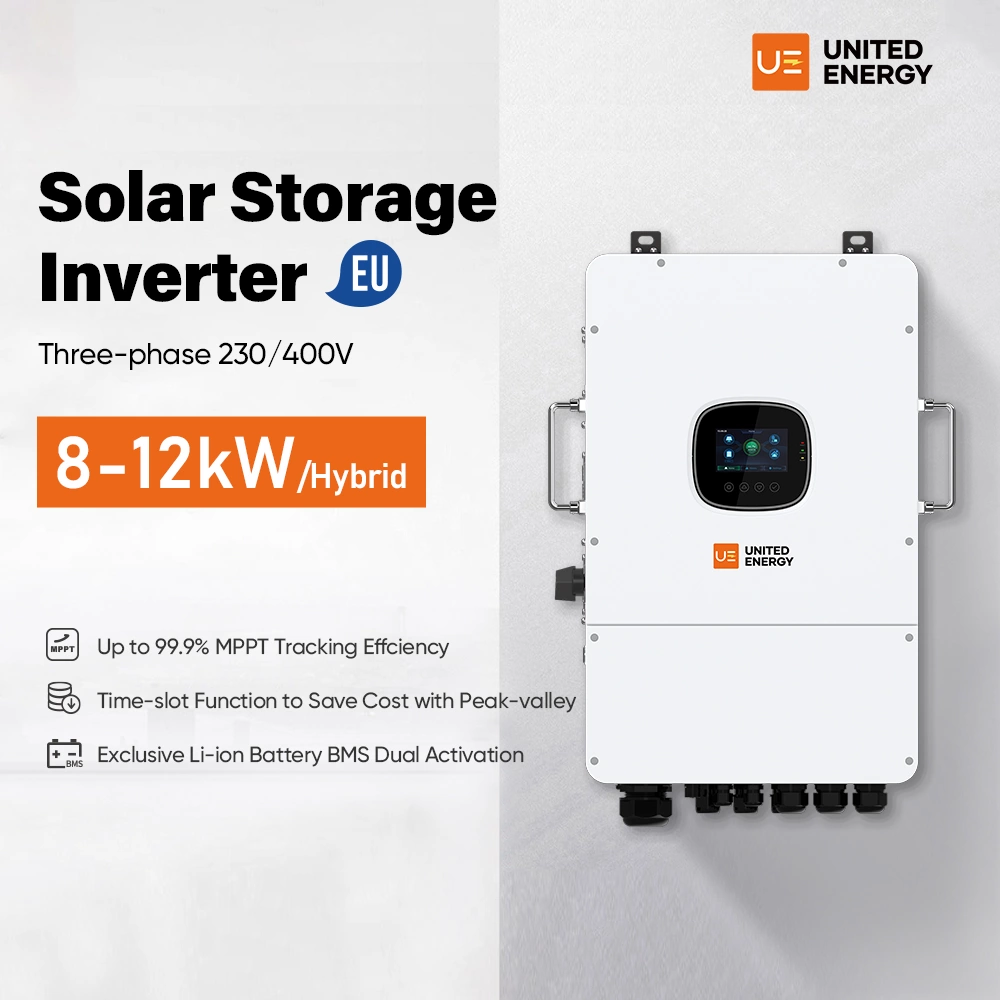
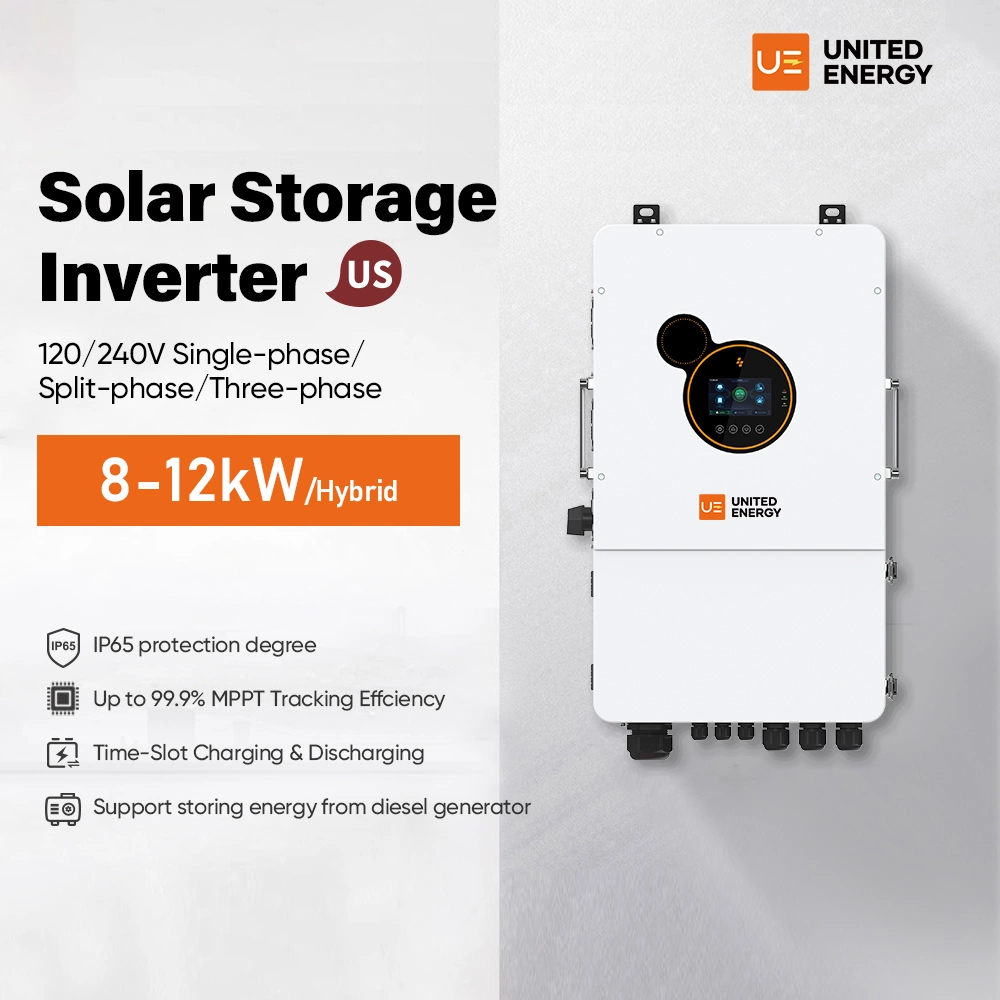
To address these challenges, a PV strings + Hybrid inverters + Battery Clusters + EMS system architecture was selected to ensure compatibility with the hotel’s existing diesel generators. The system is built around parallel-connected hybrid inverters, enabling flexible power dispatch, redundancy, and future scalability.
Key Specifications
Hybrid Inverters:
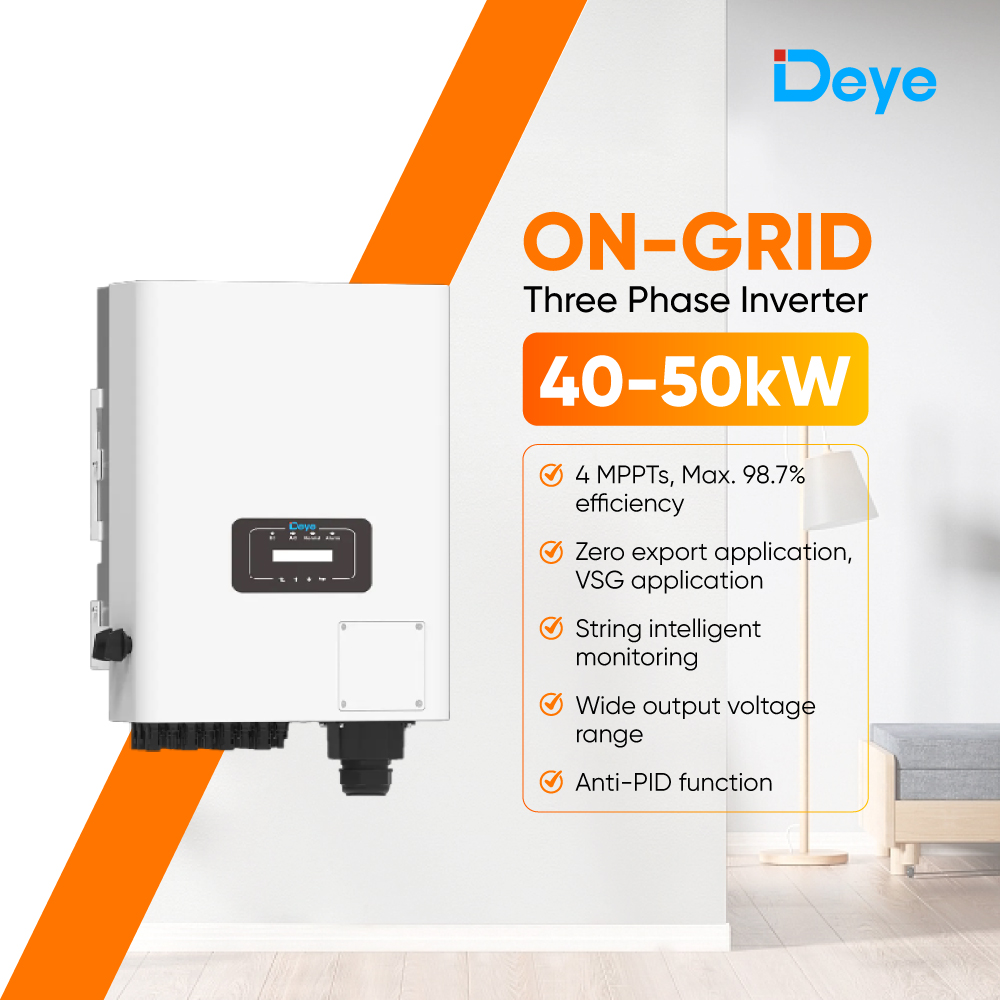
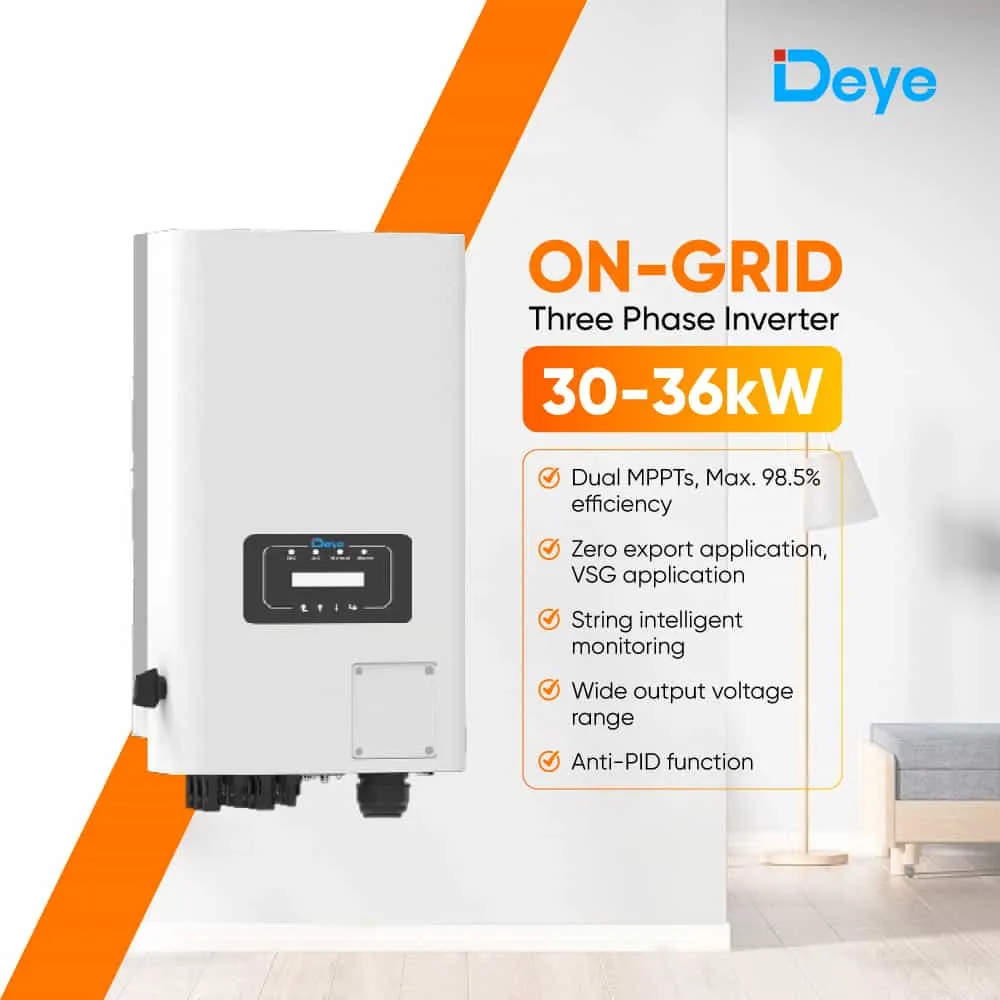
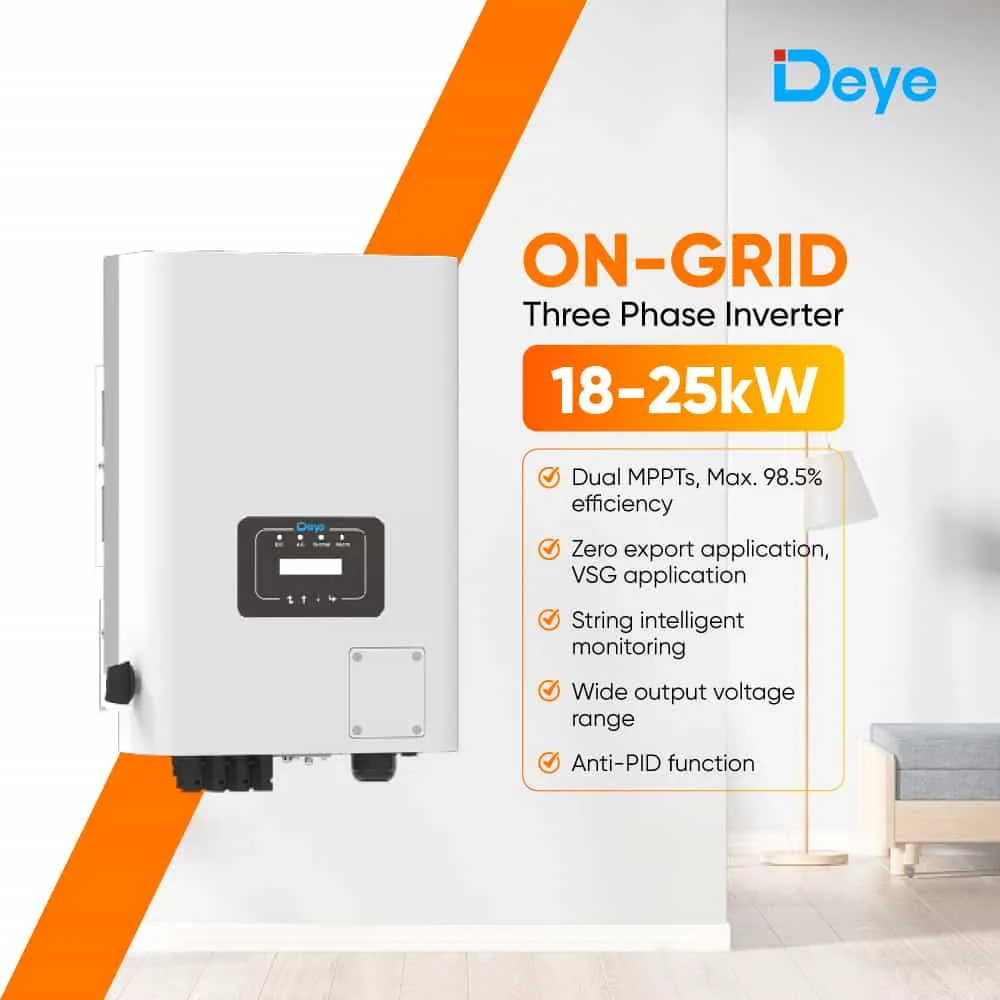
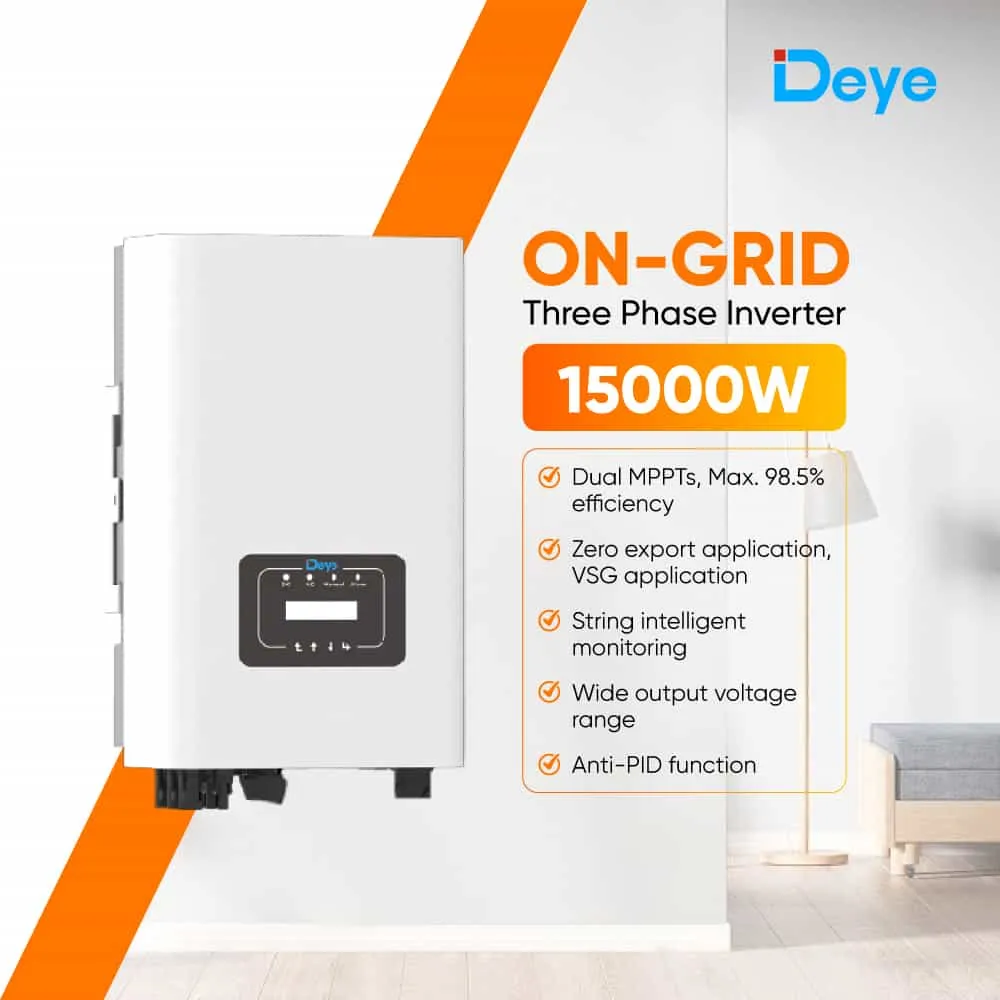
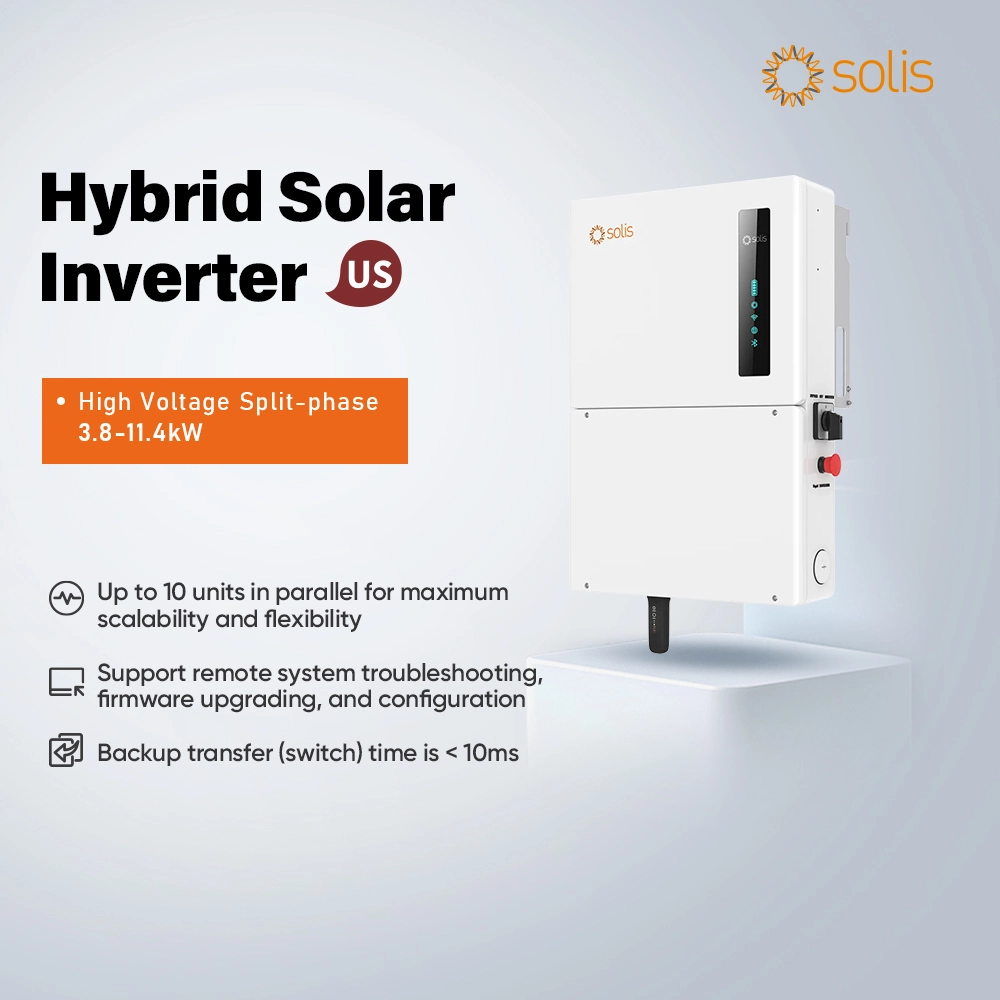
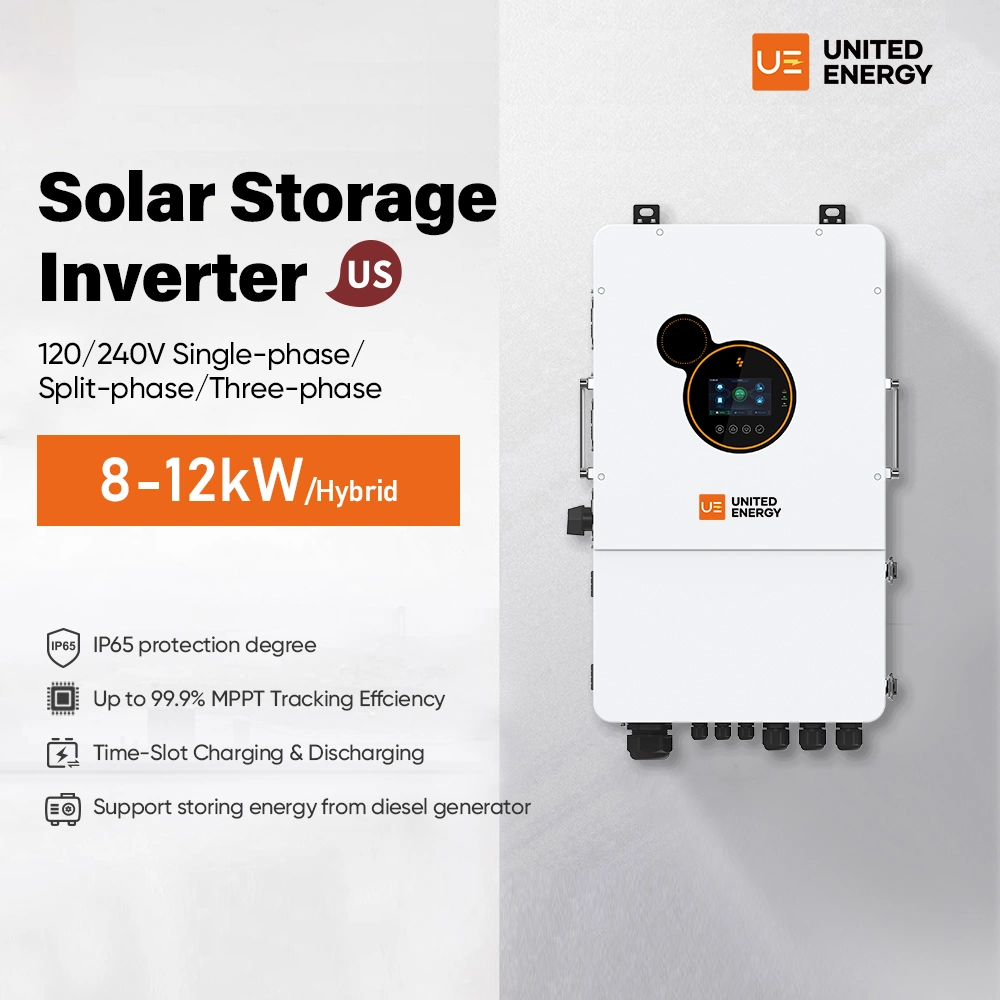
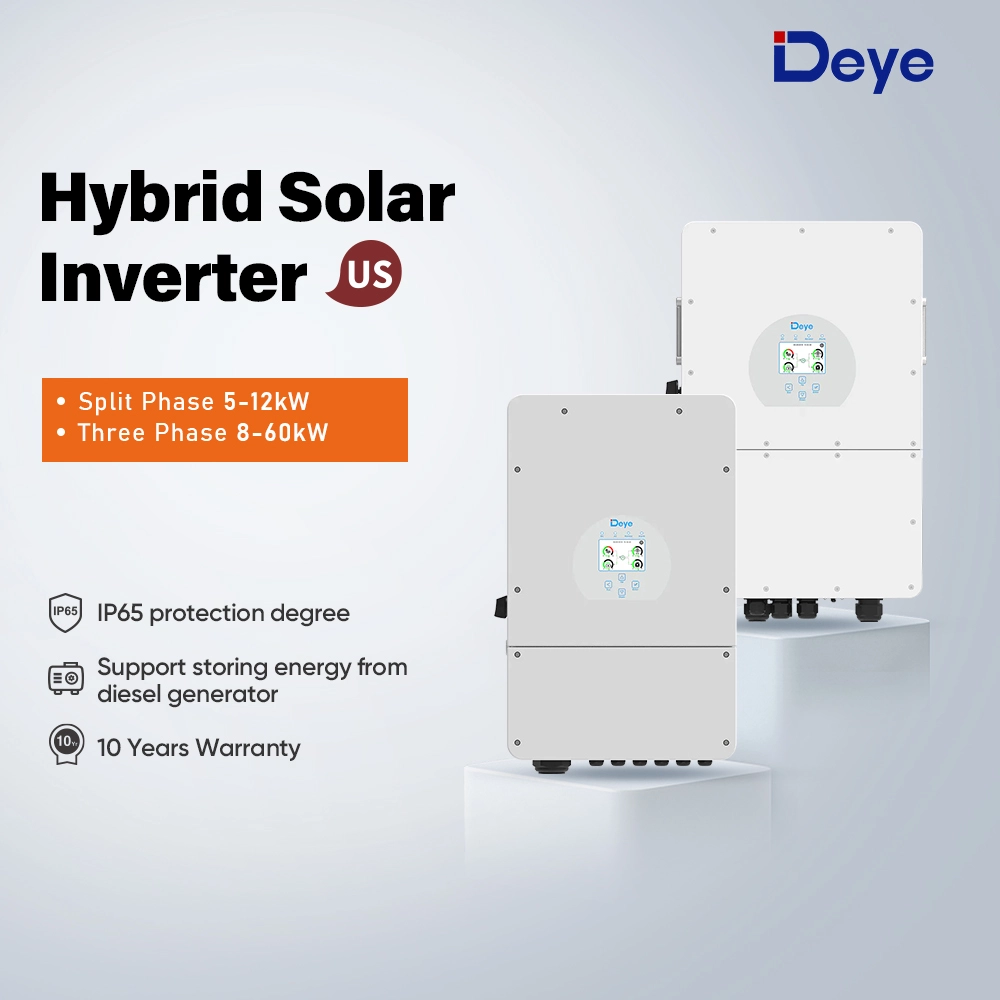
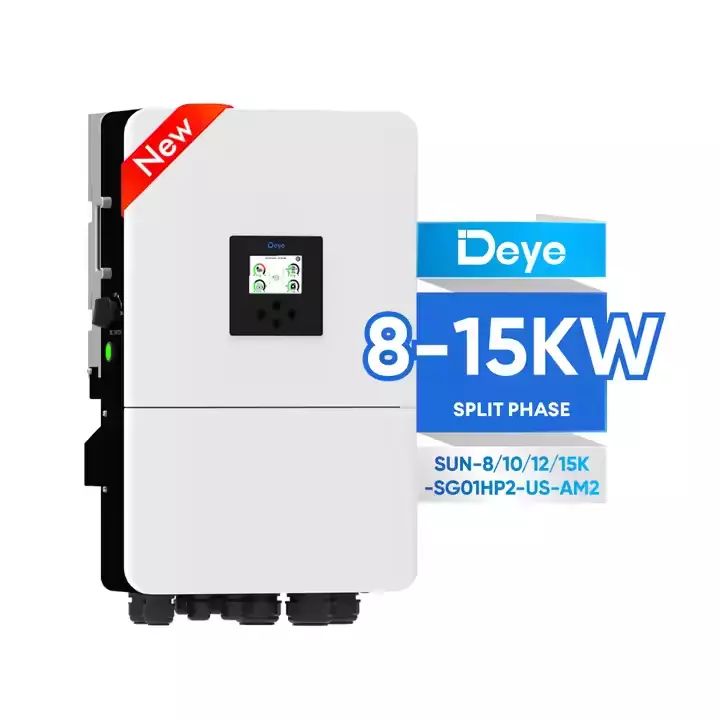
5 x 50kW hybrid inverters operating in parallel (250kW total)
Energy Storage System:
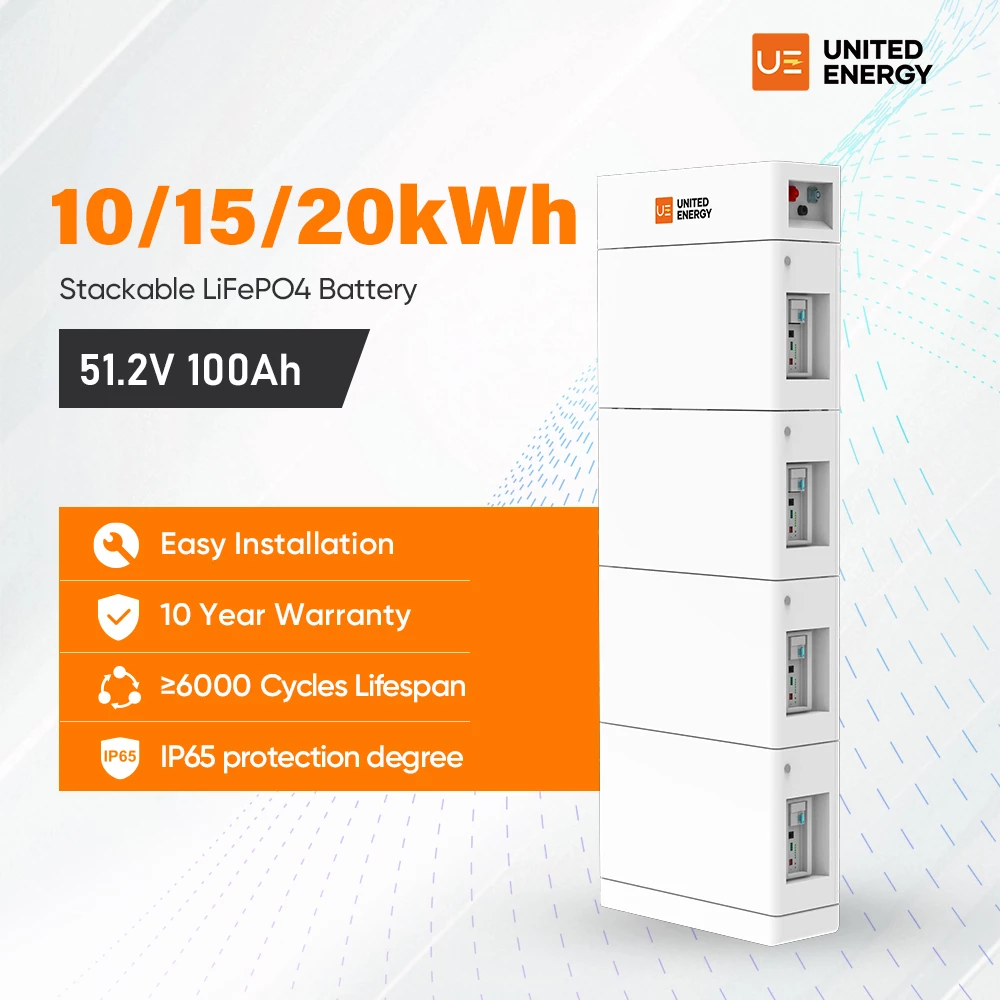
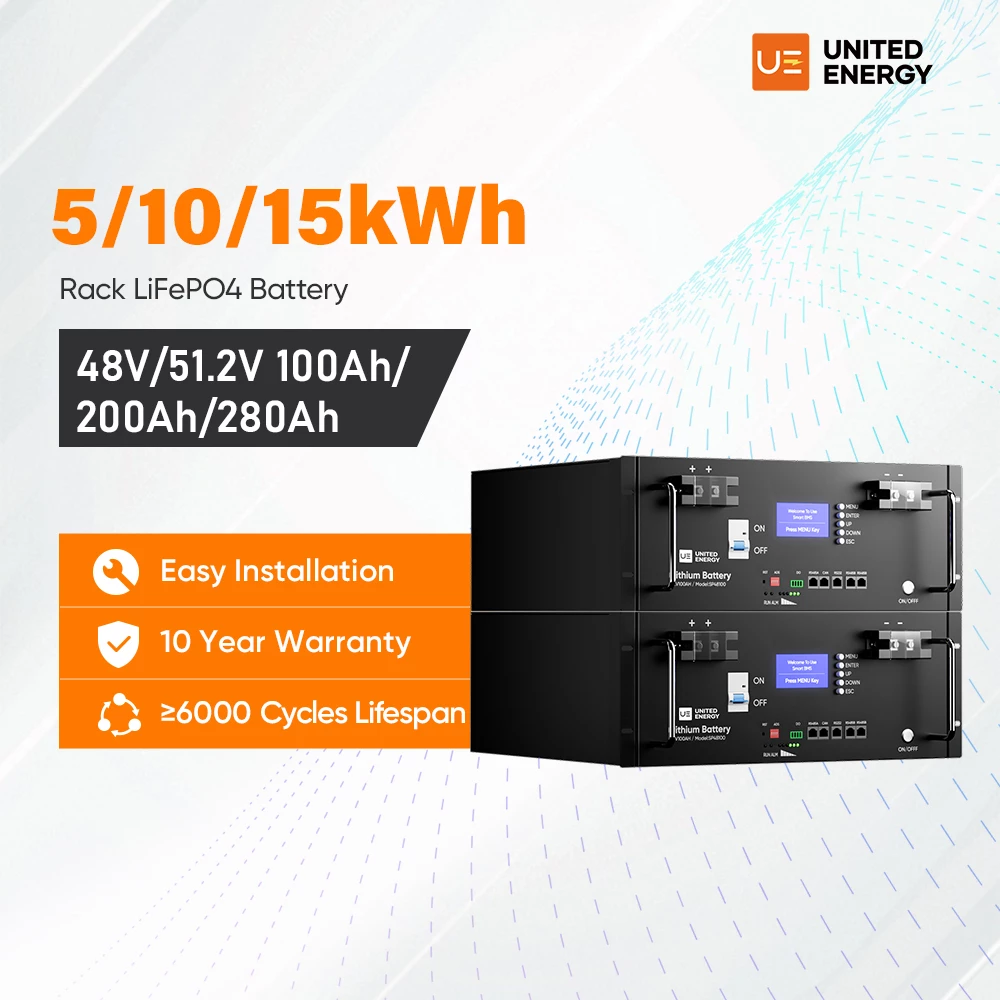
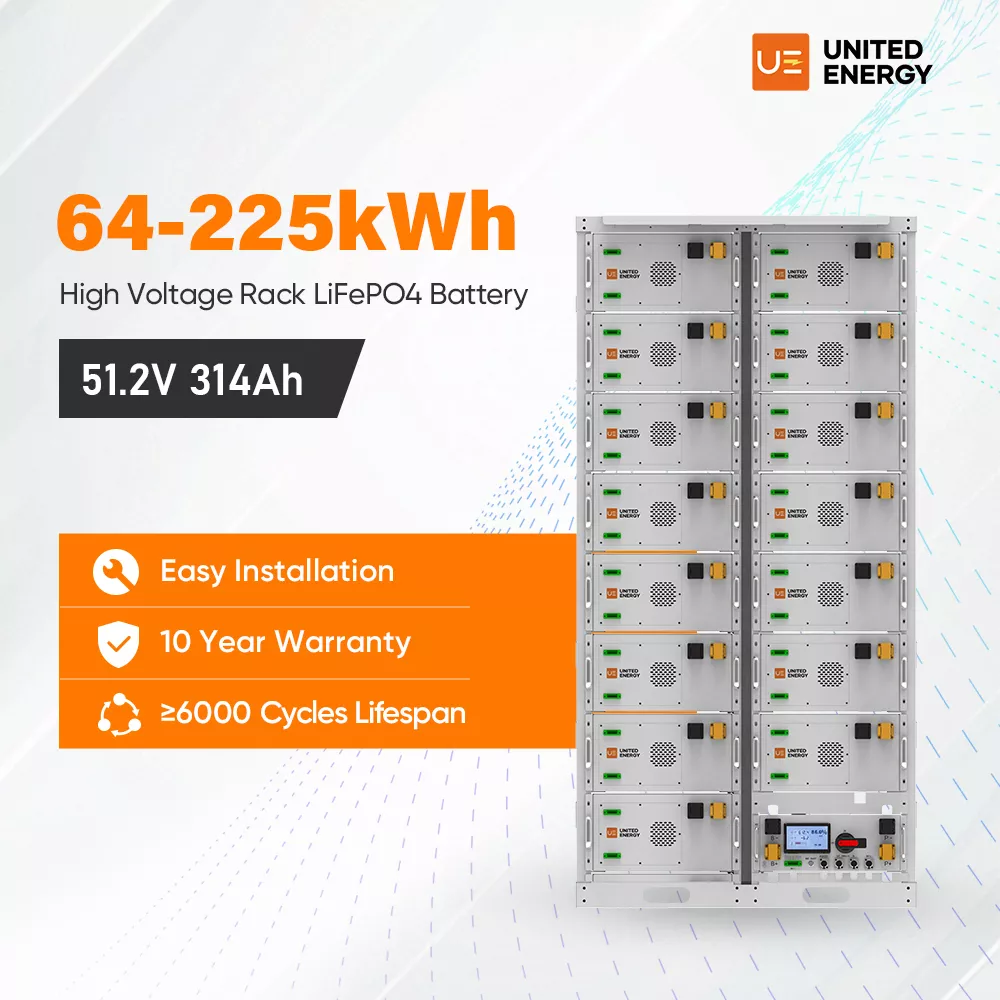
5 x 114kWh high-voltage lithium battery clusters
Total storage capacity: 570kWh
Control System:
Integrated EMS controller coordinates PV generation, battery operation, load demand, and diesel generator output.
Multi-MPPT Strategy for Complex Rooftops
Since the complex rooftop layout, PV string mismatch, and partial shading were identified as key risks to long-term system performance. To mitigate these risks, a multi-MPPT architecture was adopted. Each hybrid inverter is equipped with 4 independent MPPT trackers, with each MPPT supporting 2 PV strings. This configuration allows PV strings with different orientations and shading conditions to operate independently.
This approach minimizes energy losses caused by mismatch and partial shading, ensuring higher overall PV utilization and more predictable system performance over time. For commercial projects with non-ideal installation conditions, multi-MPPT capability is a critical factor in maximizing return on investment.
EMS-Controlled Diesel Generator Integration
Diesel generators achieve optimal efficiency and reliability when operating within a defined load range, typically between 30% and 80% of rated capacity. In hybrid systems without centralized control, generators may frequently operate at low load during periods of high solar output, accelerating wear and increasing fuel consumption.
The EMS plays a central role in this project. Real-time data is collected from the hybrid inverters, battery system, diesel generators, and site loads.
Based on this data, the EMS actively manages power flows to ensure that:
- Diesel generators operate within their optimal load range.
- Solar energy is prioritized whenever available.
- Battery storage absorbs excess energy or supplies power during peak demand.
This coordinated control strategy improves fuel efficiency, reduces generator stress, and enhances overall system stability.
1. Factory Testing and System Validation Before Delivery
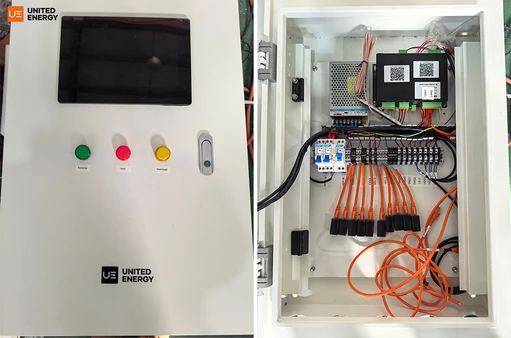
Prior to shipment, the complete system underwent comprehensive factory testing, including:
-Charge and discharge verification between inverters and battery clusters
-Parallel operation testing of the five hybrid inverters
-EMS monitoring, communication, and control logic verification
Pre-delivery testing is especially critical for overseas projects, as it minimizes commissioning risks and ensures a smoother on-site installation process.
Project Value and Operational Benefits
The hybrid PV + ESS solution delivers tangible operational and commercial benefits:
- Stable 24/7 power supply for uninterrupted hotel operations
- Lower maintenance stress on diesel generators
- Improved system flexibility and scalability for future expansion
By combining solar, high-voltage lithium battery, and intelligent control, the system provides a reliable and cost-effective alternative to diesel-only power generation.
Applications Beyond This Project
This solution can also be replicated and customized for other commercial and industrial sites with comparable load characteristics and grid conditions, including:
* Resorts
* Commercial buildings in off-grid or weak-grid regions
* Remote industrial facilities
* Diesel-to-hybrid energy system upgrades
Conclusion
This project demonstrates how a carefully engineered hybrid PV + ESS system can address the real-world challenges of off-grid commercial applications. Through thoughtful system design, multi-MPPT optimization, EMS-controlled diesel integration, and thorough factory testing, the solution delivers both technical reliability and long-term economic value.
Contact us to discuss your project requirements, request a personalized consultation, or learn more about how our hybrid energy systems can solve your unique power challenges. Let’s build a sustainable, reliable power foundation for your business.