


Project Overview
For industrial facilities operating in regions with unstable grid infrastructure, energy reliability is no longer a cost issue—it is a production risk.
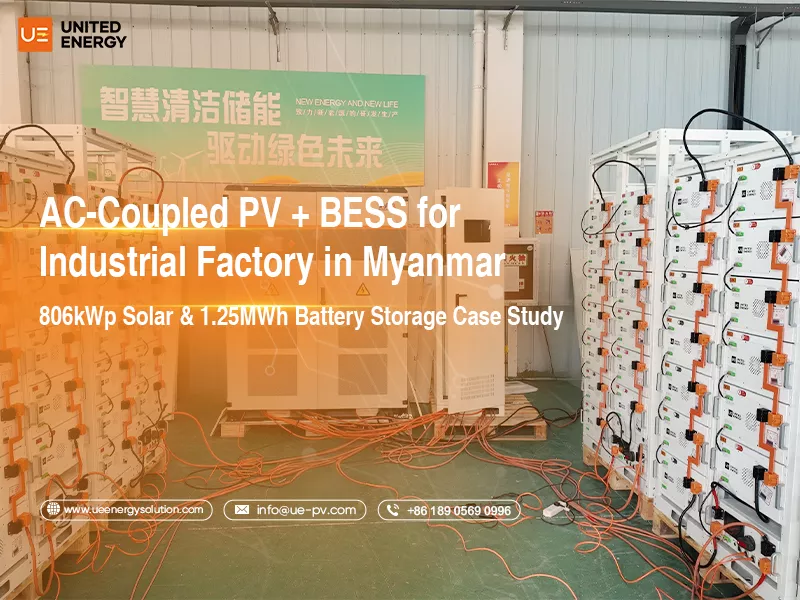
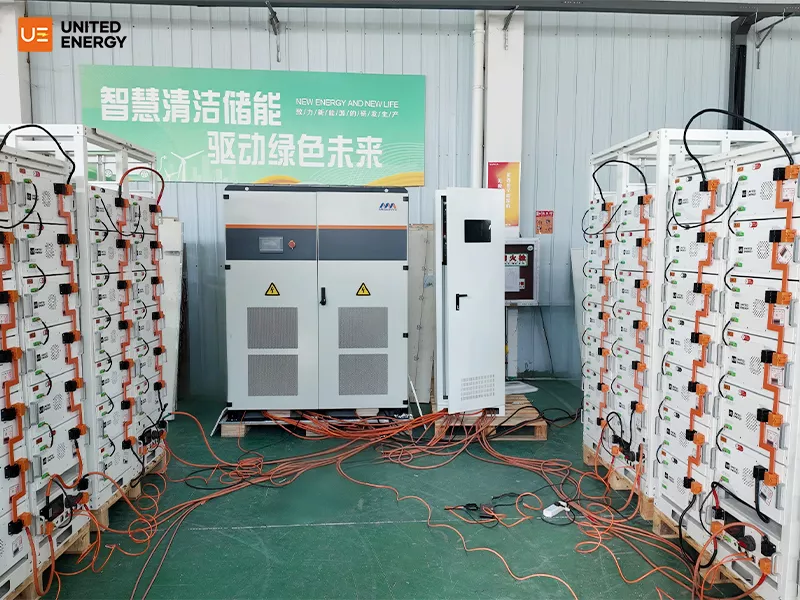
This case study presents an AC-coupled photovoltaic (PV) and battery energy storage system (BESS) deployed for a large industrial manufacturing factory in Myanmar. The solution was designed to address unstable grid power, high electricity costs, and strict delivery requirements under a government tender project.
Key Project Information
Location: Myanmar
Application: Large Manufacturing Factory
Grid Standard: 400 V Three-Phase Low Voltage
System Architecture: AC-Coupled PV + Battery Energy Storage System (BESS)
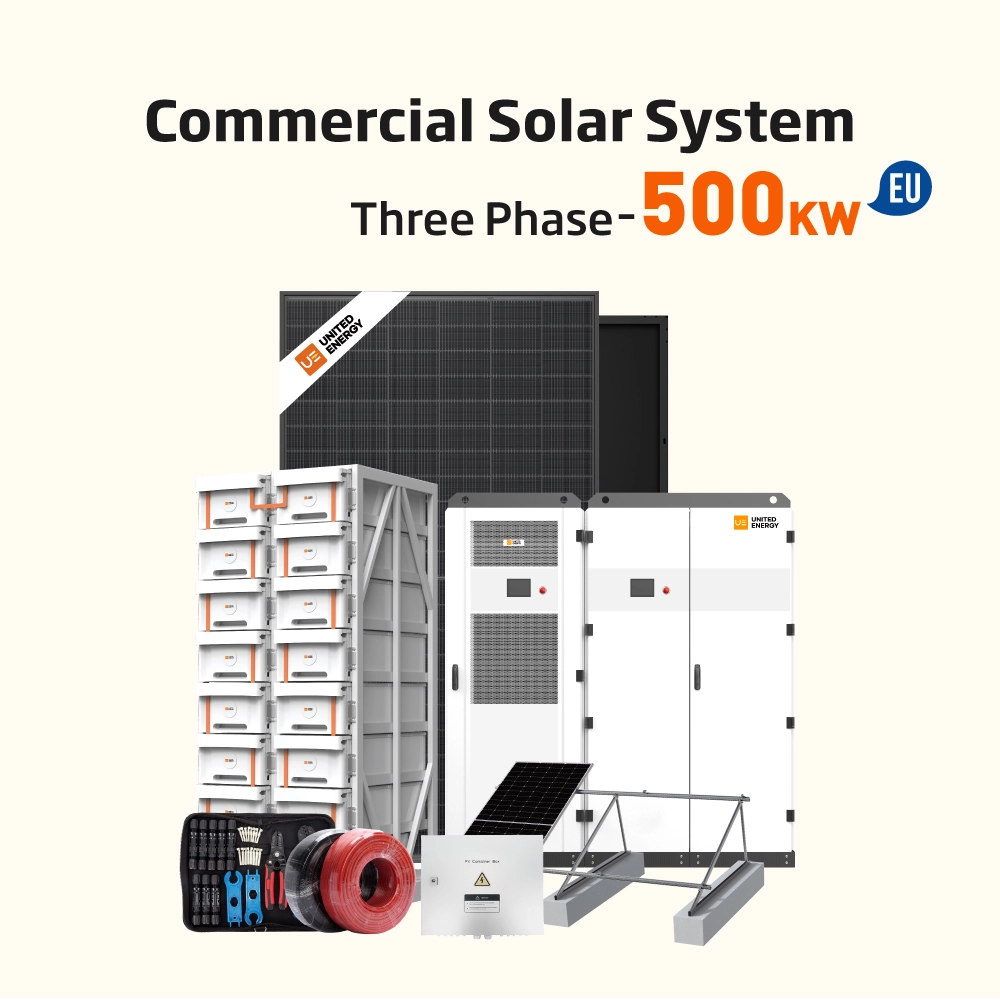
PV Capacity: 806.4 kWp
PV Inverter: 770 kW
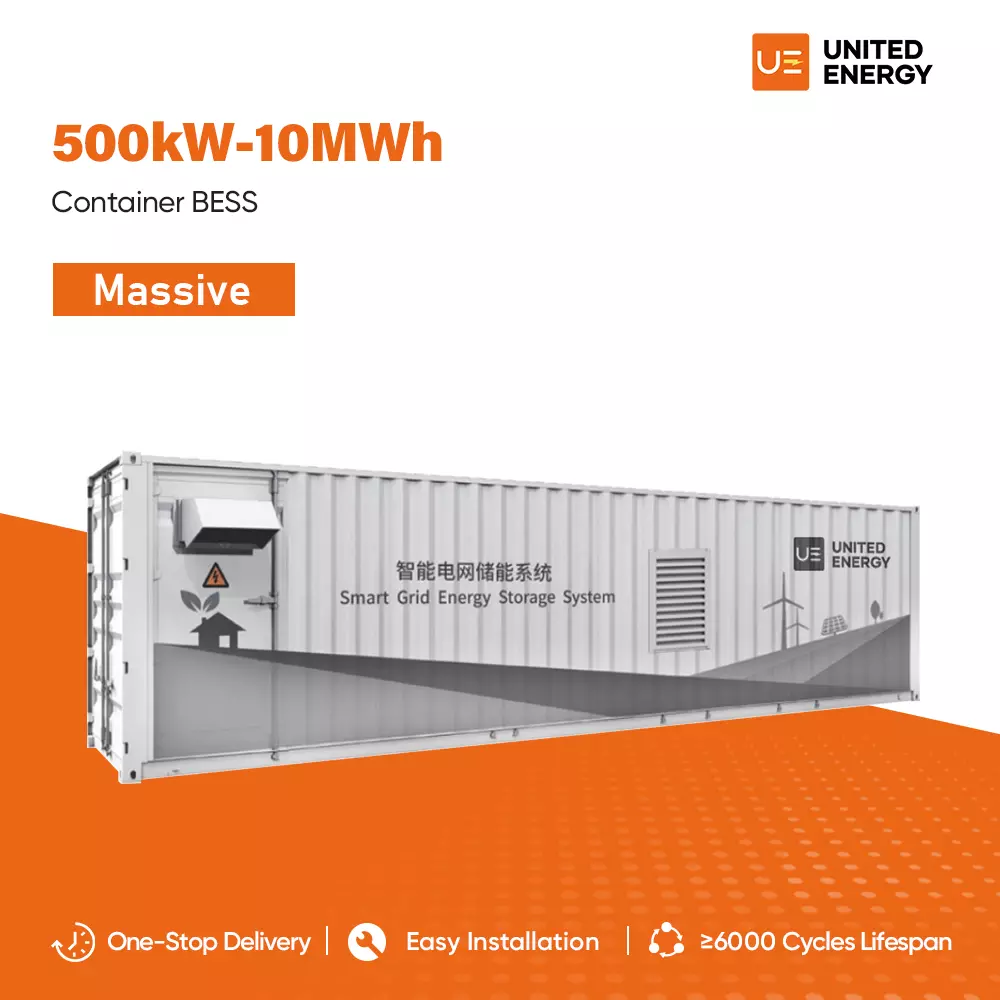
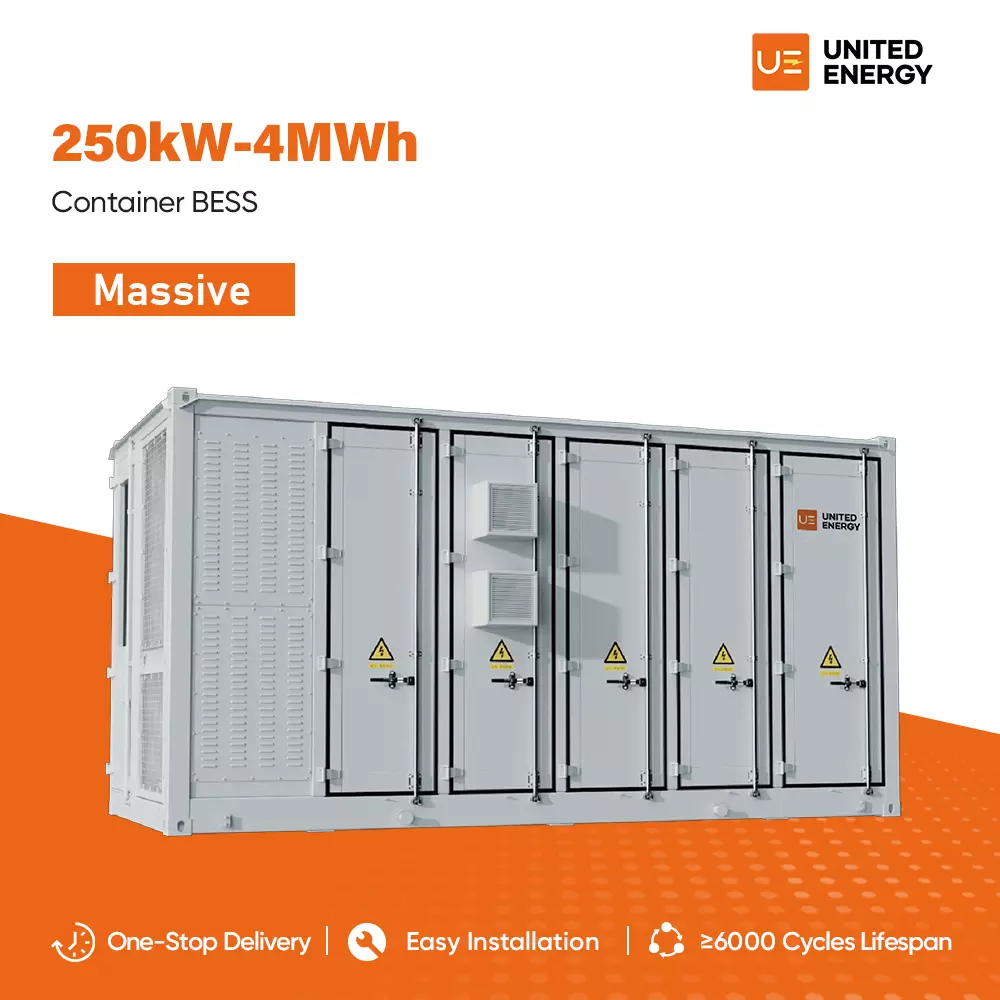
Battery Capacity: 1.25 MWh
PCS Rated Power: 500 kW
In this project, the customer required a solution that could:
- Ensure a stable power supply for critical production loads;
- Reduce dependence on grid electricity during peak tariff periods;
- Comply with 230/400Vac grid connection standards;
- Be delivered within a tight project timeline defined by a government tender.
Why an AC-Coupled PV + BESS Solution?
After evaluating the site situation and grid requirements, an AC-coupled system architecture was selected.
The project is connected to a three-phase 400V low-voltage grid, which imposed clear constraints on grid interconnection equipment and inverter selection. At the same time, the system was required to integrate a large-capacity photovoltaic array and a megawatt-hour–scale BESS, while maintaining operational stability and compliance with local grid standards.
By decoupling photovoltaic generation and battery storage on the AC side, the system enables each subsystem to operate within its optimal electrical and control parameters. Grid-tied PV inverters handle solar generation efficiently, while a dedicated power conversion system (PCS) manages bidirectional energy flow between the battery system, the grid, and local loads.
This AC-Coupled architecture provides a balanced solution that aligns with low-voltage grid requirements, supports high installed capacity, and ensures reliable system control under both grid-connected and islanded operating modes.
System Design & Working Principle
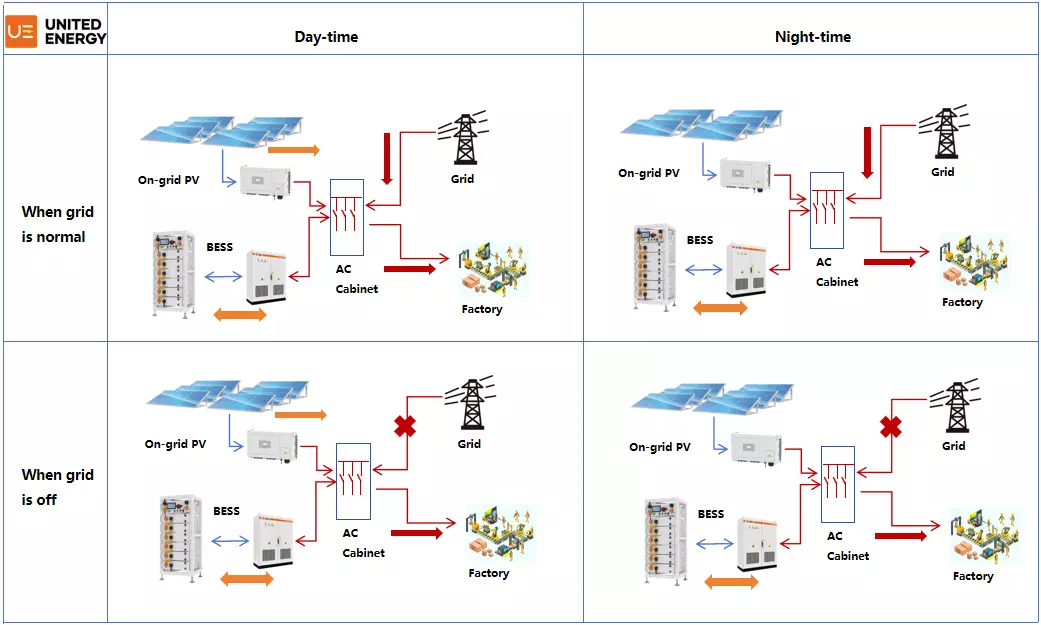
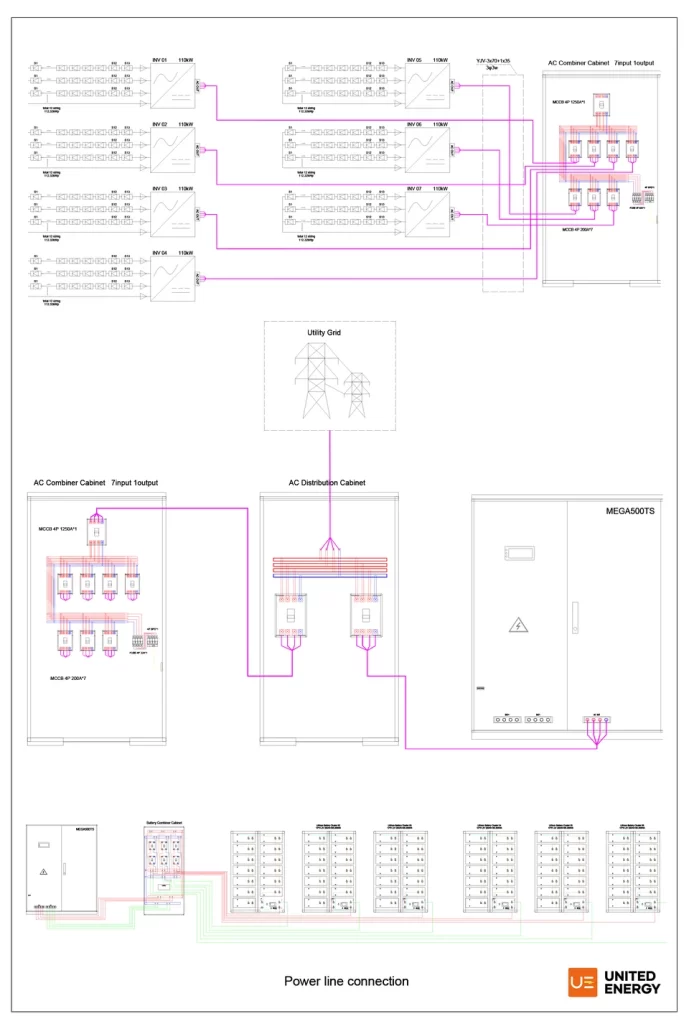
The AC-coupled PV + BESS system is centrally managed through an energy management system (EMS), coordinating solar generation, battery charging, and load supply based on real-time conditions.
- Daytime Operation
During daylight hours, solar energy is firstly to supply factory loads directly. Extra energy is automatically to charge the BESS. This maximizes on-site solar consumption and minimizes energy export or curtailment.
- Nighttime Operation
When solar generation is unavailable, the battery system discharges stored energy to support factory loads. This significantly reduces grid electricity consumption during high-tariff periods and lowers overall energy costs.
- Grid Outage Operation
In the event of a grid failure, the system automatically disconnects from the utility grid. The battery energy storage system continues supplying power to critical loads through the PCS, ensuring uninterrupted factory operation.
System Configuration
The grid-connected PV system was designed to maximize available installation capacity while maintaining operational simplicity.
Total installed PV capacity: 806.4 kWp
PV modules:
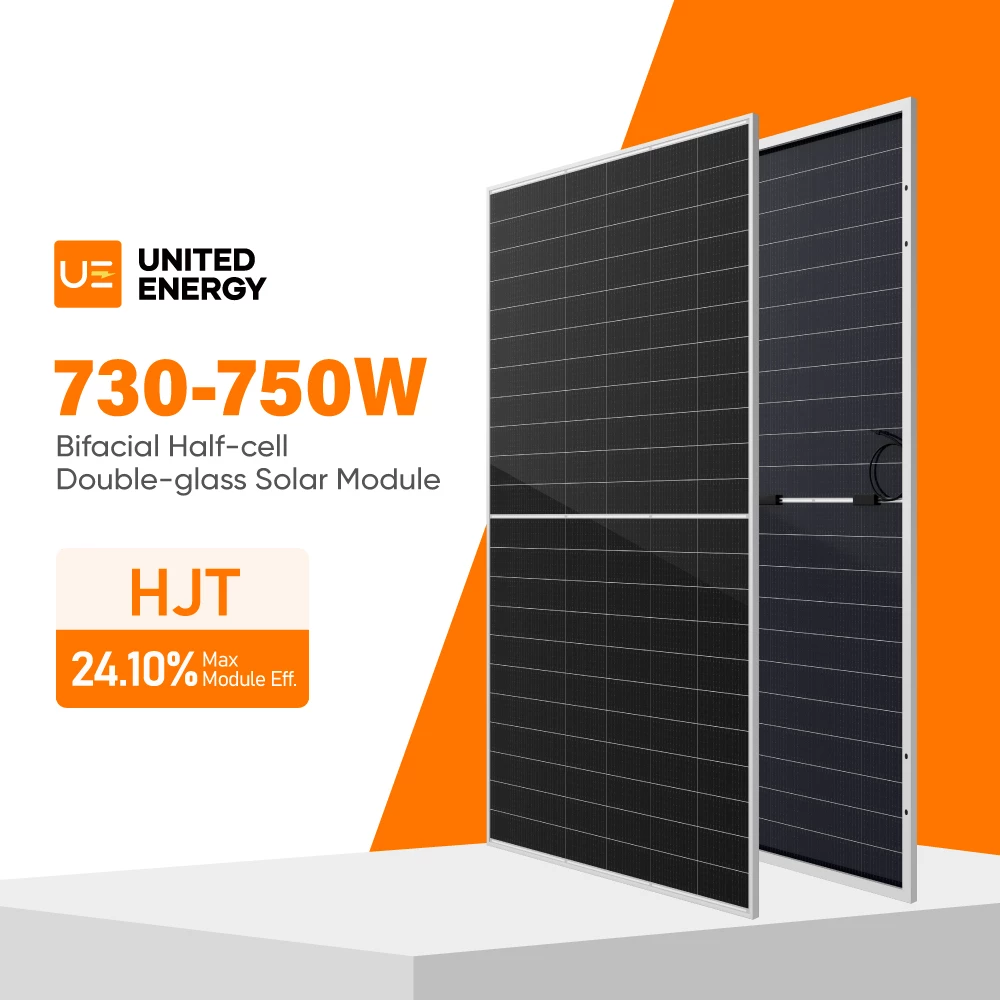
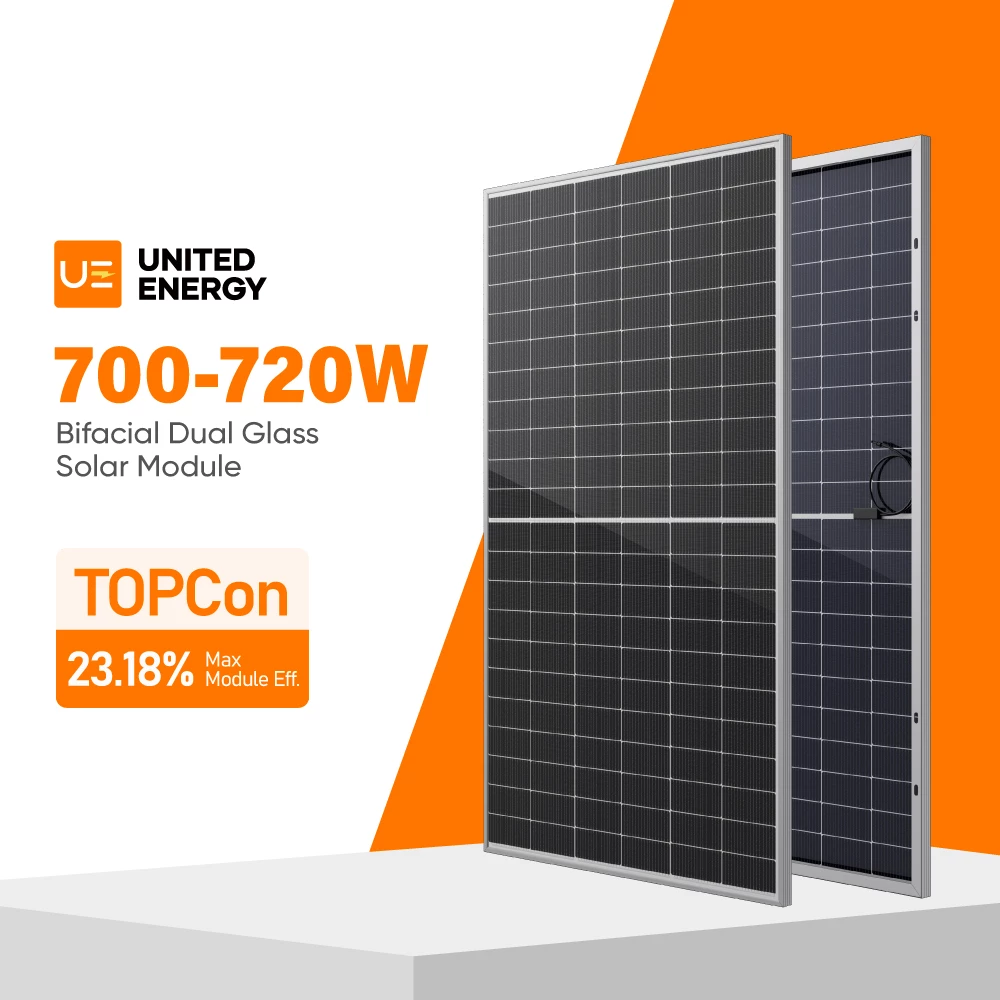
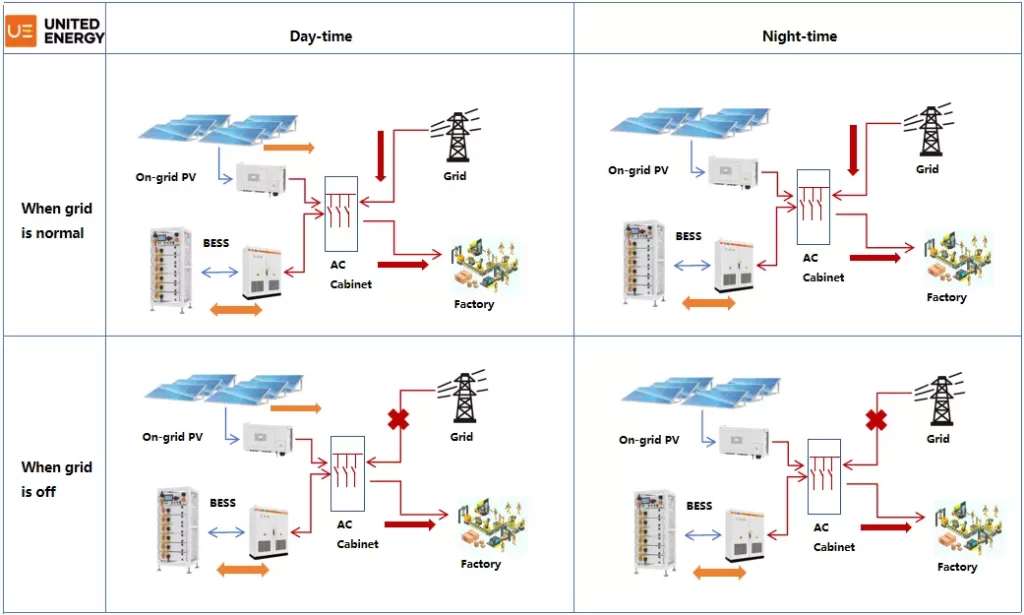
720W N-type TOPCon Bifacial Module x 1,120 pcs
16pcs per string, 70 strings in total
PV inverters:
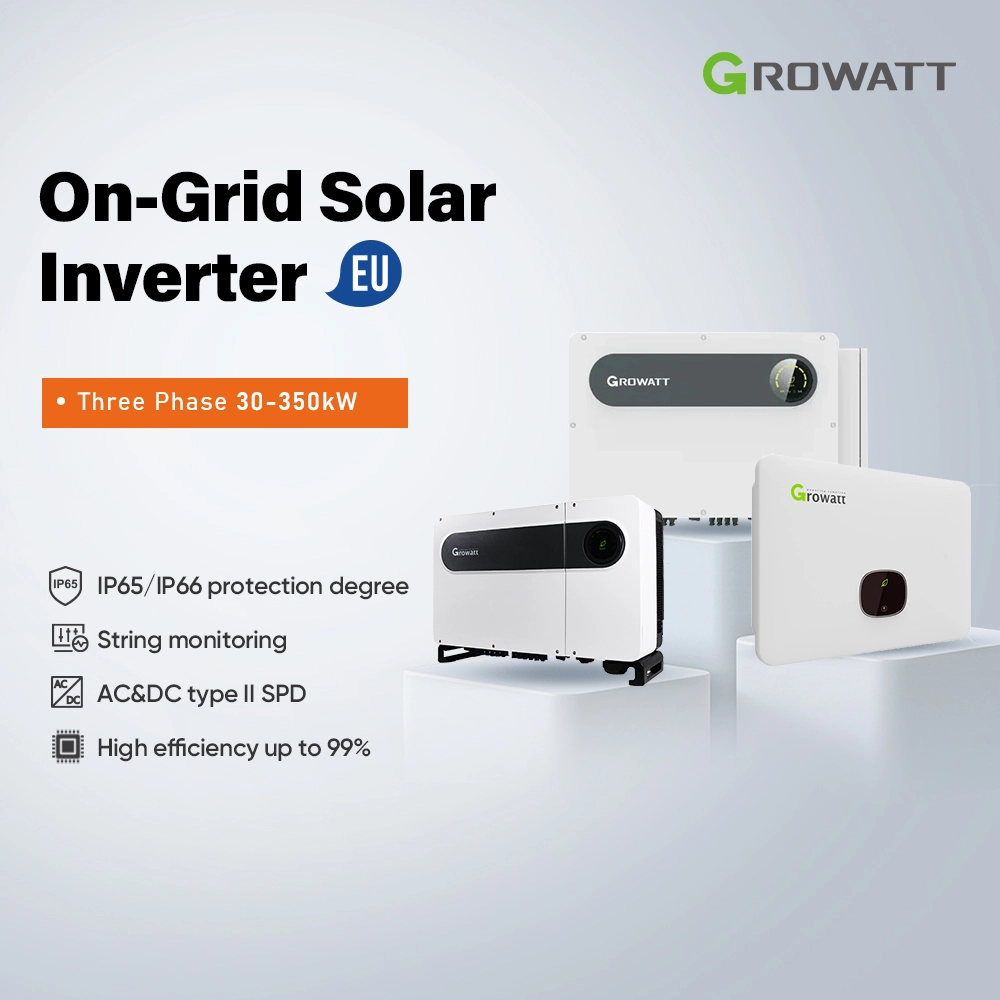
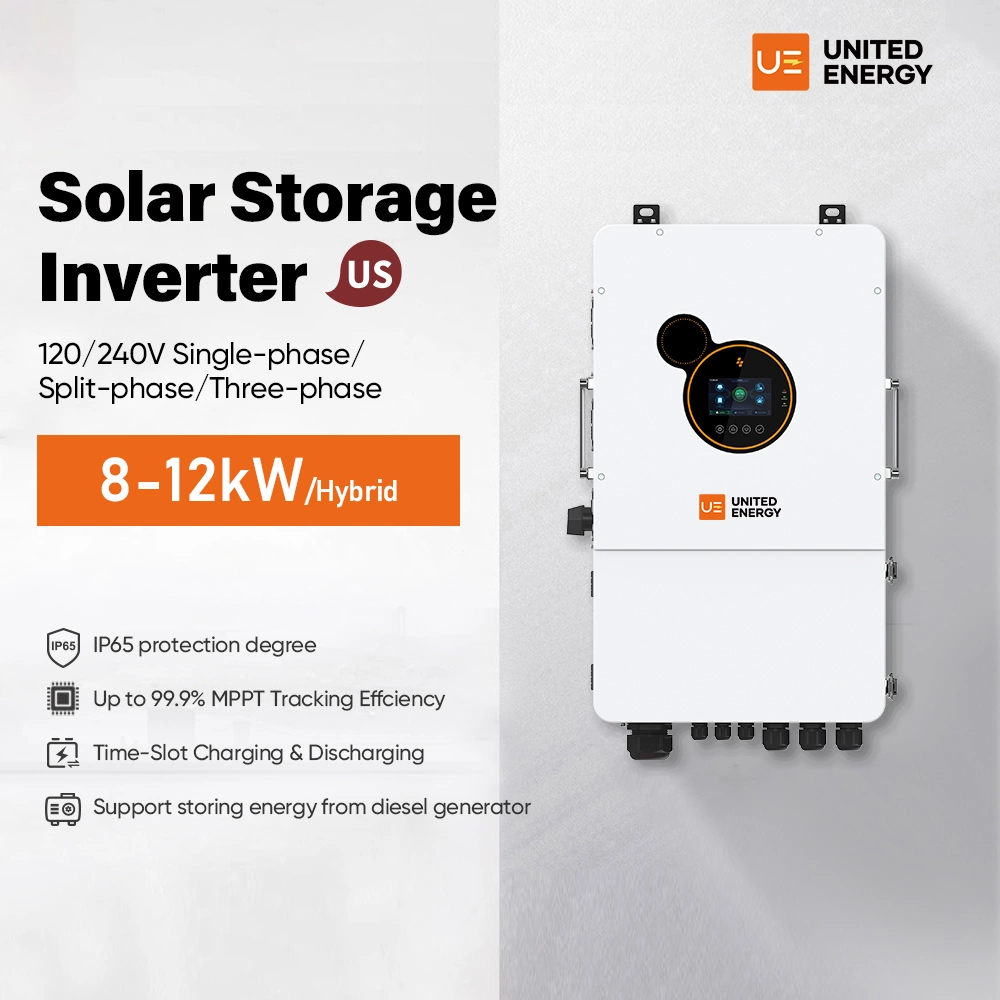
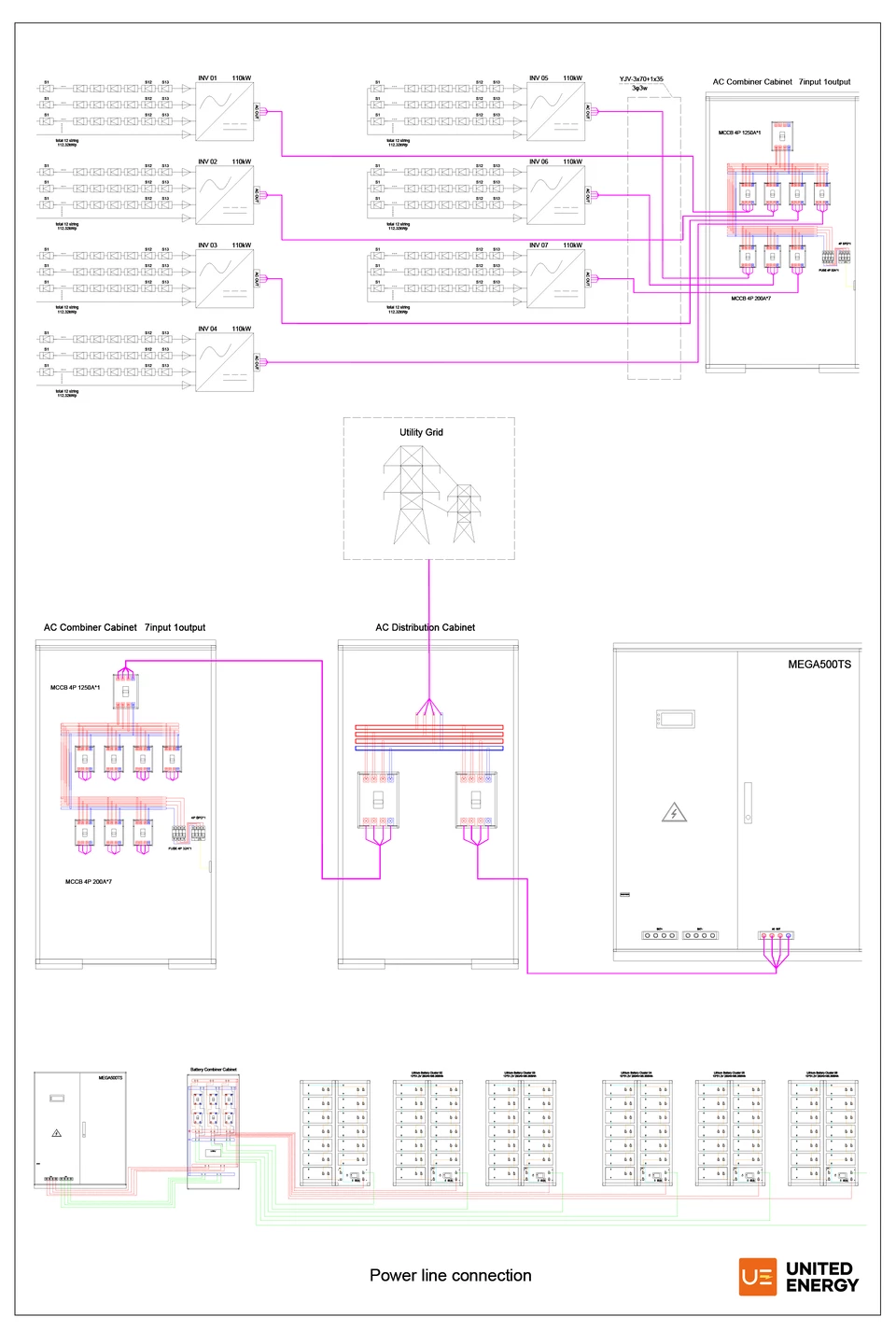
Growatt 110 kW on-grid low-voltage inverter x 7 units
Each inverter connected to 10 strings (160 modules)
AC-side integration:
All inverters connected to a 7-in / 1-out AC combiner cabinet
Combined output connected to the factory’s low-voltage distribution system
This configuration ensures efficient power generation, redundancy at the inverter level, and full compliance with local grid requirements.
Battery Energy Storage System (BESS)
The energy storage system was designed to support both economic operation and backup power requirements.
Battery modules:
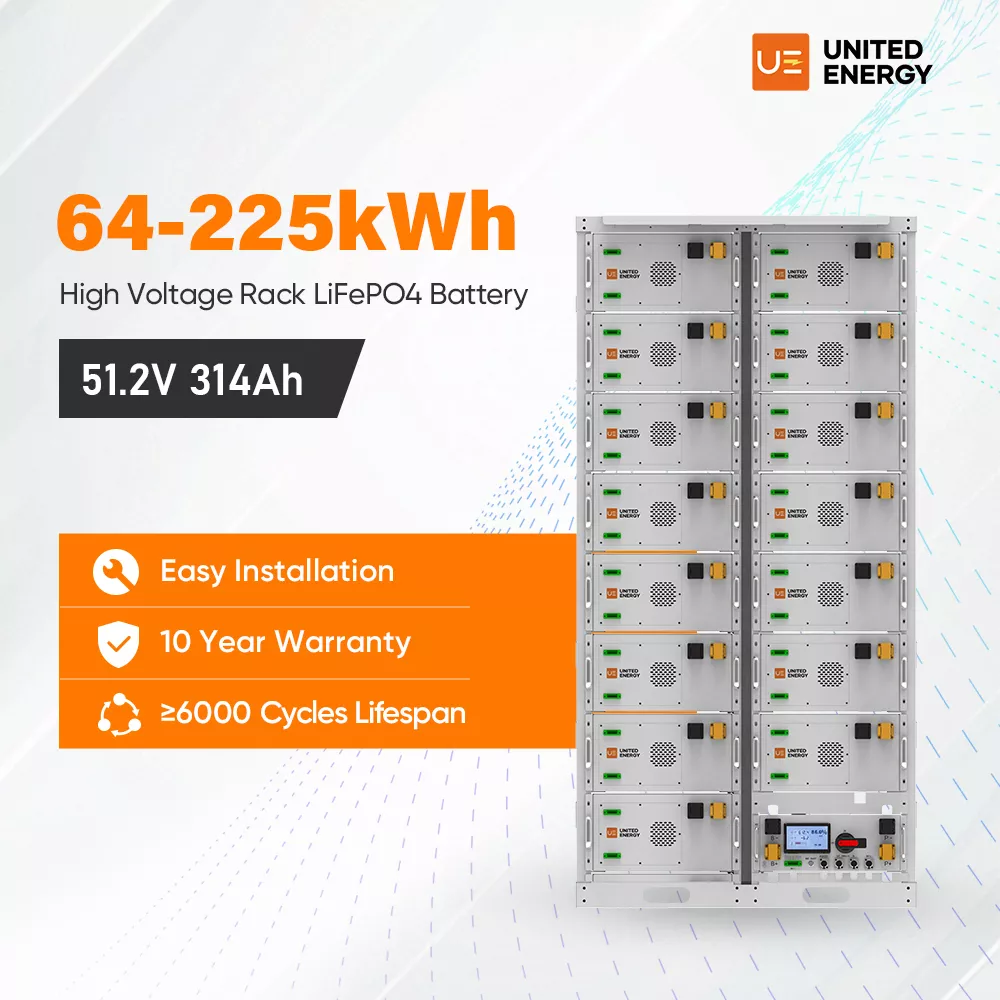
51.2V / 314Ah LiFePO₄13 modules per cluster, total 208.9 kWh
Battery clusters x 6 units
Total battery capacity: 1.25 MWh
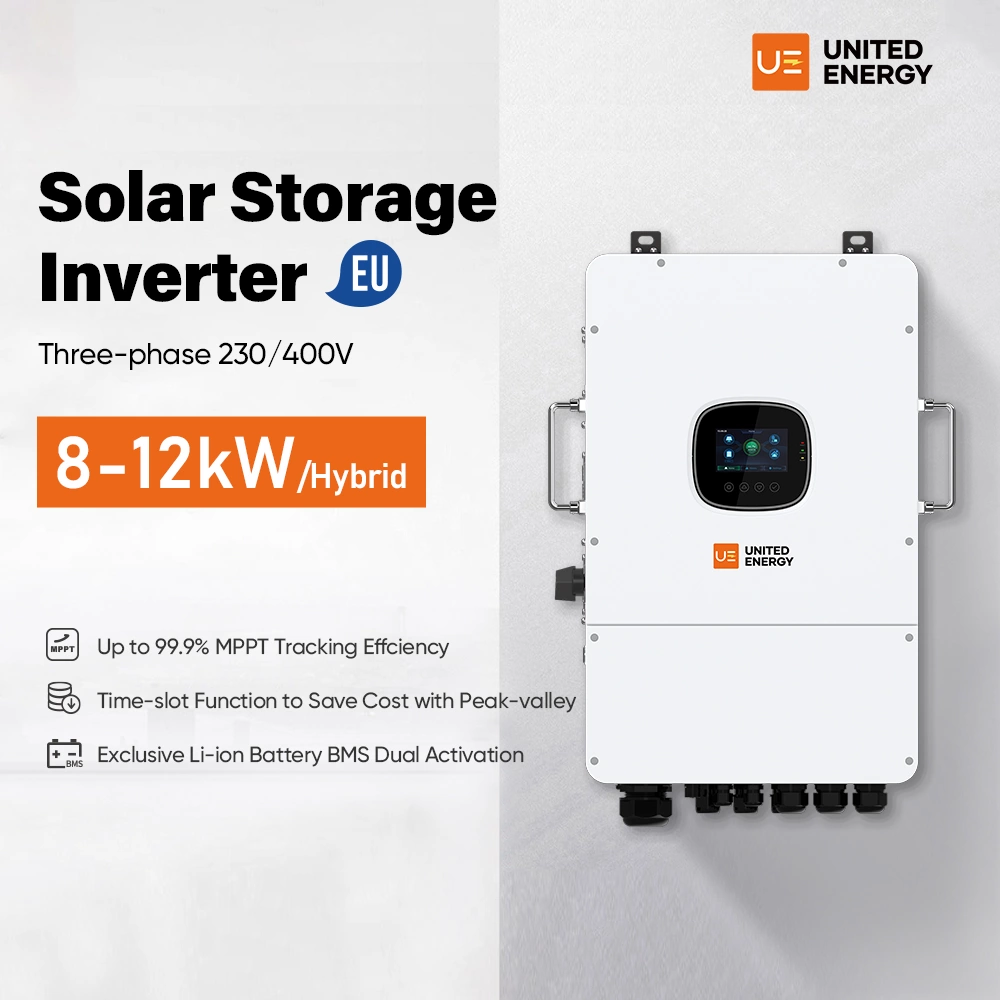
Power Conversion System (PCS):
Rated power: 500 kW
Bidirectional power flow between battery, grid, and load
The battery system is engineered for frequent cycling and long-term industrial operation, offering both reliability and operational flexibility.
Energy Management System
The energy management system prioritizes reliability, efficiency, and cost optimization.
Key features include:
- Centralized control of PV generation and battery dispatch
- Time-based charging and discharging aligned with tariff structures
- Seamless transition between grid-connected and islanded operation
- Adjustable depth of discharge (DOD) settings to balance performance and battery life
This approach allows the system to adapt dynamically to load demand, solar availability, and grid conditions.
Project Delivery & Engineering Support
Due to the compressed project schedule, close coordination between UE and the customer was critical.
United Energy provided:
- Rapid customization of system design and technical documentation
- Fast quotation and configuration updates
- Direct collaboration with the customer’s engineering team
- Live online factory tours to demonstrate manufacturing processes and quality control
- Short production and delivery lead times to meet installation deadlines
This combination of technical responsiveness, transparency, and execution efficiency played a key role in the successful project award and delivery.
Key Technical Advantages
- AC-coupled architecture optimized for low-voltage industrial grids
- Flexible PV configuration maximizing available installation space
- Independent scalability of PV and battery systems
- Proven industrial-grade components
- Future-ready design supporting capacity expansion
Conclusion
This project demonstrates how an AC-coupled PV + BESS solution can effectively address grid instability, high electricity costs, and strict delivery timelines in industrial and government tender applications.
Through engineering-driven design, rapid execution, and close customer collaboration, United Energy successfully delivered a reliable and scalable energy solution.